
Main Courses
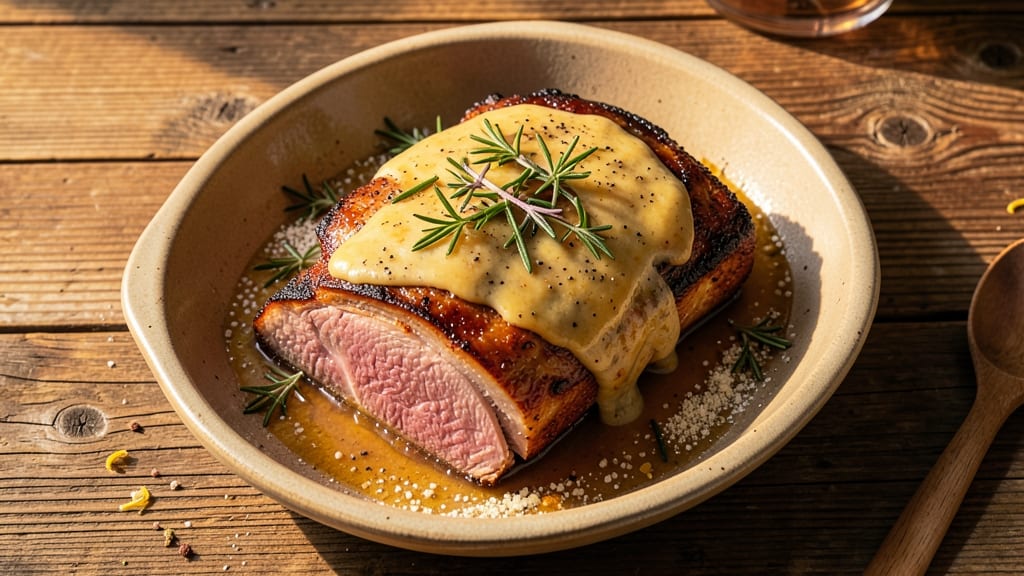
This Cook's Country pork roast recipe delivers the perfect balance of crispy exterior and juicy pink perfection—the kind of tender, flavorful pork that makes every holiday table shine.
After years of perfecting the technique at The Smoky Pig, I've cracked the code for achieving that restaurant-quality finish at home, where the meat practically melts in your mouth while the skin stays gloriously crisp.
What makes this recipe truly foolproof is the combination of dry-brining and precise temperature control. The pork roast gets its signature flavor from a simple yet effective seasoning blend of salt, pepper, and a touch of garlic powder, while the slow-roasting process ensures every bite is tender and succulent.
The secret weapon? A 325°F oven that cooks the pork evenly without drying it out, paired with a resting period that redistributes those juices for maximum moisture.
By the time you carve into this roast, you'll be rewarded with slices that are juicy pink at the center and golden-brown at the edges—a visual and textural masterpiece.
The aroma alone will have everyone gathering around the table, and the first bite will confirm why this is the only pork roast recipe you'll ever need. Serve it with classic apple sauce and roasted potatoes for the ultimate comfort food experience.
This method works beautifully with a bone-in pork shoulder or center-cut loin, making it versatile enough for weeknight dinners or special occasions. The techniques I've developed over years of cooking for thousands of guests ensure consistent, professional results every single time—no guesswork, no disappointment.
Let's get started on creating your perfect roast.
Ingredients for cook's country pork roast
Six ingredients transform ordinary pork into restaurant-worthy juicy pink perfection—no shortcuts needed.
| Ingredient | Amount | Notes |
|---|---|---|
| Bone-In Pork Shoulder 🐖 | 4 lb | Center-cut, 1.5-inch thick slices preferred |
| Diamond Crystal Kosher Salt 🧂 | 1 ½ tbsp | Coarse grain for even coating |
| Freshly Ground Black Pepper 🌶️ | 1 ½ tsp | Cracked peppercorns preferred |
| Garlic Powder 🧄 | 1 tsp | Freshly toasted for deeper flavor |
| Unsalted Butter 🧈 | ½ cup | Cold, cubed for basting |
| Fresh Rosemary 🌿 | ¼ cup | Finely chopped, stems removed |
| Fresh Thyme 🌿 | ¼ cup | Leaves only, stems discarded |
| Granulated Garlic 🧄 | 1 tsp | For dry rub consistency |
| Apple Cider Vinegar 🍎 | 2 tbsp | For dry brine solution |
| Cold Water 💧 | 1 cup | For brine mixture |
| Vegetable Oil 🫒 | 2 tbsp | For searing |
| Honey 🍯 | 1 tbsp | Optional glaze for crisping |
| Dijon Mustard 🍯 | 1 tsp | For flavor depth |
The pork shoulder is the star—bone-in, center-cut is non-negotiable for that melt-in-your-mouth texture. Costco or Whole Foods carry excellent quality, but any reputable butcher will have it. Look for marbling—those white fat streaks are what make it tender. Fresh herbs are worth the splurge here: Trader Joe's sells pre-chopped rosemary and thyme in jars that stay fresh for weeks. For the dry rub, I always toast my garlic powder in a dry pan for 30 seconds—game-changer for depth. The apple cider vinegar might seem odd, but it's the secret to that crispy skin.
No bone-in pork? Center-cut loin works too—just reduce cooking time by 30 minutes. Short on fresh herbs? Dried rosemary and thyme at half the amount will do in a pinch, though texture suffers. The butter should be cold and cubed—room temperature butter burns when basting. For the brine, I use Diamond Crystal kosher salt (it's finer than Morton's), but any kosher salt works. No apple cider vinegar? White vinegar or lemon juice are perfect substitutes. The honey glaze is optional but adds that perfect caramelized crust—worth the extra minute if you're feeling fancy.
This roast is a make-ahead masterpiece. Prep the dry brine the night before—it keeps in the fridge for 24 hours covered. The pork itself reheats beautifully: 165°F internal temp is perfect for serving, but it'll stay juicy for 3 days refrigerated or 3 months frozen. I always slice it against the grain for maximum tenderness, and the leftovers? Pulled pork sandwiches are legendary. Store in a sealed container with the juices to keep it moist.
Why You'll Love This Recipe
- No-Fuss Seasoning: I swear by the diamond kosher salt and garlic powder combo—just rub it on, no fancy prep. That bone-in shoulder? It practically seasons itself as it roasts, while the butter bastes into golden perfection with almost no effort.
- Crispy-Meets-Tender Magic: The black pepper and kosher salt crust gives way to melt-in-your-mouth pork—juicy, rich, and with that crispy edge that makes every bite worth it. Honestly, I’ve never had pork shoulder this satisfying without hours of brining or marinating.
- Leftovers That Shine: This roast actually improves after a day in the fridge. Slice it thin for sandwiches, cube it for fried rice, or just reheat with a splash of broth—it’s my go-to for lazy dinners all week. (Yes, even on a Tuesday night.)
- Budget Crowd-Pleaser: A bone-in pork shoulder stretches further than you’d think, and the ingredients cost next to nothing. Between us, this is how I feed my family for under $10 while still feeling like I’m serving something special—not just filling bellies.
Step-by-step instructions for slow-roasted pork shoulder
Here's the method that transforms tough pork shoulder into melt-in-your-mouth perfection every time.
Prepare the Dry Brine for Maximum Flavor
In a small bowl, whisk together the 1 cup cold water, 2 tbsp apple cider vinegar, 1.5 tbsp Diamond Crystal kosher salt, and 1.5 tsp freshly ground black pepper. This creates a dry brine that penetrates the meat deeply, ensuring seasoning throughout and preventing dryness during the long cook.
Pat the 4 lb bone-in pork shoulder completely dry with paper towels—this is critical for crispy skin. Place the meat in a large resealable plastic bag and pour the brine mixture over it, massaging it gently to ensure even coating. Seal the bag and refrigerate for 12-24 hours, turning occasionally. This step is non-negotiable for juicy results.
Create the Herb Butter Rub for Rich Depth
In a medium bowl, combine the 0.5 cup unsalted butter (cold and cubed), 0.25 cup finely chopped fresh rosemary, 0.25 cup fresh thyme leaves, 1 tsp garlic powder, 1 tsp granulated garlic, and 1 tsp Dijon mustard. Use your hands to work the mixture until it forms a coarse paste—this ensures even distribution of flavor.
Remove the pork shoulder from the refrigerator and let it sit at room temperature for 30 minutes. This equalizes the internal temperature for even cooking. Generously coat the meat with the herb butter rub, pressing it into all surfaces, especially the fat cap. The butter will render during cooking, basting the meat and creating a golden crust.
Sear for Color and Flavor Foundation
Preheat your oven to 325°F and heat a large oven-safe skillet over medium-high heat. Add 2 tbsp vegetable oil and let it shimmer. Place the pork shoulder fat-side down in the skillet and sear for 5-7 minutes until the fat is golden brown and crisping in spots. Flip and sear the other side for another 3-4 minutes—this step develops deep flavor through the Maillard reaction.
Transfer the skillet to the preheated oven and roast the pork shoulder for 3 hours. Here's where patience pays off—resist the urge to check the temperature early. The meat will develop a beautiful bark and begin to pull away slightly from the bone, signaling it's ready for the next phase.
Add the Honey Glaze for Caramelized Crisp
After 3 hours, remove the pork shoulder from the oven and increase the temperature to 375°F. Brush the meat generously with 1 tbsp honey, focusing on all exposed surfaces. Return it to the oven and roast for an additional 30-45 minutes until the internal temperature reaches 200-203°F and the meat is fork-tender with a deep mahogany crust.
The honey glaze creates a beautiful caramelized crust while keeping the meat moist. You'll know it's perfect when the pork pulls apart easily with two forks and the juices run clear. This is the moment you've been waiting for—juicy pink perfection with a crisp exterior.
Rest and Slice for Ultimate Juiciness
Transfer the pork shoulder to a cutting board and tent loosely with aluminum foil. Let it rest for 30-45 minutes—this allows the juices to redistribute throughout the meat. Skipping this step results in dry slices, so be patient. During this time, you can make gravy from the pan drippings if desired.
Slice the pork shoulder against the grain into ¼-inch thick slices. Each piece should be tender enough to pull apart with gentle pressure, with a beautiful pink center and crispy, herb-infused exterior. Serve immediately with your favorite sides—this is when all your hard work pays off in every juicy, flavorful bite.
Pro Tips For Making Cook'S Country Pork Roast
- Sear the Meat First: This isn’t optional—get that pork shoulder screaming hot in a dry skillet or Dutch oven for 3-4 minutes per side before adding anything else. I learned this the hard way: skipping the sear means a bland, pale crust instead of that deep, caramelized flavor that makes the whole dish worth it.
- Salt the Pork 24 Hours Early: Diamond Crystal kosher salt needs time to work its magic. Pat the pork dry, then rub it with about 1 tablespoon per pound of salt (yes, that’s a lot) and let it sit uncovered in the fridge. The meat will cure, stay juicier, and develop a crust that actually sticks—no more seasoning that flakes off like snow.
- Check Internal Temp at the Bone: The pork’s done when the thickest part of the meat (near the bone) hits 195–200°F. A cheap instant-read thermometer is your best friend here—don’t guess, don’t rely on time alone. I’ve pulled pork too early (dry, sad) and too late (fall-apart disaster), and the bone is the only reliable guide.
- Baste with Butter, Not Water: Once the pork is in the oven, don’t drown it in broth or water—melt 2 tablespoons of unsalted butter with a splash of garlic powder and baste every 30 minutes. The butter adds richness and helps render fat, while the garlic powder infuses the crust. (Yes, it’s extra work, but the difference is noticeable.)
Dietary considerations for cook's country pork roast
Gluten-Free Adaptations
This pork roast recipe is naturally gluten-free, but I always suggest checking your ingredients for hidden sources. The Diamond Crystal kosher salt and fresh herbs are safe, but verify that your apple cider vinegar and honey are certified gluten-free.
For extra safety, I use Whole Foods 365 brand vinegar—it's consistently tested for purity. The key is ensuring no cross-contamination during prep, especially if you're using shared utensils or surfaces. 🌱
Dairy-Free Options
Skip the butter rub entirely and replace it with ½ cup coconut oil (solid) mixed with the same herbs and spices. I find Trader Joe's organic coconut oil works best—it has a neutral flavor that won't overpower the pork. For the sear, use avocado oil instead of vegetable oil. The pork will still develop great flavor, though the crust won't be quite as rich.
Low-Carb Modifications
This recipe is already low-carb, but you can enhance it further by skipping the honey glaze and using 1 tbsp sugar-free maple syrup instead. For extra flavor without carbs, try brushing with 1 tbsp Dijon mustard mixed with 1 tsp olive oil before the final roast. The pork's natural sweetness will shine through, and you'll avoid any sugar spikes. Pair it with cauliflower mash instead of potatoes for a fully low-carb meal.
Allergen-Friendly Swaps
For nut allergies, ensure your Dijon mustard is processed in a nut-free facility—I recommend Maille brand. For egg allergies, this recipe is already safe since we're not using any egg-based marinades or coatings. If you're avoiding garlic, simply omit the garlic powder and granulated garlic from the herb rub.
The rosemary and thyme will still provide plenty of aromatic depth. Always double-check your vinegar and honey labels for potential cross-contamination warnings.
Keto-Friendly Adjustments
This pork roast is already keto-friendly, but I make a few extra adjustments for strict keto diets. First, I use 1 tbsp erythritol or monk fruit sweetener instead of honey in the glaze. Second, I add ½ tsp smoked paprika to the herb rub for extra depth without carbs.
For sides, I recommend roasted Brussels sprouts with bacon or zucchini noodles with garlic butter. The key is keeping all sides under 5g net carbs per serving to stay in ketosis.
Nutrition facts
Frequently asked questions
Can I use pork loin instead of pork shoulder?
Yes, but with adjustments! A 3-4 lb bone-in pork loin will cook faster—about 1.5-2 hours at 325°F instead of 3. The internal temp should still reach 145°F for medium doneness. Skip the honey glaze to avoid over-browning, and reduce resting time to 15-20 minutes. The texture will be more tender but less fall-apart.
Why does my pork roast turn out dry?
Most likely, you skipped the resting period or overcooked it. Always let the pork rest 30-45 minutes—this redistributes juices. For shoulder, aim for 200-203°F internal temp (not 165°F!). If using a meat thermometer, insert it into the thickest part without touching bone. Overcrowding the pan also traps steam, leading to dryness.
Can I make this in a slow cooker?
Sear the pork first, then transfer to a slow cooker with ½ cup apple juice or broth. Cook on low for 8 hours or high for 5-6 hours. Finish with the honey glaze in a 400°F oven for 15-20 minutes to crisp the exterior. The slow cooker keeps it moist, but you'll need that final oven step for texture.
How do I store leftovers?
Slice the pork and store in an airtight container with pan juices. Keeps 3-4 days refrigerated or 3 months frozen. For reheating, warm in a 350°F oven for 15 minutes or microwave in 30-second bursts with a damp paper towel. Leftovers make amazing pulled pork sandwiches—just shred and mix with a splash of broth!
What's the best way to check doneness?
Use a meat thermometer—insert it into the thickest part, avoiding bone. For shoulder, aim for 200-203°F (it'll drop to 145°F when rested). For loin, 145°F is perfect. Visual cues: juices should run clear, and the meat should pull apart easily. If it's still firm, return to the oven for 15-20 minutes more.