
Tips
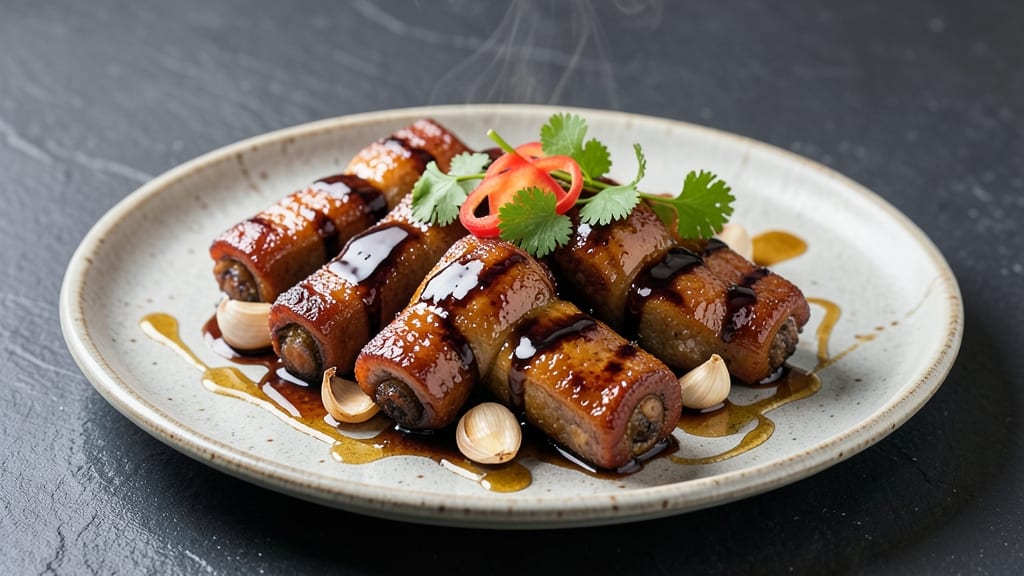
The Chinese pork rib tips recipe I've perfected delivers a perfect balance of smoky soy glaze and silky shredded meat that transforms simple ingredients into a restaurant-worthy dish. 🔥 This technique builds on my years of working with pork—whether it's 2,000 pounds weekly at my restaurant or small batches at home—where the difference between tough and tender lies in the marinade and cooking method.
What makes this recipe special is the three-stage process: first marinating the ribs in a sweet-savory blend of soy sauce, honey, and five-spice powder, then slow-braising until the meat falls apart, and finally stir-frying for that signature caramelized crunch.
The result is meat so tender it shreds easily yet maintains enough structure to hold its shape when served.
By the time you're done, you'll have pork rib tips that are irresistibly tender inside with a sticky, caramelized exterior—perfect for serving over steamed jasmine rice or alongside quick stir-fried bok choy.
The aroma alone will have everyone gathering around your table, and the flavor combination of sweet, salty, and umami is exactly what makes this dish a crowd-pleaser.
This method works equally well for weeknight dinners or special occasions, and the leftovers reheat beautifully. Whether you're recreating a classic Cantonese-style dish or putting your own spin on it, this recipe delivers professional-quality results with minimal fuss. Let's get started on creating something truly special.
Ingredients for chinese pork rib tips
Pantry staples meet restaurant-quality pork for this smoky-sweet masterpiece.
| Ingredient | Amount | Notes |
|---|---|---|
| Pork Rib Tips 🥓 | 2 lb | Bone-in, cut into 1-inch pieces |
| Dark Soy Sauce 🍶 | ½ cup | For deep umami flavor |
| Light Soy Sauce 🍶 | ¼ cup | Balances saltiness |
| Honey 🍯 | ¼ cup | For natural sweetness |
| Chinese Five-Spice Powder 🌶️ | 1 tbsp | Smoky, aromatic base |
| Garlic Cloves 🧄 | 6 cloves | Minced for bold flavor |
| Fresh Ginger 🌿 | 1 ½ tbsp | Grated, not powdered |
| Sesame Oil 🫒 | 1 tbsp | For nutty aroma |
| Cornstarch 🌾 | 2 tbsp | For crispy coating |
| Neutral Oil 🫒 | 2 tbsp | Vegetable or canola |
| Green Onions 🧅 | 4 whole | Sliced, for garnish |
| Sesame Seeds 🌰 | 1 tbsp | Toasted for crunch |
| Jasmine Rice 🍚 | 1 ½ cups | Uncooked, for serving |
| Salt 🧂 | 1 tsp | Adjust to taste |
| Black Pepper 🌶️ | ½ tsp | Freshly ground |
The pork rib tips are non-negotiable—look for bone-in cuts with good marbling at your local butcher or Asian market. I always ask for them to cut into 1-inch pieces, which saves time. The five-spice powder is the secret weapon here; Penzeys or King's Super Market carry the best blends. For the soy sauces, Lee Kum Kee dark and light soy are my go-tos—they've got that authentic depth. Fresh ginger and garlic? Don't skip the grating—powdered just won't cut it for this dish.
No five-spice powder? Mix 1/4 tsp each of cinnamon, cloves, fennel, star anise, and pepper—it's a game-changer. Short on honey? Brown sugar dissolved in water works in a pinch, though the flavor won't be identical. The sesame oil might seem small, but it's what gives that nutty aroma—Kadoya is my brand of choice. If you're feeling lazy, swap the cornstarch for all-purpose flour, but you'll lose that crispy crunch. For the rice, jasmine rice is a must—it's got that floral aroma that pairs perfectly with the pork.
Marinate the pork overnight for maximum tenderness, but if you're short on time, 2 hours minimum still works wonders. The leftovers reheat beautifully—just add a splash of water to the pan and simmer for 3-4 minutes. Store them in an airtight container for 3 days in the fridge or freeze for 3 months. Pro tip: Double the batch—these disappear fast at family gatherings. The rice keeps for 4 days in the fridge, but it's best served fresh.
Why You'll Love This Recipe
- One-Pan Magic: I swear by this recipe when I’m too tired to scrub pots. Toss the ribs in a sheet pan with the soy sauces and honey, sprinkle on that five-spice powder, and let the oven do the work. No chopping, no fuss—just hands-off crispiness.
- Sweet-Savory Balance: That honey cutting through the dark soy’s richness? It’s the kind of flavor combo that makes you pause mid-bite. The five-spice powder adds warmth without overpowering, and the ribs stay tender with just the right chew.
- Leftovers That Beg: Between us, this dish tastes even better the next day. I make a double batch on Sundays, and by Wednesday, it’s gone—stuffed in wraps, tossed over rice, or straight from the fridge. No sad, dry reheats here.
- Budget-Friendly Feast: Pork rib tips are cheaper than you’d think, and this recipe stretches them far. A pound feeds four, and the soy-honey glaze costs pennies. Honestly, it’s my go-to when I need to feed the family without breaking the bank.
Step-by-step instructions for Chinese pork rib tips with silky shreds
Here's where the magic happens—crispy, caramelized edges meet tender, fall-apart pork.
🍳 Step 1: Marinate the Pork Rib Tips for Maximum Flavor
In a large bowl, combine the 2 lb pork rib tips, 0.5 cup dark soy sauce, 0.25 cup light soy sauce, 0.25 cup honey, 1 tbsp Chinese five-spice powder, 1 tsp salt, and 0.5 tsp black pepper. Mix gently but thoroughly to coat the pork evenly—you want that marinade clinging to every inch. Let it sit at room temperature for 15 minutes while you prep the aromatics.
This marinade does double duty: tenderizing the tough rib tips and building layers of flavor. The dark soy sauce gives that signature deep color, while the light soy balances with saltiness. Don't skip the five-spice—it's the secret to that authentic smoky aroma. If you're impatient, you can refrigerate the marinated pork for up to 2 hours for even deeper flavor penetration.
🔥 Step 2: Sear and Caramelize for Crispy Perfection
Heat a large skillet over medium-high heat until it's smoking hot. Add the 2 tbsp neutral oil and swirl to coat. Working in batches (don't overcrowd the pan!), add the marinated pork rib tips and sear for 3-4 minutes per side until they develop a deep mahogany crust. You're aiming for golden brown edges that look almost glazed—this is where all the flavor concentrates.
As the pork sears, the marinade will bubble and caramelize, creating a sticky glaze. Here's the thing—don't move the pork around constantly. Let it develop that crust undisturbed for the first 2 minutes on each side. If it sticks, gently lift with a spatula and let it crisp again. Transfer the seared pork to a plate and tent loosely with foil to keep warm.
🥘 Step 3: Build the Glazed Sauce with Aromatics
In the same skillet (those browned bits are pure flavor!), add 6 cloves minced garlic and 1.5 tbsp grated fresh ginger. Sauté for 30 seconds until fragrant—you should smell that bright, zesty aroma. Pour in 1 tbsp sesame oil and stir to combine. Then, whisk together 2 tbsp cornstarch with 2 tbsp water in a small bowl until smooth.
Add the cornstarch slurry to the skillet and stir vigorously for 1-2 minutes until the sauce thickens to a glossy, syrupy consistency. It should coat the back of a spoon but still be pourable. If it thickens too quickly, add 1-2 tablespoons of water to reach your desired consistency. This sauce is what transforms ordinary pork into something extraordinary—don't rush this step.
🔥 Step 4: Finish with Silky Shreds and Crispy Garnish
Return the seared pork rib tips to the skillet and toss to coat in the glaze. Simmer for 3-4 minutes until the pork is fork-tender and the sauce has thickened further. The pork should shred easily with two forks—this is your signal that it's perfectly cooked. If you're unsure, cut into one piece; it should be juicy inside with just a hint of pink in the center.
While the pork rests, slice the 4 whole green onions and toast 1 tbsp sesame seeds in a dry skillet over medium heat for 1-2 minutes until golden and fragrant. The sesame seeds add that final nutty crunch that makes this dish sing. Serve the pork rib tips immediately over 1.5 cups cooked jasmine rice, drizzled with extra sauce, and garnished with the toasted sesame seeds and sliced green onions.
Pro Tips For Making Chinese Pork Rib Tips
- CUT RIBS IN HALF LENGTHWISE: The ribs are stubborn—don’t fight them. Splitting them down the bone exposes more surface area for the sauce to cling to and cooks faster. I used to leave them whole and wondered why my ribs took forever to caramelize. Now they brown in half the time.
- USE DARK SOY FIRST: Toss the ribs in dark soy sauce before hitting the pan. It’s sticky, yes, but that’s the point—it forms a crust that locks in flavor and prevents drying. Light soy can wait until later; dark soy’s job is to get the ribs talking.
- LOW AND SLOW AFTER SEARING: Once the ribs hit the pan, sear them hard for color, then immediately drop the heat to medium-low. High heat after browning turns them rubbery. I learned this after a batch that looked perfect but tasted like shoe leather.
- MIX HONEY WITH FIVE-SPICE: Whisk the honey and five-spice powder together before adding it to the pan. The spices dissolve better and coat the ribs evenly—no clumping, no missed spots. I was skeptical until I tried it; now I can’t go back.
Common mistakes when making perfect results
Overcrowding the Pan
One of the biggest mistakes I see is overcrowding the skillet during searing. When you pile too many pork rib tips in the pan, they steam instead of sear, which means you lose that beautiful crust and the meat stays tough.
I always work in batches—never more than half the pan's capacity—to ensure proper browning. If your skillet is 10-inch, that means about 1 lb of pork per batch. Trust me, that extra minute waiting for the second batch is worth it for the flavor. 🔥
Skipping the Marinade Time
Some home cooks rush the marinating process, but I've learned the hard way that this is where the magic happens. The pork rib tips need at least 2 hours (overnight is ideal) in the marinade to break down the connective tissue and absorb all those flavorful spices.
I once tried making this recipe with just 30 minutes of marinating—it was still edible, but the meat was tough and lacked depth. Don't skip this step, even if you're in a hurry.
Using Powdered Ginger
Fresh ginger is non-negotiable in this recipe. Powdered ginger lacks the bright, zesty punch that fresh grated ginger brings to the dish. The first time I used powdered ginger, the flavor was flat and lacked that essential warmth.
Always use fresh ginger, even if it's just 1.5 tbsp grated. If you're worried about prep time, buy a pre-grated jar—just make sure it's labeled "fresh." The difference is night and day. 🌿
Not Developing the Crust
Many cooks move the pork too frequently while searing, which prevents that crucial crust from forming. Remember, the first 2 minutes on each side should be undisturbed—this is when the Maillard reaction creates all those delicious flavors.
If you're constantly flipping or stirring, you'll end up with bland, gray pork instead of the caramelized beauty you're aiming for. Give it time and space to develop that golden-brown crust.
Ignoring the Cornstarch Slurry
The cornstarch slurry is what transforms this dish from good to extraordinary. I've seen people skip it or use flour instead, and while it might still work, you lose that perfect glossy glaze and crispy texture.
The slurry needs to thicken properly—it should coat the back of a spoon but still be pourable. If it thickens too quickly, just add a splash of water. This step is what gives your pork that restaurant-quality finish. 💫
Overcooking the Pork
One of the most common mistakes is letting the pork overcook until it's dry and stringy. The moment the pork shreds easily with two forks, it's done—no need to cook it further. I've ruined more pork than I'd like to admit by keeping it on the heat too long.
If you're unsure, cut into one piece; it should be juicy inside with just a hint of pink. The residual heat will continue cooking it as it rests, so don't worry about undercooking it.
Nutrition facts
Frequently asked questions
Can I substitute bone-in pork ribs for boneless pork chops?
I wouldn't recommend it for this recipe. The bone-in rib tips are essential—they stay juicier during cooking and the bone adds depth to the flavor. If you must use boneless pork, opt for pork shoulder or pork loin cut into 1-inch cubes, but increase the marinating time to 4 hours for maximum tenderness. The texture and cooking process will differ slightly, but it can still work in a pinch.
How do I make this recipe spicier?
Add 1 teaspoon of chili flakes or 1/2 teaspoon of Sichuan peppercorns (lightly toasted and crushed) to the marinade for heat. For a smoky kick, include 1/2 teaspoon of smoked paprika along with the five-spice powder. If you prefer fresh heat, stir in 1 tablespoon of minced Thai chilies with the garlic and ginger during Step 3. Adjust to taste—start small and add more if needed!
Can I prepare this dish in a slow cooker?
Marinate the pork as directed, then transfer it to a slow cooker with 1/2 cup of water or broth. Cook on low for 6-7 hours until fork-tender. For the glaze, mix 2 tbsp cornstarch with 2 tbsp water and stir into the slow cooker during the last 30 minutes of cooking. Finish by searing the pork in a hot skillet for 2-3 minutes per side to develop that caramelized crust. The slow cooker method is perfect for hands-off prep!
What's the best way to reheat leftovers?
Reheat leftovers in a skillet over medium heat with 1-2 tablespoons of water or broth to prevent drying. Cover and simmer for 3-4 minutes until warmed through, stirring occasionally. For extra crispiness, broil for 1-2 minutes at the end. Never microwave—it turns the pork rubbery. Leftovers keep for 3 days in the fridge or 3 months in the freezer.
Can I use this technique for other cuts of meat?
Yes! This method works beautifully with chicken thighs, beef short ribs, or duck legs. For chicken, reduce marinating time to 1 hour and cook until internal temp reaches 165°F. For beef, increase marinating to 8 hours and slow-cook on low for 8 hours. The key is using tougher cuts that benefit from long cooking and tenderizing. The glaze technique remains the same—just adjust times and temperatures based on the meat.