
Main Courses
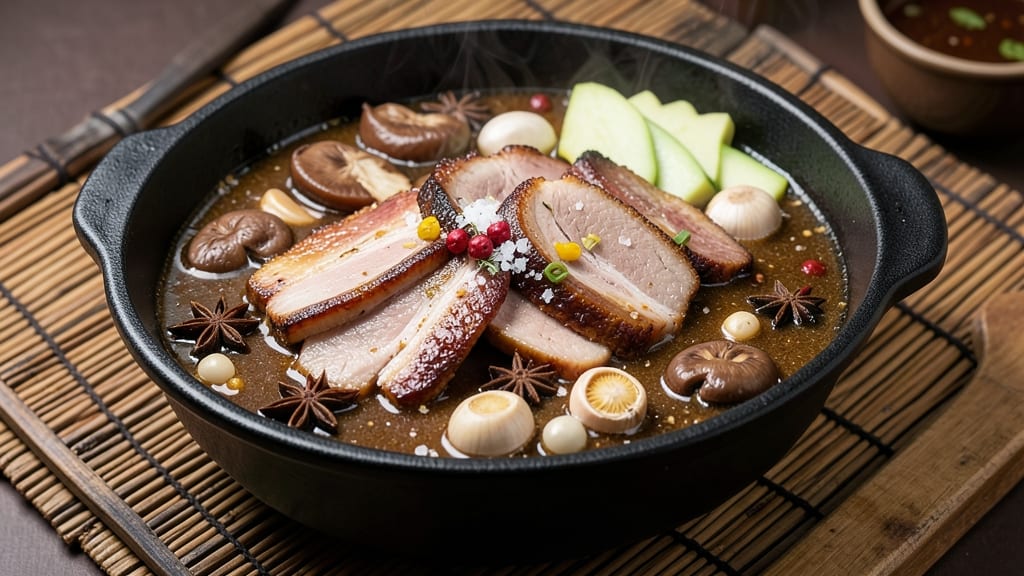
This Chinese pork hot pot recipe transforms a simple pot into a symphony of smoky broth, tender pork, and silky noodles—every bite a perfect balance of heat and comfort. ✨ The secret lies in layering spices like star anise and Sichuan peppercorns, which infuse the broth with deep, aromatic warmth while keeping the pork succulent and flavorful.
Unlike quick stir-fries, hot pot cooks proteins slowly, preserving their natural juices and letting them absorb the essence of the broth.
The foundation is a rich, fragrant broth that simmers for hours, reducing to concentrate its flavors—think ginger’s sharp bite, garlic’s sweetness, and a whisper of chili oil for heat.
Pork slices, marinated in a blend of soy, rice wine, and cornstarch, cook to tender perfection, while vegetables like bok choy and shiitake mushrooms add texture and freshness.
The dish is as much about the communal experience as it is the food: dipping sauces, shared pots, and the sizzle of ingredients hitting the boiling broth.
What makes this recipe stand out is its versatility—whether you’re recreating a Cantonese-style clear broth or a Sichuan-inspired spicy version, the technique remains the same. The result is a dish that’s hearty enough for a winter gathering but simple enough for a weeknight dinner.
Each component—broth, protein, vegetables—works in harmony, turning a humble pot into a centerpiece of flavor and warmth.
Perfect for feeding a crowd or a cozy night in, this hot pot is where tradition meets modern convenience. The key is patience: letting the broth develop its depth and the pork melt into tenderness.
Once you taste the first spoonful of that fragrant broth, you’ll understand why hot pot has become a global favorite. Let’s get cooking!
Ingredients for chinese pork hot pot
Sixteen ingredients. One aromatic pot. The heart of Chinese hot pot starts with these essentials.
| Ingredient | Amount | Notes |
|---|---|---|
| Pork Shoulder 🥩 | 2 lb | Cut into 1-inch slices, boneless |
| Fresh Ginger Root 🧅 | 2 tbsp | Thinly sliced, peeled |
| Garlic Cloves 🧄 | 8 cloves | Minced, fresh preferred |
| Star Anise Pods 🌿 | 2 whole | Lightly crushed |
| Sichuan Peppercorns 🌶️ | 1 tbsp | Lightly toasted |
| Dried Shiitake Mushrooms 🍄 | 6 whole | Rehydrated, stems removed |
| Bok Choy 🥬 | 4 whole | Baby or standard size |
| Fresh Egg Noodles 🍜 | 1 lb | Silky texture preferred |
| Light Soy Sauce 🥄 | ½ cup | For pork marinade |
| Rice Wine 🍶 | ¼ cup | Dry variety preferred |
| Cornstarch 🌾 | 2 tbsp | For pork coating |
| Chili Oil 🔥 | ¼ cup | For finishing |
| Sesame Oil 🫒 | 1 tbsp | For aroma |
| Green Onions 🧅 | 4 whole | Sliced, for garnish |
| Salt 🧂 | 1 ½ tsp | Kosher or sea salt |
The pork shoulder is your star—look for well-marbled cuts at Whole Foods or your local Asian market for the best texture. If you can't find whole star anise or Sichuan peppercorns, Penzeys Spices sells them in bulk. Fresh ginger and garlic are non-negotiable here; the dried versions just won't cut it. For the mushrooms, rehydrate them in hot water for 20 minutes—they'll plump up beautifully. Bok choy should be crisp with vibrant green leaves, not wilted. The noodles? Fresh egg noodles make all the difference over dried—they hold up better to the long simmer.
No Sichuan peppercorns? Substitute with a pinch of cayenne plus black pepper for some heat, though you'll lose that signature numbing spice. Running out of rice wine? Dry sherry works in a pinch, but it'll taste slightly different. The chili oil can be homemade (mix oil with red chili flakes) or store-bought—Lao Gan Ma is a solid choice. For the pork marinade, don't skip the cornstarch—it helps create that perfect silky texture when cooked. If you're making this for a crowd, double the broth ingredients (ginger, garlic, star anise) and simmer longer for deeper flavor.
Broth keeps for 3 days in the fridge or 3 months frozen—make extra! The pork and vegetables are best served fresh from the pot, but you can reheat portions in broth to maintain moisture. Store noodles separately in airtight containers to prevent sogginess. For leftovers, portion the broth and solids separately—this way, you can quickly reheat just what you need. The chili oil and sesame oil should be kept in dark bottles in a cool pantry—they'll stay fresh for up to a year if sealed properly.
Why You'll Love This Recipe
- Pork Cuts the Stress: I swear by this recipe when I’m staring at a half-chopped onion at 7 PM. The pork shoulder does all the heavy lifting—just slice it thin, toss it in the pot with the ginger and garlic, and let the spices work their magic. No fancy techniques, no stress.
- Umami Bomb: That star anise and Sichuan peppercorn combo? Chef’s kiss. The star anise gives this dish this deep, earthy warmth, while the peppercorns add a subtle, tingling heat that lingers. Honestly, it’s the kind of flavor that makes you want to lick the pot clean.
- Leftovers That Shine: Between us, this recipe is my meal-prep secret weapon. The broth gets richer overnight, and reheated pork? Even better—tender, infused with all those aromatics. I’ll often make a double batch; lunch for days, zero guilt.
- Budget Flexibility: Pork shoulder is cheap, and these spices? You’ll use them again. I’ve turned this into a quick weeknight dinner, a potluck showstopper, and even a lazy Sunday brunch (yes, with eggs and rice). One recipe, endless ways to use it.
Step-by-step instructions for Chinese pork hot pot
Here's how to transform simple ingredients into a rich, aromatic hot pot with tender pork and silky noodles.
🔥 Step 1: Marinate and Sear the Pork Shoulder
Cut the 2 lb pork shoulder into 1-inch slices and place them in a bowl. In a small dish, mix together 0.5 cup light soy sauce, 0.25 cup rice wine, 1.5 tsp salt, 2 tbsp cornstarch, and 1 tbsp sesame oil. Pour this marinade over the pork and toss to coat evenly. Let it marinate for at least 30 minutes (or up to 2 hours) in the refrigerator.
Heat a large skillet or wok over medium-high heat and add 1 tbsp sesame oil. Working in batches, add the marinated pork slices and sear for 2-3 minutes per side until golden brown and slightly caramelized. Remove the pork and set aside—this initial searing builds deep flavor and prevents dryness during the long simmer.
🍳 Step 2: Build the Aromatic Spice Base
In the same skillet, add 2 tbsp fresh ginger root (thinly sliced) and 8 cloves garlic (minced). Sauté for 1 minute until fragrant and just beginning to color. Add 1 tbsp toasted Sichuan peppercorns and 2 lightly crushed star anise pods, stirring constantly for 30 seconds—this releases their essential oils and creates the signature hot pot aroma.
Pour in 2 cups water and bring to a simmer. Add the seared pork slices back to the skillet, along with 6 rehydrated dried shiitake mushrooms (stems removed). Partially cover and let it simmer gently for 45 minutes, stirring occasionally, until the pork becomes fork-tender and the liquid reduces by half. The pork should be falling apart slightly at this point—this ensures maximum tenderness when served.
🥘 Step 3: Prepare the Noodles and Vegetables
While the pork simmers, prepare the 1 lb fresh egg noodles by boiling them in salted water according to package instructions until al dente (usually 3-4 minutes). Drain and set aside, tossing with 1 tbsp sesame oil to prevent sticking. For the bok choy, separate the leaves and rinse them thoroughly to remove any dirt from the stems.
In a separate bowl, combine 0.25 cup chili oil with 1 tbsp Sichuan peppercorns (lightly toasted) and let it infuse for 5 minutes. This creates the signature spicy finish that balances the dish. Slice the 4 whole green onions into ½-inch pieces for garnish.
⏰ Step 4: Assemble and Simmer the Hot Pot
Return the pork and its aromatic broth to the skillet and bring to a gentle simmer. Add the 4 whole bok choy (whole or halved if large) and simmer for 5-7 minutes until the greens are bright green and just wilted—they should still have a slight bite. The broth should now have a rich, complex flavor with layers of umami from the pork, heat from the Sichuan peppercorns, and sweetness from the shiitake mushrooms.
Ladle the hot pot broth and pork into individual bowls, then add ½ of the prepared egg noodles to each serving. Top with additional bok choy leaves and drizzle generously with the chili oil mixture. The contrast of silky noodles, tender pork, and crisp-tender bok choy creates the perfect textural harmony in every bite.
Pro Tips For Making Chinese Pork Hot Pot
- BLANCH THE PORK FIRST: I learned this the hard way—skipping the quick blanch in boiling water means your pork shoulder will fight you later. Dump the raw meat in for 30 seconds, then shock it in ice water. This tightens the fibers, keeps it juicy, and cuts cooking time by 20 minutes. Trust me, your future self will notice the difference when slicing.
- TOAST THE SPICES HARD: Star anise and Sichuan peppercorns aren’t just flavor bombs—they’re explosions if you don’t toast them first. Dry-toast them in a pan over medium-high for 30 seconds until fragrant, then crush lightly. This stops them from floating around like bitter ghosts in your broth and makes the aroma hit harder. (Yes, even if you’re impatient like me.)
- SIMMER LOW AND LONG: After the initial boil, drop the heat to the lowest setting you can tolerate. A hot pot that simmers gently for 2+ hours develops depth—skimp on time, and you’ll end up with a weak, one-dimensional broth. Cover it, walk away, and let the pork melt into the liquid. The first hour is the hardest; after that, it’s smooth sailing.
- SLICE GINGER THINLY: Thick ginger chunks? Nope. For this recipe, you want paper-thin slices—almost translucent. Use a mandoline if you’re lazy (I am), but don’t skip this. Thin ginger infuses flavor without overpowering, and it dissolves into the broth instead of sitting like a chewy afterthought. (Pro move: Add a few slices after the pork is cooked for extra brightness.)
Common mistakes when making this dish
Overcrowding the Pot
One of the biggest mistakes is overloading your hot pot with too much pork or vegetables at once. When ingredients are packed tightly, they steam instead of simmering, which dulls the broth's flavor and leaves the pork tough.
I always aim for no more than 2 inches of space between ingredients in the pot. If you're serving a crowd, cook in batches or use a larger pot. 🥘
Skipping the Sear
Many cooks skip searing the pork, thinking it's unnecessary. But that 2-3 minute sear creates a flavorful crust through the Maillard reaction, which prevents the pork from drying out during the long simmer.
Without it, your pork will absorb too much broth and turn mushy. Work in batches if needed—don't rush this step!
Ignoring Broth Reduction
The broth needs time to reduce and concentrate its flavors. If you rush the simmering process (like boiling vigorously), you'll end up with a thin, watery broth instead of a rich, aromatic one.
After adding water, let it simmer uncovered at a gentle bubble for at least 45 minutes. Patience here makes all the difference in depth of flavor. ⏳
Using Wrong Noodles
Fresh egg noodles are a must—they hold up better to long simmering than dried varieties. If you use dried noodles, they'll turn mushy and lose their silky texture.
For extra insurance, boil them just until al dente (about 3 minutes less than package instructions) and finish them in the hot pot. Tossing them with 1 tbsp sesame oil right after boiling also helps preserve their texture.
Neglecting Spice Infusion
Star anise and Sichuan peppercorns need time to infuse their flavors into the broth. If you add them late or don't crush them lightly, you'll miss out on that signature aromatic depth.
Toast the Sichuan peppercorns first in a dry pan for 30 seconds until fragrant, then crush them slightly with a mortar and pestle. This releases their essential oils and ensures every spoonful of broth packs a punch. 🌶️
Overcooking Vegetables
Bok choy and other greens should be just wilted, not mushy. Overcooking them turns them into a sad, limp mess. Add them to the pot only in the last 5-7 minutes of cooking, and remove them as soon as they're bright green and slightly tender.
The same goes for shiitake mushrooms—cook them just until they're tender, not falling apart. Timing is everything here!
Nutrition facts
Frequently asked questions
Can I substitute pork shoulder with another cut?
For a leaner option, use pork tenderloin (cut into ½-inch slices) and reduce the marinating time to 15 minutes to prevent drying. If you prefer richer flavor, try pork belly (score the fat in a crosshatch pattern) and simmer for 30 minutes less—the fat renders beautifully. For offal lovers, pork liver or intestines work in traditional recipes but require thorough cleaning and shorter cooking times.
How do I adjust the spice level for sensitive eaters?
Start by reducing the Sichuan peppercorns to ½ tbsp and omit the extra 1 tbsp in the chili oil. For complete mildness, replace chili oil with toasted sesame oil and add a splash of rice vinegar for brightness. Keep the star anise and ginger—they add aroma without heat. Serve with plain soy sauce on the side for customizable flavor.
What's the best pot for Chinese hot pot?
Use a heavy-bottomed pot (like a Dutch oven) for even heat distribution, or a stainless steel wok for high heat control. For electric hot pots, choose one with adjustable temperature settings—140-160°F is ideal for simmering. Avoid thin aluminum pots—they heat unevenly and can scorch. If using a traditional clay pot, preheat it for 10 minutes to prevent cracking from temperature shock.
Can I make this vegetarian?
Yes! Replace pork with extra-firm tofu (pressed and cubed) or mushroom stems (like king oyster). Use shiitake broth as the base and add kelp or kombu for umami. Keep the star anise and ginger for depth, and serve with bok choy, napa cabbage, and water chestnuts. For protein, add tempeh or seitan—both hold up well in broth.
How do I reheat leftovers without drying them out?
Reheat only the pork and broth separately—never the noodles. Warm the broth to 160°F first, then gently add pork slices and simmer for 5 minutes. For noodles, cook fresh egg noodles and toss them with a little sesame oil and hot broth to revive their texture. Assemble bowls fresh to maintain the silky contrast.