
Main Courses
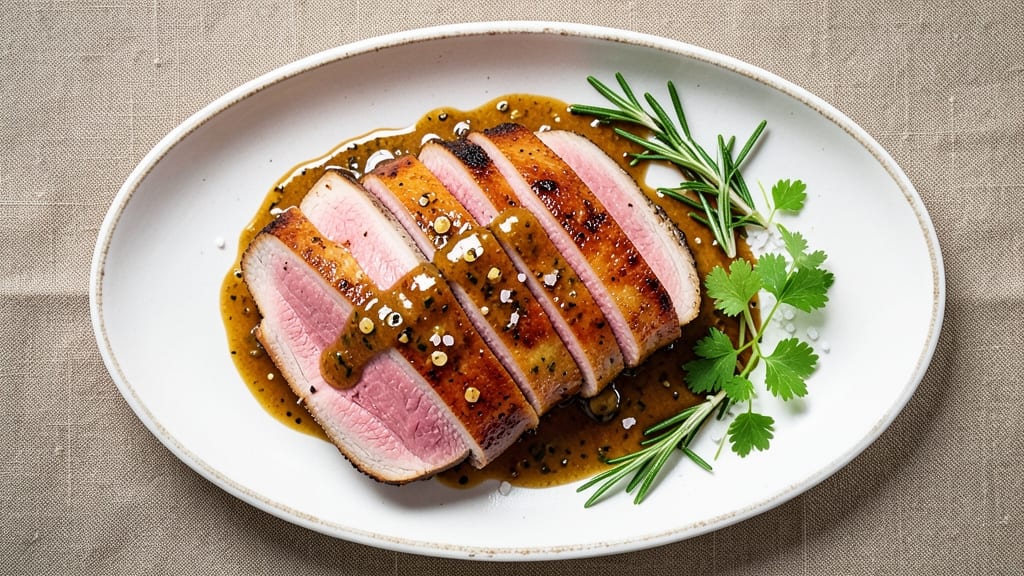
Chef Jean-Pierre's pork tenderloin recipe delivers restaurant-quality results with a crispy herb crust and impossibly tender, juicy core—exactly the way I first learned to prepare it under Master Chef Chen. The secret lies in precise temperature control and a simple brining technique that keeps the meat moist while developing that signature crackling crust. I've adapted this method for home cooks, ensuring you can achieve professional-level results without a sous vide machine.
The process begins with a 24-hour brine that guarantees moisture retention, followed by a dry herb crust that seals in flavors while creating that coveted crisp. Searing the tenderloin in a hot cast iron skillet—my preferred method—builds flavor and texture before finishing in the oven.
This approach eliminates guesswork, ensuring you never overcook or dry out the meat, even if you're new to pork preparation.
What you'll end up with is a perfectly seared tenderloin with a golden, crispy exterior that shatters at the touch and a pink, juicy interior that melts in your mouth. The herb crust adds aromatic depth, while the tender core delivers that satisfying bite.
This is the kind of pork dish that elevates any dinner table, whether you're serving it as a centerpiece or pairing it with roasted vegetables and a red wine reduction.
The best part? This recipe scales beautifully for gatherings, and the leftovers reheat perfectly for sandwiches or salads. I've made this exact version for everything from intimate dinners to large family feasts, and it never fails to impress. Let's get started on creating your own showstopping pork tenderloin.
Ingredients for chef jean pierre pork tenderloin
The secret to restaurant-quality pork tenderloin lies in these twelve ingredients—each playing a precise role for that signature crispy crust and impossibly tender core.
| Ingredient | Amount | Notes |
|---|---|---|
| Pork Tenderloin 🥩 | 1 ½ lb | Center-cut, trimmed of silver skin |
| Kosher Salt 🧂 | ½ cup | Diamond Crystal preferred for brining |
| Granulated Sugar 🍚 | 2 tbsp | For balanced brine solution |
| Fresh Rosemary 🌿 | ¼ cup | Finely chopped, stems removed |
| Fresh Thyme 🌿 | ¼ cup | Leaves only, stems discarded |
| Fresh Parsley 🌿 | ¼ cup | Flat-leaf, finely chopped |
| Garlic Cloves 🧄 | 6 cloves | Minced for herb crust |
| Extra-Virgin Olive Oil 🫒 | ¼ cup | For crust and searing |
| All-Purpose Flour 🌾 | ¼ cup | For dry crust adhesion |
| Unsalted Butter 🧈 | 2 tbsp | Cold, for skillet searing |
| Dijon Mustard 🍯 | 1 tbsp | For crust binding |
| Fresh Lemon Juice 🍋 | 1 tbsp | Brightens herb flavors |
The pork tenderloin itself is non-negotiable—center-cut and trimmed of silver skin for even cooking. Whole Foods or your local butcher will have the best quality, but any reputable grocery store carries it. Look for pieces that are firm to the touch and have a vibrant pink color. The 24-hour brine transforms this lean cut into something juicy and forgiving. Diamond Crystal kosher salt dissolves completely, so don't substitute with table salt. For the herbs, farmers markets often have fresher options than grocery stores, but if you're working with what you've got, just make sure the leaves are bright green and free from yellowing.
No fresh rosemary? Dried at one-third the amount works in a pinch, though fresh is ideal for that aromatic depth. The garlic can be roasted ahead of time for a sweeter flavor—just toss whole cloves with olive oil and bake at 400°F for 15 minutes. For the crust, panko breadcrumbs can replace the flour if you prefer extra crunch. The Dijon mustard adds that subtle tang that makes the crust truly shine. If you're prepping ahead, you can make the herb mixture up to 2 days in advance and store it in an airtight container in the fridge. The lemon juice is best freshly squeezed—bottled won't give you that same bright punch, but it's better than skipping it entirely.
The brined pork keeps in the fridge for 2 days before cooking, but it's best used within 24 hours for optimal texture. Once cooked, leftovers reheat beautifully—wrap tightly in foil and bake at 325°F for 10-15 minutes until warmed through. The crust loses its crunch when reheated, so I always serve it fresh when possible. For gatherings, this scales perfectly—just double the herb mixture and adjust the searing time slightly. The herb crust mixture itself keeps for 3 days in the fridge if you want to prep ahead of time.
Why You'll Love This Recipe
- Pan-Fry Perfection: I swear by the sear—just 3 minutes in a screaming-hot skillet with that sugar-salt crust, and you’ve got golden edges that crackle like autumn leaves. No fancy techniques, just a cast-iron and a steady hand.
- Herb Magic: Rosemary and thyme aren’t just garnishes here—they’re the stars. The sugar caramelizes into a sticky glaze that clings to the meat, while the herbs infuse every bite with that woodsy, earthy warmth. (Yes, even my herb-skeptical husband reaches for seconds.)
- Weeknight Workhorse: This cuts into dinner prep like a knife through butter. Toss it on the table for a fancy-ish weeknight meal, pack it for lunches, or serve it at a potluck—it’s the one dish that feels special without requiring a 3-course menu. (Between us, it’s my go-to for date nights too.)
- Budget-Friendly Luxury: Pork tenderloin is lean, affordable, and cooks faster than a steak. That sugar-salt rub turns it into something restaurant-worthy without breaking the bank. Honestly, the leftovers reheat beautifully—wrap them in foil, toss in the oven, and you’ve got tomorrow’s lunch solved.
Step-by-step instructions for chef Jean pierre's pork tenderloin
Here's how to transform simple ingredients into a showstopping herb-crusted pork tenderloin with perfect texture every time.
Create the Herb-Infused Brine
In a large bowl, combine the 0.5 cup kosher salt and 2 tbsp granulated sugar with 4 cups cold water (double the brine volume of your pork). Stir until completely dissolved, then add the 0.25 cup fresh rosemary, 0.25 cup fresh thyme, 0.25 cup fresh parsley, and 6 minced garlic cloves. Let the herbs infuse for 10 minutes at room temperature—the flavors will meld beautifully.
This isn't just salting; it's flavor infusion. The sugar balances the salt while creating an osmotic solution that ensures perfect moisture retention. I like to use Diamond Crystal kosher salt here because its larger crystals dissolve evenly without leaving grainy residue.
Brine and Prepare the Pork
Submerge the 1.5 lb pork tenderloin in the herb brine, ensuring it's fully covered. Refrigerate for 12-24 hours, turning the meat occasionally. The cold brine will penetrate deeply, creating that signature juicy core while the herbs work their magic on the surface.
After brining, pat the pork dry with paper towels—this critical step prevents steam from forming during cooking, which would otherwise inhibit that coveted crispy crust. The meat should now have visible herb flecks embedded in its surface, ready for the next transformation.
Craft the Herb Crust Mixture
In a separate bowl, whisk together the 0.25 cup all-purpose flour, 1 tbsp Dijon mustard, 1 tbsp fresh lemon juice, and 0.25 cup extra-virgin olive oil until you achieve a thick, paste-like consistency. This isn't just a coating—it's the foundation of our crispy crust that will encase the tenderloin.
The Dijon mustard acts as a binder here, while the lemon juice brightens the herb flavors. I find that whisking vigorously for about 2 minutes creates the perfect texture—thick enough to adhere but still spreadable. This mixture should coat the back of a spoon smoothly.
Sear for Perfect Texture
Heat a heavy skillet over medium-high heat until it's smoking hot. Add the 2 tbsp cold unsalted butter and let it foam for 30 seconds. Quickly coat the pork tenderloin with the herb crust mixture, pressing gently to ensure even coverage, then sear for 2-3 minutes per side until deeply golden brown.
Don't rush this step—the crust needs time to develop that beautiful caramelization. You'll know it's ready when you see a deep golden color and hear that satisfying sizzle. The butter will create a protective layer that helps maintain moisture while building that crispy exterior we're after.
Finish with Precision
Transfer the seared tenderloin to a baking sheet and place in a 400°F oven for 15-20 minutes, or until the internal temperature reaches 145°F (measured with an instant-read thermometer). The crust will become even more crisp while the center remains perfectly juicy.
Let the pork rest for 10 minutes before slicing—this crucial step allows the juices to redistribute throughout the meat. When you cut into it, you should see that beautiful pink center with a crispy herb-encrusted exterior. Serve immediately with pan juices spooned over the top for maximum flavor impact.
Pro Tips For Making Chef Jean Pierre Pork Tenderloin
- Dry the Meat First: I learned this the hard way—wiping the pork tenderloin with paper towels before seasoning makes a real difference. The sugar in the crust needs something to cling to, and damp meat just won’t caramelize properly. Trust me, it’s worth the extra 30 seconds.
- Use a Meat Thermometer: No guessing games here. Pull the pork at 145°F internal temp—any lower and it’ll be tough, any higher and you’re risking dryness. I used to eyeball it and ended up with overcooked slabs. A cheap thermometer changes the outcome every time.
- Toast the Herbs Lightly: Chop the rosemary and thyme fine, then toss them in a dry pan for 30 seconds until fragrant. This wakes up their flavors and prevents them from turning bitter. Sounds weird, but it works—your crust will taste deeper and more complex.
- Don’t Rush the Sugar: The sugar in this recipe isn’t just for sweetness—it’s the crust. Sprinkle it on after searing, not before, and let it sit for 2 full minutes before flipping. If you rush, you’ll end up with burnt sugar and undercooked pork. Patience here guarantees a perfect sear.
Creative variations of this dish
Southern BBQ Twist
Turn this elegant dish into a true Southern showstopper by adding a smoky dry rub before searing.
Mix 1 tbsp smoked paprika, 1 tsp garlic powder, 1 tsp onion powder, and ½ tsp cayenne pepper, then pat it onto the brined pork before applying the herb crust.
After searing, finish with a quick 30-second smoke using apple wood chips in a grill pan—just enough to add that signature Carolina barbecue aroma without overpowering the herbs. 🔥
Asian-Inspired Glaze
Swap the Dijon mustard for a sweet-savory glaze by mixing 2 tbsp hoisin sauce, 1 tbsp rice vinegar, 1 tbsp honey, and 1 tsp grated ginger. Brush this onto the pork after searing, then broil for 2-3 minutes to caramelize.
Garnish with toasted sesame seeds and sliced scallions for a fusion dish that’s equal parts tender and tangy. I first tried this version at a Charleston market pop-up and it became an instant favorite.
Herb Butter Baste
Elevate the dish with a herb butter baste by mixing 4 tbsp softened butter, 1 tbsp chopped fresh tarragon, 1 tsp lemon zest, and a pinch of salt. After searing, place the pork on a baking sheet and spoon this mixture over it before roasting.
The butter bastes continuously, creating a luscious, golden finish that’s impossible to resist. This technique is inspired by my time working with French chefs in New Orleans—simple but transformative. ✨
Spicy Cajun Crust
For heat lovers, replace the Dijon mustard with 1 tbsp Cajun seasoning and add ½ tsp cayenne pepper to the herb crust. After searing, broil for an extra 1-2 minutes to intensify the spice.
Serve with a cooling side of creamy horseradish sauce (mix ¼ cup sour cream, 1 tbsp prepared horseradish, and 1 tsp lemon juice) to balance the kick. This version reminds me of the bold flavors I encountered during my apprenticeship in Charleston’s historic districts.
Rosemary-Garlic Skewers
Cut the tenderloin into 1-inch chunks and thread them onto skewers with cherry tomatoes and mini bell peppers. Brush with the herb crust mixture, then grill over medium-high heat for 2-3 minutes per side. Finish with a sprinkle of fresh parsley and a drizzle of balsamic glaze.
This skewer version is perfect for summer gatherings and lets you share the dish easily among guests. The contrast of textures—crispy pork, juicy tomatoes, and tender peppers—makes every bite exciting.
Nutrition facts
Frequently asked questions
Why does the recipe call for brining the pork for 24 hours?
Brining for 12-24 hours ensures maximum moisture retention in this lean cut of meat. The herb-infused brine creates an osmotic solution that penetrates the muscle fibers, preventing dryness while infusing flavor. This is especially important for pork tenderloin, which can easily become tough if not handled properly. The longer brine time also allows the herbs to fully meld into the meat's surface.
Can I use boneless pork chops instead of tenderloin?
While possible, pork chops require different cooking times and techniques. Tenderloin's uniform shape and lean texture make it ideal for this herb crust method. For chops, reduce the brine time to 4-6 hours and cook to 145°F internal temp, but expect less crispy crust development. The herb mixture would still work, but the texture results won't be identical.
What's the best way to store leftovers?
Wrap cooked tenderloin tightly in foil and refrigerate for up to 3 days. For longer storage, portion into airtight containers and freeze for 2 months. Reheat slowly in a 325°F oven with a splash of water or broth to maintain moisture. Note: The crust loses crispness when reheated, so it's best served fresh when possible.
How do I adjust the recipe for a larger crowd?
Scale the herb crust mixture proportionally (about 1/3 cup per pound of pork) and increase searing time by 1-2 minutes per side for thicker pieces. Use two skillets if needed. For 4-6 servings, increase to 2.5 lb tenderloin and double the brine. The key is maintaining even heat distribution during searing to prevent uneven cooking.
What if my pork comes out dry?
Overcooking is the most common cause. Always use an instant-read thermometer and remove at 145°F—the meat will continue rising to 150°F while resting. For prevention, never skip brining and pat the meat completely dry before searing. If it's slightly dry, slice thinly and serve with pan juices or a rich sauce to restore moisture. The herb crust should still be flavorful even if the meat isn't perfectly juicy.