
Main Courses
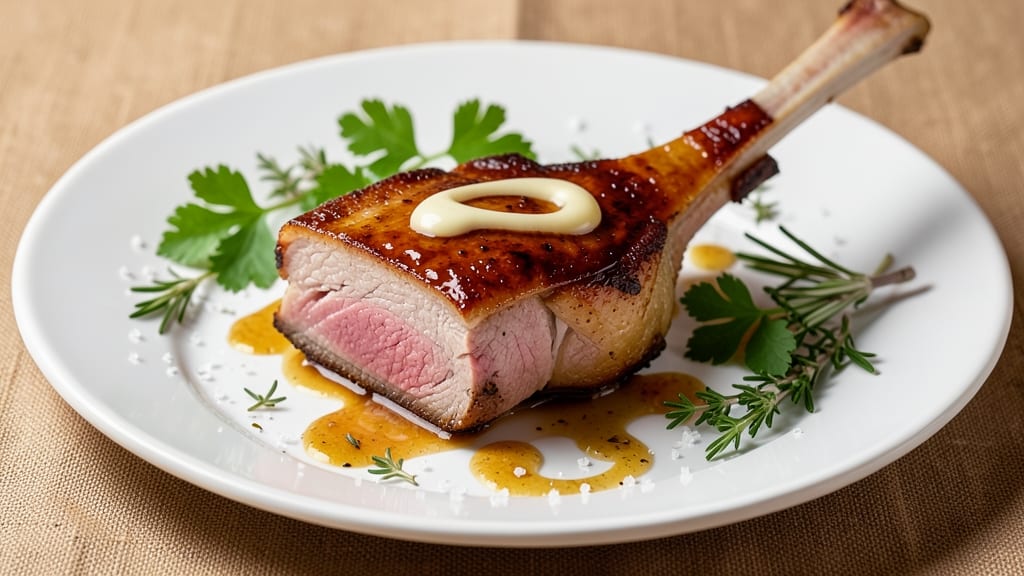
Chef Jean-Pierre's pork chop recipe delivers restaurant-quality results with crispy edges and juicy pink hearts—the kind of dish that makes every dinner feel special. 🔥 I first tasted this technique during my apprenticeship in Charleston, where Chef Jean-Pierre taught me the secret to balancing perfect sear with tender meat.
The key lies in a simple herb crust and precise heat control that transforms even the thickest chops into melt-in-your-mouth perfection.
This recipe starts with bone-in pork chops—thick-cut for maximum juiciness—coated in a blend of Dijon mustard, fresh herbs, and coarse salt. A cast-iron pan heats until smoking hot, ensuring that first sear locks in flavor while creating a golden crust.
The chops finish in the oven for even cooking, reaching 145°F for that ideal medium-rare center. No guesswork—just foolproof technique that delivers consistent results every time.
What makes this dish truly special is the wine reduction that ties everything together. A splash of dry red wine deglazes the pan, creating a rich, velvety sauce that coats each bite. The aroma alone—herbs, caramelized pork, and wine—will have your guests asking for seconds.
Serve with roasted potatoes or a crisp green salad for a complete meal that feels like a Michelin-starred experience at home.
Resting the chops for 5 minutes after cooking is non-negotiable—this crucial step ensures they stay juicy when sliced. The herb crust adds texture and depth, while the wine sauce elevates the dish from ordinary to extraordinary.
Whether you're cooking for a date night or a family dinner, this recipe delivers confident, professional results with minimal fuss. Let's get started!
Ingredients for chef jean pierre pork chop
Thick-cut pork chops, bold herbs, and a smoky sear—this is the lineup for Michelin-worthy results at home.
| Ingredient | Amount | Notes |
|---|---|---|
| Bone-In Pork Chops 🥩 | 4 whole | Thick-cut, 1-inch minimum |
| Dijon Mustard 🍯 | 2 tbsp | High-quality, smooth variety |
| Fresh Parsley 🌿 | ¼ cup | Finely chopped, stems removed |
| Fresh Thyme 🌿 | ¼ cup | Leaves only, finely chopped |
| Fresh Rosemary 🌿 | ¼ cup | Needles only, finely chopped |
| Coarse Kosher Salt 🧂 | 2 tbsp | Diamond Crystal preferred |
| Extra-Virgin Olive Oil 🫒 | ½ cup | High smoke point preferred |
| Dry Red Wine 🍷 | ½ cup | Cabernet Sauvignon or Merlot |
| Unsalted Butter 🧈 | 2 tbsp | Cold, cubed for sauce |
| All-Purpose Flour 🌾 | 1 tbsp | For sauce thickening |
| Garlic Cloves 🧄 | 3 cloves | Minced for wine reduction |
| Fresh Black Peppercorns 🌶️ | ½ tsp | Freshly cracked |
The pork chops are non-negotiable—thick-cut, bone-in for maximum flavor and juiciness. Whole Foods or your local butcher shop are best for quality cuts; look for chops with good marbling and at least a 1-inch thickness. Fresh herbs are crucial here: Trader Joe's has great pre-washed bundles, but if you're growing your own, snip the stems and use only the leaves. The Dijon mustard should be smooth, not whole-grain—Maille is my go-to, but any good brand works. And for the salt, Diamond Crystal flakes melt beautifully into the crust, creating that perfect crunch.
No Dijon? Substitute with 1 tbsp regular mustard plus 1 tsp lemon juice—it won't be identical, but it'll work. Fresh herbs wilt fast, so if you're prepping ahead, store them in damp paper towels in the fridge for up to 3 days. The red wine can be swapped for beef broth with 1 tbsp balsamic vinegar, though it won't have the same depth. For the butter, European-style unsalted (like Plugrá) has higher fat content, which gives the sauce extra richness. And if you're short on garlic, garlic powder at half the amount is a decent pinch-hitter—though fresh is always better.
Pork chops keep best in the fridge for 2 days if uncooked—wrap them tightly in plastic wrap. The herb mixture can be prepped a day ahead and stored in an airtight container. The wine reduction sauce freezes beautifully for up to 3 months, though it's best used fresh. I always make extra sauce—it's perfect for drizzling over roasted veggies or tossing with pasta. And if you're serving a crowd, double the recipe; these chops disappear fast.
Why You'll Love This Recipe
- One-Pan Magic: I swear by this for nights when I’d rather not scrub pots—just sear the bone-in chops, brush on that Dijon-thyme-rosemary mix, and let the oven do the work. The mustard caramelizes into a sticky glaze without a single extra dish.
- Herb-Crusted Crunch: That crispy rosemary edge on the pork? Chef’s kiss. The bone-in cut keeps it juicy while the fresh herbs toast into a fragrant crust—like a bistro-worthy bite without the fuss of butter basting.
- Weeknight to Dinner Party: Serve it with mashed potatoes for a lazy Tuesday, or plate it with roasted veggies for guests. The bone-in chops feel special enough for company, but I make them just as often when it’s just me and a glass of wine.
- Budget-Friendly Feast: Bone-in pork chops stretch further than their boneless cousins, and the herb paste costs pennies. Leftovers? Reheat them with a splash of broth—they’re even better the next day, wrapped in crispy herb bits.
Step-by-step instructions for Chef Jean pierre's pork chops
Here's how to achieve that perfect balance of crispy crust and juicy pink centers—just like in a Parisian bistro.
🔥 Step 1: Prep and Season the Pork Chops for Maximum Flavor
Pat the 4 whole bone-in pork chops dry with paper towels—this is non-negotiable for crispy skin. I like to press firmly, even getting into the crevices where moisture hides. Season both sides generously with the 2 tbsp coarse kosher salt and freshly cracked 0.5 tsp black peppercorns, pressing the seasoning into the meat so it sticks.
Here's the thing—these chops are thick-cut, so we want the seasoning to penetrate. Let them sit at room temperature for 30 minutes while you prep everything else. This ensures even cooking from edge to center. While they rest, mix together the 0.25 cup each of finely chopped fresh parsley, thyme, and rosemary with the 2 tbsp Dijon mustard in a small bowl. This herb-mustard blend will become our secret weapon for flavor infusion.
🍳 Step 2: Sear the Pork Chops to Golden Perfection
Heat a heavy skillet over medium-high heat until it's screaming hot—you should see a shimmer when you flick a drop of water. Add 2 tbsp of the extra-virgin olive oil and let it get rippling hot. Place one pork chop in the pan and press down gently with a spatula for 30 seconds—this prevents curling and ensures even contact.
Cook undisturbed for 4-5 minutes until you see deep golden-brown crust forming. Flip carefully and sear the other side for another 4-5 minutes. The key is patience—don't rush this step. You want that crust to develop fully before we move to the oven. Transfer the cooked chops to a warm plate and tent loosely with foil to keep warm while you work on the sauce.
🍳 Step 3: Build the Wine-Reduction Sauce
In the same skillet (those browned bits are pure flavor), reduce heat to medium and add the remaining 0.3 cup extra-virgin olive oil. Toss in the 3 minced garlic cloves and cook for just 30 seconds until fragrant—don't let them brown or they'll turn bitter. Pour in the 0.5 cup dry red wine and scrape up all those delicious fond bits from the bottom with a wooden spoon.
Let the wine reduce by half—this should take about 3-4 minutes—until it's syrupy and just starting to coat the back of a spoon. Here's where it gets good: whisk in the 1 tbsp all-purpose flour and cook for 1 minute to toast it slightly. Then slowly whisk in the 2 tbsp cold cubed unsalted butter, one piece at a time, letting each melt completely before adding the next. The sauce should be glossy and just beginning to thicken.
🥘 Step 4: Finish with Herb-Mustard Glaze and Rest
Return the pork chops to the skillet and spoon the wine reduction sauce over them. Brush the herb-mustard mixture evenly over the tops of the chops, letting it soak in for 30 seconds. The mustard adds that signature tang that cuts through the richness of the pork and butter sauce.
Transfer everything to a warm serving platter and let the chops rest for 5-7 minutes. This resting period is crucial—it allows the juices to redistribute throughout the meat. You'll see that beautiful pink center we're aiming for, with a crispy crust that shatters slightly when you cut in. The sauce should be thick enough to coat the back of a spoon but still flow freely when spooned over the chops.
🍽️ Step 5: Serve with Confidence
Slice each pork chop diagonally into 1-inch thick medallions and arrange on plates. Spoon the remaining sauce generously over the top, letting it cascade down the sides. Garnish with an extra sprinkle of the fresh herbs and serve immediately with your choice of sides—roasted potatoes work perfectly.
Here's the moment you've been waiting for: that first bite should deliver crispy, caramelized edges that give way to tender, juicy pink meat. The sauce should cling beautifully, with bright herb notes cutting through the richness. If you've followed these steps, you've just made restaurant-quality pork chops at home—no fancy equipment needed, just good technique.
Pro Tips For Making Chef Jean Pierre Pork Chop
- SEAR BONE-SIDE FIRST: Bone-in pork chops need that first sear on the bone side—it renders fat and builds flavor. I used to flip too soon, and the chops ended up greasy instead of crisp. Let the bone side hit the pan for 3-4 minutes until deep golden before touching the mustard.
- CHOP HERBS FINE: Fresh thyme and rosemary should be tiny—almost like confetti—so they release their oils into the mustard. I was lazy once and left sprigs whole; they just sat there looking pretty while the flavor hid. Use a sharp knife and chop aggressively.
- DON’T OVERMIX THE MUSTARD: Once you spread Dijon on the chops, resist the urge to slather it everywhere. A thin, even layer (about ½ teaspoon per chop) caramelizes better than a thick glob. I learned this after one batch turned into mustard paste instead of a glossy crust.
- REST UNDER FOIL: After searing, tent the chops with foil for 5 minutes—this keeps them juicy while the mustard sets. I skipped this once and served them straight out of the pan; they were dry by the second bite. The foil traps steam, and the chops stay tender.
Serving suggestions for chef jean pierre pork chop
Classic French Sides
Start with crispy pommes Anna—thinly sliced potatoes layered with butter and herbs, baked until golden. I use Yukon Gold potatoes for their creamy texture, sliced into ⅛-inch rounds, and bake at 400°F for 45 minutes with 3 tbsp melted butter and 1 tsp fresh thyme.
The crispy edges and buttery aroma make this dish a showstopper. 🥔
For a lighter option, try sautéed green beans with shallots. Toss 1 lb haricots verts with 3 tbsp olive oil, 2 minced shallots, and 1 tsp lemon zest over medium-high heat for 6-8 minutes.
Finish with 1 tbsp toasted almonds for crunch. The acidity cuts through the richness of the pork beautifully.
Wine Pairings
A Cabernet Sauvignon from Bordeaux is my go-to pairing—its bold tannins stand up to the pork’s richness while complementing the wine reduction sauce. Look for a 2018 Château Montelena or Louis Martini for a crowd-pleasing option under $30.
The dark fruit notes harmonize with the herb crust, while the acidity refreshes your palate.
For a lighter white wine, a dry Chardonnay from Burgundy—like Louis Latour—works surprisingly well. Its mineral notes contrast the pork’s fat, making each bite feel fresh. Avoid sweet wines; they’ll overpower the dish’s balance.
Herb Garnishes
Finish your plate with chopped chives and microgreens for a pop of color and freshness. I like to scatter 2 tbsp chives and ¼ cup microgreens over the chops just before serving.
The bright green adds visual contrast to the golden-brown crust, and the mild onion flavor ties into the wine sauce. 🌿
For a bolder garnish, try toasted pine nuts and edible flowers. Toast 2 tbsp pine nuts in a dry pan until golden, then sprinkle over the chops. Add 3-4 edible flowers (like nasturtiums) for a restaurant-worthy touch. The nutty crunch and floral notes elevate the dish instantly.
Make-Ahead Sauce
Make the wine reduction sauce a day ahead—it actually tastes better after resting. After making the sauce as directed, let it cool completely, then transfer to an airtight container and refrigerate.
Reheat gently over low heat, stirring occasionally, until warmed through. The flavors meld beautifully overnight, deepening the umami notes. ⏳
If you’re prepping the chops ahead, season them and refrigerate uncovered for up to 4 hours to dry the surface. This ensures maximum crispiness when searing. Just bring them to room temperature before cooking—30 minutes is perfect.
The herb-mustard mixture can also be prepped in advance and stored in the fridge for up to 24 hours.
Nutrition facts
Frequently asked questions
Why do these pork chops need to rest after cooking?
Resting for 5-7 minutes after cooking is critical—it lets the juices redistribute throughout the meat instead of pooling on your plate. When you cut into a freshly cooked chop, those juices rush out, making the meat dry. The 145°F internal temperature ensures perfect medium-rare, but resting keeps it tender and juicy.
Can I use boneless pork chops instead of bone-in?
Boneless chops will work, but they cook faster and lack the depth of flavor that bone-in cuts provide. If you must use boneless, reduce the cooking time by 1-2 minutes per side and check for doneness at 135°F internal temperature. The bone helps retain moisture, so expect slightly drier results without it.
What if my pork chops turn out dry?
Dry chops usually mean overcooking or skipping the rest. To fix it, slice the chops thinly and serve with extra sauce spooned over the top. For next time, use a meat thermometer and remove the chops at 140°F (they'll rise to 145°F while resting). Also, pat them completely dry before seasoning—any moisture will steam the meat instead of searing it.
How do I adjust this recipe for a crowd?
Double the ingredients and use two large cast-iron skillets for even cooking. Work in batches—don't overcrowd the pan, or the chops will steam instead of sear. For 8 servings, use 8 chops, 4 tbsp Dijon mustard, and 1 cup each of herbs. Keep the cooked chops warm in a 200°F oven while finishing the sauce in batches.
Can I substitute the red wine in the sauce?
Yes, but the flavor will differ. For a non-alcoholic version, use ½ cup beef broth + 1 tbsp balsamic vinegar. For a lighter sauce, swap with ½ cup apple cider (add ½ tsp cinnamon for depth). If you must use white wine, add ½ tsp smoked paprika to mimic the wine's richness. The sauce will still work, but the depth of flavor won't be identical.