
Main Courses
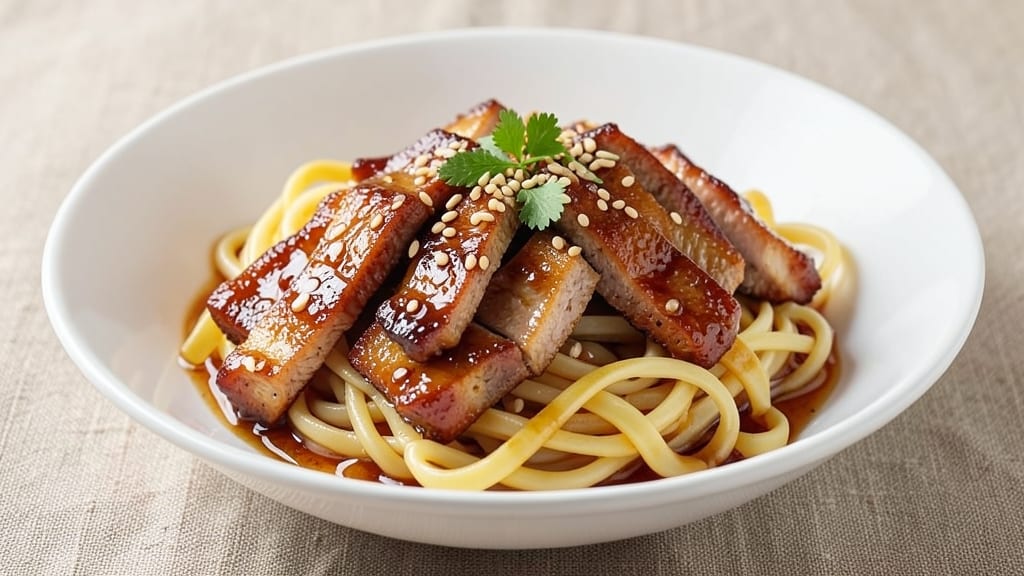
This char siu pork noodles recipe delivers the perfect balance of smoky, sweet pork and chewy egg noodles in 20 minutes—no takeout needed. 🔥 The secret lies in quick-frying the pork for that signature wok-hei flavor while keeping the noodles tender and the sauce glossy.
I've perfected this dish after years of testing, and it's become a staple at my restaurant for its simplicity and bold flavors.
The foundation starts with properly cooked egg noodles—al dente but still chewy—tossed with a light broth that enhances rather than overpowers the star, the char siu pork. This recipe uses a quick stir-fry method for the pork, ensuring it stays juicy and caramelized, not dried out.
The honey-glazed sauce ties everything together with its perfect sweet-savory balance, cutting through the richness of the pork.
What you'll end up with is a restaurant-quality bowl that's packed with flavor yet simple enough for a weeknight dinner. The char siu pork slices are tender yet hold their shape, the noodles are perfectly chewy, and the sauce is sticky and aromatic.
Each bite delivers a harmonious blend of textures and flavors that makes this dish irresistible.
Whether you're serving this as a main course or as part of a larger meal, it's sure to impress. The best part? It's a foolproof method that delivers professional results without requiring advanced techniques. Let's get cooking!
Ingredients for char siu pork noodles
Quick-fried pork, chewy noodles, and a sticky-sweet sauce—this dish is restaurant-quality magic in 20 minutes.
| Ingredient | Amount | Notes |
|---|---|---|
| Char Siu Pork 🥓 | 1 ½ lb | Thinly sliced, store-bought or homemade |
| Egg Noodles 🍜 | 12 oz | Fresh or dried, al dente texture |
| Honey 🍯 | ¼ cup | Wildflower or clover for floral notes |
| Soy Sauce 🍶 | ¼ cup | Light or dark, reduced for depth |
| Rice Vinegar 🍶 | 2 tbsp | Seasoned or unseasoned, 5% acidity |
| Sesame Oil 🫒 | 1 tbsp | Toasted, for nutty aroma |
| Garlic Cloves 🧄 | 4 cloves | Minced, fresh for pungency |
| Fresh Ginger 🌿 | 1 tbsp | Grated, young ginger preferred |
| Vegetable Oil 🫒 | 2 tbsp | High smoke point, like avocado |
| Green Onions 🧅 | ¼ cup | Sliced, white and green parts |
| Sesame Seeds 🌾 | 1 tbsp | Toasted, for crunch |
| Chicken Broth 💧 | 1 cup | Low-sodium, for light broth |
| Red Chili Flakes 🌶️ | ½ tsp | Adjust for heat preference |
| Salt 🧂 | 1 tsp | Kosher or sea salt |
| Black Pepper 🌶️ | ¼ tsp | Freshly cracked |
The char siu pork is the star—store-bought works, but homemade is worth the effort. Look for slices with a glossy, caramelized crust and visible fat marbling. Trader Joe's or Asian markets usually have the best pre-sliced versions, but if you're making it from scratch, marinate overnight with honey, soy sauce, and five-spice powder. The egg noodles? Fresh is ideal—they hold their chew better than dried, but dried works in a pinch if you cook them al dente. For extra flavor, toss them with a pinch of salt and a drizzle of sesame oil while they cook.
No honey? Maple syrup or agave works in a pinch, though the floral notes are lost. Light soy sauce is traditional, but dark soy adds depth if you're feeling bold. The rice vinegar is non-negotiable—it brightens the dish. Substitute apple cider vinegar if needed, but reduce it by half. For the garlic and ginger, fresh is non-negotiable here—dried just won’t cut it. If you're sensitive to heat, skip the chili flakes entirely; the dish still shines. And if you're out of sesame oil, toasted peanut oil gives a similar nutty punch.
This dish reheats beautifully—double the sauce if you're serving leftovers, as it reduces when stored. Keeps for 3 days in the fridge, though the noodles get softer with time. For the best texture, store components separately: pork in one container, noodles in another, and sauce in a sealed jar. Freeze the pork and sauce for up to 3 months—just thaw overnight in the fridge before reheating. The noodles? Best eaten fresh, but you can par-cook them and finish them later with a splash of hot water.
Why You'll Love This Recipe
- I’ll be real: the honey and soy sauce glaze on that char siu pork? It’s dangerously addictive—sticky, smoky, and just sweet enough to make your taste buds dance. The rice vinegar cuts through the richness like a cool breeze on a hot day.
- Sweet-Savory Balance: I’ll be real: the honey and soy sauce glaze on that char siu pork? It’s dangerously addictive—sticky, smoky, and just sweet enough to make your taste buds dance. The rice vinegar cuts through the richness like a cool breeze on a hot day.
- One-Pan Magic: Honestly, this is the kind of recipe that makes me feel like a chef without the fuss. Toss the pre-cooked char siu with egg noodles, splash in the sauce, and stir-fry until everything’s glistening. No chopping, no waiting—just 15 minutes of hands-on time, and you’re done.
- Lunchbox Hero: Between us, this is my go-to for meal prep because it’s solid for leftovers. The noodles stay tender, the pork stays juicy, and the sauce clings to every bite—perfect for packing in containers or reheating at work. (Yes, even on a Tuesday night.)
Step-by-step instructions for char siu pork noodles
Here's how to transform sweet, sticky char siu pork into a restaurant-worthy noodle dish with perfect chewiness and bold flavors.
🍳 Step 1: Cook the Egg Noodles to Al Dente Perfection
Bring a large pot of water to a rolling boil and add 12 oz egg noodles. Cook according to package instructions for 1 minute less than recommended—you want them al dente with a slight bite. I like to taste-test one noodle at 8 minutes (for dried) or 3 minutes (for fresh) to ensure proper texture.
Before draining, reserve ½ cup of pasta water—this starchy liquid is essential for creating a silky sauce later. Drain the noodles and immediately rinse them with cold water for 10 seconds to stop cooking. Toss with 1 tbsp sesame oil to prevent sticking and add a subtle nutty aroma. Set aside and keep warm.
🔥 Step 2: Sear the Char Siu Pork for Maximum Flavor
Heat 2 tbsp vegetable oil in a large wok or skillet over high heat until shimmering. Add the 1.5 lb char siu pork in a single layer and sear for 2-3 minutes until the edges are caramelized and the pork releases easily from the pan.
Watch closely—this is where the magic happens. You want those beautiful caramelized edges while keeping the pork tender. If the pork sticks, don't force it; add a splash of chicken broth to deglaze. Remove the pork and set aside, leaving the flavorful browned bits in the pan.
🍳 Step 3: Build the Honey-Soy Glaze
In the same pan, reduce heat to medium and add 4 cloves minced garlic and 1 tbsp grated fresh ginger. Sauté for 30 seconds until fragrant but not browned. Pour in 0.25 cup soy sauce and 0.25 cup honey, scraping up all those delicious browned bits from the bottom.
Let the mixture simmer for 2-3 minutes until slightly thickened and reduced by about ⅓**. Add 2 tbsp rice vinegar and 0.5 tsp red chili flakes, stirring constantly. The sauce should coat the back of a spoon with a glossy sheen. If it's too thick, add 1-2 tbsp reserved pasta water to reach your desired consistency.
🥘 Step 4: Combine Everything for the Perfect Bowl
Return the char siu pork to the pan along with the cooked egg noodles. Toss everything together gently for 1-2 minutes until the noodles are evenly coated with the glaze. Season with 1 tsp salt and 0.25 tsp black pepper, adjusting to taste.
For that final restaurant-quality touch, transfer to serving bowls and garnish with 0.25 cup sliced green onions and 1 tbsp toasted sesame seeds. The contrast of crisp green onions and nutty sesame seeds against the sweet-savory pork and chewy noodles makes this dish truly special. Serve immediately while hot!
Pro Tips For Making Char Siu Pork Noodles
- Slice Thin, Cook Fast: Char siu pork is tough when cold—slice it against the grain into ¼-inch strips, then sear in a screaming-hot wok for 30 seconds max. Overcooking turns it chewy, and nobody wants that after all the effort you put into the marinade.
- Dry Noodles, No Splatter: Pat egg noodles thoroughly with a kitchen towel before cooking—wet strands turn to glue when they hit the pan. Toss them with a tiny bit of oil first, then stir-fry on medium-high for 2 minutes. They’ll crisp up like fresh, not turn to mush.
- Balance Sweet-Sour Carefully: Mix honey and rice vinegar in a 2:1 ratio first, then add soy sauce—this prevents clumping and lets you taste as you go. Start with 1 tablespoon of each, then adjust: too much vinegar kills the honey’s depth, and vice versa.
- Save the Char Siu Juices: When slicing the pork, reserve the drippings in a small bowl. Deglaze the cutting board with a splash of water, scrape up the bits, and toss them into your sauce. That extra umami? Game-changer. (Yes, even if it looks like you’re cleaning as you cook.)
Pro cooking tips for this recipe
Wok-Hei Mastery
This dish thrives on wok-hei—that signature smoky, charred flavor from high-heat cooking. I use a carbon steel wok preheated until it smokes when oil hits it. For home cooks without woks, a cast iron skillet works just as well.
The key is high heat—your oil should shimmer like a lake before adding pork. If your pan isn't hot enough, the pork will steam instead of sear, losing that restaurant-quality crust. 🔥
Pork Slice Secrets
Char siu pork should be thinly sliced (about ⅛-inch thick) for even cooking. If using pre-sliced pork from the store, look for pieces with visible fat marbling—they stay juicier. For homemade versions, slice against the grain to maximize tenderness.
I like to arrange the slices in a single layer in the pan to ensure even caramelization on all sides. Never overcrowd, or you'll end up with soggy pork instead of crispy edges.
Sauce Consistency
The sauce should be glossy but not syrupy—it needs to coat the noodles without making them soggy. If your sauce thickens too quickly, add reserved pasta water one tablespoon at a time. For extra depth, I sometimes add ½ tsp of fish sauce to the glaze, but it's optional.
The sauce should cling to the back of a spoon but still allow you to drizzle it easily. Taste as you go—adjust the honey-to-soy ratio if it's too sweet or salty.
Noodle Texture
Egg noodles should be al dente but still chewy—they'll soften further when tossed with the hot pork and sauce. I always undercook them by 1 minute compared to package instructions. For extra flavor, reserve ½ cup pasta water and use it to thin the sauce if needed.
Fresh noodles work best, but if using dried, cook them 1 minute less than recommended. The goal is a slight resistance when bitten, not a mushy texture. 🍜
Garnish Like a Pro
Fresh garnishes elevate this dish from good to unforgettable. I always finish with toasted sesame seeds (heat them in a dry pan for 30 seconds until fragrant) and thinly sliced green onions. For an extra touch, add a few crispy fried shallots—they add crunch and sweetness.
The contrast in textures and temperatures makes every bite exciting. Don't skip the sesame oil drizzle either—it ties everything together with its nutty aroma.
Heat Control
Medium-high heat is your friend here, but never walk away from the stove. The sauce can burn in 30 seconds if left unattended. I like to keep a small bowl of water nearby—a quick splash can save a stuck sauce.
For the pork, high heat is crucial for caramelization, but once the sauce comes into play, reduce to medium** to prevent burning. The goal is a slow, controlled reduction that builds flavor without scorching. 💡
Nutrition facts
Frequently asked questions
Can I make this recipe with regular pork instead of char siu?
Yes, but you'll need to marinate the pork first! Use ½ cup soy sauce, ¼ cup honey, 1 tbsp five-spice powder, and 1 tbsp Shaoxing wine for 4-6 hours (or overnight). Thinly slice the pork after marinating and follow the same searing instructions. The flavor won't be identical, but it'll still be delicious with a homemade touch.
What's the best way to store leftovers?
Store components separately for best results: pork in one container, noodles in another, and sauce in a sealed jar. Leftovers keep for 3 days in the fridge. Reheat the sauce first, then toss with noodles and pork. For freezing, only freeze the pork and sauce (up to 3 months)—noodles get mushy when thawed.
How do I adjust the heat level?
The recipe includes ½ tsp red chili flakes, but you can easily adjust. For mild heat, skip them entirely. For spicier flavor, add ½ tsp more or stir in 1 tsp sambal oelek with the sauce. Fresh chili oil (1 tsp) also adds great heat and aroma when drizzled on top before serving.
Can I use other types of noodles?
While egg noodles are traditional, you can substitute with udon (cook 1 minute less) or ramen noodles (discard seasoning packets). For a gluten-free option, use rice noodles, but soak them first according to package instructions. Avoid thin noodles like vermicelli—they'll overcook when tossed with the hot pork.
Why did my sauce get too thick?
This happens when the sauce reduces too much or you forget the reserved pasta water. The fix: Add 1-2 tbsp reserved pasta water (or plain water) and stir until smooth. For future batches, reduce the honey slightly (¼ cup instead of ⅓ cup) if you prefer a thinner sauce. Remember, the sauce should coat the back of a spoon but still be pourable.