
Main Courses
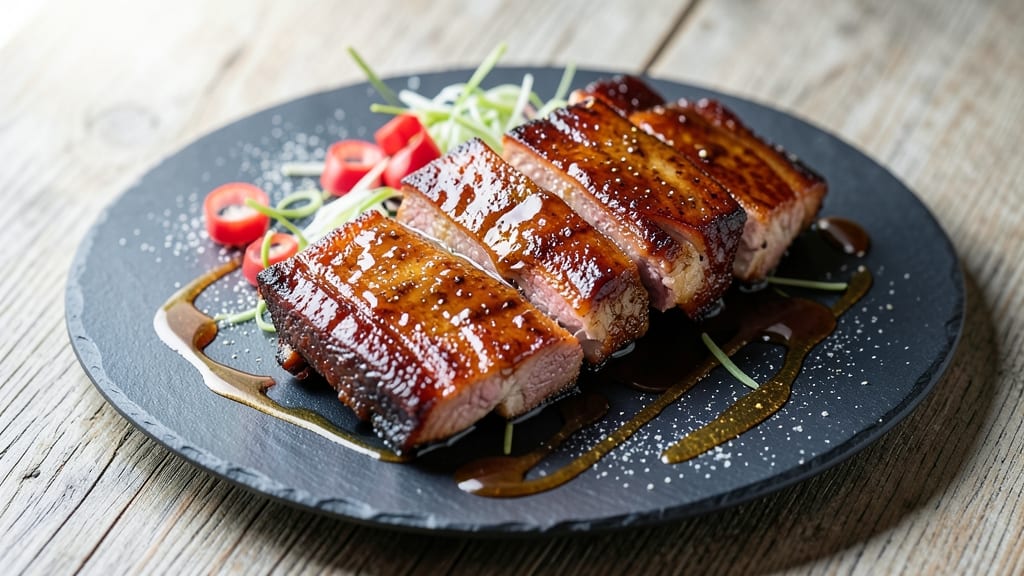
This char siew pork ribs recipe brings Cantonese tradition to your table with tender, caramelized meat and a sticky five-spice glaze. 🔥 The secret lies in slow-braising the ribs until they're fork-tender, then finishing with a smoky-sweet glaze that creates irresistible crackling.
I've perfected this method over years of cooking for crowds, and it never fails to impress—whether you're serving a family dinner or hosting a feast.
The process begins with a marinade of hoisin, soy sauce, and five-spice powder that infuses the ribs with deep, aromatic flavors. As they braise, the collagen breaks down, transforming tough meat into melt-in-your-mouth perfection.
The final step—basting with a reduced glaze of hoisin, honey, and five-spice—creates that signature sticky, caramelized exterior that makes these ribs impossible to resist.
What you'll end up with is a dish that balances smoky, sweet, and savory notes in every bite—tender ribs with crackling edges, all coated in a glossy glaze.
The aroma alone will have everyone gathering at the table, and the texture contrast between the tender meat and crispy exterior is pure indulgence. This is the kind of recipe that turns a simple weeknight into a celebration.
Serve with steamed jasmine rice and a crisp cucumber salad to balance the richness, or pair with stir-fried greens for a complete meal. The leftovers reheat beautifully, making this an ideal recipe for meal prep or feeding a crowd.
Let's get started on this Cantonese classic that's sure to become a favorite.
Ingredients for char siew pork ribs
Six ingredients make the marinade magic—five-spice, hoisin, and honey create that signature Cantonese flavor.
| Ingredient | Amount | Notes |
|---|---|---|
| Pork Ribs 🥓 | 4 lb | Bone-in, meaty pork ribs preferred |
| Hoisin Sauce 🍶 | ½ cup | Store-bought or homemade |
| Soy Sauce 🥄 | ½ cup | Light or dark, your choice |
| Five-Spice Powder 🌶️ | 2 tbsp | Authentic Cantonese blend |
| Honey 🍯 | ¼ cup | Wildflower or clover preferred |
| Brown Sugar 🍚 | ½ cup | Packed, light or dark |
| Garlic Cloves 🧄 | 8 cloves | Minced for marinade |
| Fresh Ginger 🌿 | 2 tbsp | Grated, for aromatic depth |
| Sesame Oil 🫒 | 1 tbsp | Toasted, for nutty aroma |
| Green Onions 🧅 | 4 whole | Sliced, for garnish |
| Vegetable Oil 🫒 | 2 tbsp | For braising pan |
| Water 💧 | 1 ½ cups | For braising liquid |
| Salt 🧂 | 1 ½ tsp | Kosher or sea salt |
| Black Pepper 🌶️ | ½ tsp | Freshly ground |
The ribs are the star here, so look for meaty, bone-in pork ribs—the ones with good marbling cook up the most tender. Costco or Asian markets usually carry the best cuts, but any butcher can help you find them. If you're buying frozen, thaw them overnight in the fridge. The five-spice powder is non-negotiable—Penzeys or Asian grocery stores have the best blends. I always buy extra because it's so versatile. For the hoisin, Lee Kum Kee is the gold standard, but any good store-bought version works in a pinch.
No five-spice powder? Mix 1 tsp each of cinnamon, cloves, fennel, star anise, and pepper—it's not identical, but it gets you close. Short on hoisin? Extra soy sauce plus a dash of molasses works. The honey can be swapped for brown sugar syrup (equal parts sugar and water, heated until dissolved). For the ginger, fresh is best, but if you're using dried, cut the amount in half. The sesame oil adds that nutty aroma—don't skip it, but a little goes a long way. If you're feeling fancy, toast the sesame seeds separately for garnish.
The ribs reheat beautifully—wrap them in foil and bake at 300°F for 20 minutes to keep the crackling intact. Store leftovers in the fridge for up to 5 days, or freeze for 3 months. I always make double batches because these disappear fast. For serving, keep the glaze warm in a small saucepan—it's perfect for drizzling over rice or noodles too. The green onions add freshness, but if you're out, a sprinkle of sesame seeds works just as well.
Why You'll Love This Recipe
- One-Pan Magic: I swear by this recipe when I’m too tired to scrub pots—just ribs, a quick glaze of hoisin and honey, and a sprinkle of five-spice. The sauce caramelizes right on the sheet pan while the ribs cook, so cleanup is basically rinsing a tray.
- Sweet-Savory Fix: That balance of sticky hoisin, salty soy, and warm five-spice? It’s the kind of flavor that makes you reach for seconds without thinking. The honey adds a caramelized depth that turns simple ribs into something you’d order at a dim sum spot.
- Leftover Goldmine: I make a double batch on Sundays because these ribs reheat like a dream—crispy edges stay crispy, and the sauce doesn’t dry out. Wrap them in lettuce for grab-and-go lunches or toss cold slices into salads when I’m lazy.
- Budget Crowd-Pleaser: Pork ribs are cheaper than you’d expect, and this recipe stretches them far—perfect for game nights or when my college-aged kids bring friends over. The five-spice and soy sauce cost pennies, but the flavor feels fancy. (Yes, even on a Tuesday night.)
Step-by-step instructions for char siew pork ribs
Here's how to make restaurant-style char siew with tender meat and that signature sticky, crackling glaze.
👨🍳 Step 1: Prepare the Five-Spice Marinade
In a large bowl, combine the 0.5 cup hoisin sauce, 0.5 cup soy sauce, 2 tbsp five-spice powder, 0.25 cup honey, and 0.5 cup brown sugar. Whisk until the sugar dissolves completely and the marinade becomes smooth and glossy. This aromatic blend is what gives char siew its distinctive flavor profile.
Add the 8 cloves minced garlic cloves and 2 tbsp grated fresh ginger, mixing well to distribute those bright, pungent flavors throughout. The ginger and garlic will infuse the pork with layers of complexity—don't skip mincing the garlic finely, or you'll get bitter chunks. Set this marinade aside while you prep the ribs.
🔥 Step 2: Parboil the Ribs for Tenderness
Fill a large pot with enough water to cover the 4 lb pork ribs by about 2 inches. Add 1.5 tsp salt and bring to a rolling boil over high heat. Once boiling, carefully add the ribs and cook for 10 minutes. This initial parboil helps tenderize the meat and removes impurities that could interfere with the glaze.
After 10 minutes, drain the ribs and rinse them under cold water to stop the cooking process. Pat them completely dry with paper towels—this step is critical for developing that coveted crackling exterior. While they're still warm and pliable, rub them all over with the prepared marinade, pressing it into the meat so it penetrates deeply.
🍳 Step 3: Braise Until Fork-Tender
Heat 2 tbsp vegetable oil in a large Dutch oven or heavy pot over medium heat. Once shimmering, add the marinated ribs in a single layer, meat-side down. Let them sear undisturbed for 5 minutes until golden brown spots form—this creates the foundation for that beautiful crackling crust.
Pour in 1.5 cups water and bring to a gentle simmer. Cover with a tight-fitting lid and reduce heat to low. Braise for 1.5 hours, turning the ribs occasionally to ensure even cooking. You'll know they're ready when they pull apart easily with a fork and the meat is fork-tender throughout. The braising liquid should reduce to a syrupy consistency.
🔥 Step 4: Create the Sticky Glaze
Once the ribs are tender, carefully transfer them to a serving platter. Skim any excess fat from the braising liquid in the pot, then return the pot to medium heat. Add 1 tbsp sesame oil and let it warm through for 1 minute to infuse the aroma.
Simmer the reduced braising liquid for 5-7 minutes until it thickens into a glossy, syrupy glaze—this should coat the back of a spoon. The glaze should be sticky enough to cling to the ribs but still pourable. If it thickens too quickly, add 1-2 tablespoons water to adjust the consistency. This is your char siew's signature sauce.
🥘 Step 5: Glaze and Garnish
Return the ribs to the pot and spoon the sticky glaze generously over them, making sure to coat every surface. Cover and let them sit off the heat for 10 minutes to absorb the flavors. This resting period allows the glaze to set and the meat to reabsorb some juices.
To serve, transfer the ribs to a platter and garnish with 4 sliced green onions. The contrast of fresh green onions against the rich, caramelized ribs adds a pop of color and freshness. Slice between the bones for easy serving, and watch as the glaze crackles with each bite—this is the moment you've been working toward.
Pro Tips For Making Char Siew Pork Ribs
- Blister First, Glaze Second: Get those ribs screaming hot in a dry skillet for 3-4 minutes per side before adding sauce—this builds the caramelized crust that holds the glaze, not the other way around. I used to rush to the sauce too soon, and the ribs ended up sticky instead of sticky-and-crispy.
- Trim the Fat, Not the Flavor: Leave the fat cap on the ribs—it renders into crispy bits that cling to the meat. If you’re worried about grease, blot excess with paper towels after charring, not before. That fat is what makes char siew sing.
- Skip the Crowding: Pile ribs on top of each other in the pan, and you’ll steam them instead of sear them. Work in batches if needed—crowded ribs turn out soft and saucy, not the crispy, caramelized bites you want.
- Reduce the Sauce First: Simmer your hoisin, soy, and honey mix until it’s syrupy—about half the volume—before brushing it on. Thin sauce burns and pools; thick sauce clings and caramelizes. (Pro move: Add a splash of rice vinegar to the reduced sauce for brightness.)
Serving suggestions for leftovers
Steamed Jasmine Rice
Nothing complements char siew like perfectly steamed jasmine rice—its delicate floral aroma and slight stickiness soak up the glaze beautifully.
I use a 1:1.25 rice-to-water ratio (for 2 cups jasmine rice, add 2.5 cups water) and cook it in my Cuisinart rice cooker for that signature texture. 💛 The rice should be tender but still slightly firm, with a fragrant aroma that makes the whole meal feel complete.
Crisp Cucumber Salad
To cut through the richness, serve a refreshing cucumber salad with a tangy dressing. Thinly slice 2 Persian cucumbers and toss with 1 tbsp rice vinegar, 1 tsp sesame oil, ½ tsp sugar, and a pinch of red pepper flakes.
The cool crunch and acidity balance the smoky-sweet ribs perfectly. I like to add ¼ cup chopped cilantro for extra freshness.
Stir-Fried Bok Choy
For a quick vegetable side, stir-fry 2 bunches baby bok choy with 1 tbsp vegetable oil, 2 cloves minced garlic, and a splash of oyster sauce. The bok choy wilts in just 2-3 minutes over high heat, retaining its bright green color and crisp-tender texture.
This side adds a subtle umami depth that pairs wonderfully with the ribs.
Char Siew Rice Bowls
Turn your meal into a build-your-own feast by serving the ribs over rice with all the fixings. Set out small bowls of steamed rice, chopped green onions, sliced cucumbers, and any leftover glaze.
Let guests assemble their own bowls—it’s always a hit at my table, and everyone gets exactly what they want. 🍚
Warm Flatbreads
For a heartier option, serve with warm naan or mantou—the soft, pillowy texture contrasts perfectly with the crackling ribs. Brush the flatbreads with a little garlic butter before serving, or sprinkle with flaky sea salt for a simple but elegant touch.
I love using store-bought mantou from Asian markets and reheating them in a 350°F oven for 5 minutes.
Dipping Sauces
Offer two dipping sauces for variety: a classic hoisin sauce mixed with 1 tsp grated ginger and a spicy chili oil made with 2 tbsp chili crisp and 1 tsp sesame oil.
The hoisin enhances the ribs’ sweetness, while the chili oil adds a fiery kick for those who love heat. Serve in small bowls with chopsticks for easy dipping. ✨
Nutrition facts
Frequently asked questions
Can I use baby back ribs instead of pork spareribs for this recipe?
Baby back ribs work beautifully—they're leaner and more tender than spareribs, so they'll cook faster. Just reduce the braising time to 1 hour instead of 1.5 hours since they won't need as long to become fork-tender. The glaze will still adhere perfectly, and you'll get that same crackling texture.
How do I make the ribs extra crispy without drying them out?
The secret is in the timing and heat! After braising, transfer the ribs to a baking sheet and broil on high for 3-5 minutes until the edges turn golden and crispy. Keep a close eye to prevent burning. For even more crackle, brush with a little extra glaze before broiling—this creates that irresistible caramelized crust.
What's the best way to store and reheat leftovers?
Wrap the ribs tightly in foil and refrigerate for up to 5 days. To reheat, bake at 300°F for 20 minutes—this keeps the crackling intact. For longer storage, freeze for 3 months. Thaw overnight in the fridge before reheating. The glaze might lose some crispness but the flavor stays rich and delicious.
Can I make this recipe in a slow cooker?
Yes, but with adjustments! Sear the ribs first, then add them to the slow cooker with 1 cup water and the marinade. Cook on low for 6-7 hours until tender. After cooking, finish with the glaze by simmering it separately and brushing it on the ribs. The texture will be more tender than crispy, but the flavor will be fantastic.
What's the difference between char siew pork ribs and regular BBQ ribs?
Char siew ribs are all about that signature five-spice glaze and sticky crackling, while traditional BBQ ribs focus on smoky, tangy sauces. Char siew uses a sweet-savory marinade with hoisin and honey, creating a glossy finish, whereas BBQ ribs often have a thicker, stickier sauce. The cooking method matters too—char siew braises for tenderness, while BBQ ribs might grill or smoke longer.