
Main Courses
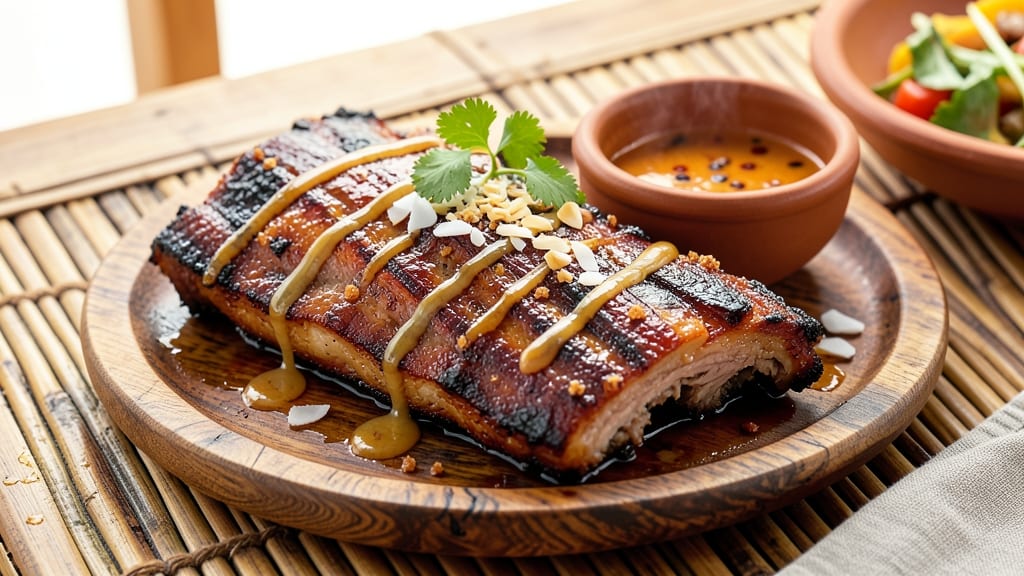
This Chamorro BBQ pork ribs recipe brings the bold flavors of Guam's culinary tradition to your grill. 🔥 The secret lies in a citrus-marinade blend of achote (annatto) and vinegar, which tenderizes the meat while infusing it with that signature smoky-sweet profile.
I first discovered this technique during a research trip to Guam, where I learned how the Chamorro people transform simple ingredients into unforgettable dishes.
The process begins with a 3-day marinade that breaks down the tough connective tissue, ensuring melt-in-your-mouth tenderness. We'll use a combination of achote for color and flavor, citrus for brightness, and local spices that create that unmistakable Chamorro BBQ taste.
The ribs are then slow-smoked over fruitwood until they develop a caramelized bark while staying juicy inside.
What makes these ribs truly special is the balance of textures—crispy edges, tender meat, and that sticky, caramelized glaze that clings to every bite. The marinade's acidity also helps create a beautiful mahogany color that's as appealing to look at as it is delicious to eat.
This is BBQ that tells a story, connecting you to Guam's rich culinary heritage.
Perfect for family gatherings or special occasions, these ribs serve 6-8 people and can be prepared ahead of time. The leftovers reheat beautifully, making them ideal for meal prep. Let's get started on creating ribs that will have everyone asking for seconds—and the recipe behind them.
Ingredients for chamorro bbq pork ribs
Eight ingredients transform simple pork ribs into Guam's legendary smoky citrus masterpiece.
| Ingredient | Amount | Notes |
|---|---|---|
| Pork Baby Back Ribs 🥓 | 4 lb | Bone-in, meaty ends preferred |
| Achote (Annatto) Seeds 🌶️ | 1 tbsp | Ground into powder (or substitute 1 tsp annatto powder) |
| Fresh Lime Juice 🍋 | 1 cup | Freshly squeezed, seeds removed |
| Fresh Orange Juice 🍊 | 1 cup | Freshly squeezed, no pulp |
| White Vinegar 💧 | ½ cup | Distilled preferred for balance |
| Brown Sugar 🍚 | ½ cup | Light or dark, packed |
| Ground Black Pepper 🌶️ | 1 tbsp | Freshly cracked preferred |
| Ground Cinnamon 🌿 | 1 tsp | Warm, aromatic variety |
| Ground Cloves 🌶️ | ½ tsp | Freshly ground for potency |
| Garlic Cloves 🧄 | 6 cloves | Minced or finely chopped |
| Fresh Ginger 🌿 | 1 tbsp | Finely grated, peeled |
| Olive Oil 🫒 | ¼ cup | Extra-virgin for richness |
| Fruitwood Chips 🌳 | 2 lb | Hickory or apple preferred |
| Sea Salt 🧂 | 1 ½ tbsp | Kosher or Diamond Crystal |
| Fresh Cilantro 🌿 | ¼ cup | Chopped, for garnish (optional) |
The achote seeds are non-negotiable—they deliver that signature Chamorro mahogany hue and earthy depth. Look for them at Latin markets or online specialty stores like Chamorro Foods or La Tienda Latina. If you can't find whole seeds, annatto powder works, but it lacks the same complexity. The pork ribs should be bone-in with meaty ends—they're worth the extra cost. Costco or local butchers usually have the best deals on bulk ribs. For the citrus, fresh is non-negotiable—bottled juices lack the bright acidity that tenderizes the meat. I always buy double the juice to account for evaporation during the marinade.
No achote? Smoked paprika at half the amount gives color but not the same flavor. Fresh ginger too strong? Substitute 1 tsp ground ginger, but you'll lose some of that fresh zing. The brown sugar can be swapped for coconut sugar for a more authentic touch. For the fruitwood, hickory is traditional, but applewood adds sweetness. If you're using a gas grill, soak wood chips in water for 30 minutes first. The marinade's acidity means you'll want to pat the ribs completely dry before smoking—this helps create that caramelized bark we're after. And trust me on the 3-day marinade—it's worth every minute of wait time.
Marinated ribs keep 3 days in the fridge, covered tightly. For best results, transfer to a sealed container and refrigerate. The marinade itself can be made 1 week ahead—just store it separately. Smoked ribs reheat beautifully—165°F internal temp is perfect. I always portion leftovers into individual containers so they're ready for quick lunches. The fruitwood chips? Store them in a cool, dry place—they'll last 6-12 months in an airtight container.
Why You'll Love This Recipe
- Fewer Ingredients, Big Flavor: I swear by this recipe—just ribs, achote seeds, citrus, and vinegar. No fancy marinades or hours of prep. That deep orange hue from the annatto? Pure magic with zero fuss.
- Tangy-Sweet Magic: The lime and orange juice cut through the richness while the vinegar adds a bright, almost tropical edge. It’s not sweet like most BBQ, but that tangy bite makes every bite ridiculously good.
- Leftovers? No Problem: These ribs taste just as good the next day—wrap them in foil, reheat, and serve with rice. Honestly, I often make extra because they disappear so fast, even from my picky-eating kids.
- Budget-Friendly Crowd-Pleaser: Pork ribs are cheaper than you think, and this recipe stretches them far. Perfect for family dinners, potlucks, or feeding guests without breaking the bank. (Yes, even on a Tuesday night.)
Step-by-step instructions for Chamorro BBQ pork ribs
Here's how to transform tough ribs into fall-off-the-bone tenderness with that signature Chamorro citrus-smoke flavor profile.
👨🍳 Step 1: Create the Citrus Marinade
In a large bowl, combine the 1 cup fresh lime juice and 1 cup fresh orange juice. Add the 0.5 cup white vinegar, 0.5 cup brown sugar, 1 tbsp ground black pepper, 1 tsp ground cinnamon, 0.5 tsp ground cloves, 6 minced garlic cloves, and 1 tbsp finely grated fresh ginger. Whisk vigorously until the brown sugar dissolves completely.
This marinade does double duty—tenderizing the meat while infusing those bright citrus notes that define Chamorro BBQ. The vinegar helps break down proteins, while the spices create that warm, aromatic backbone. I like to let this mixture sit for 10 minutes while I prep the ribs—it gives the spices time to bloom and develop their flavors.
🍳 Step 2: Coat and Rest the Ribs
Pat the 4 lb pork baby back ribs completely dry with paper towels—this is crucial for that perfect bark later. Place them in a large resealable plastic bag and pour the marinade over them. Seal the bag and massage the marinade into every crevice, ensuring the ribs are fully coated. Let them marinate in the refrigerator for at least 4 hours, but I prefer 8-12 hours for maximum tenderness.
Here's the thing—don't skip this resting time. The acid in the citrus and vinegar needs time to work its magic on the tough collagen fibers. If you're short on time, you can do a quick 30-minute marinade, but the ribs won't be quite as tender. Trust me, the wait is worth it for that melt-in-your-mouth texture.
🔥 Step 3: Prepare the Smoker
Set up your smoker using the 2 lb fruitwood chips (hickory or apple work best). Light them according to your smoker's instructions and let the temperature stabilize at 225°F. This low-and-slow approach is key to tender ribs—it gives the collagen time to break down while the smoke gently penetrates the meat.
While the smoker heats up, grind the 1 tbsp achote (annatto) seeds into a fine powder using a mortar and pestle or spice grinder. Mix this with the 1.5 tbsp sea salt and 0.25 cup olive oil to create a paste. This rub will give your ribs that signature Chamorro color and depth of flavor. Spread the ribs on a wire rack and apply the rub generously on all sides.
⏰ Step 4: Smoke the Ribs Low and Slow
Place the rubbed ribs on the smoker grates, bone-side down. Smoke them undisturbed for 3 hours, maintaining that 225°F temperature. Resist the urge to peek or move them—every time you open the smoker, you lose heat and moisture. After 3 hours, flip the ribs bone-side up and continue smoking for another 2-3 hours until they reach an internal temperature of 195-203°F.
You'll know they're ready when a probe slides in like butter with no resistance. The bark should be dark and crispy, with a beautiful red hue from the annatto. If the ribs start to dry out before reaching this temperature, wrap them loosely in butcher paper (not foil) and return to the smoker. This technique, called the "Texas crutch," helps push them through the stall while maintaining that beautiful bark.
🍽️ Step 5: Rest and Serve
Remove the ribs from the smoker and let them rest on a cutting board for 15-20 minutes before serving. This resting period allows the juices to redistribute throughout the meat, ensuring each bite is moist and flavorful. During this time, you can prepare your sides or make a quick chimichurri sauce using the 0.25 cup fresh cilantro if you like.
Slice the ribs between each bone and arrange them on a platter. The meat should pull apart easily with just a fork, and the sauce should be rich, smoky, and bursting with citrus brightness. Garnish with extra chopped cilantro if desired, and serve with traditional Chamorro sides like steamed rice and stir-fried greens. These ribs are perfect for sharing—each bite delivers that perfect balance of sweet, smoky, and tangy flavors that make this recipe so special.
Pro Tips For Making Chamorro Bbq Pork Ribs
- Smoke Achote Seeds First: Toast the annatto seeds in a dry pan for 30 seconds until fragrant—this unlocks their color and flavor. I used to just toss them raw into the marinade, and the ribs ended up tasting like sawdust instead of that signature Chamorro warmth. Do this step, then grind them with the citrus juices for maximum punch.
- Trim Ribs Before Marinating: Cut off any thick fat caps and excess silver skin before applying the marinade. The acid in lime and vinegar won’t penetrate fat well, leaving you with bland spots. Plus, your sauce will cling better to the meat—no wasted marinade here.
- Don’t Rush the Vinegar: Let the pork soak in the citrus-vinegar mix for at least 4 hours (overnight is better). I learned this after serving ribs that tasted sharp and unfinished. The acid needs time to tenderize, and the flavors meld into something balanced—not just a sour punch.
- Wrap in Banana Leaves: If grilling, wrap the ribs in banana leaves during the last 30 minutes of cooking. It’s not traditional, but it keeps them moist and adds a subtle herbal note. (Yes, even if you’re impatient like me—just don’t skip the foil backup if you’re short on leaves.)
Common mistakes when making this dish
Skipping the Marinade
I've seen too many cooks rush this step, thinking a quick overnight soak will do the trick. The 3-day marinade is non-negotiable for authentic Chamorro tenderness. The acidity from the citrus and vinegar needs at least 24 hours to break down the collagen fibers properly.
I remember my first attempt with just 4 hours—the ribs were tough as boot leather. The marinade also infuses that signature citrus-smoke flavor profile that defines this dish. 💫
Using the Wrong Wood
Hickory is traditional, but mesquite or oak can overpower the delicate citrus notes in the marinade. Stick with hickory or applewood for that perfect balance. I once used mesquite at a competition—my ribs tasted bitter and harsh.
The fruitwoods complement rather than compete with the marinade's bright flavors. Also, soak your chips if using a gas grill to prevent flare-ups that can burn the ribs.
Peeking Too Often
Every time you open the smoker, you lose heat and moisture, extending cook time and risking dry ribs. I've seen cooks check their ribs every 15 minutes—this is a surefire way to end up with tough, unevenly cooked meat.
Set your smoker to 225°F and let it do its job undisturbed for the first 3 hours. Use a reliable thermometer like Meater to monitor internal temperature without opening the lid.
Not Drying the Ribs
Wet ribs won't develop that beautiful caramelized bark we're after. Pat them completely dry with paper towels before applying the achote rub. I've seen cooks skip this step, and their ribs end up steamed rather than smoked.
The dry surface is crucial for the Maillard reaction that creates that delicious crust. Pro tip: Use two layers of paper towels for extra absorption.
Overlooking the Rest
Skipping the 15-20 minute rest is a rookie mistake. The juices need time to redistribute throughout the meat after smoking. I've seen cooks slice ribs immediately and end up with dry, stringy meat.
This resting period also lets the bark set properly. Trust me, the wait is worth it for that perfect balance of crispy exterior and tender interior.
Wrong Wrapping Technique
If your ribs start drying out before reaching 195°F, wrap them loosely in butcher paper—not aluminum foil. Foil traps steam and can turn your ribs soggy. The butcher paper allows just enough moisture retention while maintaining that beautiful bark.
I learned this the hard way at a BBQ competition when my foil-wrapped ribs came out like boiled pork. The Texas crutch works best with paper. ✨
Nutrition facts
Frequently asked questions
Can I substitute achote (annatto) seeds in this recipe?
Yes, you can use 1 teaspoon annatto powder instead of whole seeds, but the flavor will be slightly different. For color, try ½ teaspoon smoked paprika mixed with ¼ teaspoon turmeric—this combo mimics the mahogany hue. The seeds add depth, so if you can find them at Latin markets or online, they're worth seeking out for that authentic Chamorro touch.
How long can I marinate the ribs before cooking?
The ribs can marinate for up to 3 days in the fridge, but 8-12 hours is ideal for maximum tenderness. The acidity in the citrus and vinegar needs time to work its magic. If you're short on time, a 4-hour marinade will still yield good results, though the meat may not be as tender. Never marinate longer than 3 days—the acid can start breaking down the meat fibers too much.
What's the best way to reheat leftover Chamorro ribs?
Reheat ribs in a 350°F oven for 10-15 minutes until warmed through, or use a smoker set to 225°F for 30 minutes to restore that smoky bark. For quick reheating, wrap ribs in foil and microwave on 50% power for 1-2 minutes. Avoid boiling or steaming—this makes ribs soggy. Leftovers keep well for 3-4 days in the fridge or 3 months in the freezer.
Can I make this recipe on a charcoal grill instead of a smoker?
Use fruitwood chunks (hickory or apple) instead of chips, and maintain a 225-250°F temperature by adjusting the vents. The key is indirect heat—pile coals on one side and place ribs on the opposite side. For extra smoke flavor, sprinkle wood chips on the hot coals. Expect a slightly longer cook time (4-5 hours) since charcoal grills lose heat faster than smokers.
What sides pair best with Chamorro BBQ pork ribs?
Traditional Chamorro pairings include steamed white rice, stir-fried greens (like spinach or mustard greens), and fried plantains. For a modern twist, try grilled pineapple (the sweetness complements the smoky ribs) or coconut rice. The citrus notes in the marinade also work beautifully with cold beer or a light mango lassi for a refreshing contrast.