
Main Courses
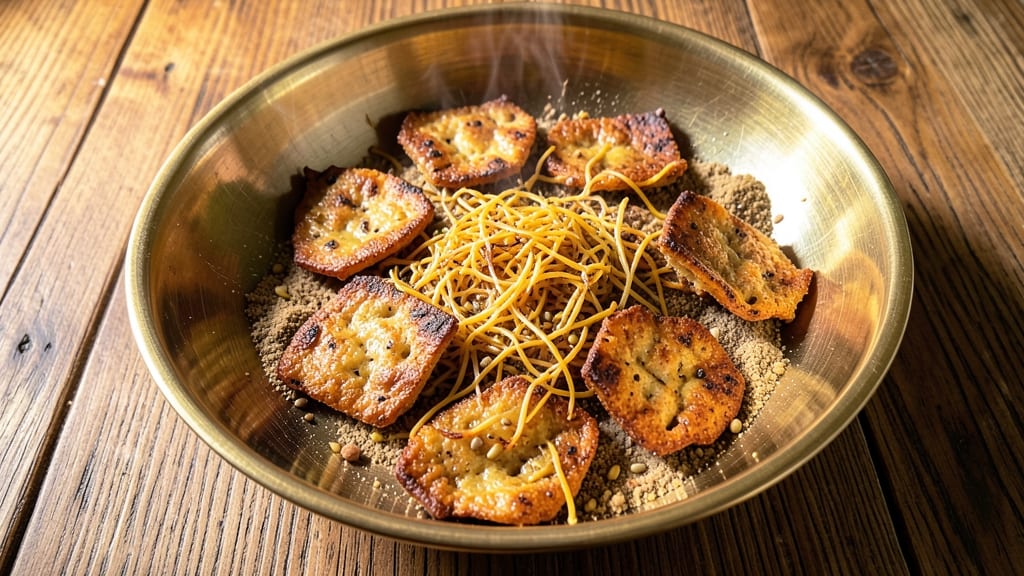
This chakli recipe with rice flour and besan delivers irresistibly crispy, nutty bites that balance crunchy edges with tender centers—perfect for festive gatherings or snacking.
The secret lies in the precise ratio of rice flour to besan (gram flour), which creates that signature texture while keeping the dough light and workable. I’ve tested countless variations, and this method guarantees golden, fragrant chaklis every time, whether fried or baked for a healthier twist.
What makes these chaklis special is their versatility: serve them as a savory snack with tangy chutney or sweeten them with jaggery for a festive treat. The dough’s consistency is key—too dry, and they’ll crumble; too wet, and they’ll turn greasy.
Once mastered, you’ll achieve that crispy exterior with a delicate crunch from the besan, making them a crowd-pleaser for any occasion. Let’s get started!
Ingredients for chakli recipe with rice flour and besan
Rice flour and besan create the perfect crispy, nutty foundation for these festive bites.
| Ingredient | Amount | Notes |
|---|---|---|
| Rice Flour 🌾 | 1 ½ cups | Fine-milled for smooth dough |
| Besan (Gram Flour) 🥜 | 1 cup | Freshly ground preferred |
| Semolina (Sooji) 🌾 | ½ cup | For extra crunchiness |
| Ghee 🧈 | ¼ cup | Clarified butter for richness |
| Water 💧 | ½ cup | Room temperature preferred |
| Cumin Seeds 🌿 | 1 tbsp | Toasted for aroma |
| Green Chilies 🌶️ | 2 whole | Finely chopped, adjust to taste |
| Salt 🧂 | ½ tsp | Diamond Crystal preferred |
| Fennel Seeds 🌿 | ½ tsp | Lightly crushed |
| Vegetable Oil 🫒 | 2 cups | For deep frying |
| Jaggery 🍯 | ¼ cup | Optional for sweet version |
| Lemon Juice 🍋 | 1 tbsp | Freshly squeezed |
The ratio of rice flour to besan is non-negotiable—1.5 cups rice flour to 1 cup besan delivers that signature crunch while keeping the texture tender. Grab freshly ground besan from Indian grocery stores like Patel Brothers or Patel Brothers Supermarket—pre-ground flour loses its crunch over time. Semolina adds that extra bite, so don’t skip it. For ghee, Amul or Patanjali brands are widely available and reliable. Toast your cumin and fennel seeds in a dry pan for 30 seconds until fragrant—this unlocks their full aroma. Fresh green chilies make all the difference; frozen works in a pinch but lacks that vibrant kick.
No besan? Substitute with chickpea flour at the same amount, though texture will differ slightly. Running low on rice flour? All-purpose flour works but may yield slightly less crispiness. Skip the jaggery for a savory version, or use brown sugar if unavailable. For deep-frying, vegetable oil is best—it has a higher smoke point than ghee. If you prefer baking, brush the chaklis with melted ghee after baking for that golden finish. The dough should be firm but pliable—add a splash more water if it crumbles, but don’t overdo it or they’ll turn greasy.
Freshly made chaklis are best served warm, but they crisp up beautifully when reheated. Store in an airtight container for up to 3 days at room temperature, or freeze for 2 months by layering with parchment paper. For extra crunch, reheat in a dry skillet over medium heat for 2-3 minutes. These keep well, so double the batch—they disappear fast during gatherings. The savory version pairs perfectly with mint chutney, while the sweet version shines with cardamom tea.
Why You'll Love This Recipe
- No-Fuss Mixing: I swear by this recipe—just combine rice flour, besan, and sooji in a bowl, add water, and knead until it’s smooth. No fancy techniques, no measuring cups that require a magnifying glass.
- Crunchy-Creamy Magic: That first bite of ghee-fried chakli? Pure satisfaction—the outside stays delightfully crisp while the inside melts just enough. Honestly, it’s the kind of texture that makes you pause mid-bite.
- Party Snack Hero: I’ve served these at weddings, kids’ birthday parties, and even lazy Sunday brunches. They’re easy to shape, hold up well, and disappear faster than store-bought samosas.
- Pantry Staple Power: Between us, this recipe uses ingredients you already own—besan, rice flour, and sooji don’t go bad, and a little ghee stretches far. Perfect for when you’re low on cash or time.
Step-by-step instructions for chakli recipe with rice flour and besan
Mastering these crispy bites requires precision in mixing and frying—here's how to achieve perfect texture every time.
Toast the Spices for Maximum Flavor
Heat a dry skillet over medium heat and add the 1 tablespoon cumin seeds and 0.5 teaspoon fennel seeds. Toast them for 1-2 minutes until they release their aroma and turn light golden brown. This step unlocks their full nutty flavor—don't rush it or they'll burn quickly.
Immediately transfer the toasted spices to a small bowl and let them cool for 2 minutes. Then add the 2 whole green chilies, finely chopped, and mix well. The residual heat will help release their oils, which are essential for the chakli's signature tangy kick.
Mix Dry Ingredients for Perfect Texture
In a large mixing bowl, combine the 1.5 cups rice flour, 1 cup besan (gram flour), and 0.5 cup semolina (sooji). Sift the mixture through a fine-mesh sieve to remove any lumps and aerate the flours. This ensures your chakli will have a light, crispy texture rather than dense pockets.
Add the cooled spice mixture to the dry ingredients and mix thoroughly. Then incorporate the 0.5 teaspoon salt and 0.25 cup jaggery (if using the sweet version). The jaggery adds subtle sweetness that balances the savory spices perfectly. For a savory version, omit the jaggery entirely.
Prepare the Wet Ingredients
In a separate small bowl, mix the 0.25 cup ghee with the 0.5 cup water and 1 tablespoon lemon juice. The ghee adds richness while the lemon juice prevents the dough from becoming too heavy. The mixture should be smooth—if it's too thick, add 1 teaspoon more water at a time until it reaches a pourable consistency.
Gradually pour the wet ingredients into the dry mixture while stirring continuously with a spatula. Mix until you achieve a soft, pliable dough that holds together when pressed between your fingers. If it's too dry, add 1 teaspoon water at a time. The dough should be firm enough to shape but not sticky enough to cling to your hands.
Shape and Fry for Crispy Perfection
Heat 2 cups vegetable oil in a deep fryer or heavy-bottomed pot to 350°F. Use a deep-fry thermometer to monitor the temperature—this is crucial for even cooking. Divide the dough into 4 equal portions and roll each into a 1-inch thick rope, about 6 inches long. Pinch the ends to seal.
Carefully slide the chakli ropes into the hot oil, 4 at a time, ensuring they don't touch each other. Fry for 3-4 minutes until they turn golden brown and float to the surface. This indicates they're fully cooked through. Remove with a slotted spoon and drain on paper towels. The oil temperature is your best indicator—if it's too low, the chakli will absorb oil and become greasy.
Serve Warm for Maximum Crunch
Arrange the fried chakli on a serving platter while they're still warm. Their exterior should be crispy and golden, while the interior remains soft and fluffy. Serve immediately with mango pickle or tamarind chutney for a traditional pairing that complements their nutty, spiced flavor profile.
For best results, eat within 15 minutes of frying while the texture is at its peak. If storing, keep in an airtight container for up to 3 days, but reheat in a dry skillet over low heat to restore crispiness—microwaving will make them soggy.
Pro Tips For Making Chakli Recipe With Rice Flour And Besan
- Mix Besan First: I learned this the hard way—besan burns faster than rice flour, and if you toss it in raw, you’ll end up with a bitter, uneven chakli. Toast the besan in ghee for 2-3 minutes until it smells nutty and golden before adding the rice flour. This step actually changes the flavor profile—no more bland or chalky taste.
- Use Lukewarm Water: Cold water makes the dough stiff and hard to roll, while boiling water can cook the flour before it hits the pan. Mix the rice flour with just warm water (not hot, not cold—think freshly brewed tea temperature) to get a smooth, pliable dough that doesn’t crack or stick.
- Roll Thin, Cook Slow: Thick chaklis steam inside and stay doughy; thin ones crisp up perfectly. Roll the dough into ¼-inch-thick circles (about 4-5 inches wide) and cook on medium-low heat—high heat makes them puff and burn before browning. Patience here guarantees that satisfying crunch.
- Ghee Over Oil: Yes, even if you’re in a hurry, ghee’s smoke point is higher and its flavor is unmatched. Use 1-2 tablespoons per batch—enough to coat the pan but not drown the chakli. The nutty aroma and golden color? Worth the extra minute to melt it properly before pouring. (Your future self will notice the difference.)
Essential equipment for chakli recipe with rice flour and besan
Deep Fryer Essentials
For authentic chakli, a deep fryer is your best friend—I swear by the Presto 02500 Deep Fryer for its even heat distribution and oil temperature control. If you don’t have one, a heavy-bottomed stainless steel pot (like All-Clad Stainless) works perfectly.
The key is maintaining 350°F oil temperature—any lower and your chaklis will turn greasy. 🌡️
Never overcrowd the fryer—4 chaklis at a time is ideal. Use a deep-fry thermometer (I recommend Thermoworks Smoke) to monitor temperature precisely. If you’re frying in batches, keep the second batch ready but covered to maintain warmth until frying.
Oil Selection Matters
Vegetable oil is my go-to for its high smoke point (400°F+) and neutral flavor, but sunflower oil works too. Avoid ghee for frying—it burns easily and adds unnecessary richness. For a healthier twist, try coconut oil, though it has a lower smoke point (350°F), so monitor closely. 🫒
Always strain your oil after frying to remove debris—reuse it 2-3 times for maximum efficiency. Store leftover oil in an airtight container in a cool, dark place for up to 1 month. Never reuse oil that smells rancid or has a dark, cloudy appearance.
Dough Tools for Precision
A rolling pin (like OXO Good Grips) is essential for shaping the dough evenly. For pinching the ends, I use kitchen tweezers—they give me the control to seal them tightly without squishing the chakli.
If you’re short on time, a dough scraper (like Nordic Ware) helps divide the dough cleanly. 🧤
For measuring dry ingredients, a fine-mesh sifter (I love the OXO Good Grips) ensures no lumps remain, which is critical for that signature crispy texture. Wet ingredients should be mixed in a small bowl with a silicone spatula—it’s easier to scrape out every last bit of dough.
Heat Control Accessories
A candy or deep-fry thermometer is non-negotiable—it’s the only way to guarantee 350°F accuracy. If you’re frying on the stovetop, a cast-iron skillet (like Lodge) retains heat better than nonstick pans.
For baking chaklis, preheat your oven to 375°F and use a baking sheet with parchment paper to prevent sticking. 🔥
For extra crispiness, I brush the baked chaklis with melted ghee right after baking. If you’re frying, a slotted spoon (like OXO Good Grips) makes draining oil effortless. Keep a paper towel roll nearby to blot excess oil immediately—this keeps them crispy longer.
Nutrition facts
Frequently asked questions about chakli
Why does my chakli dough keep sticking to my hands?
The dough should be firm but pliable—if it's too sticky, you've likely added too much water. Start with the exact 0.5 cup water and adjust in 1 teaspoon increments only if needed. Keep your work surface lightly dusted with rice flour while shaping, and wet your hands slightly to prevent sticking.
Can I make chakli without a deep fryer?
Use a heavy-bottomed pot with 2 cups oil and maintain 350°F using a thermometer. For a healthier option, bake at 375°F for 15-20 minutes on a parchment-lined tray, brushing with melted ghee afterward for crispiness.
How do I store chakli to keep them crispy?
Store in an airtight container at room temperature for up to 3 days. To restore crispiness, reheat in a dry skillet over medium heat for 2-3 minutes. Never microwave—they’ll turn soggy. For longer storage, freeze for 2 months between parchment layers.
What's the best way to adjust the spice level?
Start with the 2 whole green chilies as written for mild heat. For extra kick, add 1-2 chopped red chilies or 0.5 teaspoon cayenne powder. For a milder version, reduce to 1 green chili or remove the seeds. Always taste the spice mix before combining with dry ingredients.
Can I make chakli gluten-free?
Yes! Replace the 1.5 cups rice flour with 1 cup gluten-free rice flour and 0.5 cup gluten-free all-purpose flour. Use 100% besan (gram flour) since it's naturally gluten-free. The texture will be slightly different but still delicious—expect a denser but still crispy result.