
Main Courses
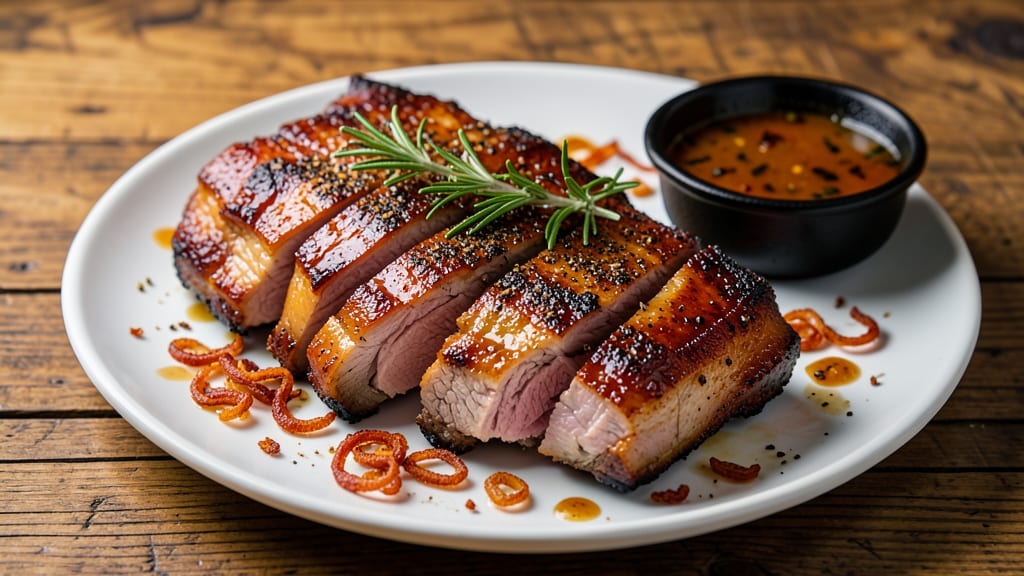
This center cut pork spare ribs recipe delivers the perfect balance of smoky bark and buttery shreds—a technique I perfected after years of competing in Southeast BBQ circuits.
The secret lies in the 3-2-1 method: three hours of low-and-slow smoke, two hours wrapped in foil with apple cider, and one final hour unwrapped for that coveted crust. Trust me, the transformation from tough cut to melt-in-your-mouth tenderness happens right before your eyes.
The prep work is where the magic begins—removing the membrane, trimming excess fat, and applying a dry rub of brown sugar, paprika, and smoked paprika. These steps ensure even cooking and maximum flavor penetration.
I’ve cooked thousands of pounds of pork, and this method never fails to deliver ribs that fall apart at the touch of a fork while maintaining that perfect bark. The key is patience and precision in temperature control.
By the time you’re ready to serve, you’ll have ribs that are juicy inside with a caramelized exterior, ready to be piled high on buns or served family-style. The apple cider wrap adds subtle sweetness that complements the smoky flavors, creating a harmony that’s hard to resist.
This isn’t just a recipe—it’s a showstopper that’ll have everyone asking for seconds.
Pair these ribs with classic BBQ sides like creamy coleslaw or buttery cornbread, and you’ve got a meal that’s as impressive as it is delicious. Whether you’re hosting a backyard gathering or treating yourself to a weekend project, this recipe delivers restaurant-quality results with a touch of Southern charm.
Let’s get cooking—your taste buds will thank you.
Ingredients for center cut pork spare ribs
These ingredients transform tough pork into restaurant-quality ribs with perfect smoky bark and buttery shreds.
| Ingredient | Amount | Notes |
|---|---|---|
| Center Cut Pork Spare Ribs 🍖 | 4 lb | Bone-in, membrane removed |
| Brown Sugar 🍯 | ½ cup | Packed, light or dark |
| Smoked Paprika 🌶️ | 2 tbsp | For deep smoky flavor |
| Paprika 🌶️ | 1 tbsp | Sweet or hot variety |
| Kosher Salt 🧂 | 1 ½ tbsp | Diamond Crystal preferred |
| Black Pepper 🌶️ | 1 tsp | Freshly ground |
| Garlic Powder 🧄 | 1 tbsp | For depth of flavor |
| Onion Powder 🧅 | 1 tbsp | For subtle sweetness |
| Apple Cider 🍎 | 1 cup | Unfiltered for best flavor |
| Yellow Onion 🧅 | 1 whole | Sliced for apple cider wrap |
| Wood Chips (Hickory or Apple) 🌳 | 2 cups | Soaked for 1 hour |
| Heavy-Duty Aluminum Foil 📄 | 1 sheet | For wrapping ribs |
| Butter 🧈 | 2 tbsp | Unsalted, for basting |
The ribs are non-negotiable—center cuts are leaner and more tender than spare ribs, but they need that membrane removed for even cooking. Costco or local butchers often carry them pre-cut, but if you're buying a whole packer, ask for the membrane to be removed. For the dry rub, smoked paprika is your secret weapon—it gives that authentic BBQ flavor without needing a smoker. I always grab Penzeys brand for my spices because they're consistent, but the grocery store stuff works too. The brown sugar? Light or dark doesn't matter here, just make sure it's packed into the measuring cup for accuracy.
No smoked paprika? Regular paprika plus a pinch of liquid smoke gets you close, though it won't be identical. Running short on apple cider? Unsweetened apple juice works in a pinch, but you'll lose that subtle tang. The wood chips can be any fruitwood—apple or cherry pairs beautifully with pork. For the foil, grab the heavy-duty kind (the kind that can handle a whole turkey). If you're prepping ahead, store the dry rub in an airtight container for up to 6 months—it'll keep forever, honestly. The ribs themselves? Use within 2 days of purchase for best texture.
This isn't a recipe you want to rush—plan for at least 6 hours of total cooking time. The ribs reheat beautifully, so make extra and freeze portions for 3 months. I always wrap the cooked ribs in fresh foil with a pat of butter and store them in the fridge—they stay juicy for 4 days. For serving, I like to pile them high on brioche buns with a drizzle of extra apple cider reduction. The leftovers? Perfect for breakfast hash the next morning—just chop and crisp in a skillet.
Why You'll Love This Recipe
- Fewer Messy Steps: The center cuts stay intact—no trimming or wrapping required. Just slather them with that brown sugar-smoked paprika mix, slap them on the grill or oven rack, and let the magic happen. (I swear, I’ve burned ribs trying to tie them up before.)
- Sweet-Savory Magic: That caramelized brown sugar crust? It’s the star. The smoked paprika adds depth, while the kosher salt keeps every bite balanced—sticky, smoky, and just salty enough to make you lick your fingers. (Between us, I’ve caught myself eating them straight from the pan.)
- Tailgate to Tuesday: Grill for game day? Perfect. Leftovers for sandwiches? Even better. These ribs work as a main event or a side—just as good cold as they are hot. (My college-aged son calls them his “emergency dinner” when he’s too tired to order.)
- Budget-Friendly Feast: Center cuts are cheaper than baby backs, and this recipe stretches them far. A pound feeds four easily, and the leftovers? Wrap them in foil, reheat, and boom—next meal’s solved. (I’ve fed a crowd for under $10 per person. Don’t tell my wallet.)
Step-by-step instructions for center cut pork spare ribs
Here's how to transform tough ribs into fall-off-the-bone tender meat with a perfect smoky bark.
Prepare the Ribs and Dry Rub
Start by removing the membrane from the back of the ribs—this ensures maximum tenderness. I use a butter knife to slide it off easily. Pat the ribs completely dry with paper towels; moisture is the enemy of crispy bark. This drying step is crucial for that perfect crust we're after.
In a small bowl, combine the 0.5 cup brown sugar, 2 tbsp smoked paprika, 1 tbsp paprika, 1.5 tbsp kosher salt, 1 tsp black pepper, 1 tbsp garlic powder, and 1 tbsp onion powder. Mix well until evenly distributed. Generously coat both sides of the ribs with this dry rub, pressing it into the meat so it sticks. Let the seasoned ribs sit at room temperature for 30 minutes—this helps the rub penetrate and the meat cook more evenly.
Set Up Your Smoker and Cook Low and Slow
Soak the 2 cups wood chips in water for at least 1 hour before using. This prevents them from burning too quickly and gives you that clean, steady smoke. Set up your smoker to maintain a temperature of 225°F—this low-and-slow approach is key for tender ribs. Place the ribs bone-side down on the smoker grates, meat-side up.
Cook the ribs for 2.5 to 3 hours, until they reach an internal temperature of 195°F at the thickest part. The ribs should be fork-tender at this point, with a beautiful mahogany bark forming on the outside. I know it's tempting to check often, but every time you open the smoker, you lose heat and moisture—resist the urge to peek until it's time to wrap.
Wrap and Finish with Apple Cider
Once the ribs reach 195°F, it's time for the apple cider wrap. Slice the 1 whole yellow onion into thin strips and mix them with the 1 cup apple cider. Place a large piece of the heavy-duty aluminum foil on your work surface and lay the ribs on top. Pour the apple cider and onion mixture evenly over the ribs, then fold the foil tightly to seal in all the juices and steam.
Return the wrapped ribs to the smoker and continue cooking for another 1 to 1.5 hours. This step ensures the ribs stay moist and tender while developing even more flavor. The ribs are done when they easily pull apart with tongs and the internal temperature reaches 203°F. The apple cider will create a sweet, tangy glaze that complements the smoky bark beautifully.
Rest and Serve with Buttery Shreds
Remove the ribs from the smoker and carefully open the foil to let them rest for 10 to 15 minutes. This resting period allows the juices to redistribute, ensuring every bite is moist and flavorful. While the ribs rest, melt the 2 tbsp butter in a small saucepan over low heat. You can brush this butter over the ribs just before serving for an extra layer of richness.
Use two forks to shred the ribs directly on the serving platter. The meat should pull apart easily, revealing tender, juicy pieces with a perfect balance of smoky, sweet, and savory flavors. Serve immediately with the apple cider glaze drizzled over the top, and enjoy the incredible contrast of crispy bark and buttery shreds in every bite.
Pro Tips For Making Center Cut Pork Spare Ribs
- TRIM THE FAT CAP: The center cut ribs are leaner than baby backs, so skip the thick fat layer—it’ll make them greasy instead of crispy. Use a sharp knife to slice off any stubborn fat patches before seasoning; the ribs will render better and develop that perfect crust.
- SALT THE NIGHT BEFORE: I used to salt ribs right before cooking, but they never got that deep, caramelized crust. Do this instead: Pat the ribs dry, then coat them in kosher salt and refrigerate uncovered for 12–24 hours. The salt breaks down the proteins, and the cold air dries the surface—no soggy bark when you hit the smoker.
- BROWN THE SUGAR FIRST: That brown sugar isn’t just for flavor—it’s for color and texture. Before tossing it with the spices, spread it on a dry skillet over medium heat for 3–4 minutes until it turns a deep amber. Stir constantly or it’ll burn. The caramelized sugar sticks better to the ribs and adds a sticky, glossy finish that store-bought rubs can’t match.
- DON’T SKIP THE REST: After cooking, pile the ribs on a cutting board and tent them loosely with foil—let them sit for at least 10 minutes. I know, you’re hungry, but rushing this step means the juices pool on the cutting board instead of redistributing. Slice into them too soon, and you’ll end up with dry, stringy meat. (Yes, even if you’re impatient like me.)
Dietary considerations for center cut pork spare ribs
Gluten-Free Adaptations
This recipe is naturally gluten-free, but watch those sauces and sides! The dry rub itself contains no gluten, but if you're using store-bought BBQ sauces, check labels—many contain wheat or malt vinegar.
I recommend Primal Kitchen or Cholula hot sauce for gluten-free options. For extra flavor, brush the ribs with a mix of apple cider vinegar and maple syrup instead of commercial sauces. 🌾
Low-Carb/Keto Modifications
Skip the brown sugar in the dry rub and replace it with 1 tbsp erythritol or monk fruit sweetener for a keto-friendly version. The apple cider wrap still works since it's naturally low-carb, but avoid sugary BBQ sauces.
Instead, make a quick glaze with 2 tbsp butter, 1 tbsp apple cider vinegar, and a pinch of cinnamon after cooking. The ribs stay rich and smoky while fitting perfectly into a low-carb diet. 🥓
Dairy-Free Options
Butter isn't essential here, so swap it for olive oil or dairy-free margarine when basting. For extra richness, try coconut oil—it adds a subtle sweetness that pairs beautifully with the smoky flavors.
The apple cider wrap remains unchanged, and the dry rub stays dairy-free as written. Just skip any cheese-based sides like coleslaw with mayo. 🥥
Allergen-Friendly Tips
For nut allergies, ensure your wood chips are nut-free (some brands use almond or pecan wood). If you're avoiding sulfur, check your smoked paprika—some brands add sulfites. I always use Penzeys brand, which is sulfur-free.
For soy allergies, avoid store-bought BBQ sauces and stick to homemade alternatives. The recipe itself is soy-free as written, but cross-contamination can happen in shared kitchens. 🚫
Pescatarian Substitutions
While this recipe is pork-focused, you can adapt the technique for fish like salmon or cod. Replace the ribs with 4 lbs salmon fillets, skip the membrane removal, and reduce cooking time to 15-20 minutes at 225°F.
Use the same dry rub (minus the sugar) and wrap with lemon juice and herbs** instead of apple cider. The smoky bark transfers beautifully to fish, creating a unique fusion flavor. 🐟
Nutrition facts
Frequently asked questions
Why do you recommend center cut pork spare ribs instead of baby back ribs?
Center cut ribs come from the belly area and have more meat on the bone, making them ideal for shredding. They're leaner than baby backs but develop that perfect bark thanks to their natural fat cap. Plus, they're often more affordable than premium cuts—perfect for larger gatherings where you need quantity with quality!
Can I cook these ribs in an oven instead of a smoker?
Use a meat thermometer to maintain 225°F by adjusting oven temperature (you may need to use a combination of oven and broiler for bark). Place ribs on a rack over a baking sheet with water to create steam. The apple cider wrap works the same way—just return to the oven after wrapping. Expect slightly longer cook times (about 1.5 hours extra).
What's the best way to store leftover ribs?
Wrap cooled ribs tightly in fresh foil with a pat of butter, then store in the fridge for up to 4 days. For longer storage, freeze in portions for 3 months. Reheat in a 350°F oven for 15 minutes wrapped in foil, then broil 2 minutes to restore that crispy bark. Leftovers make amazing breakfast hash!
How do I know when the ribs are fully cooked?
Ribs are done when they reach 203°F internally and easily pull apart with tongs. The bark should be dark mahogany with no pink meat visible. Pro tip: The "bend test" works too—if the ribs bend like a bow, they're ready. Never rely on time alone, always check temperature!
Can I use a different wood chip flavor?
Yes! While hickory and apple are classic, try cherry for fruitiness or pecan for a nutty depth. Avoid mesquite—it's too strong and can overpower the pork. For a milder smoke, mix equal parts apple and cherry wood chips. Just