
Side Dishes
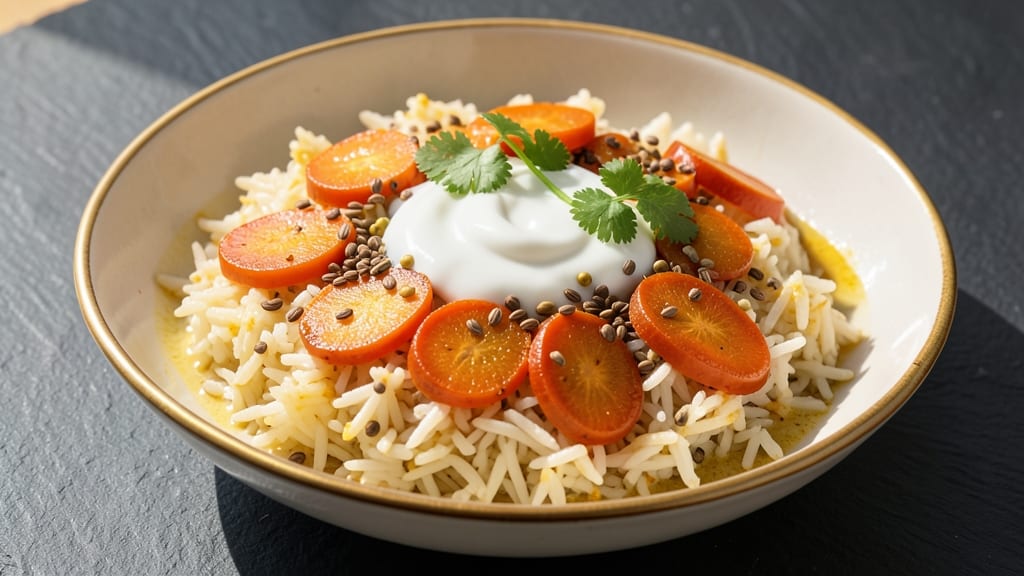
This Indian carrot rice recipe transforms humble ingredients into a fragrant, one-pot masterpiece that captures the essence of South Indian home cooking. 💛 The secret lies in tempering whole spices like cumin and mustard seeds, which release their aromatic oils into the rice while caramelizing the carrots into sweet, tender morsels.
My grandmother used to make this dish during Diwali, and the golden hue and nutty flavors always brought our family together—it’s that comforting, that familiar.
The beauty of this recipe is its simplicity: one-pot, minimal prep, and no fancy techniques required. Basmati rice cooks in its own steam while absorbing the flavors of turmeric, ginger, and coconut milk, creating a dish that’s both hearty and light.
The carrots soften just enough to hold their shape, adding natural sweetness that balances the earthy spices. It’s the kind of meal that feels like a hug on a plate—perfect for weeknight dinners or festive gatherings.
What makes this carrot rice truly special is the layering of flavors: the warm cumin, the bright pop of mustard seeds, the creamy coconut milk, and the subtle sweetness of the carrots. Each bite delivers a harmonious blend that’s both comforting and sophisticated.
The dish pairs beautifully with curries, lentils, or even as a standalone meal—its versatility makes it a staple in my kitchen. Ready to bring a taste of India to your table?
Traditional variations include adding cashews for crunch or a squeeze of lemon at the end for brightness, but the core technique remains the same. This recipe is vegetarian, gluten-free, and packed with nutrients—proof that comfort food can also be wholesome. Let’s get cooking!
Ingredients for carrot rice recipe indian
One-pot magic with fragrant spices and tender carrots—this vegetarian dish brings South Indian flavors to your table.
| Ingredient | Amount | Notes |
|---|---|---|
| Basmati Rice 🍚 | 1 cup | Uncooked, long-grain preferred |
| Carrots 🥕 | 2 cups | Medium, peeled and chopped |
| Coconut Milk 🥥 | 1 can | Full-fat, 13.5 oz total |
| Mustard Seeds 🌶️ | 1 tsp | Yellow or brown variety |
| Cumin Seeds 🌶️ | 1 tsp | Whole seeds, toasted |
| Turmeric Powder 🌿 | ½ tsp | Freshly ground preferred |
| Ginger 🧄 | 1 tbsp | Fresh, grated |
| Garlic Cloves 🧄 | 2 cloves | Peeled and minced |
| Green Chilies 🌶️ | 2 whole | Slit lengthwise, optional |
| Salt 🧂 | ¾ tsp | Adjust to taste |
| Vegetable Oil 🫒 | 2 tbsp | For tempering |
| Fresh Coriander Leaves 🌿 | ¼ cup | Chopped, for garnish |
| Lemon Juice 🍋 | 1 tbsp | Freshly squeezed |
The spices are where this dish shines. Whole mustard and cumin seeds should be toasted until they sizzle—this releases their aromatic oils, which is the soul of the recipe. Penzeys Spices or local Indian markets are great for quality whole spices, but the grocery store bulk bins work too. Look for vibrant yellow turmeric powder—freshly ground has more punch. The ginger and garlic should be freshly grated and minced for the best flavor. For the carrots, medium-sized ones caramelize perfectly; avoid baby carrots as they turn mushy. The coconut milk can be full-fat or light, but full-fat gives a richer texture.
No mustard seeds? Asafoetida (hing) at half the amount works in a pinch, though it’s more of a flavor enhancer than a replacement. Running out of cumin? Coriander seeds at the same amount will give a slightly different but still delicious profile. Fresh ginger and garlic can be swapped for powdered versions, but use half the amount—they lack the depth. The green chilies are optional, but if you skip them, add a pinch of cayenne for heat. For the coconut milk, if you only have the carton kind, reduce it by half since it’s much thinner than canned. And if you’re feeling adventurous, a pinch of cardamom pods while tempering adds a luxurious touch.
This dish tastes even better the next day as the flavors meld. Store in an airtight container in the fridge for up to 4 days. For a quick meal, microwave portions for 2-3 minutes with a splash of water. The rice keeps well for 3 months frozen—portion it into single servings for easy reheating. Garnish with fresh coriander and a squeeze of lemon right before serving to brighten the flavors. Leftovers reheat beautifully, making this a perfect make-ahead dish for busy weeknights.
Why You'll Love This Recipe
- One-Pot Magic: I swear by this—just toss everything in one pot, stir twice, and walk away. The basmati rice cooks right into the carrot-coconut milk mix without sticking, and honestly? That’s my kind of cooking.
- Coconut-Caramel Crunch: The moment those mustard and cumin seeds pop, the coconut milk transforms into something rich and slightly sweet, while the carrots caramelize into tender, buttery bites. It’s like dessert sneaking into your lunchbox.
- Lunchbox Hero: Between us, this is my go-to for packed lunches—holds up for days, stays creamy, and even my picky-eating coworker asks for seconds. The coconut milk keeps it from drying out, and the spices make it taste fresh every time.
- Pantry Staple Power: I make a big batch on Sundays because it’s cheap (carrots and rice stretch forever) and turns into something different every time—curry, salad, or even a side for grilled fish. Leftovers? They’re just better the next day.
Step-by-step instructions for Indian carrot rice
This one-pot method delivers fragrant, perfectly balanced carrot rice with vibrant spices and tender carrots.
🍳 Step 1: Temper the Spices for Maximum Flavor
Heat the 2 tablespoons vegetable oil in a heavy-bottomed pot over medium heat. Add the 1 teaspoon cumin seeds and 1 teaspoon mustard seeds—they'll sizzle and pop within 10-15 seconds. This is your signal to add the 2 whole green chilies (if using) and let them sizzle for 30 seconds until fragrant.
Next, add the 1 tablespoon grated ginger, 2 minced garlic cloves, and 0.5 teaspoon turmeric powder. Stir constantly for 1 minute until the raw garlic smell disappears and the spices bloom into a warm, earthy aroma. This step builds the flavor foundation—don't rush it. The spices should be aromatic but not browned.
🍳 Step 2: Cook the Carrots Until Tender
Add the 2 cups chopped carrots to the pot and stir to coat in the spiced oil. Cook over medium-high heat for 5-6 minutes, stirring occasionally, until the carrots soften slightly but still retain their shape. You're aiming for a texture that's just beginning to break down—think "al dente" for carrots.
Here's the thing—if the carrots release too much moisture, reduce heat to medium and let them cook uncovered for 2-3 minutes to evaporate excess liquid. This prevents a watery rice later. The carrots should be vibrant orange and just tender enough to pierce easily with a fork.
👨🍳 Step 3: Add Rice and Toast for Nutty Depth
Stir in the 1 cup basmati rice, coating each grain thoroughly with the spice-carrot mixture. Toast for 1-2 minutes until the rice becomes translucent at the edges and you can smell its nutty aroma. This step is crucial—it prevents mushy rice by developing the starches properly.
Now pour in 1 can coconut milk and add 0.75 teaspoon salt. Stir gently to combine, then bring to a gentle simmer. Cover the pot with a tight-fitting lid and reduce heat to low. Let it cook undisturbed for 15 minutes—this initial cooking allows the rice to absorb initial moisture without sticking.
⏰ Step 4: Simmer to Perfect Texture
After 15 minutes, check the rice. If it's still firm in the center, continue cooking for another 5-7 minutes over low heat. The rice should be tender but still have a slight bite—this ensures it doesn't turn mushy. If the mixture looks dry, add 2-3 tablespoons water and stir gently.
Real talk: Your oven might run hot, so start checking at the 20-minute mark. The rice is done when the grains are tender but still separate slightly at the edges. If it sticks to the pot, you've overcooked it—this dish should have a slight resistance when pressed with a spoon.
🥘 Step 5: Finish with Fresh Herbs and Zing
Remove from heat and let the rice sit covered for 5 minutes. This resting period allows flavors to meld and any remaining moisture to distribute. Then stir in the 0.25 cup chopped fresh coriander leaves and 1 tablespoon lemon juice, tossing gently to incorporate.
For serving, fluff the rice with a fork and adjust seasoning if needed—sometimes the coconut milk needs a touch more salt. Garnish with additional coriander if desired. The final dish should have vibrant orange carrots, fragrant spices, and a creamy yet light texture from the coconut milk.
Pro Tips For Making Carrot Rice Recipe Indian
- Toast Seeds Properly: Crank the heat high before adding mustard and cumin—you want them popping like fireworks, not simmering like tea. I learned this the hard way when my first batch tasted flat because I played it safe with medium heat.
- Dice Carrots Small: Cut them into ¼-inch pieces or smaller, so they cook evenly with the rice. Larger chunks stay crunchy while the rest turns mushy—trust me, no one wants that texture surprise.
- Don’t Boil the Rice: Once you add water to the rice, reduce to the lowest simmer possible—barely a bubble here and there. High heat turns basmati into glue, and coconut milk will just make it worse.
- Stir in Coconut Milk Late: Wait until the rice is just done—grains should still have a slight bite—then fold in the coconut milk. Adding it too early makes the rice gummy, and you’ll end up with a sad, heavy dish.
Pro cooking tips for this dish
Spice Toasting Mastery
Toast your cumin and mustard seeds until they sizzle and pop—this releases their aromatic oils, which is where 80% of the flavor comes from. Use a heavy-bottomed pot to prevent burning.
I like to add the seeds over medium heat and watch closely—they should darken slightly but not burn. This step takes just 10-15 seconds, but timing is everything. 🌶️
Pro tip: If you're using green chilies, add them right after the seeds pop to infuse their heat into the oil. For extra depth, crack a cardamom pod into the pot at this stage—it adds a floral note that elevates the dish.
The spices should smell warm, earthy, and slightly sweet when properly toasted.
Carrot Texture Control
Cook the carrots until they're just tender—think al dente but not mushy. Overcooking releases too much moisture, which can dilute the rice later. I aim for 5-6 minutes on medium-high heat, stirring occasionally.
If the carrots release excess liquid, reduce heat to medium and let it evaporate uncovered for 2-3 minutes. 🥕
For even cooking, cut the carrots into even-sized pieces (about ½-inch thick slices or ½-inch cubes). This ensures they soften uniformly without turning to mush. A sharp chef's knife makes quick work of this—no need for a mandoline unless you're feeling fancy.
Rice Toasting Secrets
Toast the rice for 1-2 minutes after adding it to the pot—this develops nutty flavors and prevents mushy grains. Stir constantly so the rice grains get evenly coated in the spiced oil.
You'll know it's ready when the edges become translucent and you can smell the nutty aroma. This step is non-negotiable for perfect texture. 🍚
If you're using basmati rice, rinse it first to remove excess starch, but don't soak it—this can make the rice gummy. For extra fluffiness, add a pinch of salt to the water (or coconut milk) to help the grains separate.
The rice should cook in its own steam, so resist the urge to peek under the lid while it simmers.
Simmering Like a Pro
After adding the coconut milk, bring to a gentle simmer and cook undisturbed for 15 minutes. This initial cooking allows the rice to absorb moisture without sticking.
If the rice looks dry after this time, add 2-3 tablespoons water and give it another 5 minutes. The key is patience—rushing leads to uneven cooking. ⏰
Check for doneness by pressing a grain between your fingers—it should be tender but still have a slight resistance. If it's completely soft, it's overcooked. The rice should be firm in the center but cook through during the final resting period.
For best results, use a tight-fitting lid to trap steam and cook the rice evenly.
Nutrition facts
Frequently asked questions
Can I use regular long-grain rice instead of basmati?
You can try, but basmati is ideal for this dish because its slender grains stay separate and absorb flavors beautifully. If you're using regular long-grain rice, rinse it thoroughly first to remove excess starch, which can make the rice gummy. The cooking time may also need adjustment—check for doneness at 20-25 minutes instead of 20 minutes.
How do I make this dish spicier?
Add ½ teaspoon cayenne pepper or 1 extra green chili during the tempering stage. For heat lovers, toast ½ teaspoon red chili flakes with the seeds or stir in 1 teaspoon sambar powder after cooking. Always taste as you go—spice builds gradually in this dish.
Can I prepare this carrot rice ahead of time?
This dish tastes even better the next day as flavors meld. Store in an airtight container in the fridge for up to 4 days. Reheat portions with 1-2 tablespoons water in the microwave for 2-3 minutes, stirring halfway. For freezer storage, portion into single servings and freeze for up to 3 months.
What can I serve with this carrot rice?
This dish pairs perfectly with mild curries like dal tadka or coconut milk-based veggie curries. For protein, try grilled paneer or spiced chickpeas. It also works as a standalone meal with a side of raita or papadums for crunch. The coconut-milk flavors make it especially complementary to tangy dishes.
Why did my rice turn out mushy?
Mushy rice usually happens from overcooking or insufficient toasting.