
Main Courses
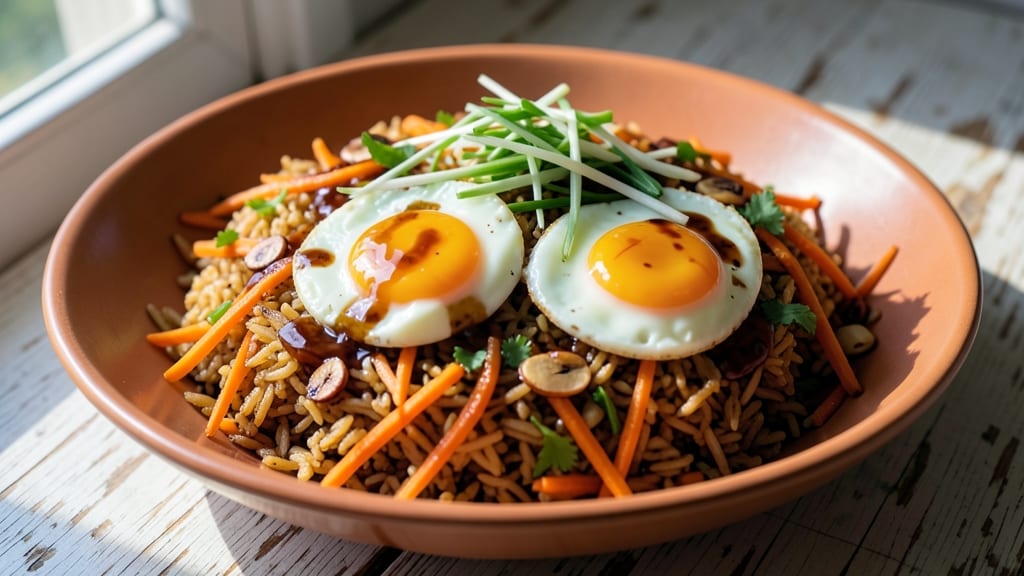
A vegetarian carrot fried rice transforms simple ingredients into a vibrant, wok-hei-infused dish that balances sweet and savory flavors. The secret lies in proper stir-frying technique—high heat, quick cooking, and constant motion—to achieve that signature smoky aroma and tender texture.
This recipe delivers restaurant-quality results with minimal effort, perfect for weeknight dinners or meal prep.
Sweet julienned carrots meet aromatic garlic, soy sauce, and a touch of sesame oil for depth, while optional eggs add richness. The key is using day-old rice to prevent mushiness, and finishing with a splash of rice vinegar for brightness.
Whether you keep it vegetarian or swap in tofu for a vegan twist, this dish adapts effortlessly to any preference.
Ingredients for carrot fried rice
Julienned carrots and day-old rice create a vibrant, restaurant-quality vegetarian fried rice.
| Ingredient | Amount | Notes |
|---|---|---|
| Day-Old Cooked White Rice 🍚 | 4 cups | Cold or room temperature preferred |
| Orange Carrots 🥕 | 2 medium | Julienned into matchsticks |
| Large Eggs 🥚 | 2 whole | Optional for added richness |
| Garlic Cloves 🧄 | 4 cloves | Minced for aromatic depth |
| Green Onions 🧅 | ¼ cup | Thinly sliced, white and green parts |
| Light Soy Sauce 🥄 | ¼ cup | Kikkoman preferred for balance |
| Sesame Oil 🫒 | 1 tbsp | Toasted for nutty aroma |
| Rice Vinegar 🍶 | 1 tbsp | For brightness and acidity |
| Vegetable Oil 🫒 | 2 tbsp | High smoke point for stir-frying |
| Toasted Sesame Seeds 🌾 | 1 tbsp | For garnish and texture |
| Salt 🧂 | ½ tsp | Diamond Crystal preferred |
| Black Pepper 🌶️ | ¼ tsp | Freshly ground for heat |
| White Pepper 🌶️ | ¼ tsp | For subtle earthy notes |
The carrots are the star here—bright orange varieties like Danvers or Nantes hold their color best during stir-frying. Whole Foods or Trader Joe's carry excellent organic options, but any firm, vibrant carrots work. For julienning, a mandoline makes quick work, but a sharp chef's knife works too—just be careful with those thin strips. The rice should be completely cooled before cooking; microwave it for 2 minutes if it's straight from the fridge to speed up the process. Jasmine or basmati rice works best for this dish due to their distinct grains and mild flavor.
No eggs? Silken tofu crumbles add a similar protein boost—just pat it dry first. Substituting soy sauce? Tamari works perfectly for gluten-free needs. The sesame oil is non-negotiable for that signature wok hei aroma, but if you're avoiding it completely, toasted peanut oil can mimic some of the nutty depth. For the garlic, freshly minced is ideal, but garlic powder at half the amount works in a pinch. The green onions can be swapped for scallions or chives if that's what you have on hand.
This dish reheats beautifully—microwave for 1-2 minutes with a splash of water to restore moisture. Store leftovers in an airtight container for 4-5 days in the fridge, or freeze for up to 3 months by portioning into single servings. For meal prep, cook the rice and julienne the carrots ahead, then stir-fry fresh when ready to serve. The flavors actually improve overnight as everything melds together—worth making a double batch if you can.
Why You'll Love This Recipe
- No-Chop Needed: I swear by this trick—just julienne those carrots once at the start of the week and store them in the fridge. Toss them straight into the wok with the rice, and they soften perfectly without extra effort. (Yes, even when I’m scrolling through my phone mid-cook.)
- Garlic Egg Magic: That first sizzle of minced garlic in the hot pan? It’s the real MVP. The eggs scramble into fluffy little clouds while the garlic mellows into sweet, buttery depth—no need for fancy seasoning. My kids still ask for seconds, and I haven’t even added soy sauce yet.
- Lunchbox Hero: Pack this cold the next day, and it’s a hit at work or school. The carrots stay bright, the rice holds its shape, and the egg bits add protein that actually sticks to your fork. Honestly, I’ve sent this in a thermos for potlucks, and no one’s ever questioned why I brought fried rice twice.
- Pantry Staple Power: Use up whatever rice you have lurking in the fridge, dice carrots from last week’s grocery haul, and crack open eggs you’d otherwise forget. The cost? Less than $2 per serving. Between us, this is how I feed my family for $15 on grocery nights. No guilt, all flavor.
Step-by-step instructions for sweet and savory carrot fried rice
Master this technique and you'll achieve authentic wok hei flavor with perfectly balanced sweetness and umami.
Prep Ingredients for Maximum Flavor Development
Begin by julienning the 2 medium orange carrots into matchstick-sized pieces using a mandoline or sharp knife. The uniform size ensures even cooking and consistent texture throughout the dish. Spread the julienned carrots on a paper towel and sprinkle with a pinch of the 0.5 tsp salt—this draws out excess moisture that would otherwise steam the carrots instead of caramelizing them.
While the carrots drain, mince the 4 cloves garlic cloves and thinly slice the 0.25 cup green onions, separating the white and green parts. The garlic should be finely minced so it blends seamlessly into the rice without overpowering it. Keep all prepped ingredients in separate bowls until ready to use—this organized approach is called mise en place, and it prevents rushed cooking later.
Create the Egg and Seasoning Base
In a small bowl, whisk together the 2 whole large eggs until the yolks and whites are fully combined. Add the 0.25 cup light soy sauce, 1 tbsp rice vinegar, 0.25 tsp black pepper, and 0.25 tsp white pepper to the egg mixture. The vinegar brightens the dish while the white pepper adds subtle earthiness that complements the carrots. Mix well and set aside.
In another small bowl, combine the 0.5 tsp remaining salt with the 1 tbsp toasted sesame seeds. This mixture will be sprinkled at the end for both texture and seasoning. The sesame seeds should be toasted until fragrant—if not already toasted, dry toast them in a small pan over low heat for 2-3 minutes until golden and nutty.
Stir-Fry the Carrots and Aromatics
Heat a wok or large skillet over high heat until it's smoking slightly. Add the 2 tbsp vegetable oil and swirl to coat the surface evenly. Once the oil shimmers but doesn't smoke excessively, add the julienned carrots. Stir-fry for 2-3 minutes until they begin to soften and develop a slight caramelization at the edges—this is where the sweetness comes from.
Push the carrots to one side of the wok and add the minced garlic cloves. Stir for 10-15 seconds until fragrant—garlic burns quickly, so don't walk away. Add the white parts of the green onions and stir for another 20 seconds until they soften slightly. This aromatic base forms the flavor foundation for the entire dish.
Cook the Eggs and Combine with Rice
Pour the egg mixture into the wok, tilting the pan to spread it evenly. Let it cook undisturbed for 10-15 seconds until the edges begin to set, then gently scramble with a spatula until just set but still slightly moist. The eggs should be softly cooked—not fully scrambled—to maintain their creamy texture.
Add the 4 cups day-old cooked white rice to the wok, breaking up any large clumps with your spatula. The rice should be cold or at room temperature—never hot, as this causes the fried rice to turn mushy. Stir-fry for 2-3 minutes until the rice is heated through and begins to absorb the flavors from the egg and aromatics.
Finish with Sesame Oil and Garnish
Drizzle the 1 tbsp sesame oil over the rice in a slow, even stream while stirring continuously. The oil should coat the rice evenly, enhancing its aroma and adding nutty depth. Taste the rice and adjust seasoning if needed—you may need a splash more light soy sauce or a pinch of salt to balance the flavors.
Remove the wok from heat and transfer the fried rice to serving plates. Sprinkle evenly with the reserved sesame seed and salt mixture, then garnish with the green onion tops for freshness and color. Serve immediately while the wok hei flavor is at its peak—this dish tastes best fresh from the wok.
Pro Tips For Making Carrot Fried Rice
- CRISP THE CARROTS FIRST: I learned this the hard way—soft carrots turn your fried rice into mushy orange mush. Sauté them in a separate pan with a pinch of salt until just tender-crisp (about 5-6 minutes on medium-high), then set aside. They’ll stay firm when everything comes together later, adding that satisfying bite.
- SCRAMBLE EGGS LOW AND SLOW: High heat makes rubbery eggs, and nobody wants that in fried rice. Push the eggs to one side of the pan, let them set for 10 seconds, then gently fold—repeat until just set, not fully cooked. The residual heat will finish them when you add the rice, keeping them creamy and clingy.
- USE COLD DAY-OLD RICE: Fresh rice is a disaster—it turns gummy and glues your pan. Spread leftover rice on a tray, refrigerate 2+ hours (or overnight), then break up clumps with your fingers before stirring. Cold rice toasts faster and absorbs flavors better, no matter how impatient you are.
- SAVE TIME WITH GARLIC OIL: Skip mincing garlic—just crush 3 cloves with the flat side of your knife, then fry them whole in the oil for 30 seconds until fragrant. Remove them (they’ll soften later), and you’ve got built-in flavor without the mess. Bonus: the oil’s aroma infuses the whole dish instantly.
Health benefits of these flavors
Fiber Powerhouse
This carrot fried rice packs a serious fiber punch—4 grams per serving from the carrots alone, plus the rice adds another 3 grams. Fiber supports digestive health by promoting regularity and feeding beneficial gut bacteria.
The julienned carrots retain their natural fiber structure, which helps stabilize blood sugar levels after meals. 🥕
Vitamin A Boost
Bright orange carrots are loaded with vitamin A, with one serving providing 150% of your daily needs. This nutrient is essential for maintaining healthy vision, immune function, and skin health. The stir-frying process preserves most of the vitamin A content, unlike boiling which can degrade heat-sensitive vitamins.
Plant-Based Protein
While not a complete protein source, this dish delivers 8 grams of plant-based protein per serving from the eggs (or tofu in vegan versions) and rice. The combination of eggs and rice creates a complete amino acid profile, making it a satisfying protein option for vegetarians.
For extra protein, consider adding ½ cup crumbled firm tofu to your stir-fry.
Antioxidant Rich
Carrots contain beta-carotene, a powerful antioxidant that converts to vitamin A in your body. This dish provides 20% of your daily beta-carotene needs per serving, helping protect cells from oxidative damage. The sesame oil adds additional antioxidants, particularly sesamin, which supports heart health.
Low-Calorie Comfort
At just 350 calories per serving, this fried rice delivers satisfying flavors without excessive calories. The high fiber content helps keep you full longer, making it an excellent option for balanced meals. The dish's natural sweetness from carrots reduces the need for added sugars while keeping it delicious.
Blood Sugar Balance
The combination of fiber, protein, and complex carbohydrates in this dish helps prevent blood sugar spikes. The low glycemic index of the rice (especially when cooled) and the fiber from carrots work together to create a more stable energy release.
This makes it a smart choice for anyone managing blood sugar levels.
Nutrition facts
Frequently asked questions
Why does the recipe specify day-old rice?
Day-old rice is crucial because its dried surface prevents clumping and ensures each grain gets properly coated with flavor. Freshly cooked rice releases too much moisture when stir-fried, resulting in mushy texture. If you must use fresh rice, spread it on a tray and refrigerate for 1 hour to dry it out first.
Can I make this vegetarian or vegan?
For vegetarian, simply omit the eggs or replace them with ½ cup crumbled firm tofu (pressed and patted dry). For vegan, use tofu and swap soy sauce for tamari. The dish remains equally flavorful while keeping it plant-based. The carrots and sesame oil provide enough richness without animal products.
How do I get that restaurant-quality wok hei flavor?
Wok hei comes from high heat and rapid cooking. Use a wok or cast-iron skillet on maximum heat until smoking, then work quickly. The sesame oil finish is key—drizzle it while stirring continuously to coat the rice evenly. For extra aroma, toast the sesame seeds in the pan for 10 seconds before adding to the rice.
What if my carrots turn mushy during cooking?
Mushy carrots usually mean they absorbed too much moisture. Always salt and drain julienned carrots for 10 minutes before cooking. Also ensure your wok is properly heated—cool oil or low heat causes steaming instead of caramelization. For extra crispness, stir-fry the carrots first until they develop slight edges before adding other ingredients.
Can I meal prep this fried rice?
Yes, but with a few adjustments. Cook and cool the rice completely, then store in an airtight container for 4-5 days. Reheat in the microwave with 1 tbsp water per cup of rice, covered, for 1-2 minutes. For best texture, finish with fresh sesame oil and green onions after reheating. The flavors actually improve overnight as everything melds together!