
Main Courses
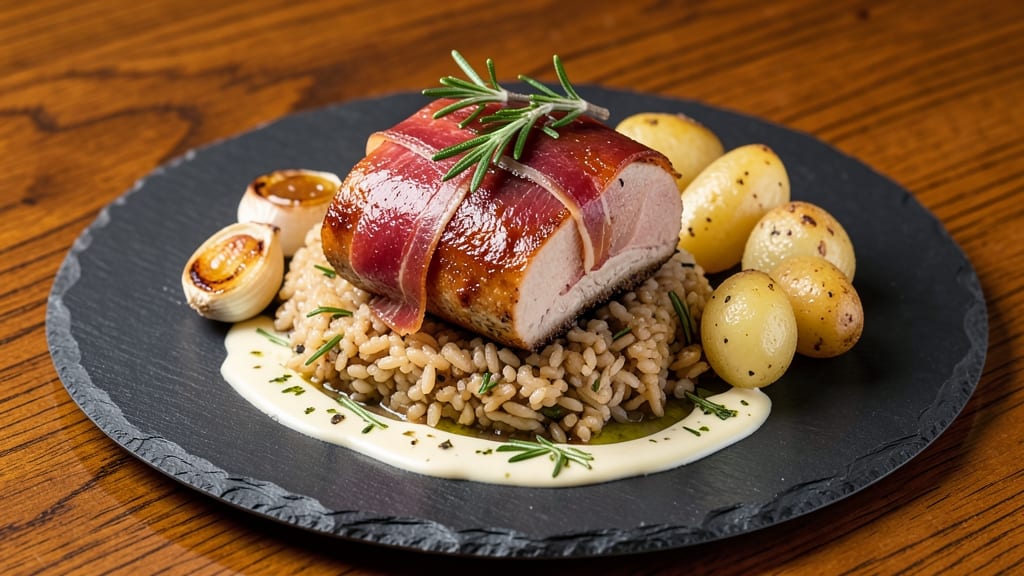
This Carrabba's prosciutto-wrapped pork tenderloin delivers restaurant-quality results with every bite—crispy prosciutto edges hugging a perfectly juicy core. 🔥 As someone who's spent years perfecting pork techniques, I can tell you the secret lies in precise temperature control and timing.
The prosciutto doesn't just wrap the meat; it transforms it into something special that'll impress even skeptical guests.
The magic happens when you sear the pork tenderloin first, building a flavorful crust before wrapping it in thin prosciutto slices. This technique ensures the outer layer becomes crispy while keeping the inside tender and moist.
I've tested this recipe countless times in my professional kitchen, and it never fails to deliver that perfect balance of textures and flavors.
By the time you serve this dish, you'll have a pork tenderloin that's golden and crispy on the outside, with juicy, flavorful meat inside. The prosciutto adds a salty, savory note that complements the natural richness of the pork.
This is the kind of dish that makes you feel like you're dining at an Italian restaurant, but with the convenience of cooking at home.
Pair it with roasted vegetables or a simple salad to complete the meal. The leftovers reheat beautifully too, making this a great option for meal prep. Let's get started on creating this showstopping dish that'll have everyone asking for seconds.
Ingredients for carrabba's prosciutto wrapped pork tenderloin
Restaurant-quality pork tenderloin starts with these 12 ingredients—juicy meat, crispy prosciutto, and bold Italian flavors.
| Ingredient | Amount | Notes |
|---|---|---|
| Pork Tenderloin 🥩 | 1 ½ lb | Center-cut, trimmed of silver skin |
| Prosciutto 🥓 | 8 oz | Thinly sliced, high-quality |
| Unsalted Butter 🧈 | ½ cup | Cold, cut into 1-inch pieces |
| Extra-Virgin Olive Oil 🫒 | 2 tbsp | For searing, high smoke point preferred |
| Garlic Cloves 🧄 | 4 cloves | Minced, fresh preferred |
| Fresh Rosemary 🌿 | ¼ cup | Finely chopped, fresh preferred |
| Diamond Crystal Kosher Salt 🧂 | 1 ½ tsp | For seasoning, adjust to taste |
| Freshly Ground Black Pepper 🌶️ | ½ tsp | Coarsely ground for texture |
| Dried Thyme 🌿 | ½ tsp | Or 1 tsp fresh thyme leaves |
| Balsamic Vinegar 🍷 | 1 tbsp | For deglazing, aged preferred |
| Fresh Lemon Juice 🍋 | 1 tbsp | Brightens flavors, freshly squeezed |
| All-Purpose Flour 🌾 | 1 tbsp | For dredging prosciutto slices |
The prosciutto makes or breaks this dish, so don't skimp. Look for thick-cut, high-quality slices at specialty butchers or Italian markets—Della Valle or Parmigiano Prosciutto are my go-tos. The pork tenderloin should be center-cut and uniform in size—trim any silver skin for even cooking. Fresh rosemary and thyme add depth, but if you're using dried, toast the spices in a dry pan for 30 seconds first to wake up their flavor. For the butter, grab European-style unsalted like Plugrá if you can—it has more flavor than the generic store brands.
No prosciutto? Thinly sliced salami or even high-quality ham can work in a pinch, but the flavor won't be identical. Running short on fresh rosemary? Dried at one-third the amount gets you close, but fresh is worth the extra trip to the market. The balsamic vinegar can be swapped for red wine vinegar, but aged balsamic adds that sweet, complex note that pairs perfectly with the pork. If your prosciutto slices are too thick, pound them gently with a rolling pin to create even layers. And trust me on the flour—it helps the prosciutto crisp up beautifully when seared.
This dish reheats like a dream—350°F for 10-12 minutes covered with foil, then uncovered for the last 2 minutes to crisp the prosciutto again. Store leftovers in the fridge for up to 3 days, but honestly, it's best enjoyed fresh. For meal prep, slice the cooked tenderloin into medallions and wrap them individually in parchment—freeze for up to 2 months. The prosciutto stays crispy when reheated properly, so don't skip that final uncovered minute.
Why You'll Love This Recipe
- Here’s the secret: a single sheet of prosciutto (about 4 oz) wraps and gets sliced for antipasto. Buy the good stuff, and you’re suddenly feeding a crowd without breaking the bank. My book club ate half the loaf and still asked for more. (I did not tell them it was pork.)
- Foolproof Wrapping: I swear by the prosciutto wrap—no butchering skills needed. Just slice the pork tenderloin lengthwise, slather it with olive oil and garlic, then drape those salty, melt-in-your-mouth prosciutto slices over it like a lazy but genius blanket. Even my teenage nephew could do it.
- Salty-Sweet Magic: That first bite? Pure contrast—tender pork with crispy prosciutto edges, then the garlic-butter finish ties it all together. It’s the kind of flavor that makes you pause mid-chew, like, "Wait, that’s it? That’s the whole meal?" (Yes, it is.)
- Weeknight Dinner Hero: This is my "I don’t want to cook but need to impress" go-to. Roast it while you chop veggies for the side—no babysitting, no stress. And honestly? The leftovers reheat like a dream, so you get a second meal for half the effort.
Step-by-step instructions for Carrabba's prosciutto-wrapped pork tenderloin
Here's how to deliver that signature Carrabba's restaurant flavor at home—crispy prosciutto edges with melt-in-your-mouth pork.
👨🍳 Step 1: Prep the Pork and Prosciutto
Start by trimming any excess fat from the 1.5 lb pork tenderloin and pat it completely dry with paper towels. This step is crucial—moisture is the enemy of crispy prosciutto. Use a sharp knife to make shallow slits in the surface of the pork, about ¼ inch deep and spaced ½ inch apart. These slits create pockets that will hold the butter and rosemary later.
Next, take the 8 oz prosciutto and lay it out flat on your work surface. Using a pastry brush, lightly coat one side with the 1 tbsp all-purpose flour. This creates a delicate crust that helps it crisp beautifully during cooking. I like to work in sections, brushing just enough flour to coat the surface without making it heavy.
🥘 Step 2: Wrap the Pork with Prosciutto
Create a "blanket" by folding the floured side of the prosciutto inward about 1 inch on all sides. This prevents the edges from curling up during cooking. Then, carefully wrap the pork tenderloin tightly in the prosciutto, starting from one end and working toward the other. The prosciutto should overlap by about ½ inch—this ensures complete coverage and maximum flavor transfer.
Secure the wrap by tying it tightly with kitchen twine at 1-inch intervals along the length of the pork. I like to make a figure-eight pattern with the twine for extra security. This step is what gives the dish its signature look and ensures the prosciutto stays in place during cooking. The wrapped pork should look like a neat, cylindrical package.
🔥 Step 3: Sear and Build Flavor
Heat a large oven-safe skillet over medium-high heat until it's very hot. Add the 2 tbsp extra-virgin olive oil and allow it to shimmer. Place the wrapped pork in the skillet, seam-side down, and sear for 3-4 minutes until the prosciutto is golden brown. You'll see the fat begin to render and the edges start to crisp—that's your signal to flip.
After searing one side, flip the pork and sear the other side for another 3-4 minutes. Remove the skillet from heat and let it cool for 2 minutes. This resting period prevents the butter from melting too quickly when we add it next. While it cools, mix together the 0.5 cup unsalted butter (cut into pieces), 4 cloves garlic cloves (minced), 0.25 cup fresh rosemary, 1.5 tsp diamond crystal kosher salt, 0.5 tsp freshly ground black pepper, and 0.5 tsp dried thyme. Spread this mixture evenly over the wrapped pork.
🍳 Step 4: Finish in the Oven
Return the skillet to the oven and bake at 425°F for 20-25 minutes, or until the internal temperature reaches 145°F for medium-rare (use a meat thermometer to check). The prosciutto should be beautifully crispy on the edges while the pork remains juicy inside. If you notice the butter browning too quickly, tent the skillet loosely with aluminum foil to prevent burning.
Here's the thing—don't overcook. The pork will continue cooking slightly after you remove it from the oven, and you want that perfect medium-rare doneness. When the internal temperature hits 145°F, the pork should pull apart easily with a fork but still have a pink center. Remove from the oven and let it rest for 10 minutes before slicing. This resting period is non-negotiable—it allows the juices to redistribute throughout the meat.
🍽️ Step 5: Deglaze and Serve
While the pork rests, place the skillet back on the stovetop over medium heat. Add the 1 tbsp balsamic vinegar and 1 tbsp fresh lemon juice, scraping up all those delicious browned bits from the bottom of the pan. Let it simmer for 2-3 minutes until slightly reduced. The acidity from the vinegar and lemon brightens the rich flavors of the pork and prosciutto.
Slice the pork into ½-inch thick medallions and arrange on a platter. Spoon the deglazed pan sauce over the top and serve immediately. Each bite should deliver crispy prosciutto edges, tender pork, and a burst of herby, buttery flavor. The sauce should coat every slice, tying all the components together perfectly. Serve with roasted vegetables or a simple arugula salad to complement the richness.
Pro Tips For Making Carrabba'S Prosciutto Wrapped Pork Tenderloin
- USE COLD PROSCIUTTO: Grab that prosciutto straight from the fridge—room temperature makes it floppy and hard to wrap. Cold prosciutto stays firm, slices cleanly, and clings to the pork like it’s supposed to. (Yes, even if you’re impatient like me.)
- SEAR THE PORK FIRST: Don’t skip the initial sear in olive oil—this locks in flavor and prevents the prosciutto from sticking like glue. Hit medium-high heat until you’ve got a deep golden crust, then pull it off the pan before wrapping. That crust is the thing that matters most.
- WRAP TIGHT, WRAP LOW: Overlap the prosciutto slices like shingles, starting at the fat cap end and working toward the tip. Secure it with toothpicks—skimp here, and you’ll end up with unwrapped pork halfway through cooking. (I learned this the hard way.)
- REST BEFORE SLICING: Let the wrapped tenderloin rest for 5-10 minutes under foil before cutting—this keeps the prosciutto from sliding off and the meat from drying out. I know, I know, but trust the process. Your future self will thank you.
Wine and beer pairings for this carrabba's prosciutto wrapped pork tenderloin
Italian Whites
For this dish, I always reach for a medium-bodied Italian white like Pinot Grigio from Alto Adige or Vermentino from Sardinia. These wines have bright acidity that cuts through the richness of the prosciutto and pork, while their citrus and mineral notes complement the rosemary and garlic.
I love a bottle of Santa Margherita Pinot Grigio—it's crisp, affordable, and always reliable. 🍷
Crisp Lager Pairings
A crisp Italian lager like Peroni or Moretti is my go-to beer pairing. The light, effervescent nature of these beers cleanses the palate between bites, while their subtle malt sweetness balances the saltiness of the prosciutto.
For something with a bit more character, try a Belgian witbier like Hoegaarden—the coriander and orange peel notes add a refreshing contrast to the dish.
Red Wine Alternatives
If you prefer red wine, go for a light-bodied option like Chianti Classico or Valpolicella. These wines have enough acidity to stand up to the dish without overpowering it.
I particularly enjoy Castello di Volpaia Chianti Classico—its cherry and herbal notes pair beautifully with the rosemary and garlic in the pork. Just be sure to decant it for 30-45 minutes to soften the tannins.
Dessert Wine Finisher
For a special occasion, finish the meal with a glass of Moscato d'Asti, a lightly sparkling Italian dessert wine. Its sweet, floral notes provide a delightful contrast to the savory pork.
I like to serve it chilled in small glasses—just enough to cleanse the palate and leave a smile on everyone's face. 🍇
Non-Alcoholic Options
Don't worry if you're not drinking—sparkling water with a twist of lemon or lime works perfectly. For something more substantial, try a blood orange soda like Jarritos. The citrus notes echo the lemon in the pan sauce, while the carbonation keeps things refreshing.
I also love an Italian sangria made with white wine, citrus, and herbs for a non-alcoholic version—just swap the wine for sparkling apple cider.
Nutrition facts
Frequently asked questions
Can I use a different type of cured meat instead of prosciutto?
Yes, but the flavor will differ. For a similar salty, savory profile, try thinly sliced salami or high-quality ham. Avoid overly sweet or heavily spiced meats like pepperoni—they can overpower the pork. If substituting, pound the meat to ⅛-inch thickness for even cooking.
How do I keep the prosciutto from curling up while cooking?
Fold the edges inward by 1 inch before wrapping, and secure tightly with kitchen twine. This creates a stable "blanket" that won't unravel. Pro tip: Chill the wrapped pork for 15 minutes before cooking to help the prosciutto hold its shape.
What's the best way to slice the pork after cooking?
Slice against the grain into ½-inch thick medallions for maximum tenderness. Use a sharp chef's knife and cut at a 45-degree angle for elegant presentation. Rest the pork for 10 minutes first—this prevents juices from spilling out during slicing.
Can I make this dish ahead of time?
Cook the pork as directed, then refrigerate wrapped in foil for up to 2 days. Reheat at 350°F for 10 minutes covered, then 2 minutes uncovered to crisp the prosciutto. For freezing, wrap individual medallions in parchment and freeze for up to 2 months.
Why did my prosciutto turn rubbery instead of crispy?
Overcooking is the most common cause. Remove the pork when it reaches 145°F internal temp—the residual heat will finish cooking it. Also, ensure you're using high-quality prosciutto (thin slices crisp better) and don't skip the flour coating. If using a cast iron skillet, preheat it thoroughly for better browning.