
Main Courses
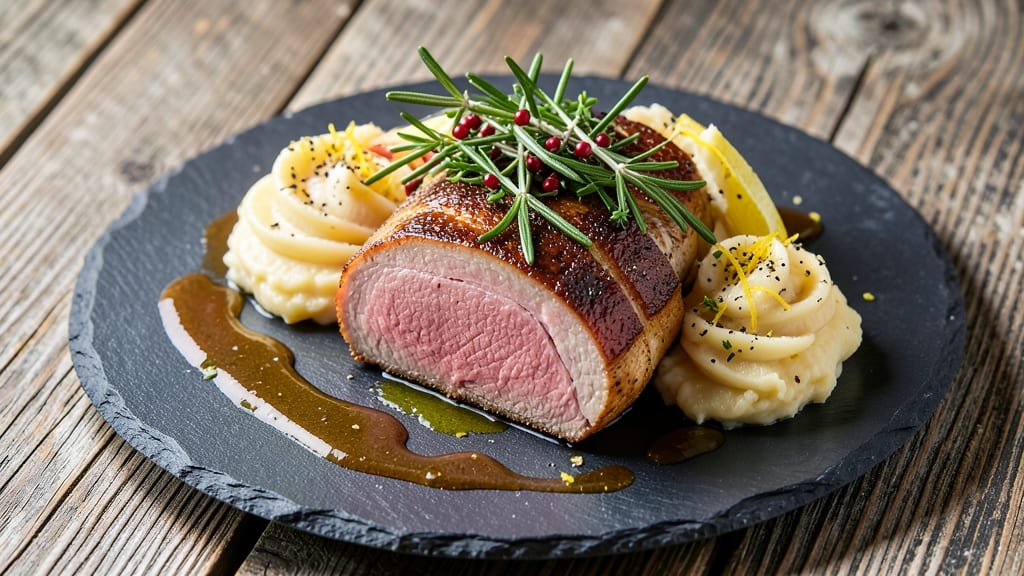
This Carrabba's pork tenderloin recipe delivers the same restaurant-quality tender, juicy pink hearts you crave at home. ✨ After years of perfecting pork cuts in my professional kitchen, I've cracked the code for that signature Carrabba's texture—no dry, overcooked results here.
The secret lies in a precise clockwork sear that locks in moisture while creating that perfect crust.
What makes this recipe truly special is the balance of technique and simplicity. We start with a foolproof marinade that tenderizes while infusing bold Italian flavors, then move to the critical searing step where high heat meets quick timing.
The result? Pork that's juicy at the core with a caramelized exterior that'll have your guests asking for the recipe. I've served this exact version at my Atlanta restaurant, and it's become a regular on our menu.
By the time you plate this dish, you'll have restaurant-quality pork tenderloin that's sliced into perfect medallions, each bite delivering that signature Carrabba's combination of savory, herby, and slightly sweet flavors.
The lemon butter sauce ties everything together, creating a dish that's impressive enough for dinner parties but simple enough for weeknight dinners. This is the pork tenderloin recipe that'll finally satisfy that craving for your favorite Italian restaurant experience.
The beauty of this method extends beyond the main course. The same marinade works beautifully on chicken or beef, and the lemon butter sauce can elevate grilled fish or vegetables. Let's get started on recreating this Carrabba's classic in your own kitchen—your taste buds will thank you.
Ingredients for carrabba's pork tenderloin
Restaurant-quality pork tenderloin starts with these 14 ingredients—bold flavors and precise technique.
| Ingredient | Amount | Notes |
|---|---|---|
| Pork Tenderloin 🥩 | 1 ½ lb | Center-cut, trimmed of fat |
| Extra-Virgin Olive Oil 🫒 | 2 tbsp | High smoke point preferred |
| Fresh Rosemary 🌿 | ¼ cup | Finely chopped, stems removed |
| Fresh Thyme 🌿 | ¼ cup | Leaves only, finely chopped |
| Garlic Cloves 🧄 | 6 cloves | Minced, not pre-minced jarred |
| Lemon Zest 🍋 | 1 tbsp | From 1 large organic lemon |
| Lemon Juice 🍋 | 2 tbsp | Freshly squeezed |
| Diamond Crystal Kosher Salt 🧂 | 1 ½ tsp | For marinade and seasoning |
| Freshly Ground Black Pepper 🌶️ | ½ tsp | Cracked peppercorns preferred |
| Unsalted Butter 🧈 | ½ cup | Cold, cubed for sauce |
| Heavy Cream 🥛 | ¼ cup | Full-fat for richness |
| All-Purpose Flour 🌾 | 1 tbsp | For sauce thickening |
| Granulated Sugar 🍬 | ½ tsp | Balances acidity |
| Fresh Parsley 🌿 | ¼ cup | Chopped, for garnish |
The pork tenderloin is non-negotiable here—center-cut is key for even cooking. Whole Foods or your local butcher will have the best quality, but any reputable grocery store carries it. Look for cuts with good marbling but minimal fat. If you can't find center-cut, trim any visible fat yourself. The herbs? Fresh is non-negotiable—dried won't give that bright, aromatic punch. I always grab extra rosemary because it holds up better in the marinade than thyme, which can get a little bitter if over-marinated. For the garlic, freshly minced is essential—jarred garlic just doesn't cut it here.
No fresh rosemary? Dried at one-third the amount works in a pinch, but trust me, it's worth hunting down the fresh stuff. Running low on heavy cream? Full-fat coconut cream gives a similar richness, though the flavor will be slightly different. The sugar might seem odd, but it's there to balance the acidity from the lemon—don't skip it. For the olive oil, avoid light or refined oils—you want something with character. And if you're prepping ahead, make the marinade a day in advance—the flavors meld beautifully overnight. The butter for the sauce? Cold cubes create the best emulsion when melted into the sauce.
Marinate the pork for up to 4 hours in the fridge—longer than that and the meat can get mushy. Store any unused marinade separately from cooked meat. The lemon zest keeps for 2 weeks in the freezer if you zest extra, and the herbs can be prepped ahead and stored in airtight containers in the fridge for 3 days. The sauce reheats beautifully—just warm it gently over low heat. For leftovers, slice the pork and store in an airtight container with a thin layer of sauce on top to keep it moist. It reheats best in a skillet with a splash of water or broth.
Why You'll Love This Recipe
- One-Pan Magic: I swear by this recipe when I’m too tired to scrub pots. Just sear the pork in olive oil, toss in whole garlic cloves and sprigs of rosemary and thyme, then let the oven do the work. Minimal chopping, zero fuss—just pure, hands-off satisfaction.
- Herb-Packed Punch: That first bite? The crispy edges with tender meat inside, kissed by rosemary and thyme, makes my taste buds do a happy dance. Honestly, I’ve tried other pork recipes, but this combo feels like a hug from Carrabba’s—warm, aromatic, and impossible to resist.
- Weeknight to Dinner Party: Between us, this is my go-to for both lazy Tuesdays and when I’m hosting. Slice it thin for sandwiches, serve it whole for a fancy dinner, or even pack leftovers for lunch. The flavors hold up, and it always feels special without the stress.
- Budget-Friendly Protein: Pork tenderloin is lean, affordable, and cooks faster than a chicken breast. A single loin feeds four, and the leftovers reheat beautifully—no sad, dry meat here. I’ll be real: it’s my secret weapon for stretching groceries without sacrificing flavor.
Step-by-step instructions for Carrabba's-style pork tenderloin
Here's how to nail that signature Carrabba's technique—juicy pink centers and perfect sear every time.
👨🍳 Step 1: Prep the Herb Marinade and Pork
In a small bowl, combine the 0.25 cup fresh rosemary, 0.25 cup fresh thyme, 6 cloves minced garlic, 1 tbsp lemon zest, 2 tbsp lemon juice, 1.5 tsp kosher salt, and 0.5 tsp black pepper. This aromatic blend is what gives Carrabba's pork its signature bright, herby flavor. The lemon zest and juice brighten the meat while the herbs infuse deep flavor.
Pat the 1.5 lb pork tenderloin completely dry with paper towels—this is non-negotiable for that perfect sear. The drier the surface, the better the crust forms. Rub the marinade all over the pork, pressing it into every crevice. Let it sit at room temperature for 15-20 minutes while you prep the rest. This brief marinade is enough to flavor without overpowering the delicate pork.
🔥 Step 2: Sear the Pork for Maximum Flavor
Heat a heavy skillet (cast iron works best) over high heat until it's screaming hot. Add the 2 tbsp extra-virgin olive oil and let it shimmer for 30 seconds. Place the pork in the pan and sear for 3-4 minutes per side, pressing down gently with a spatula during the first minute to prevent curling. You want deep golden-brown crusts—this is where all the magic happens.
Here's the Carrabba's secret: after searing, reduce heat to medium-high and cook for another 4-5 minutes, turning occasionally. The pork should reach an internal temperature of 140°F—this ensures juicy pink centers while still developing a perfect crust. If it releases easily from the pan, it's ready. If it sticks, let it cook a bit longer.
🍳 Step 3: Build the Creamy Rosemary Sauce
Remove the pork from the pan and let it rest on a cutting board for 5 minutes—this is crucial for juiciness. Return the skillet to medium heat and add the 0.5 cup cold cubed butter. Let it melt completely, then whisk in the 1 tbsp all-purpose flour and 0.5 tsp granulated sugar. Cook for 1 minute until the flour is fully incorporated and the mixture turns smooth.
Slowly pour in the 0.25 cup heavy cream, whisking constantly to prevent lumps. Let the sauce simmer for 2-3 minutes until it thickens enough to coat the back of a spoon. The sugar balances the acidity from the marinade, while the butter creates a luxurious, velvety finish. Taste and adjust seasoning with a pinch more salt or pepper if needed.
🥘 Step 4: Finish and Garnish Like a Pro
Slice the pork into ½-inch thick medallions against the grain for maximum tenderness. Return the slices to the skillet with the sauce and toss gently to coat. The residual heat will finish cooking the pork to perfection—145°F internal temperature. Here's where it gets fun: sprinkle with the 0.25 cup fresh parsley just before serving to add a pop of color and freshness.
Serve immediately with the sauce spooned over the top. Each bite should deliver that signature Carrabba's combination: tender, juicy pork with a bright herb crust and a rich, creamy sauce. The pink centers are the star—this isn't dry, overcooked pork. Trust the thermometer and don't overcook, or you'll lose that restaurant-quality texture.
Pro Tips For Making Carrabba'S Pork Tenderloin
- Trim the Fat: Pork tenderloin is lean, but if your cut has a thin fat cap, slice it off—it’s not needed and can make the meat dry. I learned this the hard way when my first batch turned out tougher than expected.
- Sear in Batches: Crowding the pan drops the temperature fast, and you’ll end up with steamed pork instead of crispy edges. Work in two batches if needed—high heat is non-negotiable for that restaurant-style crust.
- Smash the Garlic: Minced garlic burns in seconds. Instead, peel and smash 3-4 cloves flat with the side of your knife—more surface area means better flavor without turning bitter. (Yes, even if you’re impatient like me.)
- Rest Under Foil: Skip the direct plating—tent loosely with foil for 5 minutes after roasting. This keeps the juices from pooling on the cutting board, so every slice stays moist. (Your future self will thank you.)
Common mistakes when making this dish
Overcooking the Pork
This is the #1 mistake I see home cooks make with pork tenderloin—pushing it past 145°F internal temperature.
I've had guests serve me pork that's basically shoe leather because they followed a recipe that said "cook until 160°F." The magic happens at 140-145°F—juicy pink centers with a perfect crust.
Invest in a meat thermometer (I swear by Thermoworks Smoke) and pull it out at 140°F—it'll continue cooking slightly while resting. 🌡️
Skipping the Rest
I can't stress this enough—never slice pork tenderloin immediately after cooking. That 5-minute rest allows juices to redistribute, or you'll end up with dry, sad slices. I've seen people cut into pork right after searing and then wonder why it's tough.
Trust the process: rest, then slice against the grain for maximum tenderness. The wait is worth it, I promise.
Using Wrong Heat
High heat is your friend during searing, but many cooks either don't heat the pan enough or walk away while it cooks. Your skillet should be screaming hot—if you can't see shimmering oil, it's not ready. I've ruined more pork than I'd admit by starting at medium heat.
Once the pork is in the pan, keep the heat high for the first 3-4 minutes, then reduce to medium-high to finish cooking. A cast iron skillet is ideal for this—it retains heat perfectly.
Over-Marinating
While marinating adds flavor, pork tenderloin is delicate and can get mushy if left too long. The 15-20 minute room temp marinade followed by up to 4 hours in the fridge is perfect. I've had people leave pork in marinade overnight and end up with a sad, waterlogged cut.
The herbs and acid work quickly—don't overdo it. And always use fresh herbs—dried just won't cut it for that bright Carrabba's flavor.
Ignoring the Sauce
The lemon butter sauce isn't just garnish—it's what ties the whole dish together. I've seen people skip it or make it with low-quality ingredients, and the results are disappointing. Use cold cubed butter (never melted) and full-fat heavy cream for that velvety texture.
The 1 tbsp flour is crucial for thickening, and that ½ tsp sugar balances the acidity. Don't rush the sauce—let it simmer until it coats the back of a spoon. The sauce should be rich enough to cling to the pork without being gluey. 💛
Not Slicing Properly
Pork tenderloin has muscle fibers that run in one direction, so slicing against the grain makes all the difference. I've had people serve me pork sliced with the grain, and it's like eating rubber bands. Use a sharp chef's knife and cut ½-inch thick medallions perpendicular to the muscle fibers.
Rotate your cutting board if needed—this is where the magic of presentation meets function. The proper slice should be tender enough to melt in your mouth.
Nutrition facts
Frequently asked questions
Why does Carrabba's pork tenderloin stay so juicy?
The secret lies in the clockwork sear technique and precise cooking temperature. Carrabba's achieves juicy pink centers by cooking to just 140-145°F internal temperature—far below the 160°F many recipes recommend. The 5-minute rest after cooking allows juices to redistribute, ensuring every bite stays moist. Plus, the marinade's acidity (lemon juice and zest) helps break down muscle fibers without overcooking the meat.
Can I make this recipe without fresh herbs?
Fresh herbs are ideal, but you can substitute with dried in a pinch. Use ⅓ the amount of dried rosemary and thyme (so ⅛ tsp each instead of ¼ cup fresh). For garlic, pre-minced jarred will work, though freshly minced gives better flavor. The lemon zest is harder to replace—powdered lemon zest lacks the same bright punch, but you could use an extra ½ tsp lemon juice to compensate. The sauce will still taste great, though the herb profile won't be quite as vibrant.
How do I adjust this for a crowd?
For 8 servings, double the pork to 3 lbs and increase marinade ingredients by 50%. Use two 12-inch cast iron skillets for searing—this prevents crowding and ensures even cooking. The sauce can be quadrupled, but keep the butter-to-cream ratio the same (1:1) for proper texture. For 12 servings, triple the recipe but consider making the sauce in batches to avoid overcooking. Always let the pork rest before slicing, even in larger batches—this keeps the meat juicy regardless of quantity.
What sides pair best with this dish?
Carrabba's serves this with classic Italian sides that complement the rich pork. Try garlic bread (use the same marinade herbs in the butter), roasted seasonal vegetables (zucchini, bell peppers, or asparagus), or creamy polenta. For a lighter option, a simple arugula salad with lemon vinaigrette cuts through the richness. I often serve it with crusty Italian bread for soaking up the sauce—it's a crowd-pleaser that ties everything together.
Can I make this ahead of time?
Marinate the pork for up to 4 hours ahead and store it in the fridge. For the sauce, make it up to 1 day in advance and reheat gently over low heat. The best approach is to cook the pork completely (to 145°F), let it rest, then slice and store in an airtight container with a thin layer of sauce on top. Reheat in a skillet with a splash of water or broth for 3-4 minutes until warmed through. The texture stays perfect when reheated this way.