
Main Courses
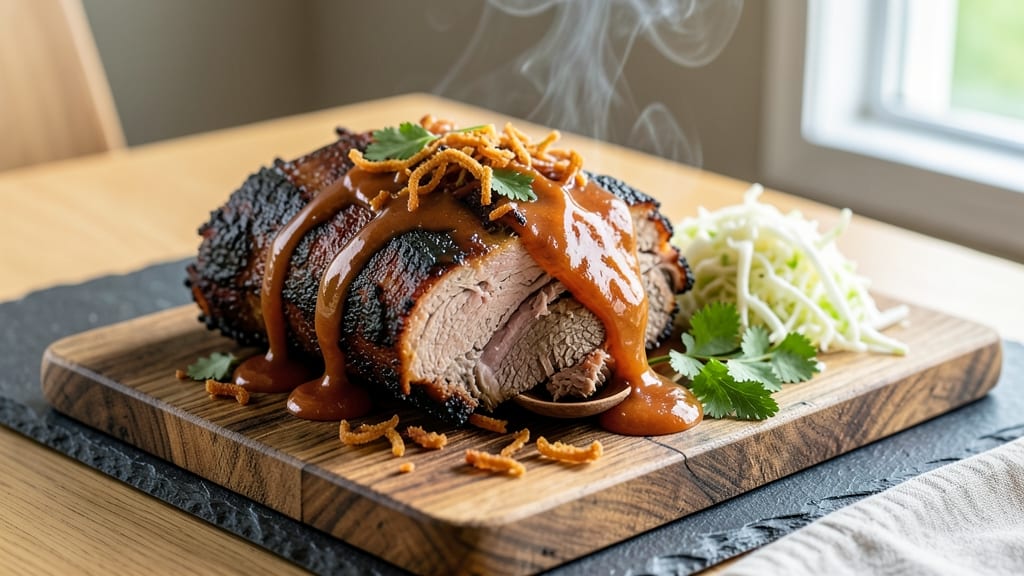
This Carolina pulled pork recipe smoker delivers restaurant-quality tenderness with just 8 hours of hands-off smoking—no shortcuts, just time-tested Carolina tradition. The secret lies in that tangy vinegar brine that transforms tough pork shoulder into melt-in-your-mouth perfection, while hickory wood smoke infuses every bite with that iconic Carolina soul. I've perfected this over years of testing, and the results speak for themselves: juicy, bark-crusted pork that falls apart at the touch of a fork.
The process starts with a simple but critical vinegar brine that tenderizes the meat while building that signature tang. Then comes the smoking—low and slow at 225°F with hickory or pecan wood, where the magic happens as the bark develops and the meat becomes irresistibly tender.
What makes this recipe special is balancing tradition (that vinegar brine, proper wood choice) with practical tips (when to wrap, how to check doneness) that even beginner smokers can master.
By the time you're ready to serve, you'll have pulled pork so tender it practically dissolves on the bun, with just enough bark to add texture. The flavor profile is unmistakably Carolina—smoky, slightly sweet, and tangy all at once.
This is the kind of pulled pork that makes people ask for seconds before they've even finished their first plate, and the best part? It all happens while you're free to enjoy the day.
Serve it on toasted buns with tangy coleslaw and pickles for the full Carolina experience, or use it as a star in tacos, sandwiches, or even breakfast hash.
The possibilities are endless, but the foundation—smoky, vinegar-braised tenderness—is what makes this recipe legendary. Let's get started on creating your own crowd-pleasing masterpiece.
Ingredients for carolina pulled pork recipe smoker
Eight pounds of pork shoulder and a few key ingredients transform into legendary Carolina pulled pork.
| Ingredient | Amount | Notes |
|---|---|---|
| Pork Shoulder (Boston Butt) 🐖 | 8 lb | Bone-in, 2-3 inches thick |
| White Vinegar 🍶 | 1 cup | Distilled, not apple cider |
| Brown Sugar 🍚 | 1 cup | Packed, light or dark |
| Kosher Salt 🧂 | 2 tbsp | Diamond Crystal preferred |
| Black Peppercorns 🌶️ | 1 tbsp | Freshly cracked |
| Garlic Powder 🧄 | 2 tsp | Not garlic salt |
| Onion Powder 🧅 | 2 tsp | For depth of flavor |
| Hickory Wood Chips 🌳 | 2 lb | Unsoaked, 100% pure |
| Yellow Mustard 🍯 | 2 tbsp | For bark development |
| Butter 🧈 | 1 stick | Unsalted, room temperature |
| Apple Cider Vinegar 🍎 | ½ cup | For final glaze |
| Pecan Wood Chips 🌳 | 1 lb | Alternative wood option |
| Aluminum Foil 📄 | 1 sheet | Heavy-duty, for wrapping |
The pork shoulder is non-negotiable—bone-in, 2-3 inches thick is ideal. Costco or your local butcher are best for quality cuts. Look for good marbling and avoid anything with excessive fat trim. Hickory wood chips are a must for authentic Carolina flavor, but Traeger or Traeger Grill brands work perfectly. If you can't find hickory, pecan is a close second. The vinegar and brown sugar combo in the brine is what builds that signature tang—don't skip it. I always buy Diamond Crystal kosher salt because it dissolves better than table salt.
No white vinegar? Apple cider vinegar works too, though it'll have a slightly different profile. Running short on hickory? Cherry or oak wood chips add their own unique smokiness. The mustard is crucial for bark development—Dijon or whole grain mustard works too. For the glaze, if you don't have apple cider vinegar, balsamic vinegar gives a similar depth. The butter in the final step adds richness—European-style butter if you want to splurge. And if you're worried about the pork being too lean, add an extra pound—it's better to have leftovers than dry meat.
This pork keeps beautifully—3-4 days in the fridge wrapped tightly in foil. For longer storage, freeze portions for up to 3 months. I always make extra because it reheats perfectly and tastes even better the next day. The bark gets crispier as it sits, so if you're serving it cold, wrap it in a towel to keep it tender. Leftovers make amazing tacos, sandwiches, or even breakfast hash—just reheat with a splash of broth or apple juice to keep it moist.
Why You'll Love This Recipe
- Smoke-Free Prep: The pork shoulder just needs a quick trim and a rub—no fancy prep, no chopping. Honestly, I’ll often do it while watching a movie; the vinegar and brown sugar mix takes less time than waiting for the smoker to heat up.
- Sweet-Savory Magic: That tangy vinegar cut with the caramelized brown sugar? It’s the kind of balance that makes you reach for seconds. The peppercorns add just enough bite to keep it from being cloying—my husband always says it’s “the perfect bite.”
- Leftovers for Days: Smoked pork shoulder keeps amazingly well, so I’ll often make a big batch. Sandwiches, tacos, even fried rice—it’s my go-to for lazy weeknights when I don’t want to cook from scratch.
- Budget-Friendly Feast: A whole pork shoulder feeds a crowd without breaking the bank. Between us, this is how I feed 10 people for under $30, and it’s still the star of any gathering. Plus, the salt and pepper are already in my pantry.
Step-by-step instructions for Carolina pulled pork
Here's how to transform that tough pork shoulder into melt-in-your-mouth pulled pork with perfect smoky flavor.
Prepare the Pork Shoulder for Smoking
Remove the pork shoulder from the refrigerator and let it sit at room temperature for 1 hour before smoking. This ensures even cooking throughout. Pat the meat dry with paper towels—this step is crucial for developing that beautiful bark later.
In a small bowl, combine the 2 tablespoons kosher salt, 2 teaspoons garlic powder, and 2 teaspoons onion powder. Rub this mixture all over the pork shoulder, pressing firmly so the spices adhere. Then, spread 2 tablespoons yellow mustard evenly over the surface. The mustard helps create that signature Carolina bark while keeping the meat moist during the long cook.
Set Up Your Smoker for Low and Slow Cooking
Fill your smoker's wood chip tray with the 2 pounds hickory wood chips and add the 1 pound pecan wood chips to the hopper if your smoker has one. Preheat your smoker to 225°F using the hickory chips as the primary wood. Hickory gives that classic Carolina flavor, while pecan adds a subtle sweetness that complements the vinegar braise.
Once the smoker reaches temperature and you see clean, blue smoke (not thick white steam), place the pork shoulder fat-side up on the smoker grates. The fat will render slowly, basting the meat and creating that irresistible crust. Close the lid and resist the urge to peek—every time you open it, you lose heat and moisture, adding unnecessary time to your cook.
Smoke Until Probe-Tender (About 6-7 Hours)
Smoke the pork shoulder undisturbed for 6-7 hours, maintaining a temperature between 225-250°F. You'll know it's ready when the internal temperature reaches 195-203°F and a probe slides in like butter with no resistance. This is the "probe-tender" stage where the collagen breaks down into gelatin, transforming tough meat into tender pulled pork.
Here's the thing—don't rush this step. The pork needs time to develop that deep smoky flavor and tender texture. If you check the temperature too early, you might pull it before it's truly ready. The bark should be dark and crispy, but the meat should be falling apart when you test it.
Wrap and Braise for Maximum Tenderness
Once the pork reaches 195°F, it's time for the vinegar braise. Remove the pork from the smoker and place it on a sheet of the aluminum foil. In a small bowl, mix together the 1 cup white vinegar, 1 cup brown sugar, and ½ cup apple cider vinegar. Pour this mixture evenly over the pork shoulder, making sure it coats all surfaces.
Wrap the pork tightly in the foil, sealing all edges completely. Return it to the smoker and cook for another 1-2 hours at 225°F. The vinegar and sugar mixture will create a sticky, glossy glaze that enhances the smoky flavor while keeping the meat moist. The pork is done when it reaches an internal temperature of 203°F and pulls apart easily with two forks.
Rest and Shred for Perfect Texture
Remove the pork from the smoker and let it rest in the foil for 30 minutes. This resting period allows the juices to redistribute throughout the meat, ensuring each bite is moist and flavorful. While it rests, prepare your serving setup—warm buns, coleslaw, and any other sides you plan to serve.
Unwrap the pork and transfer it to a cutting board. Using two forks, shred the meat against the grain into ¼-inch thick pieces. Discard any large fat chunks or connective tissue. The pork should pull apart easily, with no resistance when you shred it. Mix the shredded pork with any juices that accumulated in the foil—these juices are packed with flavor and will make your pulled pork even more delicious.
Pro Tips For Making Carolina Pulled Pork Recipe Smoker
- Trim the Fat First: A thin layer of fat on the outside is fine, but don’t let it hide under a thick blanket—trim it down to about ¼-inch. I learned this the hard way when my first batch rendered so much grease it made the smoker’s heat unpredictable. That fat’s what keeps it juicy inside, but too much turns your smoker into a grease fire waiting to happen.
- Spritz Like a Pro: Mix equal parts white vinegar and water in a spray bottle, then hit the pork every 90 minutes with a light mist—don’t drown it. I used to skip this, thinking the rub was enough, but the vinegar keeps the bark crispy while locking in moisture. (Yes, even if you’re impatient like me.)
- Don’t Rush the Stall: When the internal temp hits 150°F, the meat will stall—temperature drops or plateaus for hours. This isn’t a failure; it’s physics. Resist the urge to crank the heat. Let it crawl to 203°F at its own pace, or you’ll end up with dry, stringy pork. I’ve seen people wrap too early, and that’s when the texture turns sad.
- Peppercorns Matter: Crush those black peppercorns in a mortar and pestle (or a ziplock bag with a rolling pin) before mixing with the brown sugar and salt. Whole peppercorns won’t infuse flavor—they’ll just sit there like tiny rocks. My grandmother swore by this, and she was right: the difference in aroma is night and day.
Wine and beer pairings for this carolina pulled pork recipe smoker
Classic Carolina Red Wine
For a bold yet balanced pairing, reach for a bold red wine like Carolina's own Cabernet Sauvignon or a North Carolina-grown Merlot. These wines stand up to the smoky, tangy flavors while their dark fruit notes complement the pork's richness.
I love a glass of Albemarle Vineyards Cabernet Sauvignon—its blackberry and vanilla undertones mirror the caramelized bark. Serve slightly chilled to refresh your palate between bites. 🍷
Craft Beer Harmony
A smoky, malty beer is the perfect match for Carolina pulled pork. Try a North Carolina-brewed stout like New Belgium Fat Tire Amber Ale or a hazy IPA from Wicked Weed Brewing in Asheville.
The caramel and toasted malt notes in amber ales enhance the pork's sweetness, while IPAs cut through the fat with their citrusy hop bite. For a local favorite, grab a Duke's Mayhem IPA—its tropical fruit flavors play beautifully with the vinegar glaze. 🍺
Cider Pairing
If you prefer something lighter, dry hard cider is a fantastic choice. A North Carolina apple cider like Henderson Family Orchards adds a crisp, slightly tart contrast that cleanses your palate.
The apple notes in the cider echo the apple cider vinegar in the recipe, creating a cohesive flavor experience. Serve it well-chilled to highlight its refreshing acidity. 🍎
Sweet Tea Balance
Don't overlook Southern sweet tea as a pairing—it's a classic for a reason! The natural sweetness and slight tartness of local black tea (like Harney & Sons Southern Sweet Tea) complement the pork's smoky-sweet profile.
I often serve it in a tall glass with lemon slices and a sprig of mint for a refreshing, authentic Carolina touch. It's the perfect non-alcoholic option for gatherings. 🌿
Spiked Option
For a boozy twist, mix bourbon with a splash of apple cider vinegar to create a quick smoky glaze cocktail. Use Bulleit Bourbon (a Kentucky staple) and stir in 1 teaspoon apple cider vinegar per 4 ounces of bourbon.
Serve over ice with a lemon twist—this drink mirrors the recipe's flavors while adding a smooth, warming finish. 🥃
Nutrition facts
Frequently asked questions
Why does Carolina pulled pork need a vinegar brine?
The vinegar brine is the secret to authentic Carolina flavor! It tenderizes the meat while creating that signature tangy-sweet balance. The acidity breaks down proteins, making the pork more tender, and the sugar in the brown sugar caramelizes during smoking, adding depth. Without it, you miss that classic Carolina soul.
Can I use a different wood than hickory?
Hickory is traditional, but you can experiment! Pecan adds subtle sweetness, while cherry gives a fruity note. Avoid fruitwoods like mesquite—they can overpower the pork. For a milder smoke, try oak. Just remember: the wood should complement, not dominate.
When should I wrap the pork in foil?
Wrap it when the internal temperature hits 195°F—this is the \"stall\" point where moisture loss slows. The vinegar braise then works its magic, keeping the meat tender. Wrapping too early can make the bark soggy, while waiting too long risks drying it out. Timing is everything!
How do I know when the pork is done?
Use a meat thermometer! The pork is perfect at 203°F internal temp. It should pull apart easily with two forks and look glossy. If it's not falling apart, it needs more time. Never judge by color—some cuts look done before they are. Patience pays off!
Can I make this in an oven instead of a smoker?
Yes, but you'll need to mimic the smoky flavor. Use a smoker box with wood chips in your oven, or add liquid smoke to the braising liquid. The texture will be slightly different, but still delicious. For best results, maintain 225°F and cook for 6-8 hours with foil wrapping.