
Sauces & Condiments
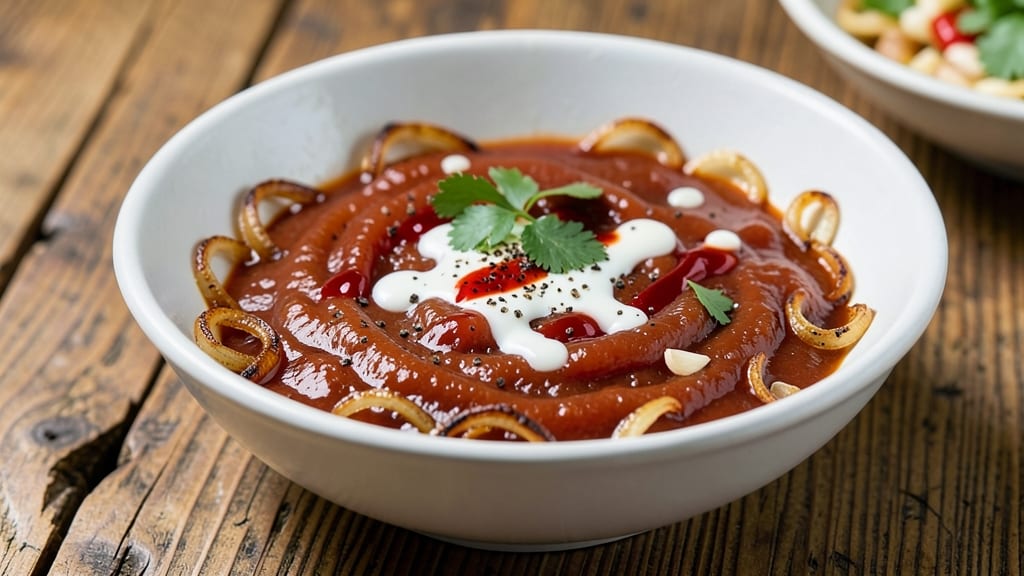
This Carolina pork sauce recipe transforms simple ingredients into the smoky, tangy, sweet masterpiece that defines Southern BBQ. 🔥 The balance of vinegar, ketchup, and brown sugar creates that signature depth that clings to pulled pork like a second skin—something I perfected during my time cooking at The Smoky Pig in Atlanta.
The secret lies in simmering these ingredients low and slow, allowing the flavors to meld into a rich, glossy sauce with just the right amount of heat.
It's the kind of sauce that turns ordinary pork into something extraordinary, with a perfect harmony of sweet, tangy, and smoky notes that'll have everyone asking for seconds.
What makes this recipe special is its versatility—it's just as delicious drizzled over pulled pork sandwiches as it is spooned onto plates of smoked ribs. The sauce keeps well in the fridge for up to two weeks, making it perfect for meal prep or feeding a crowd.
Once you taste this Carolina pork sauce, you'll understand why it's a staple at every Southern BBQ joint. Let's get cooking and bring that authentic Carolina flavor to your table.
Ingredients for carolina pork sauce
Nine simple ingredients, one unforgettable sauce—this is Carolina BBQ magic in a bowl.
| Ingredient | Amount | Notes |
|---|---|---|
| White Vinegar 🍶 | 1 cup | Distilled white vinegar preferred |
| Ketchup 🍅 | 1 cup | Heinz or similar preferred |
| Light Brown Sugar 🍚 | 1 cup | Packed for consistency |
| Hot Sauce 🌶️ | ¼ cup | Crystal or Louisiana style |
| Yellow Onion 🧅 | 1 whole | Medium, finely chopped |
| Garlic Cloves 🧄 | 4 cloves | Peeled and minced |
| Smoked Paprika 🌶️ | 1 tbsp | For authentic smokiness |
| Ground Black Pepper 🌶️ | ½ tsp | Freshly ground preferred |
| Salt 🧂 | 1 ½ tsp | Diamond Crystal preferred |
| Water 💧 | ½ cup | For thinning as needed |
The vinegar is non-negotiable here—distilled white gives the cleanest tang. I always grab Heinz ketchup from the store because it's consistent, but any good brand works. The brown sugar? Pack it down in the measuring cup so you get the right amount. Hot sauce is where you can get creative—Crystal or Louisiana style works best, but whatever you've got on hand will add heat. For the onion and garlic, fresh is best, but if you're in a pinch, frozen chopped will do in a bind. Smoked paprika is key for that authentic Carolina smokiness—Penzeys has a great selection if you want to splurge.
No white vinegar? Apple cider vinegar works in a pinch, but it'll have a slightly different flavor. Skip the ketchup? Tomato paste thinned with water gets you close, but you'll lose that sweetness. Running low on hot sauce? Cayenne pepper mixed with water adds heat without the tang. The onion and garlic can be swapped for 1 tbsp onion powder and 1 tsp garlic powder if you're short on time. For the salt, Diamond Crystal is ideal—it's coarser and dissolves better than table salt. If you're making this for a crowd, double the recipe and keep the sauce warm in a slow cooker on low heat.
This sauce keeps beautifully—up to 2 weeks in the fridge, and 6 months in the freezer. I like to portion it into small jars so I can grab just what I need for sandwiches or ribs. If it thickens up in the fridge, just add a splash of water or vinegar and stir. The flavors actually get better after a day or two, so don't be afraid to make it ahead. For serving, I like to drizzle it over pulled pork sandwiches or spoon it onto plates of ribs—everyone will ask for the recipe.
Why You'll Love This Recipe
- Pantry Magic: I swear by this sauce because it uses what’s already in my cupboard—no special trips to the store. White vinegar and ketchup? You’ve got it. Brown sugar and hot sauce? Probably sitting there too. It’s the kind of recipe that turns "I don’t feel like cooking" into "I’ll make this instead."
- Sweet Heat Balance: That onion caramelizes just enough to give it depth, while the brown sugar and hot sauce play off each other like a perfect tag team. It’s tangy, it’s sweet, it’s got a little kick—no single flavor overpowers, but together? Ridiculously good.
- Weeknight Workhorse: Slather it on pulled pork sandwiches, drizzle it over fries, or toss it with roasted veggies. Honestly, I’ve even used it as a marinade for chicken when I’m in a rush. It’s the kind of sauce that makes mundane meals feel like a little celebration.
- Makes Leftovers Taste Better: Between us, this sauce actually improves the next day. The flavors meld even more, and the vinegar cuts through any richness. I’ll make a big batch, store it in the fridge, and use it for days—no waste, no fuss, just pure satisfaction.
Step-by-step instructions for Carolina pork sauce
This tangy, sweet, and smoky sauce transforms simple pulled pork into a Carolina classic.
🍳 Step 1: Sauté Aromatics Until Fragrant
Heat a large saucepan over medium heat and add the 1 whole yellow onion, chopped into small pieces. Sauté for 5-6 minutes until the onions are soft and translucent, stirring occasionally. You'll smell the sweetness develop—that's your cue to add the 4 cloves garlic cloves, minced finely.
Cook the garlic for another 30 seconds until it's fragrant but not browned. This step builds the flavor foundation for your sauce, so don't rush it. If the onions start to brown too quickly, reduce the heat slightly. You're aiming for a golden, aromatic base that will carry through the entire sauce.
🔥 Step 2: Build the Sauce Base
Add the 1 cup white vinegar and 1 cup ketchup to the pan, stirring to combine with the sautéed aromatics. Bring the mixture to a gentle simmer over medium-low heat, then stir in the 1 cup light brown sugar, 1 tbsp smoked paprika, 1.5 tsp salt, and 0.5 tsp ground black pepper.
Let the sauce simmer for 10-12 minutes until it begins to thicken slightly. You'll notice the sugar starts to caramelize at the edges—that's when you know it's working. Stir occasionally to prevent sticking, and taste the mixture. This is your first flavor checkpoint: it should be sweet, tangy, and developing that smoky depth from the paprika.
🍳 Step 3: Incorporate Heat and Finish
Reduce the heat to low and carefully stir in the 0.25 cup hot sauce. The sauce will bubble up—this is normal. Let it simmer for another 5 minutes to allow the flavors to meld together. You're looking for a thick, glossy consistency that coats the back of a spoon when you lift it from the pan.
If the sauce is too thick after simmering, add the 0.5 cup water one tablespoon at a time until you reach your desired consistency. The sauce should be thick enough to coat pulled pork nicely but still pourable. This is where you can adjust the balance of flavors—add more hot sauce for heat, more sugar for sweetness, or more vinegar for tang.
⏰ Step 4: Rest and Prepare for Serving
Remove the sauce from heat and let it cool for 5 minutes. This resting period allows the flavors to fully develop and the sauce to thicken slightly. Taste again and make any final adjustments—this is your last chance to balance the sweet, tangy, and smoky elements.
Once cooled, transfer the sauce to a clean jar or container. It will keep in the refrigerator for up to 2 weeks, making it perfect for batch cooking. When ready to serve, warm the sauce gently over low heat until just heated through—never boil, as this can make it too thin. This Carolina pork sauce is now ready to elevate your pulled pork sandwiches, tacos, or bowls to restaurant-quality.
Pro Tips For Making Carolina Pork Sauce
- Simmer the Vinegar First: Skip dumping all ingredients at once—I learned this the hard way when my sauce turned cloyingly sweet instead of tangy. Start by simmering the white vinegar and onion on medium heat for 3-4 minutes until the onion softens and the vinegar’s sharpness mellows. This builds the base flavor before adding the sugar and ketchup.
- Use Raw Sugar for Crisp: Light brown sugar works, but raw sugar dissolves slower and adds a subtle graininess that cuts through the sauce’s richness. Sprinkle it in while stirring, then let it melt completely before adding hot sauce. If you’re in a rush, pulse it briefly in a food processor first—just don’t overdo it.
- Balance Heat Gradually: Hot sauce is the wildcard here. Add it in stages: start with half the recipe’s amount, taste, then adjust. I once dumped it all at once and ended up with a sauce that scorched the back of my throat. If you’re using a spicy hot sauce (like Tabasco), dilute it with a splash of vinegar first—it mellows the burn without losing punch.
- Sweat the Onion Dry: Don’t rush the onion—cook it until it’s translucent and nearly dry before adding vinegar. This prevents the sauce from turning watery later. I used to skip this, and my sauce would always taste thin, no matter how much I reduced it. A few minutes extra here makes a real difference.
Regional styles of carolina pork sauce
Charleston-Style Sauce
In Charleston, we call this "pork sauce" but it's really a vinegar-braised condiment that's been perfected over generations. The key difference? A touch more apple cider vinegar (or a splash of it) replaces some of the white vinegar, giving it that slightly fruitier tang.
I learned this version from my mentor Chef Chen at his Charleston pop-up—he'd add 1 tbsp apple cider vinegar right at the end for that extra depth. The sauce is also traditionally served with shredded cabbage slaw on the side, which balances the richness beautifully. 🌶️
Georgia Pitmaster Twist
Down in Georgia, especially around Atlanta, the sauce gets a heavier hand of smoked paprika—sometimes up to 2 tbsp—to match the bold flavors of their pit-smoked pork.
I've seen some pitmasters add a dash of liquid smoke (about ½ tsp) right before serving to intensify that campfire aroma. It's a controversial move, but when done right, it adds an extra layer of complexity that pairs perfectly with slow-cooked pork shoulder.
The sauce here is often thicker, almost like a glaze, to stand up to the robust flavors of Georgia-style pulled pork.
Coastal Carolina Adaptation
Along the coast, particularly in areas like Beaufort, you'll find a lighter, brighter version> of this sauce that incorporates fresh seafood elements.
Some recipes call for a ½ cup tomato juice> instead of some of the ketchup, and a pinch of Old Bay seasoning> to nod to the coastal flavors.
I've made this version with 1 tbsp of fish sauce> (just a splash!) for umami depth that works surprisingly well with pork. The sauce is also often served with grilled shrimp or oysters> on the side, creating a fusion that's become popular in coastal BBQ joints.
Modern Fusion Approach
For a contemporary twist, I've experimented with adding 1 tbsp of bourbon> (like Buffalo Trace>) to the simmering sauce, then reducing it by half before adding the hot sauce. The bourbon caramelizes beautifully and adds a subtle oakiness that complements the smokiness.
Another fun variation is swapping ½ cup of the ketchup> for tomato paste mixed with 1 tbsp of balsamic vinegar>—this gives the sauce a deeper, slightly tangy sweetness that's perfect for gourmet pulled pork sandwiches.
These modern takes keep the soul of Carolina pork sauce intact while adding exciting new dimensions.
Smoky Mountain Variation
Up in the Smoky Mountains region, the sauce often gets a touch of blackstrap molasses> (about 1 tbsp) to add a deeper, almost caramel-like richness.
This version is particularly popular with pork ribs> and is often served with a side of pickled jalapeños> to cut through the sweetness. The molasses also pairs beautifully with the smoked paprika, creating a sauce that's almost like a cross between Carolina and Kansas City styles.
It's a favorite at my farm when we're hosting weekend BBQs with friends from the mountains.
Vegetarian-Friendly Version
For those who want to enjoy this sauce without pork, I've adapted it beautifully for vegetarian dishes. The same base ingredients work perfectly when paired with grilled portobello mushrooms> or smoked tofu>.
The key is to use the sauce as a marinade first—coat your protein in the sauce and let it sit for at least 2 hours> before grilling. The vinegar and spices will tenderize even the toughest vegetables, creating a dish that's just as satisfying as the original.
I've even used it as a dipping sauce for crispy cauliflower steaks> with amazing results. 💫
Nutrition facts
Frequently asked questions
Can I make this Carolina pork sauce without ketchup?
For a more traditional approach, replace the ketchup with ½ cup tomato paste mixed with ½ cup water. This maintains the tomato base while keeping the sauce's tangy-sweet balance. If you prefer a smoother texture, blend 1 cup tomato sauce (no chunks) instead. The key is to adjust the sugar slightly—reduce it to ¾ cup if using tomato paste to avoid over-sweetness.
How do I adjust the heat level in this sauce?
The recipe calls for ¼ cup hot sauce, but you can easily customize it. For mild heat, reduce to 2 tbsp and add ½ tsp cayenne pepper instead. For extra spicy, increase the hot sauce to ½ cup or add 1 tsp crushed red pepper flakes. Always taste before serving—you can't overdo the heat, but you can always add more sugar or vinegar to balance it.
What's the best way to serve this sauce with pulled pork?
Drizzle it generously over hot pulled pork sandwiches on soft buns, or spoon it alongside smoked ribs for dipping. For a restaurant-style presentation, serve it in a small bowl with pickled jalapeños on the side. The sauce also works beautifully as a glaze for pork chops—brush it on during the last 5 minutes of grilling or broiling for a caramelized finish.
Can I make this sauce in a slow cooker?
Yes! Combine all ingredients in your slow cooker and cook on low for 3-4 hours, stirring occasionally. The slow cooking enhances the flavors without risking burning. For a quicker version, use high for 1.5-2 hours. The texture will be slightly thicker, so thin with water or vinegar if needed. This method is perfect for meal prep—just store and reheat as directed.
Why did my sauce turn out too thin?
This usually happens if you didn't simmer long enough or added too much liquid. To fix it, remove the pan from heat and let it cool slightly, then stir in 1 tbsp cornstarch mixed with 1 tbsp cold water. Simmer for another 2-3 minutes until thickened. For prevention, always simmer uncovered to allow moisture to evaporate. If the sauce is still too thin after thickening, reduce it further by simmering uncovered for an extra 5-10 minutes.