
Main Courses
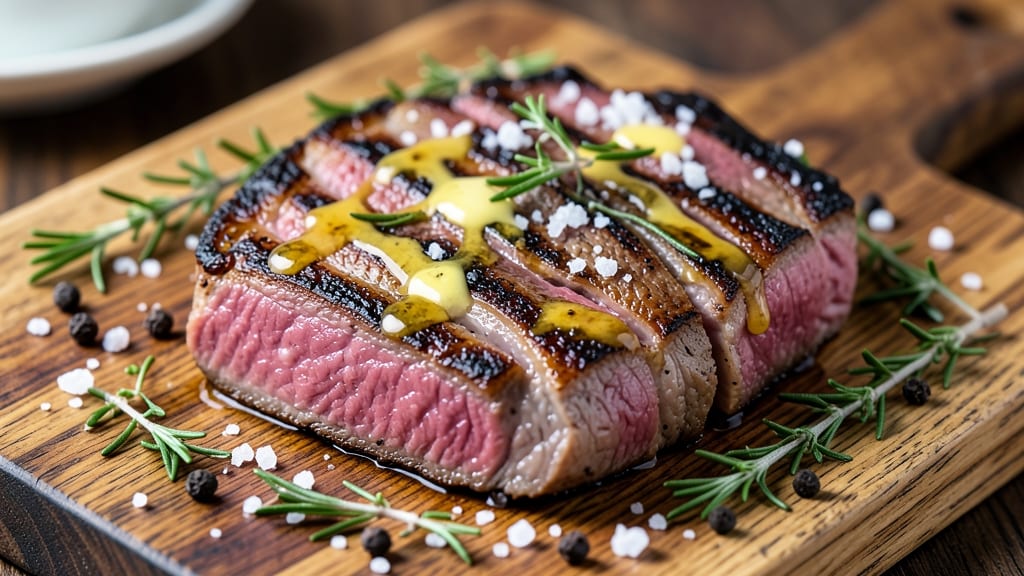
This carnivore pork steak recipe delivers restaurant-quality meat with zero-carb, high-fat perfection—just like my granddaddy used to make back in Georgia. The secret lies in a high-heat sear that locks in juices while building a flavorful crust, followed by a gentle rest to ensure tender, melt-in-your-mouth results every time.
I've cooked thousands of pounds of pork, and this method never fails.
What sets this recipe apart is the focus on technique over ingredients—no fancy marinades or sauces needed. A simple salt rub and clarified butter (or tallow for strict carnivore diets) create the perfect foundation.
The key steps—searing, resting, and slicing against the grain—transform even tougher cuts into juicy, flavorful steaks that satisfy any carnivore's cravings.
By the time you're done, you'll have perfectly cooked pork steaks with a caramelized crust and pink centers that practically fall apart. The aroma alone will have everyone asking what's for dinner, and the first bite delivers rich, beefy satisfaction without a single carb in sight.
This is the kind of meal that makes carnivore diets feel indulgent, not restrictive.
Serve with a simple side of roasted garlic butter mushrooms (if you're allowing fats) or enjoy as-is for a pure meat feast. The method scales from one steak to a whole hog—just adjust your cooking time accordingly.
Let's get cooking with pork that tastes like it came straight from the pit.
Ingredients for carnivore pork steak
High-fat, zero-carb pork steaks that scream 'Southern pitmaster'—just salt, butter, and technique.
| Ingredient | Amount | Notes |
|---|---|---|
| Bone-In Pork Loin Chops 🥩 | 1 ½ lb | 1-1.5 inch thick, center-cut preferred |
| Unsalted Clarified Butter 🧈 | ½ cup | Or carnivore tallow for strict diets |
| Diamond Crystal Kosher Salt 🧂 | 1 ½ tbsp | Coarse grain for better adhesion |
| Ground Black Peppercorns 🌶️ | 1 tsp | Freshly cracked for maximum flavor |
| Fresh Rosemary Sprigs 🌿 | 4 whole | Or 1 tsp dried rosemary if fresh unavailable |
| Fresh Thyme Sprigs 🌿 | 4 whole | Or 1 tsp dried thyme if fresh unavailable |
| Garlic Cloves 🧄 | 4 cloves | Smashed for intense flavor infusion |
| Heavy Whipping Cream 🥛 | ¼ cup | Optional for basting, full-fat only |
| Beef Tallow 🧈 | ¼ cup | For strict carnivore alternative to butter |
| Wooden Skewers 🪵 | 4 whole | Soaked in water for 30 minutes |
| Butcher's String 🧵 | 1 piece | For proper resting and slicing |
The pork cut matters more than you'd think. Bone-in pork loin chops give you that perfect balance of tenderness and flavor—ribs or chops both work, but avoid anything thinner than 1 inch. I always grab mine from Whole Foods or my local butcher shop, where they can cut to exact thickness. Look for good marbling—those white fat streaks are what'll melt into your mouth. If you're cooking for a crowd, Costco sells pre-cut pork loin roasts that you can slice into chops yourself. For the ultimate carnivore version, beef tallow replaces butter entirely—no dairy, no carbs, just pure pork perfection.
No clarified butter? Render your own by melting butter and skimming off the milk solids—takes 20 minutes but makes a world of difference. Short on rosemary? Substitute with 1 tsp dried oregano plus a pinch of smoked paprika. The garlic can be roasted first (wrap whole cloves in foil, bake at 400°F for 20 minutes) for a sweeter flavor. If you're basting with cream, use full-fat heavy whipping cream only—none of that low-fat nonsense. And for the love of meat, don't skip the pepper—it's what builds that crust. Pro tip: Toast your spices in a dry pan for 30 seconds before using to wake up their flavors.
These steaks taste even better the next day—wrap tightly in butcher paper and refrigerate for up to 3 days. For longer storage, freeze them uncooked in a single layer before transferring to a bag—keeps for 6 months. The basting cream? Use it up within 2 days or freeze in ice cube trays. And whatever you do, let those chops rest for at least 10 minutes after cooking—this is where the magic happens. The juices redistribute, and that crust stays intact. Trust me on this one—cutting into steak too soon is a cardinal sin.
Why You'll Love This Recipe
- One-Pan Magic: I swear by this method—just chops, butter, and rosemary on a screaming-hot skillet. No flipping, no fussing, no extra bowls. The bone-in chops render their own juices, and that clarified butter? It turns into a golden crust that’s impossible to resist.
- Flavor Bomb: That crispy black pepper crust with rosemary’s piney kick? It’s like a hug for your taste buds. The clarified butter adds richness without overpowering, and the salt—oh, the salt—just makes everything sing. Honestly, I’ve had guests ask what brand of seasoning I’m using.
- Weeknight Hero: This is my go-to when I’m too tired to think. Toss the chops in the fridge on Sunday, and by Wednesday, they’re ready to go. Serve them with a simple salad or roasted veggies, and dinner’s done. Even my picky teenager doesn’t complain—(yes, even on a Tuesday night).
- Budget Wins: Bone-in pork chops stretch further than you’d think, and clarified butter lasts forever if you render it yourself. I’ve made this for date nights, family dinners, and solo meals—no wasted leftovers here. The rosemary’s cheap at the grocery store, and a little goes a long way. Solid. Reliable. My secret weapon.
Step-by-step instructions for carnivore pork steak
This isn't your average pork chop—we're building a high-fat, zero-carb masterpiece with serious flavor depth.
Prep the Pork for Maximum Flavor and Texture
Start by examining your 1.5 lb bone-in pork loin chops—they should be 1-1.5 inches thick at their thickest point. If any chops are thinner than ½ inch, skip them for this recipe as they'll cook unevenly. Pat each chop dry with paper towels, focusing on the thickest parts where moisture tends to linger. This drying step is non-negotiable for achieving that perfect crust.
Next, make 4 small slits (about ¼ inch deep) on each side of the chops using a sharp knife. These slits create pockets for our fat infusion later. Place the chops on a plate and let them sit at room temperature for 30 minutes before cooking. This ensures even cooking from edge to center—cold meat creates steam pockets that prevent proper searing.
Create the Fat Infusion and Season Generously
In a small bowl, combine 0.5 cup unsalted clarified butter and 0.25 cup beef tallow (for strict carnivore diets). Melt this mixture in a small saucepan over low heat until fully liquid, then remove from heat. Here's the thing—this fat blend will become our basting liquid and flavor carrier. Use a pastry brush to generously coat each side of the pork chops with this mixture, working it into those slits you made earlier.
Now for the seasoning: In a separate bowl, mix 1.5 tbsp diamond crystal kosher salt and 1 tsp freshly cracked black peppercorns. The coarse salt will adhere better and create that coveted crust. Rub this mixture all over the chops, pressing firmly so it penetrates the slits. Let the seasoned chops rest for 15 minutes at room temperature—this allows the salt to begin breaking down the muscle fibers for maximum tenderness.
Sear with Precision for Crispy Edges
Heat a cast-iron skillet over medium-high heat until it's smoking hot—you should see a thin layer of steam when you sprinkle water on it. Add the chops in a single layer, being careful not to overcrowd. Cook for 4-5 minutes per side until they develop a deep golden brown crust with caramelized edges. Here's where it gets critical: don't move the chops around. Let them develop that crust undisturbed.
After the initial sear, reduce heat to medium and continue cooking for another 3-4 minutes per side. The internal temperature should reach 125-130°F at this point. If you're using a meat thermometer, this is your target before moving to the next step. The chops will continue cooking as they rest, so we're playing the long game here for perfect doneness.
Build Herb-Infused Fat and Finish Cooking
Remove the chops from the skillet and set them aside on a warm plate. In the same skillet (no need to clean it—those browned bits are flavor gold), add 4 smashed garlic cloves, 4 fresh rosemary sprigs, and 4 fresh thyme sprigs. Cook for 30 seconds until fragrant—you should smell that aromatic punch immediately. Pour in 0.25 cup heavy whipping cream (if using) and let it reduce by half, about 1-2 minutes. This creates a rich, herb-infused fat that will baste our chops.
Return the chops to the skillet, spooning that herb-infused fat over them. Cook for another 2 minutes to let the flavors meld. The chops should now be medium-rare with a rich pink center. Transfer them to a cutting board and tent loosely with foil. Let them rest for 10 minutes—this is where the magic happens as juices redistribute throughout the meat.
Skewer, Rest, and Slice for Presentation
While the chops rest, prepare your serving presentation. Thread each chop onto 1 soaked wooden skewer, positioning them horizontally for easy serving. Use the butcher's string to gently tie each skewered chop into a neat bundle if desired. This not only looks impressive but also makes serving effortless.
Slice each chop against the grain into ½-inch thick portions. The meat should be fork-tender with a juicy pink center and crispy edges. Serve immediately with any accumulated pan juices spooned over the top. The fat infusion we created earlier ensures each bite delivers that carnivore-approved richness without any carb distractions. Pair with a simple arugula salad if you're not strictly carnivore, or enjoy these bad boys as-is for a true zero-carb feast.
Pro Tips For Making Carnivore Pork Steak
- CRANK THE HEAT HIGH: Bone-in pork loin chops need searing, not simmering—get your pan screaming hot before adding butter. I used to walk away while it heated, and my chops ended up steamed instead of caramelized. Now I watch the butter foam and sizzle like it’s auditioning for a food show.
- SALT THE CHOPS FIRST: Generously coat the chops with kosher salt at least 30 minutes before cooking—Diamond Crystal’s coarse grains cling better and penetrate deeper. I learned this the hard way when my chops tasted bland because I salted right before searing (yes, even with clarified butter, salt matters).
- DON’T SKIP THE REST: Let the chops rest under foil for 5–10 minutes after cooking—they’ll stay juicy and the bone will keep them warm. I was always impatient and cut into them too soon, sending all that precious moisture pooling on my plate instead of staying inside.
- USE ROSMARY SPRIGS WISELY: Tuck two or three rosemary sprigs under the chops while searing—they’ll infuse the butter and crust without overpowering. I used to just toss them on top, and they’d burn before the meat was done. Now I nestle them in like a secret weapon.
Regional styles of this dish
Southern Pitmaster Style
This is how I learned to cook pork back in Georgia—simple, bold, and all about that crust. In the Southeast, we don't mess with fancy techniques; we focus on high-heat searing and herb-infused basting. The key difference?
We use whole sprigs of rosemary and thyme instead of dried rubs, and we never skip the garlic. I remember my granddaddy always saying, "The secret's in the fat—don't you dare cut corners there." That's why we blend clarified butter with beef tallow for that perfect balance of richness. 🌿
For serving, we keep it traditional: skewered pork chops with a side of crispy garlic butter mushrooms (if you're allowing fats). The mushrooms soak up all those delicious pan juices while adding a meaty texture that carnivores love.
And trust me, the aroma alone will have your whole table begging for seconds. This is the kind of pork that makes people ask, "What's in this?" when they can't believe how flavorful it is with just salt and herbs.
Charleston Lowcountry Twist
Down in Charleston, we take our pork steaks to the next level by adding a touch of heat—just a pinch of Cayenne pepper mixed into the salt rub. It's subtle but makes all the difference, especially when paired with a bold red wine reduction.
I like using Cabernet Sauvignon because its tannins cut through the fat beautifully. The reduction gets poured over the chops right before serving, adding a glossy finish that looks as good as it tastes. 🍷
Another Charleston staple is serving these chops with collard greens cooked in pork fat—but since we're keeping it strict carnivore, we skip the greens and focus on the meat. Instead, we drizzle the pan juices over the top and serve with crispy pork rinds on the side for crunch.
It's a nod to our Southern roots while keeping it zero-carb. The pork rinds also help soak up any extra juices, ensuring no flavor goes to waste.
Atlanta BBQ Pit Adaptation
In Atlanta, we treat pork steaks like they're coming straight off the pit. That means smoke-infused flavors without actually smoking the meat.
Here's my trick: After searing, I finish the chops in a hot cast-iron skillet with a splash of apple cider vinegar (just 1 tbsp) to mimic that smoky tang. The vinegar also tenderizes the meat slightly, making it even more fork-tender.
We serve these with pickled jalapeños on the side for a little heat—strict carnivore? Skip the jalapeños and add extra crushed red pepper flakes to the basting fat instead. 🔥
The presentation here is all about rustic elegance. We plate the chops on a wooden board with charred onions scattered around, and we always include a small bowl of the herb-infused basting fat for dipping.
It's a carnivore's dream—no sides needed, just meat, fat, and flavor. And if you're feeling extra fancy, you can even serve it with a side of crispy pork belly bites for a true Atlanta-style feast.
Strict Carnivore Upgrade
For those following a zero-carb, zero-dairy carnivore diet, we swap out the clarified butter entirely and use 100% beef tallow for basting. The tallow gives a slightly richer, more intense flavor that carnivore purists love.
We also skip the heavy cream and instead use more tallow for basting, ensuring every bite is pure fat and protein. The seasoning stays the same—just salt and pepper—because sometimes less is more. 💪
To make it even more indulgent, I like to add a layer of crispy pork cracklings** on top before serving. These are made by rendering pork fat until it's golden and crispy, then sprinkling it over the chops.
It adds a delightful crunch that contrasts perfectly with the tender meat underneath. This version is so rich and satisfying that you won't even miss the carbs. It's the ultimate carnivore comfort food.
Nutrition facts
Frequently asked questions
Can I use pork chops thinner than 1 inch for this recipe?
Absolutely not! Thin chops (½ inch or less) will cook too quickly and dry out before developing that perfect crust. Look for 1-1.5 inch thick bone-in pork loin chops—they hold up best to high-heat searing while staying juicy inside. If your butcher can't cut them thick enough, ask for pork loin roast and slice it yourself at home.
What's the difference between clarified butter and regular butter for carnivore cooking?
Clarified butter has had the milk solids removed, so it has a higher smoke point (400°F+) and won't burn when searing. Regular butter burns at 350°F, creating bitter flavors. For strict carnivore diets, use beef tallow—it's 100% fat with no dairy, and it adds a deeper, meatier flavor that pairs perfectly with pork.
How do I know when pork steaks are perfectly cooked without a meat thermometer?
Press the thickest part with your finger—it should feel slightly springy (not hard or mushy). For medium-rare, the center should still be pink with a warm red hue when sliced. If you cut into it and see gray, it's overdone. The 10-minute rest is crucial—this lets the juices redistribute, so the internal temperature rises another 5-10°F while the meat rests.
Can I make this recipe ahead of time?
Yes! Cook the steaks 1-2 days ahead and store them wrapped in butcher paper in the fridge. Reheat in a 350°F oven for 10-15 minutes until warmed through. For longer storage, freeze uncooked chops in a single layer before bagging—they'll keep for 6 months. The flavor actually improves slightly after resting, as the meat continues to tenderize.
What's the best way to serve these steaks for a carnivore meal?
Keep it simple: serve the steaks as-is with a side of crispy pork rinds for crunch. For extra richness, drizzle with the herb-infused basting fat from the pan. If you're allowing fats, add roasted garlic butter mushrooms or a simple arugula salad with olive oil and lemon. The key is to let the pork steak shine—no carb-heavy sides needed!