
Main Courses
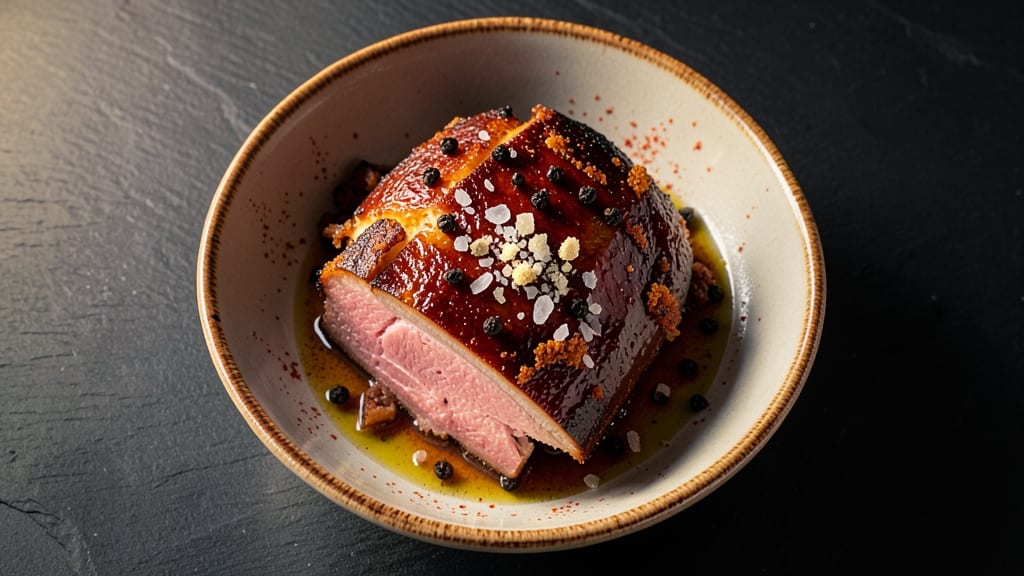
This carnivore pork shoulder recipe transforms a tough cut into melt-in-your-mouth perfection using the low-and-slow method I perfected during my years competing in the Southeast BBQ circuit.
The key lies in patience—cooking the shoulder at a steady 225°F until it reaches 203°F internally, where the collagen dissolves into rich, juicy fat that keeps every bite tender.
My heritage pigs from the farm provide the ideal marbling for this technique, but any well-sourced pork shoulder will work with the same principles.
The magic happens in the bark development. After the slow cook, I sear the shoulder skin-side down in a screaming-hot cast iron pan to create a deep, caramelized crust that adds texture and depth.
This reverse searing method ensures you get the best of both worlds: tender, pull-apart meat with a crisp exterior that holds up to slicing or cubing.
The entire process takes about 10 hours, but the hands-off cooking makes it perfect for weekends or large gatherings where you want to impress without standing over the stove.
What you'll end up with is a pork shoulder so tender it practically falls apart at the touch, with layers of flavor from the rendered fat and that coveted bark.
Serve it sliced thin for sandwiches, cubed for tacos, or straight from the bone with a drizzle of rendered pork fat. The fat content is high—this is carnivore cooking at its finest—and every bite delivers pure, satisfying protein without unnecessary fillers.
This is the kind of dish that turns casual dinners into memorable meals.
For those following a strict carnivore approach, this recipe requires nothing but the pork shoulder, salt, and time. No vegetables, no grains—just meat cooked to its maximum potential. The rendered fat can be saved for future cooking or used as a finishing drizzle.
Trust me, once you taste pork shoulder cooked this way, you'll never settle for anything less.
Ingredients for carnivore pork shoulder
Six ingredients. One cut. Ten hours of pure carnivore magic.
| Ingredient | Amount | Notes |
|---|---|---|
| Pork Shoulder 🐖 | 8 lb | Bone-in, well-marbled preferred |
| Kosher Salt 🧂 | 1 ½ tbsp | Diamond Crystal preferred |
| Black Peppercorns 🌶️ | 1 tbsp | Freshly cracked for depth |
| Garlic Powder 🧄 | 1 tsp | For subtle complexity |
| Smoked Paprika 🌶️ | ½ tsp | For subtle smokiness |
| Olive Oil 🫒 | 2 tbsp | For searing |
| Apple Cider Vinegar 🍎 | 1 tbsp | Balances richness |
The pork shoulder is the star—look for heritage pigs if you can, but any bone-in cut with good marbling works. Farmers markets or specialty butchers often carry the best quality, but the regular meat section at Costco or Kroger will have solid options too. Aim for 8 lbs—this gives you plenty for leftovers. The fat is what makes this dish work, so don't trim it. If your cut has a thick layer of fat on top, leave it—it'll render down during cooking and create that coveted bark. For extra insurance, I like to rub the shoulder with a little olive oil before seasoning to help the bark develop.
No kosher salt? Sea salt or even coarse salt works in a pinch, but kosher is ideal because it dissolves better. Running out of black peppercorns? Ground black pepper at half the amount will do, but cracked peppercorns add that little extra texture. The smoked paprika is optional but adds a subtle depth that pairs perfectly with the pork. If you don't have it, skip it—this is still carnivore perfection. For the sear, avocado oil or ghee works just as well as olive oil. And if you're feeling fancy, a splash of apple cider vinegar in the rub helps tenderize the meat and adds a bright note that cuts through the richness.
This pork shoulder is best made ahead—it actually tastes better the next day once all the flavors meld. Store leftovers in the fridge for up to 5 days, or freeze for 3 months. The rendered fat can be saved in a jar in the fridge for up to 6 months—use it for cooking or drizzling over finished meat. If you're prepping for a crowd, cook the full 8 lbs and portion it out. The meat stays tender for days, so you can pull it out whenever you need a quick carnivore meal. And trust me, there won't be any leftovers—this disappears fast.
Why You'll Love This Recipe
- Foolproof Seasoning: I swear by the salt-pepper-paprika blend here—just three ingredients that transform raw pork into something irresistible. No fancy rubs, no guesswork, and that smoked paprika? It’s the secret that makes it taste like it’s been slow-cooked all day.
- Crispy-Perfect Texture: The magic happens when you render the fat and let it crisp—no fancy equipment, just patience. That crackling crust with the tender inside? It’s the kind of bite that makes people ask for seconds before you even finish serving.
- Leftovers That Last: This recipe actually improves the next day. Shred it for tacos, sandwiches, or just reheat slices straight from the pan. I’ve fed my family for days with just one pork shoulder, and honestly? They never complain about the leftovers.
- Budget Meal for Crowds: A single pork shoulder feeds six, costs less than takeout, and requires zero last-minute grocery runs. Between us, this is how I stretch my paycheck without sacrificing flavor—smoky, savory, and always a hit.
Step-by-step instructions for carnivore pork shoulder
Here's how to transform an 8 lb pork shoulder into melt-in-your-mouth perfection with just a few simple steps.
Season and Rest the Pork Shoulder
Start by laying the pork shoulder on a wire rack set over a rimmed baking sheet. This allows air to circulate on all sides, ensuring even cooking. In a small bowl, combine the 1.5 tbsp kosher salt, 1 tbsp freshly cracked black peppercorns, 1 tsp garlic powder, and 0.5 tsp smoked paprika. Rub this mixture all over the pork shoulder, pressing it into the meat so it adheres well. Pay special attention to the fat cap and any crevices where the seasoning might not reach.
Once seasoned, let the pork shoulder rest at room temperature for 30 minutes. This step is crucial—it allows the meat to come to an even temperature before cooking, which helps prevent uneven doneness. While it rests, preheat your oven to 275°F. This low temperature is key to achieving that fall-apart tenderness without drying out the meat.
Sear the Pork Shoulder for Flavor
After the pork shoulder has rested, remove it from the wire rack and place it fat-side up in a large oven-safe skillet. Heat the skillet over medium-high heat until it's hot, then add 2 tbsp olive oil. Carefully place the pork shoulder in the skillet and let it sear undisturbed for 5-7 minutes until the fat begins to render and the skin turns golden brown. This step adds a layer of flavor and helps create a crispy exterior.
Once the skin is golden, carefully transfer the skillet to the preheated oven. The residual heat from searing will help kickstart the cooking process. Pour 1 tbsp apple cider vinegar into the bottom of the skillet—this will help deglaze and add a subtle tang that balances the richness of the pork. The vinegar also creates a slightly acidic environment that enhances the bark formation.
Cook Low and Slow for Tenderness
Place the pork shoulder in the oven and cook it uncovered at 275°F for 6-8 hours. This low-and-slow method is where the magic happens—the connective tissue breaks down gradually, turning into gelatin that makes the meat incredibly tender. You'll know it's ready when the internal temperature reaches 195-203°F on a meat thermometer inserted into the thickest part of the shoulder. This can take a while, so be patient.
Here's the thing—don't open the oven door during cooking. Every time you peek, you release heat and steam, which can set back your cooking time. If you're unsure whether it's done, use the thermometer as your guide. The meat should be fork-tender, with the juices running clear when you pierce it. If the meat starts to shrink away from the edges of the pan, it's a sign that it's nearly ready.
Rest and Slice for Maximum Juiciness
Once the pork shoulder reaches the target temperature, remove it from the oven and let it rest on a cutting board for at least 1 hour. This resting period is essential—it allows the juices to redistribute throughout the meat, ensuring that each slice is moist and flavorful. If you're short on time, you can tent the pork loosely with foil and let it rest for 30 minutes, but 1 hour is ideal.
After resting, use a sharp carving knife to slice the pork shoulder against the grain into ½-inch thick slices. The grain will be visible as lines running through the meat. Slicing against the grain shortens the muscle fibers, making each bite more tender. Serve the pork shoulder immediately, and you'll be rewarded with meat that falls apart at the touch of your fork. This carnivore-friendly dish is rich, flavorful, and packed with protein—perfect for a hearty meal.
Pro Tips For Making Carnivore Pork Shoulder
- CRANK THE HEAT: Start your pork shoulder in a screaming-hot pan—450°F or higher—until it hits 150°F internal. I learned this the hard way: low and slow from the get-go means gray, bland meat. Get that crust locked in fast, then dial it back to 275°F for the rest.
- SALT LIKE YOU MEAN IT: Generously coat the pork shoulder with kosher salt before searing, not just after. I used to skimp, thinking it’d dissolve into the fat—wrong. The salt draws out moisture, then reabsorbs during cooking, creating a flavor bomb crust. Aim for 1.5 teaspoons per pound, minimum.
- DON’T TOUCH THE MEAT: Resist the urge to poke or prod the pork shoulder while it’s cooking. Every time you check the temp, you risk losing heat and moisture. Use a leave-in thermometer probe (like the Thermoworks Smoke) to monitor progress without opening the lid.
- SMASH THE GARLIC POWDER: Mix the garlic powder and smoked paprika with a pinch of black peppercorns directly into the sear pan after removing the pork. The residual fat will toast the spices into a fragrant paste—way better than sprinkling dry powder on top. Scrape it up with the crust when you plate it.
Wine and beer pairings for these flavors
Red Wine Classics
For this rich, fatty pork shoulder, I reach for bold reds that stand up to the meat's intensity. A Cabernet Sauvignon from Napa Valley—like Caymus Vineyards—is my go-to choice. Its dark fruit flavors and firm tannins cut through the pork's richness while complementing the smoky, caramelized bark.
The high alcohol content also helps cleanse your palate between bites, making each mouthful feel fresh. 🍷
If you prefer something slightly lighter but equally delicious, a Syrah from the Rhône Valley works wonders. Look for a Guigal Côte-Rôtie—its peppery notes and vibrant acidity balance the pork's fat beautifully. Both wines pair perfectly with the apple cider vinegar's tang, creating a harmonious balance on your palate.
Beer Pairings
Craft beer lovers will find their match in a robust American Barleywine or Belgian Dubbel. A Founders Kentucky Breakfast Stout adds a touch of coffee and chocolate that contrasts the pork's savory depth, while a Westmalle Dubbel brings caramel and spice notes that mirror the meat's natural flavors.
The high alcohol content in these beers helps cut through the fat, making each bite more enjoyable.
For something lighter but still flavorful, try a German Dunkelweizen. The malt sweetness and subtle banana notes from the yeast pair surprisingly well with the pork's smoky bark.
I've also found that a sour brown ale—like Allagash Curieux—adds a bright acidity that refreshes your palate between rich bites.
Unexpected Pairings
If you're feeling adventurous, consider a Port wine—specifically a Ruby Port. The sweetness balances the pork's saltiness, while the dark fruit flavors enhance the meat's natural richness. This pairing is perfect for serving pork shoulder at holiday gatherings or special occasions when you want to impress your guests.
For a non-alcoholic option, a smoked black tea with a splash of honey works surprisingly well. The smoky notes echo the pork's bark, while the honey adds a subtle sweetness that complements the fat. It's a refreshing choice that won't overpower the meat's natural flavors.
Sipping Tips
When pairing wine or beer with pork shoulder, let the drink breathe alongside the meat. I recommend serving both at room temperature—this enhances the flavors in both the pork and the beverage.
Start with a small sip to let the flavors meld, then take a bite of pork. This helps you appreciate how the drink complements the meat's texture and richness.
If you're serving pork shoulder at a gathering, offer both red wine and beer options to cater to different preferences. I've found that guests often appreciate having choices, and it adds an element of sophistication to the meal.
Nutrition facts
Frequently asked questions
Can I use a different cut of pork for this carnivore recipe?
While pork shoulder is ideal for this low-and-slow method, you could try a bone-in pork butt or pork picnic roast—they're essentially the same cut with different names. Just ensure it's well-marbled with visible fat. Avoid lean cuts like tenderloin, as they won't render enough fat for that perfect bark or stay tender during long cooking.
How do I know when the pork shoulder is fully cooked?
Use a meat thermometer inserted into the thickest part—it should read between 195-203°F. The meat will also pull away from the bone slightly and feel fork-tender when pierced. Pro tip: The juices should run clear, not pink. If you're unsure, err on the side of slightly undercooked—it'll carry over during resting.
Can I make this in a slow cooker instead of the oven?
Place the seasoned pork shoulder in your slow cooker on low for 8-10 hours or high for 5-6 hours. Just add 1 cup of water or broth to the bottom to create steam. For extra bark, finish by searing in a hot cast iron pan after slow cooking. The texture will be slightly different but still delicious.
Why does my pork shoulder turn out dry?
Dry pork usually happens from overcooking or opening the oven too often. Keep the temp steady at 275°F and resist peeking! Also, ensure your cut has good marbling—the fat renders into flavorful juices. If using a leaner cut, add a small piece of bacon or pork fat to the pan during cooking for extra moisture.
How should I store leftovers?
Store in an airtight container in the fridge for up to 5 days or freeze for 3 months. The rendered fat can be saved separately and used for future cooking. For reheating, warm in a skillet with a splash of water or broth to restore moisture. Microwaving works but can make the meat slightly rubbery.