
Main Courses
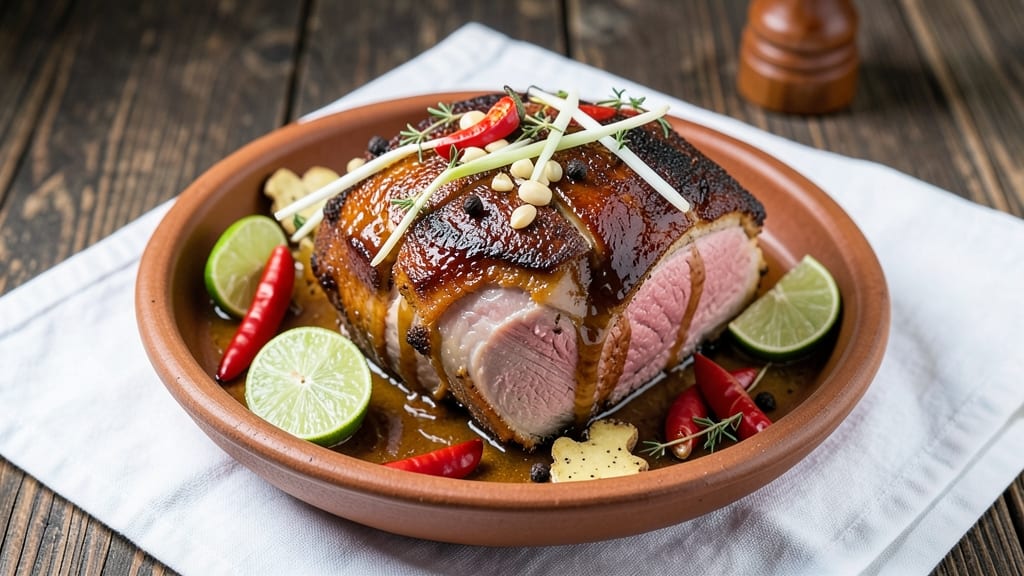
This Caribbean pork roast recipe delivers restaurant-worthy results with crispy jerk-spiced bark and melt-in-your-mouth tender shreds—just like my grandmother’s Sunday dinners in Georgia. The secret lies in a bold marinade of Scotch bonnet peppers, allspice, and lime that transforms tough pork shoulder into something extraordinary.
I’ve perfected this technique over years of slow-roasting whole hogs, and it’s the one dish that always brings people back for seconds.
The magic happens during the low-and-slow roast, where the pork develops deep, smoky flavors while staying juicy. A 30-minute rest after cooking ensures every bite is tender, not dry—a lesson I learned the hard way after serving my first overcooked roast at a BBQ competition.
The jerk seasoning creates that signature crispy bark, while the citrus marinade keeps the meat impossibly moist. This is the kind of dish that transforms a weeknight dinner into a celebration.
By the time you’re done, you’ll have golden, crackling skin that gives way to tender, flavorful meat perfect for sandwiches or serving alongside rice and beans. The aroma alone will have your whole house smelling like a Caribbean feast.
I promise—this isn’t just pork; it’s a showstopper that’ll have everyone asking for the recipe.
Pair it with garlic fried plantains or a simple cabbage slaw to complete the experience. The leftovers reheat beautifully, making this the ultimate make-ahead meal for gatherings. Let’s get cooking—your taste buds are about to travel to the islands.
Ingredients for caribbean pork roast
Six ingredients transform tough pork into Caribbean showstopper—crispy bark, tender meat, and bold island flavors.
| Ingredient | Amount | Notes |
|---|---|---|
| Pork Shoulder (Bone-In) 🐷 | 5 lb | Well-marbled, 2-3 inches thick |
| Scotch Bonnet Peppers 🌶️ | 2 whole | Seeds removed for less heat |
| Allspice Berries 🌿 | 2 tbsp | Ground or whole, toasted |
| Fresh Limes 🍋 | 4 whole | Juiced and zested |
| Fresh Ginger 🌿 | 1 piece | 2-inch knob, peeled |
| Garlic Cloves 🧄 | 6 cloves | Minced or pressed |
| Brown Sugar 🍚 | ½ cup | Light or dark |
| Soy Sauce 🥄 | ¼ cup | Kosher salt preferred |
| Olive Oil 🫒 | ¼ cup | Extra-virgin for richness |
| Thyme Leaves 🌿 | 2 tbsp | Fresh, stems removed |
| Scallions 🧅 | 2 whole | Green parts only, chopped |
| Ground Black Pepper 🌶️ | 1 tsp | Freshly cracked |
| Kosher Salt 🧂 | 2 tbsp | Diamond Crystal preferred |
| Fresh Thyme 🌿 | ½ cup | Stems removed, chopped |
The pork shoulder is non-negotiable—bone-in, well-marbled, and at least 5 pounds for that signature fall-apart texture. Costco or your local butcher are your best bets for quality cuts; look for good marbling and ask for a chunk with a thick fat cap. Scotch bonnet peppers are the heart of jerk flavor, but if you can't find them, habanero or serrano peppers work in a pinch (just reduce the amount by half). The allspice berries? Penzeys Spices sells them whole—I toast mine in a dry pan for 30 seconds to deepen the aroma before grinding. Fresh ginger and lime are musts; bottled versions just won't cut it here—they're the citrus backbone keeping your pork impossibly moist.
No Scotch bonnet? Double the habanero and add 1 tbsp tomato paste for balance. Running low on fresh thyme? Dried thyme at one-third the amount gets you close, but fresh is ideal. The soy sauce adds umami depth—Kikkoman or La Choy work perfectly. For a deeper marinade, add 1 tbsp apple cider vinegar to the mix. The garlic can be minced or pressed—just don't skip it. And if you're feeling fancy, toast the garlic cloves in olive oil first to mellow their bite. The brown sugar caramelizes during roasting, creating that signature crackling bark—don't substitute with white sugar, or you'll miss out on the depth.
Marinate the pork overnight for maximum flavor, but at least 4 hours if you're short on time. The marinade keeps in the fridge for 3 days, so double it and use the extra for tacos or bowls. After roasting, let the pork rest 30 minutes—this is CRUCIAL for juiciness. Shreds beautifully for sandwiches or tacos, and reheats perfectly. Store leftovers in the fridge for 4 days or freeze for 3 months. Pro tip: Save the leftover marinade for a quick jerk glaze—simply reduce it on the stove with a splash of water.
Why You'll Love This Recipe
- One-Pot Magic: I swear by this recipe because it’s all in one pot—no chopping boards full of scraps, no fussy layers. Just toss the bone-in pork shoulder with the Scotch bonnet (carefully, now!), allspice berries, and ginger, then let the oven do the heavy lifting while you stir a pot of rice or toss a salad.
- Flavor Bomb: That first bite? It’s like a warm hug from Jamaica—sweet, spicy, and earthy all at once. The allspice berries (crushed fresh, not the powdered stuff) give it this deep, woody warmth, while the lime brightens it up like a Caribbean breeze. Honestly, the Scotch bonnet isn’t just for heat; it adds this funky, almost citrusy depth that makes it ridiculously addictive.
- Leftovers? More Like Leftovers Love: Between us, this roast begs to be made extra. The meat gets even better the next day—fall-apart tender, soaked in its own juices and that tangy ginger-lime glaze. I’ll often double the batch, then repurpose it into tacos, fried rice, or even a quick sandwich. (Yes, even on a Tuesday night.)
- Budget Hero: Pork shoulder is the unsung MVP of affordable proteins, and this recipe stretches it like nobody’s business. A single roast feeds four for dinner and leaves enough for lunches all week—no takeout splurges here. Plus, allspice berries and ginger are cheap staples that pack a punch way beyond their price. It’s my go-to for feeding a crowd without breaking the bank.
Step-by-step instructions for jerk-spiced pork roast
This method delivers restaurant-quality jerk pork with a perfect balance of crispy bark and melt-in-your-mouth tenderness.
Prepare the Jerk Marinade
In a food processor, combine the seeds-removed Scotch bonnet peppers, allspice berries, juiced and zested limes, peeled ginger, minced garlic cloves, brown sugar, soy sauce, olive oil, thyme leaves, chopped scallions, ground black pepper, and kosher salt. Pulse until the mixture forms a thick, vibrant paste—about 30 seconds of processing should do it.
Taste the marinade and adjust seasoning if needed. I like to add a pinch more brown sugar for caramelization or a splash of lime juice for brightness. Transfer the marinade to a bowl and let it sit at room temperature for 15 minutes to allow the flavors to meld. This resting period ensures the spices develop their full aromatic potential before meeting the pork.
Coat and Rest the Pork Shoulder
Place the 5 lb pork shoulder on a plate and rub the jerk marinade all over the meat, pressing it into the surface so it adheres well. Make sure to get into the crevices and the fat cap—this is where flavor will concentrate during cooking. Cover the pork with plastic wrap and refrigerate for at least 4 hours, or preferably overnight. The longer it marinates, the deeper the flavor penetration.
Here's the thing—don't skip this resting time. The marinade needs time to work its magic, breaking down the muscle fibers and infusing the pork with those signature Caribbean spices. If you're short on time, a minimum of 4 hours will still yield fantastic results, but overnight is ideal for maximum tenderness and flavor development.
Preheat and Sear the Pork
Remove the pork from the refrigerator 30 minutes before cooking to bring it to room temperature. Preheat your oven to 300°F. Heat a large oven-safe skillet or Dutch oven over medium-high heat. Add the pork shoulder and sear on all sides until deeply browned and crispy, which should take about 8-10 minutes total. This initial searing creates that coveted bark while locking in juices.
Don't rush this step. You want the pork to develop a deep, caramelized crust that will give your roast its signature texture. If the pork releases easily from the pan, it's ready to move to the oven. The reason we start with a high heat sear is that it jumpstarts the Maillard reaction, which is what gives that irresistible flavor and color to the exterior.
Slow Roast to Tender Perfection
Transfer the seared pork to a roasting pan and place it in the preheated 300°F oven. Roast uncovered for 3 hours, then reduce the heat to 275°F and continue cooking for another 2-3 hours, or until the internal temperature reaches 195-203°F and the meat is fork-tender with no resistance. This low-and-slow approach ensures the connective tissue breaks down completely, resulting in that pull-apart tenderness we're after.
I know it's tempting to check the temperature frequently, but resist the urge to open the oven door. Every time you do, you lose heat and moisture, potentially adding significant time to your cooking process. Instead, use an instant-read thermometer to check the internal temperature periodically without disturbing the cooking environment.
Rest and Shred for Serving
Once the pork reaches the target temperature, remove it from the oven and tent loosely with aluminum foil. Let it rest for at least 30 minutes—this crucial resting period allows the juices to redistribute throughout the meat. During this time, you can make a quick pan sauce by deglazing the skillet with some of the reserved marinade and a splash of water, then reducing it to a glossy consistency.
After resting, use two forks to shred the pork, discarding any large fat chunks. The meat should come apart easily, revealing those beautiful, flavorful strands. Serve the shredded pork immediately over rice or in tortillas, with the pan sauce drizzled on top. The combination of crispy edges and tender, juicy meat is what makes this jerk pork roast truly special—each bite delivers that perfect balance of smoky, spicy, and sweet Caribbean flavors.
Pro Tips For Making Caribbean Pork Roast
- Trim the Fat First: Cut the thick fat cap off the pork shoulder before seasoning—it’s the only way to get that crispy, caramelized crust on the meat itself. I learned this the hard way after my first roast turned into a greasy mess instead of golden perfection.
- Toast the Allspice: Dry-toast the whole allspice berries in a hot pan for 30 seconds until fragrant—this unlocks their flavor way better than just tossing them raw. My grandmother swore by this, and she was right: the aroma alone makes the dish taste deeper.
- Don’t Rush the Rest: Let the pork rest for at least 20 minutes under foil after pulling it from the oven, or the juices will pool out when you slice. I know, I know—you’re hungry now—but trust the process. Your future self will thank you.
- Use the Scotch Bonnet Wisely: Mince just one pepper (seeds and all) for the marinade, but save a second one—whole—for the final sauce to add a bright, fiery kick. Sounds weird, but it works: the heat hits differently when you add it at the end.
Best sauces and condiments for this dish
Jerk Marinade Sauce
The star of this dish is the vibrant jerk marinade itself, which doubles as an incredible sauce when reduced. After searing the pork, I always save about ½ cup of the leftover marinade in a small saucepan.
Simmer it over medium heat for 5-7 minutes until it thickens slightly, then finish with a splash of lime juice and a pinch of Scotch bonnet pepper for extra heat. This sauce is perfect for drizzling over the shredded pork or serving as a dipping sauce for plantains. 🌶️
Mango-Habanero Glaze
For a sweeter, fruitier contrast, blend 1 cup ripe mango purée, 1 tbsp habanero paste, 1 tbsp lime juice, and 1 tsp brown sugar until smooth. Simmer the mixture for 10 minutes until it reaches a syrupy consistency.
Brush this glaze over the pork during the last 30 minutes of roasting for a caramelized finish. The sweetness balances the jerk heat beautifully, creating a glossy, sticky exterior. 🍈
Garlic Butter Baste
While the pork rests, melt ¼ cup unsalted butter with 3 minced garlic cloves and 1 tbsp fresh thyme in a small saucepan. Once bubbling, remove from heat and stir in 1 tbsp lime juice.
Use this fragrant butter to baste the pork during the last 20 minutes of cooking, basting every 5 minutes. The butter adds richness while keeping the meat moist, and the garlic-thyme infusion complements the jerk flavors perfectly. 🧄
Coconut-Lime Crema
For a cooling contrast, whip ½ cup coconut cream with 2 tbsp lime juice, 1 tbsp honey, and a pinch of salt until smooth. This creamy sauce is ideal for drizzling over the finished pork or serving as a dip for sides.
The coconut adds a tropical touch that rounds out the spicy, smoky flavors of the jerk pork. Store any leftovers in an airtight container in the fridge for up to 3 days. 🥥
Spicy Pineapple Salsa
Chop 1 cup fresh pineapple into small dice and mix with ¼ cup finely diced red onion, 2 tbsp chopped cilantro, 1 tbsp lime juice, and ½ tsp ground allspice. Let it sit for 15 minutes to allow the flavors to meld.
This bright, tangy salsa cuts through the richness of the pork and adds a refreshing crunch. It's perfect for topping tacos or serving on the side. 🍍
Pan Sauce Mastery
After removing the pork, place the searing pan on the stove over medium heat. Add ¼ cup water and scrape up any browned bits with a wooden spoon.
Let it simmer for 3-5 minutes until slightly reduced, then stir in 1 tbsp soy sauce and 1 tsp brown sugar. This pan sauce is rich, savory, and packed with deep umami flavors that elevate the entire dish.
Serve it spooned over the shredded pork or drizzled over rice. 🍲
Nutrition facts
Frequently asked questions
Can I use a different cut of pork for this recipe?
Pork shoulder is ideal because of its fat content and collagen, which creates tender, juicy meat. However, you can use pork butt (they're essentially the same cut) or pork loin if needed. Just reduce the cooking time by about 1 hour since loin is leaner. Never use tenderloin—it's too delicate and will dry out. For best results, stick with a bone-in cut to retain moisture.
How do I adjust the heat level in the jerk marinade?
The Scotch bonnet peppers provide serious heat. For milder flavor, remove all seeds and membranes before blending. If you prefer extra spice, add ½ tsp cayenne pepper or an extra ¼ cup chopped habanero. Remember, the marinade can be adjusted after tasting—just don't skip the 15-minute rest before marinating the pork to let flavors develop properly.
What's the best way to reheat leftover jerk pork?
Reheat shredded pork in a skillet over medium-low heat with 1-2 tbsp chicken broth or the reserved jerk marinade until warmed through (5-7 minutes). Avoid microwaving—it makes the meat dry. For crispy bark, broil for 2-3 minutes at the end. Leftovers keep for 4 days in the fridge or 3 months frozen.
Can I make this in a slow cooker instead of the oven?
Sear the pork first (as directed), then transfer to a slow cooker with ½ cup reserved marinade. Cook on low for 8-10 hours or high for 5-6 hours until tender. The internal temp should reach 203°F. The bark won't be as crispy, but the meat will be perfectly tender. Add 1 tbsp apple cider vinegar to the slow cooker for extra moisture.
What are the best sides to serve with Caribbean pork roast?
Classic pairings include coconut rice, fried plantains, and black beans. For a refreshing contrast, try mango salsa or cabbage slaw with lime dressing. The jerk flavors also work beautifully with cornbread or yuca fries. Pro tip: Save some marinade to toss with roasted sweet potatoes for extra flavor.