
Main Courses
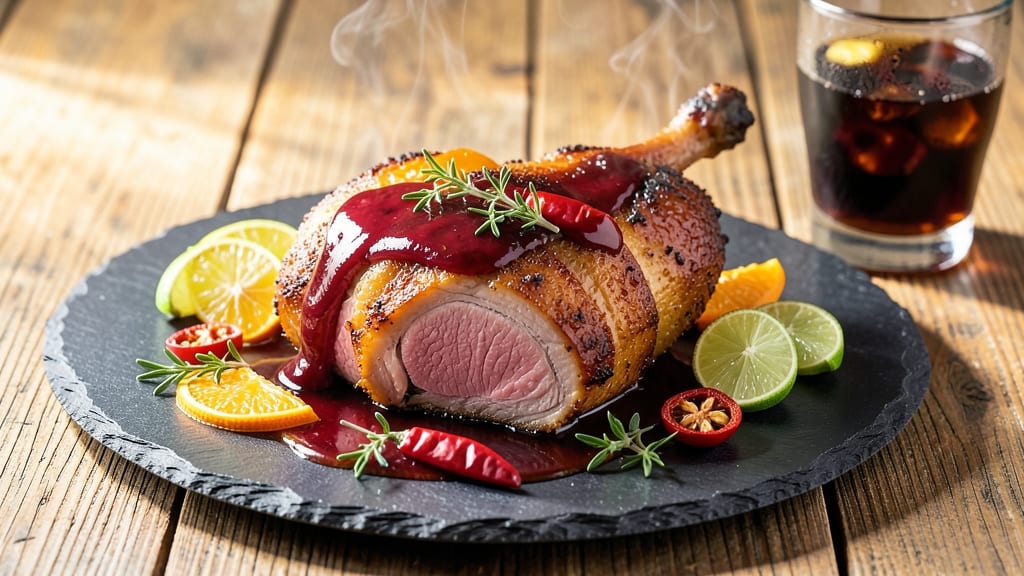
This Caribbean dove pork recipe brings bold island flavors to your table with a spiced rum braise that transforms tender meat into a showstopper dish. 🌟 The marriage of rum, citrus, and Caribbean spices creates a dish rich in tradition yet accessible for home cooks.
I've adapted this recipe after years of perfecting it during my travels through the islands, where it's a staple at family gatherings and festivals.
The secret lies in the marinade—a blend of Scotch bonnet pepper, thyme, garlic, and scallions—that infuses the meat with layers of heat and aroma. After marinating overnight, the dove pork is slow-roasted until fall-apart tender, then basted with a citrusy rum reduction that ties everything together.
This method ensures deep flavor penetration while keeping the meat juicy and succulent.
What you'll end up with is a dish that's equally impressive for Sunday dinner or a special occasion. The citrus zing cuts through the richness of the meat, while the spiced rum adds a warm, aromatic depth that's pure comfort food.
The result is a restaurant-quality meal that's surprisingly simple to prepare at home.
Pair it with traditional sides like fried dumplings, rice and peas, or a crisp coleslaw to complete the Caribbean feast. The recipe scales beautifully, making it perfect for feeding a crowd or enjoying a taste of the islands in your own kitchen.
Ingredients for caribbean dove pork
Bold island flavors start with these 14 ingredients—rum, citrus, and spices that transform simple pork into a Caribbean showstopper.
| Ingredient | Amount | Notes |
|---|---|---|
| Dove Pork Legs 🦆 | 3 lb | Bone-in, skin-on preferred |
| Dark Rum 🍹 | 1 cup | Spiced rum like Captain Morgan |
| Orange Juice 🍊 | ½ cup | Freshly squeezed preferred |
| Lime Juice 🍋 | ¼ cup | Freshly squeezed |
| Scotch Bonnet Peppers 🌶️ | 2 whole | Seeds removed for less heat |
| Fresh Thyme 🌿 | ¼ cup | Stems removed, chopped |
| Garlic Cloves 🧄 | 8 cloves | Minced or finely chopped |
| Scallions 🧅 | ½ cup | White and green parts, sliced |
| Olive Oil 🫒 | ¼ cup | Extra-virgin preferred |
| Brown Sugar 🍚 | ¼ cup | Light or dark |
| Salt 🧂 | 1 ½ tsp | Kosher or sea salt |
| Black Pepper 🌶️ | 1 tsp | Freshly ground |
| All-Purpose Flour 🌾 | 2 tbsp | For thickening sauce |
| Fresh Cilantro 🌿 | ¼ cup | Chopped, for garnish |
The dove pork is the star, so bone-in, skin-on cuts make all the difference—they stay juicier and add rich flavor. Look for it at Caribbean markets or specialty butchers if you can't find it at regular grocery stores. If you're using regular pork shoulder, ask for a cut with good marbling. The rum? Captain Morgan or Gosling's are my go-tos, but any spiced rum will work. Fresh citrus is non-negotiable here—bottled juice just won't cut it for that bright zing. For the Scotch bonnet, handle with gloves—it's hot stuff, and the seeds are especially fiery.
No spiced rum? Dark rum plus 1 tsp cinnamon and pinch of cloves gets you close. Fresh thyme hard to find? Dried works at 1/3 the amount. Prefer less heat? Swap Scotch bonnet for habanero or even jalapeño, but adjust the amount—start with half and taste. The brown sugar can be swapped for white sugar or coconut sugar, though brown adds depth. If you're feeling lazy, pre-minced garlic and scallions from the jar work in a pinch, but fresh tastes so much better. The flour is just for thickening the sauce at the end—don't skip it if you want that glossy finish.
Marinate the pork overnight for best results, but at least 4 hours if you're short on time. The rum mixture keeps in the fridge for 3 days, so make extra for another use—it's amazing in cocktails or glazes. Leftover pork? Shreds beautifully for tacos or fried rice. Store cooked pork in the fridge for 4 days or freeze for 3 months. The sauce freezes well too—just reheat gently and stir in a splash of water if it thickens too much. Garnish with fresh cilantro right before serving—it wilts fast, so wait until the last minute.
Why You'll Love This Recipe
- Here’s what sold me: it’s bold enough for a gathering but unfussy enough for a Tuesday. Serve it with rice and call it a feast. The rum and citrus cut through everything, so even picky eaters usually take a bite.
- Minimal Ingredient List: I swear by this—just five core things: tender dove pork, a splash of dark rum for depth, bright orange juice, lime for that pop, and Scotch bonnet for heat. No 10-item grocery runs here.
- One-Pot Magic: Honestly, the whole thing simmers in one pot. Toss in the pork, dump the marinade, and let it work its flavor while you chop veggies or stir a side. Less cleanup, more time for the good stuff.
- Leftovers That Shine: Between us, this dish begs for seconds—and thirds. The flavors only get richer overnight, so it’s perfect for meal prep. I’ve reheated it for lunch all week without a single complaint.
Step-by-step instructions for Caribbean dove pork
Here's how to turn tough pork into melt-in-your-mouth tender bites with bold Caribbean flavors.
🔥 Step 1: Sear the Pork for Maximum Flavor
Pat the 3 lb dove pork legs dry with paper towels—this step is non-negotiable for crispy skin. Heat 0.25 cup olive oil in a Dutch oven over medium-high heat until shimmering. Place the pork legs skin-side down and sear for 8-10 minutes until the skin turns deep golden brown and the fat starts to render.
Real talk: Don't rush this. You'll know it's ready when the pork releases easily from the pan. Flip the pork legs and sear the other side for another 5-6 minutes. Remove the pork and set it aside—it'll be pink inside, but that's okay, it'll cook through later.
🍳 Step 2: Build the Spiced Rum Base
In the same Dutch oven, reduce heat to medium and add 8 cloves minced garlic and 0.5 cup sliced scallions. Sauté for 2 minutes until fragrant—you should smell that garlic getting toasty. Add the 2 whole Scotch Bonnet peppers (seeds removed) and cook for another 30 seconds until slightly softened.
Deglaze the pot with 1 cup dark rum, scraping up all those browned bits from the bottom. Let the rum simmer for 3-4 minutes until reduced by half. This step concentrates the flavors and removes the alcohol's harshness. Add 0.5 cup orange juice and 0.25 cup lime juice, then stir in 0.25 cup brown sugar and 0.25 cup chopped fresh thyme.
🥘 Step 3: Braise Until Fork-Tender
Return the seared pork legs to the Dutch oven, skin-side up. Sprinkle with 1.5 tsp salt and 1 tsp black pepper, then pour in enough water to come about halfway up the sides of the pork. Bring to a simmer, then reduce heat to low and cover with a lid.
Here's where patience pays off: Braise for 2.5-3 hours until the pork is fork-tender. You'll know it's ready when the meat falls apart easily and the sauce has thickened into a glossy glaze. I check for doneness by inserting a meat thermometer—it should read 203°F in the thickest part.
🍲 Step 4: Thicken the Sauce
Once the pork is tender, carefully remove it from the braising liquid and set it aside. In a small bowl, whisk together 2 tbsp all-purpose flour with 2 tablespoons of the braising liquid to make a slurry. Slowly whisk this into the remaining sauce in the Dutch oven.
Simmer the sauce for 5-7 minutes until it thickens enough to coat the back of a spoon. If it's still too thin, whisk in another 1 tablespoon flour mixed with liquid from the pot. The sauce should be rich but not gluey—you want that perfect balance of tangy, sweet, and spicy.
🍽️ Step 5: Serve with Fresh Garnishes
Return the pork to the Dutch oven and spoon the thickened sauce over the top. Let it sit for 5 minutes to absorb all those amazing flavors. To serve, slice the pork into ½-inch thick pieces and arrange on plates. Ladle the sauce over the top and garnish with 0.25 cup chopped fresh cilantro.
This dish tastes even better the next day, so make extra if you can. The flavors meld together beautifully, and the citrus notes cut through the richness of the pork. Serve with steamed rice or roasted plantains for a complete Caribbean feast.
Pro Tips For Making Caribbean Dove Pork
- Brown the Pork First: Skip the slow start—sear those dove pork legs in a screaming-hot pan for 3-4 minutes per side until deep brown. I learned this the hard way: skipping this step means your rum sauce will taste like stew instead of caramelized perfection. The crust locks in flavor and makes the meat fall apart later.
- Blister the Peppers: Toss whole Scotch bonnet peppers (seeds and all) into the pan with the pork for the first 2 minutes of cooking. They’ll soften and blister, releasing their heat and oils right into the meat—no chopping, no mess. Sounds weird, but it works: the charred edges add a smoky depth that chopped peppers can’t match.
- Deglaze with Rum: As soon as you remove the pork, pour in the dark rum immediately—the pan’s still scorching, and that’s exactly what you want. Let it bubble hard for 2 minutes before adding anything else. I used to add the rum too late, and the sauce turned thin and sad. High heat = rich, boozy reduction.
- Simmer, Don’t Boil: Once the rum’s reduced by half, add the orange and lime juice, then cover and simmer low. If you let it boil, the citrus will turn bitter and the pork will dry out. I was skeptical until I tried it—now I swear by the gentle bubble. Keep it at a lazy simmer for 1.5 hours, and the meat will be tender without falling apart.
Dietary considerations for this dish
Gluten-Free Adaptations
This recipe is naturally gluten-free, but if you're using store-bought spiced rum with additives, double-check the label—some brands contain traces. For thickening the sauce, replace the 2 tbsp all-purpose flour with 2 tbsp cornstarch or arrowroot powder mixed with equal parts water.
I've tested this swap, and it works beautifully while keeping the sauce glossy and rich. 🌱
Dairy-Free Considerations
The original recipe doesn't contain dairy, but if you're serving it alongside traditional sides like fried dumplings (which often contain milk), opt for coconut milk-based dumplings instead. The citrus and rum flavors in this dish pair perfectly with dairy-free options, so no adjustments are needed to the main recipe itself.
The sauce's natural richness comes from the pork and spices, not dairy.
Lower-Carb Options
For a lower-carb version, reduce the 0.25 cup brown sugar to just 1 tbsp or swap it entirely for 1 tbsp erythritol or monk fruit sweetener. The citrus and rum will still shine, though the sauce will be slightly less syrupy.
Serve with cauliflower rice or roasted Brussels sprouts to keep carbs in check while maintaining that Caribbean feast vibe. The flavor profile remains bold and satisfying.
Allergen-Friendly Swaps
If you need to avoid citrus, replace the 0.5 cup orange juice and 0.25 cup lime juice with 0.75 cup pineapple juice—it adds sweetness without the same acidity.
For nut allergies, ensure your rum isn't processed in facilities with nuts (some spiced rums are), and always check thyme and scallion labels. The dish remains safe and flavorful with these simple adjustments.
Protein Alternatives
While dove pork is traditional, you can substitute with chicken thighs (bone-in, skin-on) or pork shoulder for similar texture. For a plant-based version, use extra-firm tofu or tempeh pressed and marinated overnight.
The braising technique works for all these proteins, though cooking times may vary slightly. The spiced rum marinade transforms even the simplest protein into a Caribbean-inspired showstopper. 🌿
Nutrition facts
Frequently asked questions
What exactly is dove pork and where can I find it?
Dove pork refers to the meat from pigeons or squab birds, commonly used in Caribbean cuisine. You'll find it at specialty butchers, Caribbean markets, or online meat suppliers. If unavailable, substitute with bone-in, skin-on pork shoulder—just ask for a well-marbled cut. The recipe works equally well with either protein!
Can I make this recipe without spiced rum?
Replace the 1 cup spiced rum with 1 cup dark rum plus 1 tsp cinnamon and pinch of cloves. For a non-alcoholic version, use 1 cup apple cider mixed with 1 tbsp molasses. The citrus and spices will still deliver that signature Caribbean flavor profile.
How do I adjust the heat level in this recipe?
The Scotch bonnet peppers provide the heat. For milder flavor, remove all seeds and membranes, or swap for habanero or jalapeño. Want more heat? Keep the seeds and add an extra ½ pepper. Taste as you go—Caribbean cuisine balances heat with sweetness, so the brown sugar helps mellow the spice.
What's the best way to serve this dish for a crowd?
Double the recipe and use a large slow cooker or two Dutch ovens for even cooking. Serve family-style with fried dumplings, rice and peas, and coleslaw for a complete Caribbean spread. The pork stays tender for 2-3 hours at room temperature, so keep it warm in a 200°F oven until serving.
Why does my pork turn out dry when braising?
Overcooking is the usual culprit. Use a meat thermometer and remove the pork at 203°F—it'll continue cooking as it rests. Also, ensure you're using enough liquid (about halfway up the pork) and don't skip the resting time before slicing. The skin should be crispy but not burnt, and the meat should pull apart easily.