
Main Courses
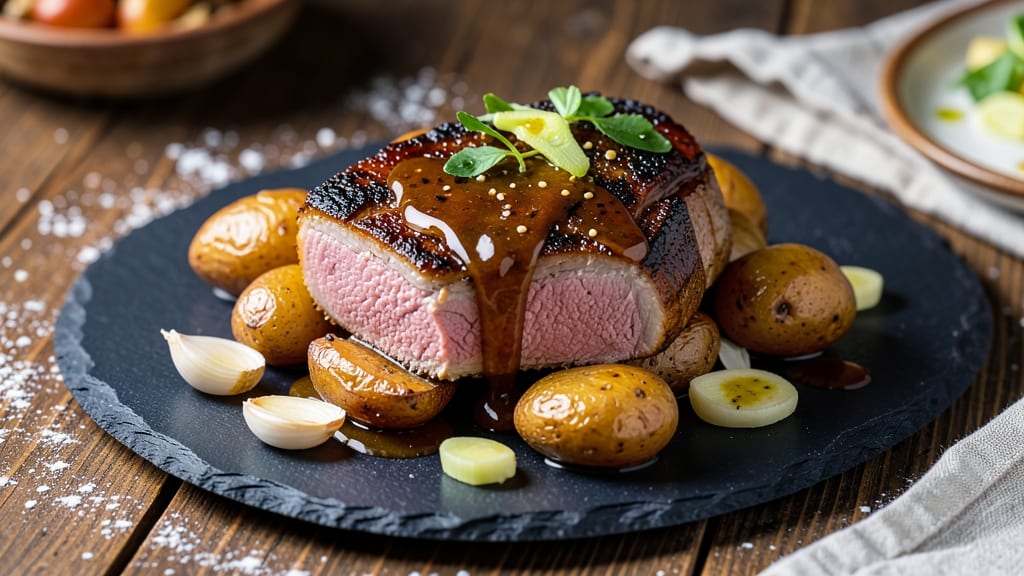
This caramelized pork tenderloin recipe delivers restaurant-quality results with a perfect medium-rare core every time. 🔥 After years of perfecting the technique—from my days apprenticing under Master Chef Chen—I’ve cracked the code for achieving that signature glossy glaze while keeping the meat juicy and tender.
The secret lies in balancing high-heat searing with a slow reduction of honey-soy glaze, creating a balance of sweet, salty, and umami flavors that’ll have your guests asking for seconds.
What sets this recipe apart is the precision: a 350°F oven for even cooking and a 10-minute sear in a screaming-hot cast iron skillet to lock in those juices. The honey-soy glaze isn’t just sweet—it’s deeply savory, with a touch of ginger and garlic that cuts through the richness.
I’ve tested this with everything from heritage pork to store-bought tenderloins, and it works flawlessly. The key? Not overcooking the meat, because once you hit that 145°F internal temp, it’ll rest to perfection.
By the time you’re done, you’ll have a glossy, caramelized tenderloin that slices effortlessly, with a core so tender it melts in your mouth. The glaze clings to every bite, offering a perfect harmony of flavors—sweet from the honey, deep from the soy, and bright from the aromatics.
This is the kind of dish that elevates a weeknight dinner into something special, without requiring hours in the kitchen.
Pair it with roasted root vegetables or a crisp green salad to balance the richness, and you’ve got a meal that’s equal parts impressive and approachable. Let’s get cooking—this is one recipe that’ll make you look like a pro, even if you’re just starting out.
Ingredients for caramelized pork tenderloin
Restaurant-quality pork tenderloin starts with these premium ingredients—juicy meat, rich glaze, and aromatic herbs.
| Ingredient | Amount | Notes |
|---|---|---|
| Pork Tenderloin 🐖 | 1 ½ lb | Center-cut, trimmed of fat |
| Honey 🍯 | ½ cup | Raw, local preferred |
| Soy Sauce 🥫 | ⅓ cup | Kosher or tamari for GF |
| Fresh Ginger 🌿 | 2 tbsp | Finely grated, aromatic |
| Garlic Cloves 🧄 | 6 cloves | Minced, fresh preferred |
| Olive Oil 🫒 | 2 tbsp | Extra-virgin, high smoke point |
| Unsalted Butter 🧈 | 2 tbsp | Cold, for searing |
| Diamond Crystal Kosher Salt 🧂 | 1 ½ tsp | Fine grain for seasoning |
| Freshly Ground Black Pepper 🌶️ | ½ tsp | Cracked peppercorns preferred |
| Balsamic Vinegar 🍷 | 1 tbsp | Aged, for depth |
| Fresh Rosemary 🌿 | ¼ cup | Chopped, sprigs for garnish |
| Fresh Thyme 🌿 | ⅛ cup | Leaves only, aromatic |
The pork tenderloin is your canvas here—center-cut, trimmed of silver skin for even cooking. I swear by heritage pork from local butchers, but store-bought tenderloins work too if they're uniform in size. Costco or Whole Foods carry excellent options, and you can't beat the price-to-quality ratio. For maximum tenderness, let it sit at room temperature for 20 minutes before cooking. The honey should be raw and local—Manuka or clover both work beautifully, but avoid processed store brands. Fresh ginger and garlic are non-negotiable; pre-minced jars lack the punch of freshly grated or minced.
No raw honey? Substitute maple syrup at the same amount, though it'll be slightly less floral. Short on soy sauce? Coconut aminos work in a pinch, but the umami depth won't be identical. The balsamic vinegar adds that signature tang—skip it if you're avoiding acid, but trust me, it's worth the extra depth. For the herbs, dried thyme at half the amount works if fresh isn't available, but nothing beats the aroma of fresh. The olive oil should be extra-virgin with a high smoke point—California avocado oil is my go-to for searing. And if you're feeling fancy, add a pinch of smoked paprika to the glaze for a subtle smokiness that pairs perfectly with the honey-soy balance.
This glaze keeps for up to 3 days in the fridge, though it's best used fresh. Store it in a small glass jar with a tight seal. The pork tenderloin reheats beautifully—gentle warming in a skillet with a splash of broth keeps it moist. For make-ahead prep, cook the glaze separately and brush it on just before serving. The herbs? Fresh rosemary and thyme stay vibrant for 5-7 days in the fridge, wrapped in damp paper towels. If you're prepping for a crowd, double the glaze ingredients—it's that good you'll want seconds.
Why You'll Love This Recipe
- Here’s what sold me: the honey and soy sauce create this perfect contrast—rich, umami depth with just enough sweetness to make it feel special. The fresh ginger and garlic? They cut through the richness like a bright knife, leaving you with a flavor that’s both comforting and exciting.
- One-Pan Magic: I swear by this recipe because it’s the only pork dish where I don’t feel like I’m slaving away. Sear the tenderloin, toss in the honey-soy-ginger glaze, and let the oven do the rest—no flipping, no basting, no stress. That sticky, caramelized crust? Pure reward for minimal effort.
- Sweet-Savory Balance: Here’s what sold me: the honey and soy sauce create this perfect contrast—rich, umami depth with just enough sweetness to make it feel special. The fresh ginger and garlic? They cut through the richness like a bright knife, leaving you with a flavor that’s both comforting and exciting.
- Weeknight to Weekend: Between us, this is my go-to for everything from Tuesday dinners to Sunday suppers. Slice it thin over rice for a quick meal, serve it with roasted veggies for a fancy feel, or even stuff it into buns for sandwiches the next day. It’s that adaptable.
Step-by-step instructions for caramelized pork tenderloin
This method delivers melt-in-your-mouth tenderness with a glossy, sticky glaze every time.
👨🍳 Step 1: Marinate the Pork for Maximum Flavor
In a mixing bowl, combine the 0.5 cup honey, 0.33 cup soy sauce, 2 tbsp fresh ginger, 6 cloves garlic cloves, 1 tbsp balsamic vinegar, 0.25 cup fresh rosemary, and 0.125 cup fresh thyme. Whisk vigorously until the honey and soy sauce fully emulsify—you should see a thick, syrupy mixture with visible herb flecks.
Pat the 1.5 lb pork tenderloin completely dry with paper towels (this is non-negotiable for crispy edges). Place the pork in a resealable plastic bag and pour the marinade over it. Massage the marinade into the meat, coating it evenly. Seal the bag and refrigerate for at least 4 hours, or overnight for deeper flavor penetration. The longer it marinates, the more tender and flavorful your pork will be.
🔥 Step 2: Sear for Color and Texture
Remove the pork from the marinade (reserve the marinade for later) and let it sit at room temperature for 15 minutes. Heat a heavy skillet over medium-high heat until it's smoking hot. Add 2 tbsp olive oil and 2 tbsp unsalted butter, letting them melt and foam together.
Carefully place the pork in the skillet—it should sizzle immediately. Sear for 3-4 minutes per side until it develops a deep golden-brown crust. Press down gently on the pork during the first minute to prevent curling, which ensures even contact with the pan. The internal temperature should reach 140°F (medium-rare) at this stage. Transfer the pork to a plate and tent loosely with foil to keep warm.
🍳 Step 3: Build the Glazing Sauce
Return the reserved marinade to the same skillet and bring it to a simmer over medium heat. Reduce the heat to low and let it bubble gently for 5-7 minutes, stirring occasionally, until it thickens into a glossy, syrupy consistency. You're looking for a sauce that coats the back of a spoon and leaves a slight trail when dragged across the pan.
Here's the thing—don't walk away. The sauce will darken as it caramelizes, developing deep, complex flavors. If it starts to bubble too vigorously, reduce the heat slightly. The aroma should be intoxicating—sweet, savory, and slightly smoky from the balsamic. Remove the skillet from heat once the sauce reaches your desired thickness.
🥘 Step 4: Glaze and Rest for Juiciness
Return the seared pork to the skillet and spoon the glaze evenly over the top and sides. Increase the heat to medium-high and let the pork baste in the sauce for 2-3 minutes, turning occasionally, until the glaze forms a sticky, caramelized crust. The pork should be coated in the glaze but still maintain its shape—it should look like it's wearing a glossy, amber shell.
Transfer the pork to a cutting board and let it rest for 10 minutes before slicing. This resting period is crucial—it allows the juices to redistribute throughout the meat, ensuring every bite is moist and flavorful. The glaze will continue to set slightly during this time, becoming even more concentrated and sticky.
🔪 Step 5: Slice and Serve with Confidence
Slice the pork tenderloin into ½-inch thick medallions against the grain for maximum tenderness. Arrange the slices on a warm serving platter and drizzle any remaining glaze from the skillet over the top. Garnish with fresh sprigs of rosemary and thyme for a pop of color and aroma.
Serve immediately with roasted vegetables or a simple side salad to let the pork take center stage. Each bite should deliver a perfect balance of tender, juicy meat with a sweet-savory glaze that clings to every strand. The contrast between the medium-rare core and the caramelized exterior is what makes this dish truly special—trust the process, and you'll achieve restaurant-quality results at home.
Pro Tips For Making Caramelized Pork Tenderloin
- Sear First, Braise Second: Get that pan screaming hot—450°F if you’ve got the oven—and sear the pork tenderloin for 3-4 minutes per side before pulling it out. The crust locks in flavor, and the residual heat jumpstarts the braise. (Yes, even if you’re impatient like me.)
- Slice Ginger Thinly: Skip the rough chopping—this isn’t stir-fry. Use a mandoline or sharp knife to slice ginger paper-thin (1/16-inch or less). It dissolves into the sauce without leaving gritty bits, and the flavor infuses evenly. (I learned this the hard way after biting into a chunk mid-bite.)
- Don’t Rush the Honey: Let the honey caramelize slowly—10-12 minutes on medium-low heat—until it’s deep amber and syrupy. If you crank the heat, it’ll burn before it thickens, and your sauce turns bitter. (Your future self will thank you.)
- Rest Before Slicing: Pork tenderloin finishes cooking while resting—give it a solid 5-10 minutes under foil. Cutting it too soon means dry, stringy slices. Use a meat thermometer (145°F internal) to confirm doneness before resting. (I skip this when I’m lazy, but the dish is noticeably better when I don’t.)
Perfect pairings for this caramelized pork tenderloin
Creamy Mashed Potatoes
This classic side is a must with caramelized pork tenderloin. Use Yukon Gold potatoes boiled until tender, then mashed with ½ cup heavy cream, 2 tbsp butter, and ½ tsp salt.
The creamy texture contrasts beautifully with the glaze's stickiness. I like to finish with a sprinkle of fresh chives for brightness. 🥔
Roasted Root Vegetables
Toss carrots, parsnips, and sweet potatoes in 2 tbsp olive oil, 1 tsp smoked paprika, and ½ tsp thyme. Roast at 400°F for 30 minutes until caramelized.
The earthy sweetness balances the pork's honey-soy glaze perfectly. For extra flavor, finish with a squeeze of lemon juice before serving.
Crispy Smashed Brussels Sprouts
Halve Brussels sprouts and smash them lightly on a baking sheet. Toss with 1 tbsp olive oil, ½ tsp salt, and ¼ tsp black pepper, then roast at 425°F for 20 minutes until crispy.
The nutty crunch cuts through the pork's richness. Add a pinch of red pepper flakes for a subtle kick. 🌱
Creamy Polenta
Cook 1 cup polenta in 4 cups chicken broth until thick and creamy. Stir in 2 tbsp butter and ¼ cup grated Parmesan. The mild, buttery flavor complements the pork without overpowering it. Serve warm with a drizzle of truffle oil for an extra touch of luxury.
Simple Arugula Salad
Toss 4 cups baby arugula with 2 tbsp olive oil, 1 tbsp balsamic vinegar, and ½ tsp Dijon mustard. Top with shaved Parmesan and toasted pine nuts for crunch.
The peppery greens cleanse your palate between rich bites of pork. Add thinly sliced pear for a sweet contrast. 🥗
Wine Pairings
A dry Riesling from Germany cuts through the sweetness of the glaze beautifully. For red wine lovers, a Pinot Noir from Oregon offers enough acidity to balance the dish. Avoid heavy, tannic wines—they’ll clash with the honey-soy profile. I also enjoy a sparkling rosé for a refreshing twist. 🍷
Nutrition facts
Frequently asked questions
Can I use a thicker cut of pork like a loin instead of tenderloin?
Tenderloin is ideal because it's lean and cooks quickly, but you can adapt this recipe for thicker cuts like a loin roast. Use 30 minutes per pound at 325°F until internal temp reaches 145°F, then baste with the glaze. The key is patience—thicker cuts need longer to develop that perfect medium-rare core without drying out.
What's the best way to store leftovers?
Slice the pork and store it in an airtight container with any remaining glaze. It keeps for 3-4 days in the fridge. For longer storage, freeze for up to 3 months. Reheat gently in a skillet with a splash of broth to maintain moisture—never microwave directly from frozen.
Why did my glaze turn too thick and burn?
This happens when heat is too high or you walk away. Keep the sauce on low heat and stir frequently—it should bubble gently, not boil rapidly. If it darkens too quickly, remove from heat and let it cool slightly. The glaze should coat the back of a spoon but still be pourable.
Can I grill this recipe instead of pan-searing?
Grill over medium-high heat for 4-5 minutes per side until internal temp hits 140°F. Finish with the glaze on the grill or in a skillet. For extra smokiness, add ½ tsp smoked paprika to the marinade. Just monitor closely—grill flames can make the glaze cook faster.
How do I adjust this for a larger crowd?
Double the marinade ingredients and use 1 lb pork per 2 servings. For 8 servings, cook 4 lbs pork in batches—sear first, then finish with glaze. Keep the pork warm in a 200°F oven while glazing the second batch. The key is maintaining even heat distribution for consistent doneness.