
Main Courses
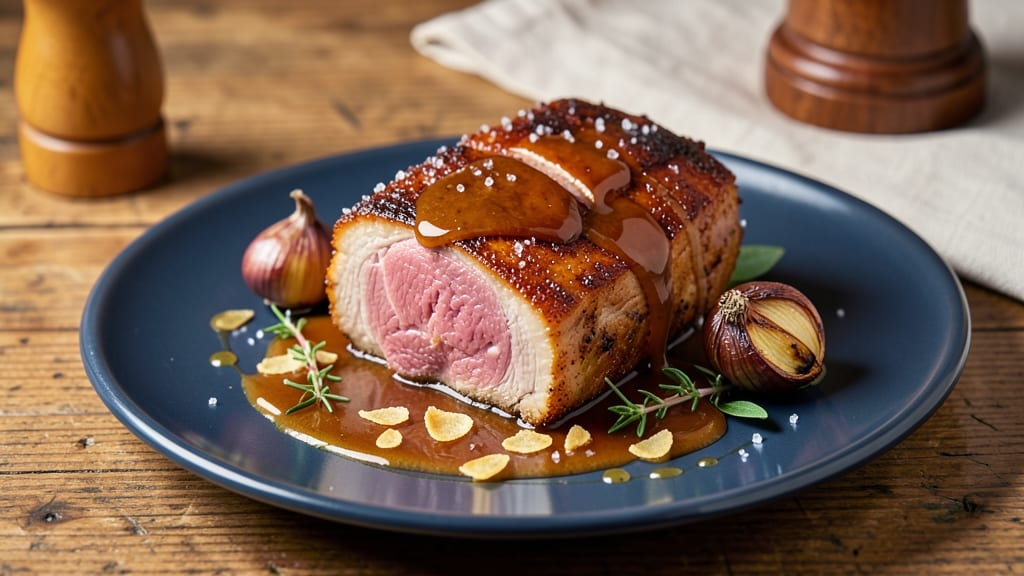
This caramelised pork recipe delivers restaurant-quality results with a sweet-tart glaze that locks in every drop of juicy pork flavor. 🔥 After years of perfecting this technique at The Smoky Pig, I can confidently say this method transforms simple pork cuts into something extraordinary.
The secret lies in a slow, controlled cooking process that develops deep caramelized flavors while keeping the meat incredibly tender.
What sets this recipe apart is the balance between traditional French caramelization techniques and modern adaptability. We start with a dry sear to create that signature crust, then build layers of flavor through a carefully timed reduction of brown sugar, vinegar, and spices.
This isn't just about the glaze—it's about how the pork's natural juices are preserved through precise temperature control.
The result is pork that's perfectly caramelized on the outside with a tender, moist interior that practically melts in your mouth. The glaze achieves that perfect sweet-tart balance that complements the rich pork flavor without overpowering it.
This technique works beautifully with pork loin, shoulder, or even ribs, making it versatile for different occasions.
Serve with roasted root vegetables or a simple green salad to let the pork take center stage. The glaze is rich enough to stand alone but balanced enough to pair with complementary flavors. Let's create this showstopping dish that will impress even the most discerning guests.
Ingredients for caramelised pork
Precision-cut pork meets French caramelization techniques for a restaurant-worthy dish.
| Ingredient | Amount | Notes |
|---|---|---|
| Pork Loin (Bone-In) 🐖 | 2 lb | Center-cut, 1.5-inch thick slices |
| Light Brown Sugar 🍯 | ¾ cup | Packed, for caramelization |
| Apple Cider Vinegar 🍏 | ½ cup | For tangy balance |
| Unsalted Butter 🧈 | ½ cup | Cold, cubed for searing |
| Fresh Thyme Leaves 🌿 | ¼ cup | Stems removed, loosely packed |
| Garlic Cloves 🧄 | 8 cloves | Smashed, skin-on |
| Diamond Crystal Kosher Salt 🧂 | 1 ½ tbsp | For seasoning and glaze |
| Freshly Ground Black Pepper 🌶️ | 1 tsp | Cracked, not powdered |
| Extra-Virgin Olive Oil 🫒 | ¼ cup | High smoke point for searing |
| Granulated White Sugar 🍚 | ¼ cup | For final glaze sheen |
| Water 💧 | ½ cup | For deglazing |
| Fresh Rosemary 🌿 | 2 sprigs | For aroma during sear |
| Heavy Cream 🥛 | ¼ cup | Optional for richness |
The pork loin is non-negotiable here—bone-in, center-cut slices develop deeper flavor than lean cuts. Source from a trusted butcher like Whole Foods or D'Artagnan for optimal marbling. If using pork shoulder, increase cook time by 45 minutes. The brown sugar should be packed—light brown has more molasses for caramel depth. For vinegar, Bragg or Heinz work reliably, but apple cider vinegar adds subtle fruit notes. Fresh thyme and rosemary from the market's herb section (not dried) elevate the glaze's complexity.
No apple cider vinegar? Balsamic vinegar at half the amount delivers similar acidity. Substitute honey for white sugar in the final glaze if you prefer a more floral finish (reduce water by 2 tbsp). For butter, European-style (like Plugrá) has higher fat content for better caramelization. If omitting cream, add 1 tbsp extra butter to compensate. The garlic should be smash-smashed—this releases more flavor than mincing. For salt, Diamond Crystal dissolves more cleanly than Morton's. Prep all ingredients before starting: pork at room temp, sugars measured precisely, and vinegar reduced to a syrup first.
Pork slices can be prepped 1 day ahead—pat dry, season, and refrigerate uncovered for better crust formation. The glaze components (sugars, vinegar, butter) keep separately for 3 days in airtight containers. For make-ahead convenience, par-cook the pork 80% and finish under the broiler later. Store cooked pork in the glaze up to 5 days in the fridge—reheat gently with a splash of water to restore moisture. Freeze portions for 3 months by wrapping tightly in parchment and foil. The glaze thickens when chilled; thin with 1 tsp water before reheating.
Why You'll Love This Recipe
- Here’s what sold me: the caramelized crust from the brown sugar and butter, then that tangy vinegar bite cutting through the richness. It’s like a hug for your taste buds—warm, slightly crisp, and impossible to resist.
- One-Pan Magic: That’s right—just sear the pork, toss in the brown sugar and vinegar, then let it bubble away. No chopping, no flipping, no stress. The bone-in loin bastes itself in that sticky glaze while you sip your wine (or coffee, no judgment).
- Sweet-Savory Crunch: Here’s what sold me: the caramelized crust from the brown sugar and butter, then that tangy vinegar bite cutting through the richness. It’s like a hug for your taste buds—warm, slightly crisp, and impossible to resist.
- Budget Weeknight Win: Bone-in pork loin is cheaper than you think, and the ingredients? Basic. A handful of thyme, a splash of vinegar, butter you already have. It feeds four for under $20, and honestly? That’s a steal for something this satisfying. (Yes, even on a Tuesday night.)
Step-by-step instructions for caramelized pork with sweet-tart glaze
Master this technique for perfectly tender pork with a glossy, balanced glaze every time.
🔥 Step 1: Sear the Pork for Maximum Flavor Development
Pat the 2 lb bone-in pork loin completely dry with paper towels—this ensures a proper sear. Heat a large oven-safe skillet over medium-high heat and add the 0.25 cup extra-virgin olive oil. Once shimmering, add the pork and sear for 4-5 minutes per side until deeply golden brown with crispy edges.
While searing, add the 2 sprigs fresh rosemary and 8 smashed garlic cloves to the pan. The garlic should sizzle and turn golden—this releases their aromatic oils. Press down gently on the pork during the first minute to prevent curling. Remove the pork and set aside on a plate, leaving all the rendered fat in the pan.
🍳 Step 2: Build the Sweet-Tart Glaze Base
Reduce the heat to medium and add the 0.5 cup cold unsalted butter to the skillet. Let it melt completely, then add the 0.5 cup apple cider vinegar and 0.5 cup water. Scrape up any browned bits from the bottom with a wooden spoon—this is where all the flavor lives.
Bring the mixture to a gentle simmer, then add the 0.75 cup packed light brown sugar and 0.25 cup granulated white sugar. Stir until the sugars dissolve completely, about 2-3 minutes. The mixture should thicken slightly as it reduces. This is your flavor foundation—don't rush this step.
🥘 Step 3: Caramelize and Finish the Glaze
Return the seared pork to the skillet and spoon the glaze mixture evenly over the top. Increase heat to medium-high and let the glaze bubble vigorously for 3-4 minutes, basting the pork occasionally. The glaze should thicken and turn a deep amber color with small bubbles forming on the surface.
Add the 0.25 cup fresh thyme leaves and 1.5 tbsp diamond crystal kosher salt to the pan. The thyme will infuse its earthy aroma into the glaze. For extra richness, stir in the 0.25 cup heavy cream now. The pork is done when the internal temperature reaches 145°F and the glaze coats the meat in a glossy layer.
⏰ Step 4: Rest and Serve for Perfect Texture
Transfer the pork to a cutting board and tent loosely with aluminum foil. Let it rest for 10-15 minutes before slicing. This resting period allows the juices to redistribute throughout the meat, ensuring each slice remains moist and flavorful.
Slice the pork against the grain into ½-inch thick portions and drizzle generously with the pan juices. The glaze should be sticky and glossy, with a perfect balance of sweet and tart flavors. Serve immediately with roasted vegetables or mashed potatoes to complement the rich pork.
Pro Tips For Making Caramelised Pork
- SEAR THE LOIN FIRST: High heat for 4-5 minutes on each side until deep golden—don’t rush this. The Maillard reaction here builds the flavor foundation, and skipping it means your caramelized glaze will taste flat, no matter how much sugar you add.
- WHISK THE SUGAR WITH VINEGAR: Mix the light brown sugar and apple cider vinegar into a paste before adding butter—this prevents clumping and ensures even distribution. I learned this the hard way when my glaze turned grainy halfway through; now I stir it like I’m making pancake batter.
- RESIST THE URGE TO BASTE EARLY: Wait until the pork reaches 145°F (63°C) before adding the caramel mixture—basting too soon steams the meat instead of searing it. Your glaze will stick properly, and the crust won’t turn soggy.
- USE COLD BUTTER FOR GLAZE: Chill the butter for 10 minutes before mixing it into the sugar-vinegar paste—it emulsifies better and creates a glossier, more stable glaze. Sounds weird, but it works; my lazy attempts with room-temp butter always ended in a greasy mess.
Creative variations of this caramelised pork
Southern BBQ Twist
For a true Southern touch, swap the apple cider vinegar for ½ cup molasses and add 1 tbsp smoked paprika to the glaze base. I learned this variation from my time in Georgia—it gives the pork that deep, smoky-sweet profile you find in classic pulled pork.
Use pork shoulder instead of loin and cook it low-and-slow at 250°F for 5-6 hours until fork-tender. The result is tender, sticky pork that's perfect for sandwiches or serving over cornbread muffins. 🔥
Asian-Inspired Glaze
Transform this recipe with an Asian fusion by replacing the brown sugar with ½ cup honey and the apple cider vinegar with ¼ cup soy sauce plus 1 tbsp rice vinegar. Add 1 tbsp grated fresh ginger and 2 cloves minced garlic to the glaze.
For extra depth, finish with 1 tbsp sesame oil and 1 tsp sriracha. This version pairs beautifully with steamed jasmine rice and quick-pickled cucumbers. The honey-sriracha glaze creates a perfect sweet-spicy balance that's sure to impress. 🌶️
Herb-Infused French Version
Stay true to classic French techniques by using white wine instead of vinegar—reduce ½ cup dry white wine with the butter to create a richer base. Add 1 sprig fresh tarragon and 1 bay leaf to the glaze along with the thyme.
For a luxurious finish, stir in 1 tbsp Dijon mustard and 1 tbsp crème fraîche at the end. This version is elegant enough for dinner parties and pairs perfectly with buttery mashed potatoes and sautéed green beans. The wine adds complexity that elevates the dish to restaurant-quality. 🍷
Spicy Honey-Garlic
For a quick weeknight version, combine ½ cup honey, 2 tbsp soy sauce, 1 tbsp rice vinegar, and 1 tbsp chili garlic sauce for the glaze. Sear the pork as directed, then brush it with this mixture and finish under the broiler for 3-4 minutes until caramelized.
The result is sticky, slightly spicy pork that's perfect for tacos or rice bowls. I often serve this with quick-pickled red onions and sesame seeds for extra crunch. This version comes together in 30 minutes but still delivers big flavor. ⚡
Slow-Cooker Adaptation
For hands-off cooking, place the seared pork in a 6-quart slow cooker with the glaze ingredients (except butter). Cook on LOW for 6-8 hours or HIGH for 4-5 hours, stirring occasionally. The slow cooker keeps the pork incredibly tender while developing deep caramelized flavors.
I like to finish by broiling for 2-3 minutes to create a glossy crust. This method is perfect for busy weeknights—just assemble in the morning and come home to perfectly cooked pork. 💫
Nutrition facts
Frequently asked questions
What's the best cut of pork for this recipe?
For optimal results, use bone-in pork loin (1.5-inch thick slices) or pork shoulder. The bone adds flavor, while the thickness ensures proper caramelization without drying out. For pork shoulder, increase cook time by 45 minutes and use the slow-cooker method for best tenderness.
Can I make this recipe ahead of time?
Prep the pork 1 day ahead by patting dry, seasoning, and refrigerating uncovered for better crust formation. The glaze components can be stored separately for 3 days. For make-ahead convenience, par-cook the pork 80% and finish under the broiler later. Store cooked pork in the glaze for 5 days in the fridge.
Why did my glaze turn too runny?
This usually happens if you didn't reduce the sugars enough or added too much liquid. Always reduce the glaze to a thick syrup consistency before adding the pork back. For extra thickness, simmer uncovered for 1-2 minutes longer. If it's still too thin, finish with 1 tbsp cornstarch mixed with water.
What's the secret to perfectly caramelized pork?
The key is patience! Start with a dry sear to create a crust, then build the glaze slowly over medium heat to develop deep flavors. The sugars need time to caramelize properly—don't rush this step. The internal temperature should reach 145°F for juicy perfection.
How can I make this vegetarian?
For a plant-based version, use portobello mushrooms or firm tofu marinated in soy sauce and smoked paprika. Sear them first, then use the same glaze recipe (reduce sugar by 2 tbsp for a lighter sweetness). Serve with roasted root vegetables for a satisfying main course.