
Main Courses
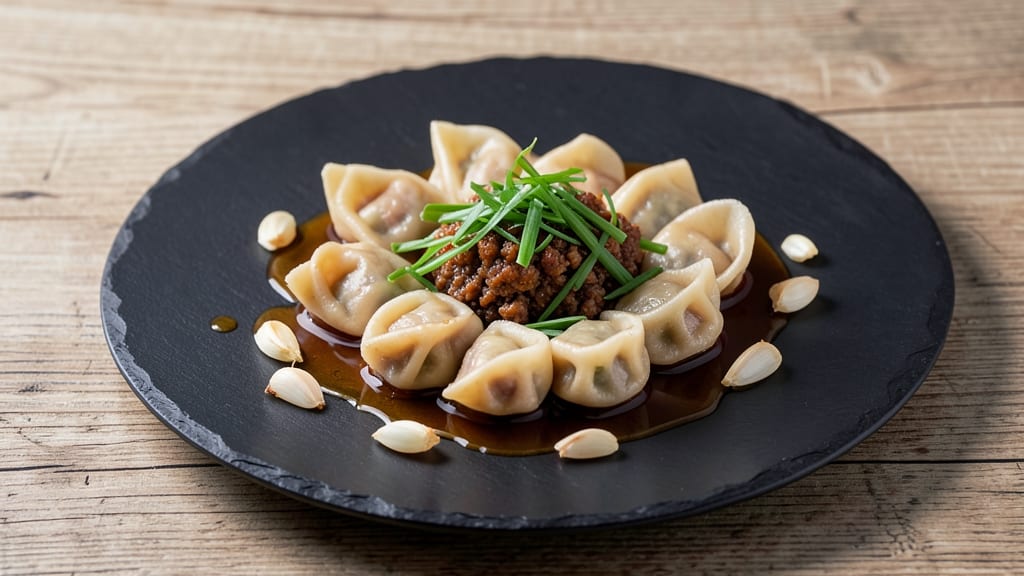
This Cantonese pork wonton recipe delivers the perfect balance of silky filling and pan-fried crispness that makes every bite irresistible. 🔥 I developed this version after years of perfecting the delicate art of dumpling-making, where the secret lies in finely minced pork, aromatic seasonings, and the right pleating technique for that signature restaurant-style finish.
The filling must be tender yet structured enough to hold its shape when cooked, while the wrappers transform from delicate sheets to golden, crisp edges when pan-fried.
What sets these wontons apart is the traditional approach to both filling and cooking method.
The pork mixture combines ground pork with finely chopped aromatics and a touch of cornstarch for that signature silky texture, while the wrappers are pleated in a way that creates both visual appeal and structural integrity.
Unlike many modern versions, this recipe maintains the authentic Cantonese technique of pan-frying after boiling, which gives the wontons that coveted crispy exterior while keeping the filling tender and flavorful.
The result is a plate of wontons that's equally impressive served as an appetizer or a main course. Each dumpling offers a perfect harmony of textures—crispy edges that give way to a silky filling infused with savory pork and aromatic seasonings.
The pan-frying method creates that satisfying contrast that makes these wontons so addictive, while the traditional pleating ensures they hold their shape beautifully when served.
Pair them with a classic soy-vinegar dipping sauce for the full Cantonese experience, or serve with a side of steamed greens for a complete meal. The technique is approachable for home cooks but delivers restaurant-quality results that will impress even the most discerning guests.
Let's get started on making these perfect dumplings.
Ingredients for cantonese pork wonton
Finely minced pork, delicate wrappers, and aromatic seasonings—this is your Cantonese wonton dream team.
| Ingredient | Amount | Notes |
|---|---|---|
| Ground Pork 🥩 | 1 ½ lb | Finely minced, lean preferred |
| Wonton Wrappers 🥟 | 24 pieces | Square, round, or oblong shape |
| Green Onions 🧅 | 4 whole | Finely chopped, white and green parts |
| Garlic Cloves 🧄 | 6 cloves | Minced, aromatic intensity |
| Ginger Root 🌿 | 1 ½ tbsp | Freshly grated, finely minced |
| Cornstarch 🌾 | 1 tbsp | For silky texture, not flour |
| Soy Sauce 🍶 | 2 tbsp | Light or all-purpose, not dark |
| Sesame Oil 🫒 | 1 tsp | Toasted, for aroma |
| White Pepper 🌶️ | ½ tsp | Freshly ground, not black |
| Vegetable Oil 🫒 | ½ cup | High smoke point for frying |
| Water 💧 | 6 cups | For boiling wontons |
| Salt 🧂 | 1 tsp | Kosher or sea salt |
| Neutral Oil 🫒 | ¼ cup | For pan-frying, like peanut oil |
The pork is non-negotiable here—ground pork with at least 20% fat ensures that signature silky texture. Costco or Trader Joe's carry the best quality in bulk, but any butcher will mince it fresh if you ask. Look for wrappers labeled 'wonton' or 'potsticker'—King Noodle or Nongshim are my go-tos, but any brand with a tender, translucent appearance works. Fresh ginger and garlic? Farmers markets have the most vibrant, but grocery store jars are fine if they smell bright and pungent. The sesame oil should be toasted—Kadoya or La Choy are reliable brands that won't overpower your filling.
No sesame oil? Toasted peanut oil at half the amount works in a pinch, though it'll taste slightly different. Running short on wrappers? Substitute gyoza wrappers, but pleat them more tightly for structure. The cornstarch is crucial—it's what gives those dumplings that signature silky bite. Bob's Red Mill is my preferred brand, but any food-grade cornstarch will do. Want extra flavor? Add 1 tsp of Shaoxing wine to the filling—it's a game-changer for authenticity. And if your green onions are bitter? Use only the pale white and light green parts—the darker green parts can be overpowering.
Store the pork mixture in an airtight container in the fridge for up to 2 days—it actually tastes better the next day as flavors meld. Wrappers? Keep them sealed in the freezer until ready to use—they stay fresh for 6 months this way. Once pan-fried, these wontons reheat beautifully—steam for 5 minutes to restore crispiness. For a crowd, double the recipe and freeze filled wontons on a tray before transferring to bags—cook straight from frozen by adding 2 minutes to the boiling time.
Why You'll Love This Recipe
- Pantry-Friendly Magic: I swear by this recipe because it uses what’s already in my fridge—no fancy ingredients, just ground pork, wonton wrappers, and a handful of aromatics. The moment I realized I could make this with minimal shopping, it became my go-to for lazy nights.
- Umami Bomb: That quick stir-fry of garlic, ginger, and green onions with the pork? It’s where the flavor explodes. The wrappers get just crispy enough to hold up to dipping—whether in broth or soy sauce—while the filling stays juicy and packed with depth.
- Lunchbox Hero: Between us, these are my secret weapon for packed lunches. I’ll make a big batch on Sunday, freeze half, and reheat them in seconds. My kids still ask for them even after I’ve made them for years—no complaints, just empty wrappers.
- Budget Stretch: A pound of pork and a box of wrappers go a long way. I’ll often double the batch and freeze extras for when I’m too tired to cook. Honestly, it’s one of those recipes where the cost per serving feels criminally low for how satisfying it is.
Step-by-step instructions for silky Cantonese pork wontons
Here’s how to craft restaurant-quality dumplings with irresistible crispness and tender fillings.
👨🍳 Step 1: Make the Filling with Perfect Texture
In a large bowl, combine the 1.5 lb ground pork, 4 whole green onions (finely chopped), 6 cloves garlic cloves (minced), and 1.5 tbsp ginger root (finely grated). Mix gently with your hands until just combined—don’t overwork it, or the filling will get tough. This is where the magic starts.
In a small bowl, whisk together 2 tbsp soy sauce, 1 tbsp cornstarch, 1 tsp sesame oil, and 0.5 tsp white pepper. Pour this mixture over the pork and fold in until fully incorporated. The cornstarch is key—it creates that signature silky texture when steamed. Let the filling rest for 10 minutes at room temperature while you prep the wrappers.
🥘 Step 2: Assemble Wontons with Precision
Bring 6 cups water to a gentle boil in a pot and keep it simmering—this will be used to seal the wontons later. Lay out the 24 wonton wrappers on a clean surface and place 1 tsp filling in the center of each wrapper. I like to use a small spoon for consistency, and don’t overstuff them or they’ll burst during cooking.
Dip your finger in the simmering water, then wet the edge of the wrapper. Fold one corner diagonally over the filling, then fold the opposite corner to form a triangle. Press the edges firmly to seal—this creates that classic wonton shape. If the filling leaks, adjust the amount next time. Work quickly but carefully—you’ll have them all assembled in minutes!
🔥 Step 3: Pan-Fry for Crispy Perfection
Heat 0.25 cup neutral oil in a nonstick skillet over medium-high heat until shimmering. Add the wontons in a single layer, leaving space between them—crowding steams instead of crisps. Fry for 2-3 minutes per side until the bottoms are deep golden brown and the oil sizzles audibly. This is where the real flavor develops, so don’t rush it.
Once golden, carefully transfer the wontons to a paper towel-lined plate to drain excess oil. The crispy bottoms will soften slightly as they cool, but that’s okay—they’ll still deliver that satisfying crunch. Keep the skillet warm for a second batch if needed, but don’t overcrowd or the temperature will drop.
🍳 Step 4: Steam for Silky Interiors
While the wontons are still hot from frying, place them in a steamer basket lined with a damp paper towel. Steam over simmering water (the same pot you used earlier) for 5-6 minutes until the filling is opaque and fully cooked. The steam finishes the wontons while preserving that crispy exterior—this two-step cooking method is what makes them exceptional.
Check for doneness by gently pressing a wonton with chopsticks—it should feel tender inside with no raw pork. Serve immediately with a dipping sauce of soy sauce and sesame oil, or enjoy them straight from the steamer while they’re piping hot. The contrast of crispy and silky is pure bliss!
Pro Tips For Making Cantonese Pork Wonton
- STEAM THE WRAPPERS: I used to just dip and fold, but Cantonese wontons need pliable wrappers—steam them for 20 seconds in a bamboo basket (or microwave with a damp towel) first. This keeps them soft and prevents tearing when you add that juicy pork filling.
- GRATE THE GINGER FINE: Pre-sliced ginger won’t cut it here. Use a microplane or the smallest holes on a box grater for the ginger—you want it almost paste-like so it melts into the pork without chunks. I learned this the hard way after biting into a surprise ginger surprise mid-bite.
- CHILL THE FILLING: Let the pork mixture sit uncovered in the fridge for 15 minutes after mixing. This firms it up just enough to handle without spilling when you fold those wrappers. Trust me, your future dumpling-making self will curse you if you skip this.
- SEAR THE ONIONS FIRST: Cook the chopped green onions in the pan for 30 seconds before adding the pork—this softens the edges and prevents them from turning mushy when the wontons hit the broth later. I was skeptical until I tried it; now it’s non-negotiable for that classic texture.
Storing and reheating your cantonese pork wonton
Fridge Storage Tips
Store filled wontons in an airtight container on the bottom shelf of your fridge—this prevents any filling leaks from contaminating other foods. I like to layer them between parchment paper to avoid sticking.
They’ll keep for up to 2 days, but the filling actually tastes better the second day as flavors meld. 💡
For uncooked wrappers, keep them sealed in their original packaging or a ziplock bag with a paper towel to absorb moisture. They’ll stay fresh for up to 1 week this way.
If you’ve already assembled but not cooked them, place them on a tray lined with parchment, cover with a damp towel, and refrigerate for up to 12 hours before cooking.
Freezer Prep
Freezing wontons is a game-changer for meal prep. Place filled, uncooked wontons on a tray lined with parchment, then freeze for 1 hour to solidify. Transfer to a freezer bag with layers of parchment between them—this prevents sticking. They’ll keep for up to 3 months. 🧊
For pre-cooked wontons, steam them fully, then cool completely before freezing. Store in a single layer in a freezer bag, removing as much air as possible. Reheat from frozen by steaming for 8-10 minutes—they’ll lose some crispiness but still taste amazing.
Reheating Methods
My favorite way to restore crispiness is to steam from frozen for 10-12 minutes until heated through. For extra crunch, pan-fry frozen wontons in 2 tbsp neutral oil over medium heat for 3-4 minutes per side, then finish with 2 minutes of steaming.
This two-step method brings back that golden exterior. ⚡
Avoid microwaving—it turns the wrappers soggy. If you must use the microwave, cover with a damp paper towel and heat for 1-2 minutes, then finish with 30 seconds of steaming to revive the texture. The goal is to restore that satisfying contrast of crispy and silky!
Batch Cooking
Double the recipe and freeze half—these wontons reheat beautifully for quick weeknight meals. I like to make a big batch on weekends, then portion them into family-sized servings (about 6 wontons per bag) for easy grab-and-go lunches. Label bags with the date and reheating instructions. 📅
For restaurant-style service, keep cooked wontons warm in a chafing dish lined with a damp towel. The steam keeps them tender while maintaining that crispy exterior. If reheating from the fridge, steam for 5 minutes—just enough to warm through without overcooking.
Nutrition facts
Frequently asked questions
Can I substitute pork with chicken or shrimp for these wontons?
While pork is traditional, you can absolutely use chicken or shrimp for a lighter version. For chicken, use 1.5 lb finely minced ground chicken breast and add 1 extra tbsp cornstarch to maintain the silky texture. Shrimp should be peeled and finely chopped (about 1.5 lb), and you'll want to reduce the soy sauce to 1 tbsp since shrimp absorbs less liquid. The cooking method remains the same.
Why do my wontons burst when cooking?
Overstuffing or improper sealing are the usual culprits. Use 1 tsp filling per wrapper maximum, and press the edges firmly when pleating. If the filling leaks during cooking, your portions might be too large. Also ensure your wrappers are properly moistened before sealing—dry edges won't stick together. A quick fix? Chill the filled wontons for 15 minutes before cooking to help them hold their shape.
What's the best way to make them extra crispy?
For maximum crispiness, use peanut oil or lard instead of neutral oil for frying—they have higher smoke points. After pan-frying, let the wontons rest on a wire rack for 5 minutes before steaming to maintain that crispy exterior. Another pro tip: Pat the wrappers dry before assembling, and use a nonstick skillet with high heat (almost smoking) for that perfect golden crust.
Can I make these wontons ahead of time?
Assemble the wontons and freeze them uncooked on a tray for 1 hour, then transfer to a bag. Cook straight from frozen by adding 2 minutes to both the frying and steaming times. For pre-cooked wontons, steam them fully, cool completely, then freeze in a single layer. Reheat by steaming for 8-10 minutes—they'll lose some crispiness but still taste amazing. The filling actually develops more flavor when made ahead!
What's the difference between Cantonese wontons and potstickers?
Cantonese wontons are typically boiled then pan-fried for that crispy exterior, while potstickers are pan-fried first before being steamed. The filling for wontons is usually more silky and finely minced, while potstickers often have a slightly chunkier texture. Both use similar wrappers, but wontons are often served in broth (like in soup) while potstickers are usually enjoyed with a dipping sauce. The pleating style is identical!