
Main Courses
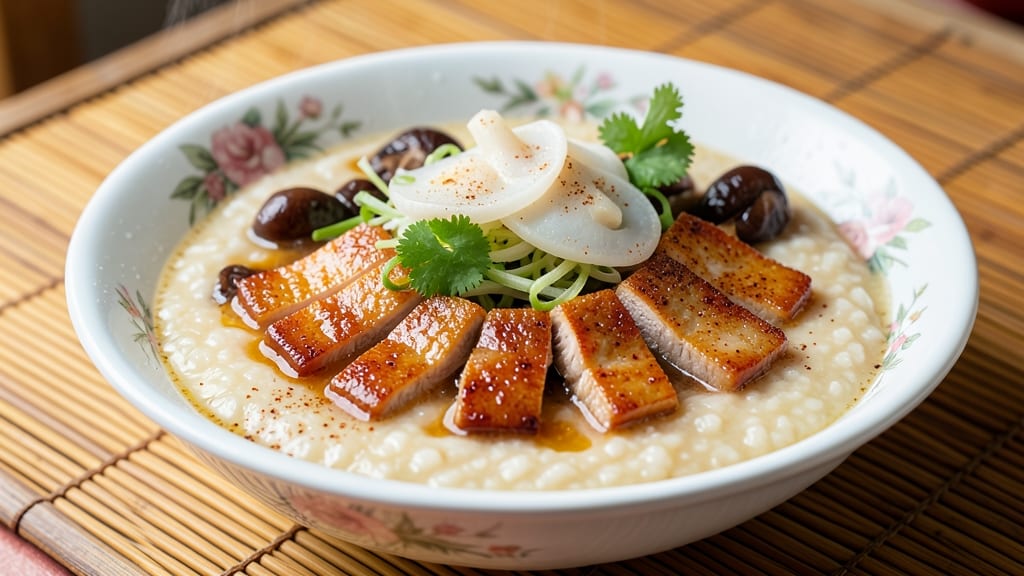
Cantonese pork congee transforms simple ingredients into a bowl of soul-soothing comfort that warms both body and heart. ✨ I first tasted this dish in Hong Kong during a winter so cold the streets felt like ice, and it became my go-to remedy for any day that needed extra tenderness. The secret lies in the five-spice powder, which infuses the broth with aromatic depth while keeping the congee light enough to soothe rather than weigh you down.
What sets this recipe apart is the balance between tender pork—whether char siu or braised—and the delicate rice porridge. The rice soaks overnight to break down completely, creating a silky texture that absorbs the pork's rich juices.
Traditional Cantonese technique calls for simmering the congee low and slow, never rushing the process, because true comfort can't be hurried.
By the time you're done, you'll have a bowl that's more than just food—it's a hug in edible form. The congee will be velvety smooth with just a hint of chew, the pork falling apart at the touch of a spoon, and the five-spice aroma wafting through your kitchen.
This is the kind of dish that makes you want to linger at the table, savoring every bite.
The best part? It's versatile enough to adapt to what you have on hand. Garnish with pickled vegetables for tangy contrast, crispy fried shallots for texture, or fresh scallions for brightness.
Leftovers keep well in the fridge for up to three days, making it perfect for busy weeks when you still want to eat like you're being pampered.
Ingredients for cantonese pork congee
Simple ingredients that transform into a bowl of soul-soothing Cantonese comfort.
| Ingredient | Amount | Notes |
|---|---|---|
| Jasmine Rice 🍚 | 1 cup | Uncooked, long-grain preferred |
| Char Siu Pork 🥓 | 1 lb | Store-bought or homemade |
| Five-Spice Powder 🌶️ | 1 tbsp | Authentic Chinese blend |
| Dried Shiitake Mushrooms 🍄 | 4 whole | Rehydrated in hot water |
| Dried Scallops 🦪 | ¼ cup | Rehydrated in warm water |
| Chicken Broth 💧 | 6 cups | Low-sodium preferred |
| Fresh Ginger 🧄 | 1 inch | Sliced thinly, peeled |
| Garlic Cloves 🧄 | 4 cloves | Minced for depth of flavor |
| Light Soy Sauce 🥄 | 2 tbsp | For umami balance |
| Sesame Oil 🫒 | 1 tsp | Toasted for aroma |
| Pickled Red Onions 🧅 | ¼ cup | For tangy contrast |
| Fresh Scallions 🌿 | ¼ cup | Sliced for garnish |
| Salt 🧂 | 1 tsp | To taste, adjust gradually |
The five-spice powder is non-negotiable here—it's what gives this congee its signature aromatic depth. Penzeys or Asian markets carry the best blends, but any authentic Chinese five-spice will work. Look for a mix that includes star anise, cloves, fennel, cinnamon, and Sichuan peppercorns. If you can't find it, substitute 1/2 tsp each of ground cinnamon, cloves, and fennel—it won't be identical, but it'll get you close. The char siu pork should be tender enough to fall apart; if you're using store-bought, check the package for 'tender' or 'slow-roasted' labels. For extra richness, I sometimes add a splash of Shaoxing wine when simmering the broth—it's worth hunting down at Asian grocery stores.
No five-spice powder? Mix 1/2 tsp each of cinnamon, cloves, fennel, and star anise (toasted and ground) plus a pinch of black pepper. Dried shiitakes can be swapped for cremini mushrooms, but they won't have the same umami depth. The dried scallops are optional but add a luxurious touch—if you skip them, extra soy sauce will compensate. For the broth, low-sodium chicken broth is key; if you can't find it, use regular broth and reduce the salt at the end. The ginger and garlic are non-negotiable for flavor, but if you're short on time, ginger-garlic paste works in a pinch. The pickled red onions can be homemade (red onions + rice vinegar + sugar) or store-bought—just drain them well before adding.
This congee tastes even better the next day, so make a big batch—it reheats beautifully. Store in the fridge for up to 3 days or freeze portions for 3 months. I like to portion it into individual jars so I can grab a bowl for breakfast or lunch without reheating the whole pot. For serving, keep the pickled onions and scallions separate until ready to eat so they stay crisp. The congee will thicken as it cools, so add a splash of hot water when reheating. Trust me, the first bite after a long day is worth every minute of simmering.
Why You'll Love This Recipe
- No-Chop Necessary: I swear by this—just soak the dried shiitakes and scallops overnight, then toss them in whole. The rice simmers itself into creamy perfection while you slice the char siu (or buy pre-sliced, no shame). Five minutes of prep, zero stress.
- Umami Bomb Combo: That first spoonful? Pure flavor magic. The five-spice powder clings to the pork like a hug, while the shiitakes and scallops melt into the broth—salty, funky, and deep. It’s the kind of taste that makes you pause mid-bite, like, “Wait, is this actually real?”
- Leftovers That Beg: This congee only gets better the next day. I’ve reheated mine three times, and each bowl tastes richer—like the flavors had a chance to marry properly. Pack it for lunch or freeze portions; it’s my go-to for lazy mornings or post-work cravings.
- Budget Feast for Two: A single jar of char siu, a handful of dried mushrooms, and a bag of jasmine rice stretch into four hearty bowls. Honestly, I’ve fed my whole family (plus my partner’s picky uncle) for under $10. Filling, fancy-feeling, and guilt-free.
Step-by-step instructions for Cantonese pork congee
Here's how to create this soul-warming dish with tender rice and aromatic pork.
🍳 Step 1: Rehydrate the Dried Ingredients
Start by preparing the dried components. Place the 4 whole dried shiitake mushrooms in a small bowl and cover with hot water. Let them soak for 15 minutes until plump and tender. Meanwhile, pour ½ cup warm water over the 0.25 cup dried scallops in another bowl and let them rehydrate for 10 minutes. You'll know they're ready when they've expanded and softened noticeably.
While those soak, peel and thinly slice the 1 inch fresh ginger and mince the 4 cloves garlic. The aroma will fill your kitchen—this is where the real magic begins. Keep these prepped ingredients nearby as you'll need them shortly. I like to use a sharp chef's knife for the ginger to get those paper-thin slices that infuse flavor beautifully into the congee.
🔥 Step 2: Sear the Char Siu Pork
Heat a large pot or deep skillet over medium-high heat. Add the 1 lb char siu pork and sear for 3-4 minutes per side until deeply browned and slightly crispy. This step is crucial—it develops that wonderful caramelized flavor that carries through the entire dish. If you're using store-bought char siu, look for pieces with good fat marbling as they'll render beautifully during searing.
Once browned, transfer the pork to a plate and set aside. In the same pot, add 1 teaspoon sesame oil and swirl to coat the bottom. This creates a fragrant base that will infuse into your congee. Add the minced garlic and thin ginger slices, cooking for 30 seconds until fragrant. Here's the thing—don't let the garlic burn. It should smell amazing but not bitter.
🍳 Step 3: Build the Aromatic Base
Sprinkle the 1 tablespoon five-spice powder over the garlic and ginger, stirring constantly for 1 minute until the spices bloom and fill your kitchen with their warm, complex aroma. This is where that signature five-spice flavor develops—cinnamon, star anise, fennel, clove, and Sichuan peppercorn working together in harmony.
Add the 1 cup jasmine rice to the pot and stir to coat it in the spiced oil. Pour in the 6 cups chicken broth and bring to a gentle boil. Here's a pro tip: I like to use a heavy-bottomed pot for this step to prevent scorching. Once boiling, reduce heat to low and add the 1 teaspoon salt. The rice will start to break down immediately, releasing starch that thickens the broth into that signature creamy congee texture.
⏰ Step 4: Simmer to Perfect Texture
Cover the pot and let the congee simmer gently for 45-50 minutes, stirring occasionally to prevent sticking. You're aiming for a texture that's thick but still slightly loose—like porridge but with more body. The congee should be creamy but not gluey, and each grain of rice should be tender and distinct. If it gets too thick before the rice is fully cooked, add ¼ cup hot water to loosen it.
About 15 minutes before the congee is ready, drain and chop the rehydrated shiitake mushrooms and scallops. Add them to the pot along with 2 tablespoons light soy sauce. Stir well and let everything heat through. The scallops will add a delicate seafood flavor that balances the richness of the pork, while the mushrooms contribute an earthy depth. This is when your kitchen should smell absolutely incredible—smoky, spicy, and comforting all at once.
🥘 Step 5: Finish and Serve with Garnishes
Once the congee reaches that perfect creamy consistency, remove it from heat. Stir in the reserved char siu pork, breaking it into bite-sized pieces as you go. The pork should be warm throughout, and the fat should have rendered into the congee, creating a luxurious mouthfeel. Taste and adjust seasoning if needed—sometimes the soy sauce needs a little more salt, or the five-spice could use a tiny pinch of sugar to balance.
To serve, ladle the congee into bowls and garnish with 0.25 cup pickled red onions and 0.25 cup fresh scallions. The bright acidity of the pickled onions cuts through the richness, while the fresh scallions add a crisp contrast. This dish is all about comfort—serve it steaming hot with extra char siu on the side if you're feeling extra generous. The aroma alone will make everyone at your table feel right at home.
Pro Tips For Making Cantonese Pork Congee
- SOAK MUSHROOMS SEPARATELY: I learned this the hard way—tossing dried shiitake into the congee pot with everything else means they’ll never fully rehydrate. Soak them in hot water for 20 minutes first, then slice and add them back later. The texture makes all the difference when you’re spooning that creamy rice.
- SHRED PORK SMALLER THAN YOU THINK: Char siu is tender, but resist the urge to leave it in big chunks. Cut it into thin strips—about ½-inch wide—so it melts into the congee instead of sitting like a chewy afterthought. (Yes, even if it looks like overkill.)
- START WITH LOW HEAT: Cranking the stove to high for congee is how you end up with a grainy, gluey mess. Begin on medium-low, stirring constantly, until the rice splits and releases starch. Only then can you build that silky texture. (Your future self will thank you.)
- USE SCALLOPS’ LIQUID: Dried scallops are pricey, so don’t waste their soaking water. After rehydrating them (10 minutes in warm water), strain and reserve the liquid—it’s packed with umami. Stir it into the congee toward the end for extra depth. (Skip this, and the dish feels flat.)
Creative variations of cantonese pork congee
Spicy Sichuan Twist
For a fiery kick, stir in 1 teaspoon Sichuan peppercorns (toasted and crushed) with the five-spice powder. Add 1 tbsp chili oil at the end for that signature numbing heat.
I learned this variation from a street vendor in Chengdu—it’s perfect for when you need something to wake you up on a chilly morning. Pair it with extra pickled mustard greens for tangy contrast. 🌶️
Vegetarian Adaptation
Swap the char siu for extra-firm tofu pressed and pan-fried until crispy, then marinated in 1 tbsp soy sauce + 1 tsp five-spice powder. Add ½ cup bamboo shoots and ¼ cup shiitake mushrooms for umami depth.
The texture stays creamy, but the dish becomes lighter—great for meat-free days. I’ve served this to guests who thought they’d miss the pork, and they never knew the difference!
Heritage Pig Version
Use heritage pork shoulder (like Gloucestershire Old Spots) instead of char siu for deeper flavor. Slow-roast it with honey, soy sauce, and five-spice powder until tender, then shred it into the congee. The fat renders beautifully, creating a richer, more luxurious broth.
This version feels like a Sunday supper—worth the extra effort for special occasions. My farm-raised pork adds a subtle sweetness that store-bought can’t match. 🐷
Winter Comfort Upgrade
Add ½ cup goji berries (rehydrated) and 1 tsp star anise to the broth for a warming, slightly sweet note. Top with crispy fried shallots for crunch and a drizzle of chili oil for heat.
This version feels like a hug in a bowl—ideal for cold-weather cravings. I make a big batch when temperatures drop, and it disappears faster than you can say "congee." ❄️
Quick Weeknight Hack
Skip the dried scallops and shiitakes—use 1 cup baby spinach and ½ cup frozen peas instead. Simmer them in the last 5 minutes of cooking. The spinach wilts into the congee, adding freshness, while the peas stay slightly crisp.
Perfect for busy nights when you don’t have time to soak dried ingredients. My kids love this version because it feels like a shortcut, but it’s just as comforting. ⏰
Nutrition facts
Frequently asked questions
Can I make this Cantonese pork congee without char siu?
Use braised pork belly or slow-cooked pork shoulder instead. For extra flavor, marinate the pork in soy sauce, five-spice powder, and a touch of honey before adding it to the congee. The texture will be slightly richer but just as comforting.
How do I fix congee that's too thick or too thin?
If your congee is too thick, stir in ¼ cup hot water gradually until it reaches a creamy consistency. For congee that's too thin, simmer uncovered for 5-10 minutes to let the starch thicken naturally. Never rush the process—true Cantonese congee should be smooth but still have a slight body.
What's the best way to reheat leftover pork congee?
Gently reheat on the stovetop over low heat with a splash of water to restore creaminess. Avoid microwaving as it can make the texture gummy. For extra flavor, add a pinch of five-spice powder or a drizzle of sesame oil when reheating. Leftovers actually improve in flavor!
Can I substitute jasmine rice for another type?
Stick with jasmine rice for its delicate aroma and slightly sticky texture, but long-grain white rice works in a pinch. Short-grain rice like sushi rice will make the congee too sticky. For a gluten-free option, try brown rice, but increase simmering time by 15-20 minutes as it takes longer to break down.
Why does my congee taste bland compared to what I've had in restaurants?
Restaurant versions often use homemade pork broth and longer simmering times. Boost flavor by adding 1 tsp Shaoxing wine with the soy sauce or a splash of fish sauce for umami depth. Freshly toasted five-spice powder makes a huge difference too! The key is patience—let it simmer until the rice is completely tender.