
Main Courses
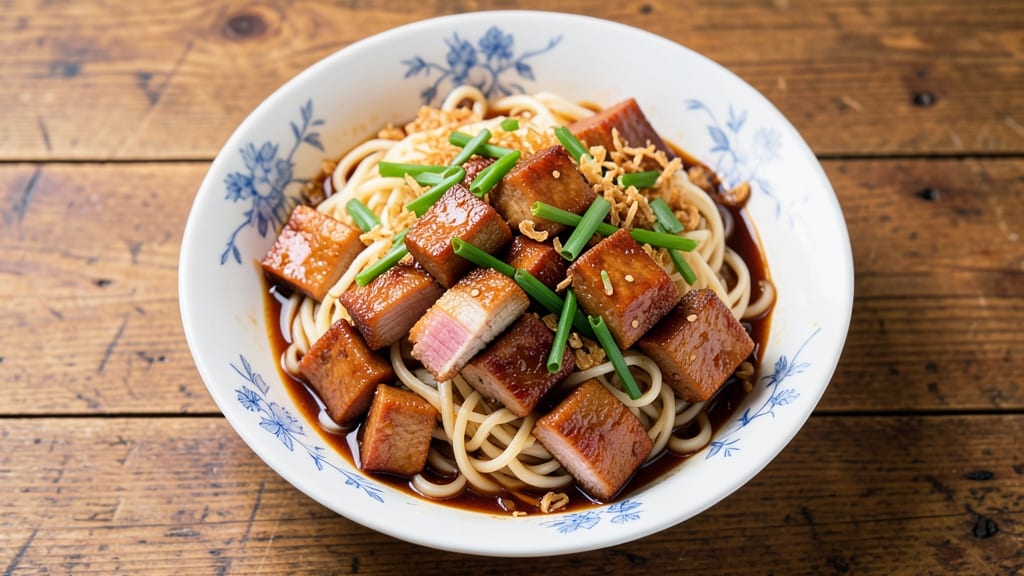
This Cantonese pork chow mein recipe delivers the restaurant-quality wok-tossed magic you crave—crispy noodles, tender pork, and a savory sauce that clings perfectly to every bite. I perfected this technique after years of working with wok hei, that elusive "breath of the wok" that transforms good stir-fry into something extraordinary.
The secret lies in high-heat searing and quick tossing, creating that signature texture contrast that makes this dish unforgettable.
What sets this recipe apart is the balance of techniques: braising the pork for tenderness while keeping it juicy, pre-cooking the noodles just until al dente, and building a sauce that's both traditional and adaptable to modern tastes.
We're talking rich soy notes, subtle sweetness, and a touch of umami that comes from proper pork preparation—no shortcuts here. This is the kind of dish that makes your kitchen smell like a bustling Hong Kong street market.
By the time you're done, you'll have perfectly crispy noodles with a slight char, tender pork that falls apart with each bite, and a sauce that coats everything without overwhelming.
The high-walled wok (or cast iron skillet) creates that signature wok hei effect, giving the dish its signature smoky aroma and depth. It's the kind of meal that disappears faster than you can say "more rice, please."
Serve immediately with lime wedges and fresh cilantro for brightness, or pack it up for lunch the next day—though I can't promise it'll last that long. This recipe scales beautifully for family gatherings or dinner parties, and the techniques are adaptable whether you're using fresh or dried noodles.
Let's get cooking—your taste buds are in for a treat.
Ingredients for cantonese pork chow mein
Pork shoulder, wok-heated oil, and fresh noodles create the perfect Cantonese chow mein foundation.
| Ingredient | Amount | Notes |
|---|---|---|
| Pork Shoulder 🥩 | 1 ½ lb | Cut into 1-inch cubes, boneless |
| Fresh Egg Noodles 🍜 | 12 oz | Dried or fresh, al dente preferred |
| Neutral Oil 🫒 | ½ cup | Peanut or vegetable oil for high heat |
| Soy Sauce 🍶 | ⅓ cup | Light or dark, high-quality preferred |
| Oyster Sauce 🦪 | 2 tbsp | Traditional Cantonese for depth |
| Sesame Oil 🌰 | 1 tbsp | Toasted, for aroma |
| Garlic Cloves 🧄 | 6 cloves | Minced, fresh preferred |
| Fresh Ginger 🌿 | 2 tbsp | Grated, peeled |
| Green Onions 🧅 | 2 whole | Cut into 1-inch pieces |
| White Sugar 🍚 | 1 tbsp | Balances savory flavors |
| Cornstarch 🌾 | 1 tbsp | For crispy noodles |
| Lime Wedges 🍋 | 2 whole | For serving, fresh preferred |
| Fresh Cilantro 🌿 | ¼ cup | Chopped, for garnish |
| Salt 🧂 | 1 tsp | Kosher or sea salt |
| Black Pepper 🌶️ | ½ tsp | Freshly ground |
The pork shoulder is non-negotiable here—it develops rich flavor during the braising process. Look for well-marbled cuts at your local Asian market or butcher shop, as they often carry better quality than standard grocery stores. If you can't find shoulder, pork butt works just as well. The fresh egg noodles are ideal, but if you're using dried, soak them for 2-3 minutes less than package instructions to maintain that signature crispiness. Peanut oil is my go-to for high-heat wok cooking—it stands up to the intense heat without burning, though vegetable oil is a fine substitute if you're in a pinch.
No oyster sauce? Hoisin sauce or extra soy sauce with a splash of fish sauce gets you close, though the umami depth will differ slightly. Fresh garlic and ginger are essential—pre-minced jars lack the punch, so take the 30 seconds to grate them yourself. The sesame oil might seem like an afterthought, but that 1 tablespoon adds a nutty aroma that elevates the dish. For the noodles, toss them with cornstarch before cooking—this creates that signature wok-tossed crispiness. If you're short on time, rice noodles work in a bind, but the texture will be softer. The lime wedges and cilantro aren't just garnish—they cut through the richness and add freshness, so don't skip them.
This dish is all about timing—serve immediately for that perfect wok-hei aroma. If you must prep ahead, cook the pork and sauce separately, then reheat everything together over high heat for 2-3 minutes to restore the crispy texture. The noodles? Cook fresh—they lose their crispiness when reheated. Store components separately in the fridge for up to 3 days, but honestly, this tastes best fresh off the wok. For leftovers, freeze portions in airtight containers for up to 3 months, though I can't promise they'll survive that long in your house.
Why You'll Love This Recipe
- One-Pan Magic: I swear by this recipe when I’m too tired to wash extra dishes—just sear the pork shoulder in the same oil you’ll toss the noodles in later. The residual fat? Chef’s kiss. That’s where all the flavor hides, and cleanup couldn’t be simpler.
- Umami Bomb: Between the soy and oyster sauce, this dish hits you with that deep, savory punch that makes you go back for seconds. The pork shoulder stays juicy while the noodles soak up every last drop—no bland bites here.
- Leftover Hero: This chow mein actually improves the next day. The noodles soften just enough to be silky, and the pork gets even more tender. I make a double batch on Sundays because it’s my go-to for lazy lunches or quick takeout nights.
- Budget Win: Pork shoulder is cheap, and a pack of fresh egg noodles lasts forever. For under $10, I feed four people a meal that feels fancy. Honestly, it’s the kind of dish that makes you question why you ever ordered takeout.
Step-by-step instructions for wok-tossed crispy noodles and tender pork
Here's how to achieve that perfect balance of crispy noodles and tender pork—just like in your favorite Cantonese restaurant.
Marinate and Prep the Pork Shoulder
Cut the 1.5 lb pork shoulder into 1-inch cubes and place them in a bowl. In a small dish, mix together 0.33 cup soy sauce, 2 tbsp oyster sauce, 1 tbsp white sugar, 1 tbsp cornstarch, and 0.5 tsp black pepper. Pour this marinade over the pork and toss until fully coated. Let it sit for at least 30 minutes—this ensures the pork stays tender and absorbs all those flavorful marinade ingredients.
While the pork marinates, prepare the aromatics. Mince the 6 cloves garlic and grate the 2 tbsp fresh ginger. These will form the flavor base for your sauce, so take your time to get them finely chopped. I like to use a microplane for the ginger to get those fine, fragrant strands that dissolve beautifully into the sauce.
Cook the Pork Until Tender and Browned
Heat 0.25 cup neutral oil in a wok or large skillet over medium-high heat. Add the marinated pork in batches, making sure not to overcrowd the pan. Cook for 4-5 minutes per batch until the pork is golden brown on all sides and cooked through to an internal temperature of 165°F. The cornstarch in the marinade helps create a light crust while keeping the meat juicy.
Once all the pork is cooked, transfer it to a plate and set aside. You'll want to keep it warm while you prepare the noodles. If you're worried about drying out, tent it loosely with foil. The residual heat will keep it warm without steaming it.
Prep and Cook the Fresh Egg Noodles
Bring a large pot of water to a rolling boil and cook the 12 oz fresh egg noodles according to package instructions until al dente—usually about 3-4 minutes. Drain the noodles and rinse them briefly under cold water to stop the cooking process. This prevents them from becoming mushy when you toss them in the wok later.
Drain the noodles thoroughly and toss them with 1 tbsp sesame oil and 1 tsp salt. This step is crucial for adding that authentic wok-hei aroma and ensuring the noodles stay crispy when tossed. Set them aside while you prepare the sauce.
Build the Sauce and Combine Everything
In the same wok, add another 0.25 cup neutral oil and heat over medium-high heat. Add the minced garlic and ginger, and stir-fry for 30 seconds until fragrant—this is where all the magic happens. Be careful not to let the garlic burn; it should just sizzle and release its aroma.
Pour in the remaining 0.33 cup soy sauce and 2 tbsp oyster sauce, and let it simmer for 1-2 minutes until slightly reduced. Add the cooked pork back into the wok along with the 2 whole green onions cut into 1-inch pieces. Toss everything together for 1 minute to coat the pork in the sauce.
Toss the Noodles for Crispy Perfection
Add the prepped noodles to the wok and toss vigorously for 2-3 minutes over high heat. The high heat is key here—it creates that signature crispy texture on the noodles while keeping everything hot and sizzling. If the noodles start to stick, add a splash of water and toss again to loosen them.
Once the noodles are crispy and evenly coated with the sauce, transfer the chow mein to serving plates. Garnish with 0.25 cup chopped fresh cilantro and serve with the 2 whole lime wedges on the side. The lime adds a bright, tangy contrast to the rich, savory flavors of the dish. Enjoy immediately while everything is hot and crispy!
Pro Tips For Making Cantonese Pork Chow Mein
- Freeze the Pork First: Toss your pork shoulder chunks in the freezer for 30 minutes before cooking—this tightens the fibers so they render fat beautifully instead of turning greasy. I learned this the hard way after serving rubbery chow mein to guests who’d never believe the difference.
- Blanch Noodles, Not Boil: Fresh egg noodles cook fast—drop them in barely simmering water (160°F/71°C) for 30 seconds max, then shock in ice water. This keeps them chewy and prevents mush when tossed with the pork. (Yes, even if you’re impatient like me.)
- High Heat, Then Low: Sear pork in a screaming-hot wok until edges crisp, then drop the heat to medium-low to finish with sauces. Rushing the sear = gray pork; skipping the low finish = soggy noodles. My grandmother swore by this, and she was right: patience here makes all the difference.
- Salt the Noodles Twice: Toss cooked noodles with 1 tsp soy sauce before adding pork—this seasons them deep. Then finish with another splash of soy + oyster sauce while stirring. Skipping this step means flavor hiding in the sauce instead of coating every strand. (Your future self will notice.)
Make-ahead tips for this recipe
Prep Ahead Strategy
Cook the pork and sauce separately up to 3 days ahead—store them in airtight containers in the fridge. Reheat the pork in a wok or skillet over high heat for 2-3 minutes to restore that crispy exterior.
The sauce can be reheated separately and combined at the last moment. This keeps your pork from drying out and maintains its texture. 🔥
Noodle Prep Shortcut
For a 30-minute meal, prep the noodles ahead by tossing them with 1 tbsp cornstarch and storing them in a sealed container. When ready to cook, simply boil them fresh for 3-4 minutes and toss with sesame oil.
This ensures they stay crispy even when reheated. I do this all the time when I'm short on time—it's a game-changer! ✨
Freezer-Friendly Components
Freeze cooked pork in single-serving portions for up to 3 months—thaw overnight in the fridge before reheating. The sauce freezes beautifully too, though it may thicken slightly. Just add a splash of water when reheating.
For noodles, freeze them raw (uncooked) in a single layer before transferring to a freezer bag. Cook directly from frozen in boiling water for 5-6 minutes. 🧊
Sauce Master Batch
Double the sauce recipe and freeze half for future use. This is perfect for quick weeknight meals—just thaw and toss with fresh noodles and pork. I keep a jar of this sauce in my freezer at all times.
When reheating, add 1 tsp water per 2 tbsp sauce to restore its consistency. The flavors actually deepen after freezing!
Portion Control Tips
Divide the pork into 4 equal portions before freezing or storing. This makes it easy to grab just what you need for a single serving. I use small glass containers with tight lids to maintain freshness.
For noodles, portion them into 3-ounce servings—this ensures everyone gets their fair share without leftovers. 🍜
Last-Minute Assembly
Keep the noodles uncooked until the very end—this guarantees that signature wok-tossed crispiness. Five minutes before serving, cook them fresh and toss with sesame oil. Then combine everything in the wok for 2-3 minutes over high heat.
This method keeps the dish restaurant-quality, even when prepping ahead. Trust me, it's worth the extra effort! 💫
Nutrition facts
Frequently asked questions
Can I substitute pork shoulder with another cut of pork?
For similar tenderness, use pork butt or pork loin. Cut into 1-inch cubes and marinate for at least 30 minutes to ensure juiciness. Avoid lean cuts like tenderloin—they dry out quickly during stir-frying. If using chicken, increase marinating time to 1 hour and cook to 165°F internal temp.
Why do my noodles turn mushy when tossing?
Overcooking is the usual culprit. Cook noodles just until al dente (3-4 minutes for fresh), then rinse briefly in cold water to stop cooking. Toss immediately over high heat—the residual moisture will evaporate quickly, creating crispiness. Pro tip: Toss noodles with 1 tbsp cornstarch before cooking for extra crunch.
How do I achieve that smoky wok hei flavor at home?
Use a carbon steel wok or cast iron skillet—these retain heat better. Heat the pan until it's smoking hot before adding oil, then work quickly over high heat. Keep ingredients moving constantly to prevent sticking. A gas stove works best, but electric stoves can achieve it with proper technique—just preheat longer.
Can I make this vegetarian?
Yes! Swap pork for extra-firm tofu (pressed and cubed) or shiitake mushrooms. Marinate tofu in the same sauce for 20 minutes, then pan-fry until crispy. For extra umami, add 1 tbsp miso paste to the sauce. The texture contrast works beautifully—just reduce tossing time by 1 minute to avoid overcooking the tofu.
What's the best way to reheat leftovers?
Reheat pork and sauce separately in a wok over high heat for 2-3 minutes—this restores the crispy texture. Keep noodles uncooked until reheating: boil fresh for 3-4 minutes, toss with sesame oil, then combine everything. Microwave reheating works for pork only (30 seconds), but noodles will lose their crispiness—best avoided.