
Soups & Stews
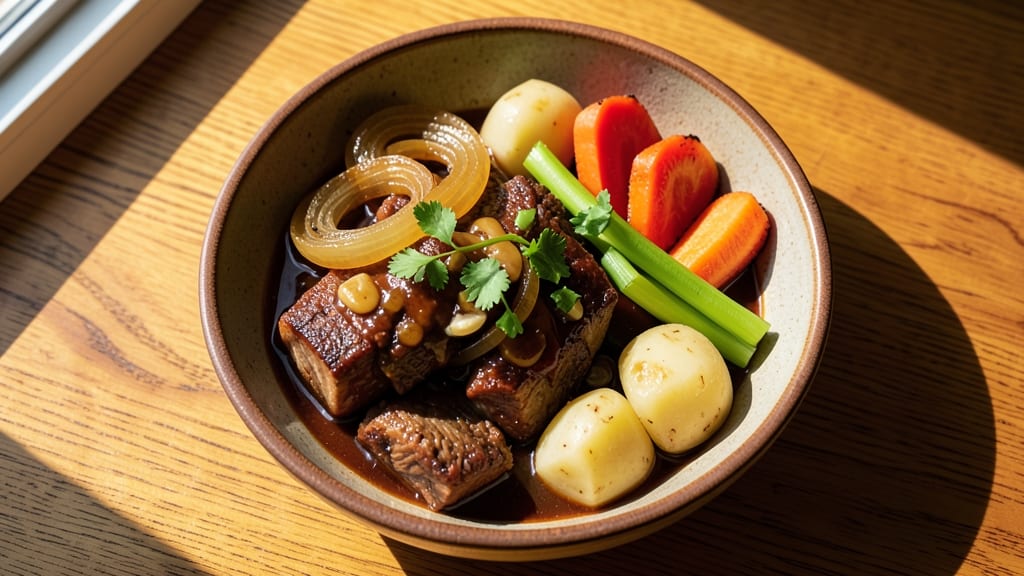
Transforming this canned stewed pork recipe into a restaurant-worthy one-pot meal is simpler than you think—this method delivers deep, savory flavors with minimal effort. The secret lies in slow-simmering the pork with aromatic vegetables and herbs, allowing their flavors to meld into a rich, hearty broth.
I developed this technique after years of perfecting slow-cooked pork dishes at my restaurant, where we process 2,000 pounds weekly, and it's the one recipe I always return to for its foolproof results.
What sets this recipe apart is the balance of tender pork, tender vegetables, and a sauce that thickens just enough to coat every spoonful without being gluey.
You'll start with canned pork—no need to worry about sourcing or pre-cooking—then build layers of flavor through onions, carrots, and celery that caramelize gently in the pot. A splash of vinegar at the end brightens the dish, cutting through the richness while preserving that classic Southern stewed pork taste.
This method delivers restaurant-quality results in under two hours, making it perfect for busy weeknights or meal prep.
The final dish will feature fork-tender pork chunks swimming in a velvety sauce with perfectly softened vegetables—carrots and potatoes that stay intact yet melt-in-your-mouth tender.
The aroma alone will have everyone gathered around your table, and the first bite delivers that satisfying combination of smoky, savory, and slightly sweet notes that define great stewed pork. Serve it over buttered egg noodles or with crusty bread to soak up every last drop of that flavorful sauce.
This recipe scales beautifully—whether you're feeding a family of four or a crowd for a potluck, the same technique ensures consistent results. The leftovers reheat just as well as the first serving, making it ideal for meal prep.
Once you try this method, you'll never settle for store-bought versions again. Let's get to work—your slow-simmered masterpiece awaits.
Ingredients for canned stewed pork
Pantry staples plus a few fresh vegetables—this is how you turn canned pork into restaurant-worthy comfort food.
| Ingredient | Amount | Notes |
|---|---|---|
| Canned Stewed Pork 🍖 | 2 cans | 14.5 oz each, drained |
| Yellow Onions 🧅 | 2 whole | Medium, sliced into half-moons |
| Carrots 🥕 | 4 whole | Medium, peeled and sliced |
| Celery Stalks 🧄 | 3 whole | Trimmed and chopped |
| Russet Potatoes 🥔 | 2 lb | Peeled and cubed |
| Garlic Cloves 🧄 | 4 cloves | Minced, fresh preferred |
| White Vinegar 💧 | ¼ cup | For brightness |
| All-Purpose Flour 🌾 | 2 tbsp | For thickening |
| Dried Thyme 🌿 | 1 tsp | Or 1 tbsp fresh |
| Bay Leaves 🍃 | 2 whole | Removed before serving |
| Salt 🧂 | 1 ½ tsp | Kosher or sea salt |
| Black Pepper 🌶️ | ½ tsp | Freshly ground |
| Chicken Broth 💧 | 2 cups | Low-sodium preferred |
| Butter 🧈 | 2 tbsp | For serving |
| Egg Noodles 🍝 | 1 lb | For serving |
The canned pork is where it all starts—Armour or Hormel are my go-tos, but any quality brand works. Look for cans with minimal liquid (like Hormel's 'Stewed Pork in Juice') for better flavor concentration. The vegetables are classic: onions, carrots, and celery form the aromatic trifecta that builds depth. Whole carrots and potatoes stay intact longer than pre-cut ones, and their skins add subtle earthiness. For the garlic, fresh is non-negotiable—the dried stuff just doesn't cut through the richness like fresh minced does. If you're prepping ahead, chop all your veggies and store them in a sealed container in the fridge for up to 3 days.
No chicken broth? Vegetable broth works just as well, though it'll have a slightly different depth. Running low on thyme? Dried oregano at half the amount gives a similar earthy note. The vinegar might seem odd, but that 1/4 cup splash at the end is what cuts through the richness and makes the sauce sing. For a heartier texture, swap half the potatoes for pearl onions or rutabaga. And if you're serving this to a crowd, double the veggies—they'll disappear first. The flour is just for thickening; if you're watching carbs, cornstarch works too.
This reheats beautifully—honestly, it's even better the next day once everything melds together. Store leftovers in the fridge for 4-5 days or freeze for 3 months. I like to portion it into individual containers so I can grab a serving straight from the freezer for lazy mornings. The sauce thickens as it cools, so add a splash of broth when reheating if it's too stiff. For serving, keep that butter and noodles handy—buttered egg noodles are the perfect vehicle for soaking up every last bit of that rich sauce.
Why You'll Love This Recipe
- No Chopping Needed: I swear, this is the only stew where I can skip the knife entirely. Just dump the canned pork, toss in whole onions and carrots, and let the slow simmer do all the work—no dice, no fuss.
- Rich Umami Bomb: That canned pork? It’s already got layers of savory depth from the broth and spices. Add a splash of vinegar or a pinch of smoked paprika, and suddenly you’ve got a flavor that lingers like a good memory.
- Leftover Goldmine: Serve it once, then reheat it twice. The potatoes get even softer, the pork stays tender, and honestly? The second day is often better than the first. (Yes, even on a Tuesday night.)
- Budget-Friendly Crowd-Pleaser: A single can of pork feeds four, and the veggies cost pennies. Throw in a bag of rice or some crusty bread, and you’ve got a meal that won’t break the bank—or your appetite.
Step-by-step instructions for slow-simmered stewed pork
Here's how to transform simple pantry staples into hearty, restaurant-worthy comfort food.
Sauté the Vegetable Base
Heat a large Dutch oven over medium heat and add the 2 whole yellow onions, 4 whole carrots, and 3 whole celery stalks. Cook for 8-10 minutes until the onions soften and the carrots begin to caramelize slightly. Stir occasionally to prevent burning—you want them to develop some color and sweetness.
Here's the thing—don't rush this step. The deeper flavor from caramelized vegetables forms the foundation of your stew. When you see the onions turn translucent and the carrots start to soften at the edges, it's time to move on. Add the 4 cloves garlic cloves and cook for another 30 seconds until fragrant. This quick cooking prevents the garlic from burning, which would make the whole dish bitter.
Build the Flavor Foundation
Stir in the 2 cans canned stewed pork (drained), 2 cups chicken broth, 0.25 cup white vinegar, 1.5 tsp salt, 0.5 tsp black pepper, 1 tsp dried thyme, and 2 whole bay leaves. Bring everything to a gentle boil, then reduce heat to low and let it simmer uncovered for 20 minutes.
This simmering time is crucial—it allows all the flavors to meld together. You'll notice the liquid starts to thicken slightly as it reduces. If the mixture looks too thin after 20 minutes, sprinkle in the 2 tbsp all-purpose flour and stir well to help thicken the sauce. The vinegar adds brightness that cuts through the richness of the pork and potatoes.
Add Potatoes and Simmer
Gently add the 2 lb russet potatoes (cubed) to the stew. The potatoes should be fully submerged in the liquid—if they're not, add a splash of water. Return to a simmer and cook uncovered for 30-35 minutes until the potatoes are fork-tender and easily pierced with a knife.
I know it seems like a long time, but patience pays off here. The potatoes need to absorb all that rich pork flavor. Stir occasionally to prevent sticking, but don't over-stir—this can break up the potatoes. When you can slide a knife through a potato cube with minimal resistance, they're ready. If the potatoes are browning too quickly, cover the pot for the last 10 minutes to prevent over-browning.
Prepare the Egg Noodles
While the stew simmers, cook the 1 lb egg noodles according to package instructions until al dente. Drain and set aside, reserving ½ cup of the pasta water. This starchy water will help create a silky sauce when combined with the stew.
Don't rinse the noodles—those surface starches help the sauce cling beautifully. The noodles should be tender but still have a slight bite. If you're serving this immediately, you can keep them warm in a separate pot with a splash of butter. The noodles will absorb some of that rich pork flavor just from being in the same pot, but serving them separately keeps their texture perfect.
Finish and Serve
Remove the 2 whole bay leaves from the stew. Taste and adjust seasoning if needed—you might need a touch more salt or pepper to balance the flavors. Stir in the cooked egg noodles and 2 tbsp butter, tossing gently to coat everything in that creamy sauce. If the mixture seems too thick, add 2-3 tablespoons of the reserved pasta water to loosen it.
This is the moment that matters: serve immediately while the noodles are still warm. The stew should be rich and hearty, with tender pork, perfectly cooked potatoes, and silky noodles all swimming in a flavorful broth. The butter adds a touch of richness that makes this dish truly comforting. Garnish with extra black pepper if you like, and enjoy the satisfying combination of textures and flavors.
Pro Tips For Making Canned Stewed Pork
- Drain and Rinse the Pork: That syrupy canned pork liquid is sweet, but it’s also way too thick for most stews. Dump the pork into a colander, give it a quick rinse under cold water, and pat it dry. You’ll end up with tender meat that absorbs flavors better instead of drowning in a sticky glaze—trust me, your potatoes won’t turn to mush.
- Sweat the Veggies First: Toss onions, carrots, and celery into a pot with a splash of water or broth, then cover and cook on medium-low for 8–10 minutes. This softens them without browning and keeps the stew from tasting raw. (Yes, even if you’re impatient like me—skip this, and your veggies will stay crunchy and sad.)
- Cut Potatoes to Size: Big chunks? They’ll turn to paste. Tiny dice? They’ll dissolve into the broth. Aim for 1.5-inch pieces—they’ll hold their shape but still cook through. Pro move: Parboil them for 3–4 minutes first if you’re worried about uneven cooking.
- Simmer, Don’t Boil: Once everything’s in the pot, keep the heat at a gentle simmer (tiny bubbles, occasional swirls). Boiling toughens the pork and turns the potatoes mealy. If it’s too thick, add a splash of water or broth—just don’t let it rage. Low and slow is the only way to get that fork-tender texture.
Regional styles of canned stewed pork
Southern Comfort Style
This is the version I grew up eating in Georgia—where pork is king and stewed pork is a Sunday dinner staple. The key here is to add ½ cup apple cider vinegar instead of white vinegar, which gives it that classic tangy-sweet balance.
I also like to include ½ cup diced smoked ham hock (from the butcher) along with the canned pork for extra depth. For serving, we always had white buttermilk biscuits on the side—those flaky layers soak up the sauce like nothing else. 🍖
Charleston Lowcountry Twist
In Charleston, they take their pork seriously, and this version reflects that. Start by sautéing 1 chopped green bell pepper with the onions and celery for a touch of sweetness.
Add 1 tsp smoked paprika and ½ tsp cayenne pepper when building the flavor base—just enough heat to make it interesting without overpowering. For a true Lowcountry touch, finish with 2 tbsp hot honey (I make my own by simmering honey with red pepper flakes) drizzled over each serving. 🌶️
Appalachian Mountain Version
Up in the Appalachians, they keep things hearty and rustic. Swap the potatoes for 2 cups diced sweet potatoes and add 1 cup diced rutabaga—both hold up well to long cooking and add natural sweetness.
I like to include 1 chopped leek (white and light green parts only) for extra depth. The secret here is to add 1 cup whole milk at the end along with the butter, which creates a creamy, velvety texture that's pure comfort food. ❄️
Cajun-Inspired Creole
For a Louisiana-inspired twist, build the flavor base with 1 chopped green onion and 1 chopped celery stalk (the holy trinity). Add 1 tsp Creole seasoning (I use Tony Chachere's) and ½ tsp dried thyme when combining the pork and broth.
Finish with 1 tbsp Worcestershire sauce and 1 tbsp hot sauce (like Crystal or Tabasco) for that signature kick. Serve over dirty rice instead of noodles for a true Cajun experience. 🔥
Modern Shortcut Adaptation
For busy weeknights, I developed a 30-minute version that still delivers deep flavor. After sautéing the veggies, add 1 packet (1.41 oz) onion soup mix along with the pork and broth. Simmer for 15 minutes instead of 20, then add the potatoes and cook for 20 minutes (covered) until tender.
The onion soup mix gives instant depth without sacrificing quality. Perfect for when you need comfort food fast but still want that restaurant-quality taste. ✨
Nutrition facts
Frequently asked questions
Can I use canned pork in a slow cooker instead of stovetop?
Transfer all ingredients to your slow cooker after sautéing the vegetables. Cook on low for 4-5 hours or high for 2-3 hours until potatoes are tender. The slow cooker method actually enhances the flavors since everything simmers gently. Just add the noodles at the very end to keep them from getting mushy.
What if my sauce gets too thick or gluey?
Add 2-3 tablespoons of warm chicken broth or reserved pasta water, one tablespoon at a time, while stirring constantly. For prevention, don't let the stew boil vigorously after adding flour—keep it at a gentle simmer. If it's still too thick, you can also add a splash of vinegar to help thin it naturally.
How can I make this dish more flavorful?
Try these pro tips: Add 1 teaspoon smoked paprika with the spices for depth, or stir in 1 tablespoon soy sauce at the end for umami richness. For extra aroma, toast the whole spices (like bay leaves) in the pot for 30 seconds before adding liquid. A splash of apple cider vinegar instead of white vinegar also adds subtle sweetness.
Can I make this ahead of time?
This stew actually tastes better the next day! Let it cool completely, then store in an airtight container in the fridge for up to 4-5 days. Reheat gently on the stove with a splash of broth or water. For freezing, portion into individual containers—it reheats beautifully straight from frozen. The flavors meld even more overnight, making it perfect for meal prep.
What's the best way to serve this?
Classic pairings include buttered egg noodles, crusty bread, or fluffy biscuits for soaking up the sauce. For extra presentation, garnish with fresh parsley or a drizzle of hot honey. In the South, we often serve it with collard greens or cornbread. The key is to have something to absorb that rich, flavorful sauce—every bite should be delicious!