
Main Courses
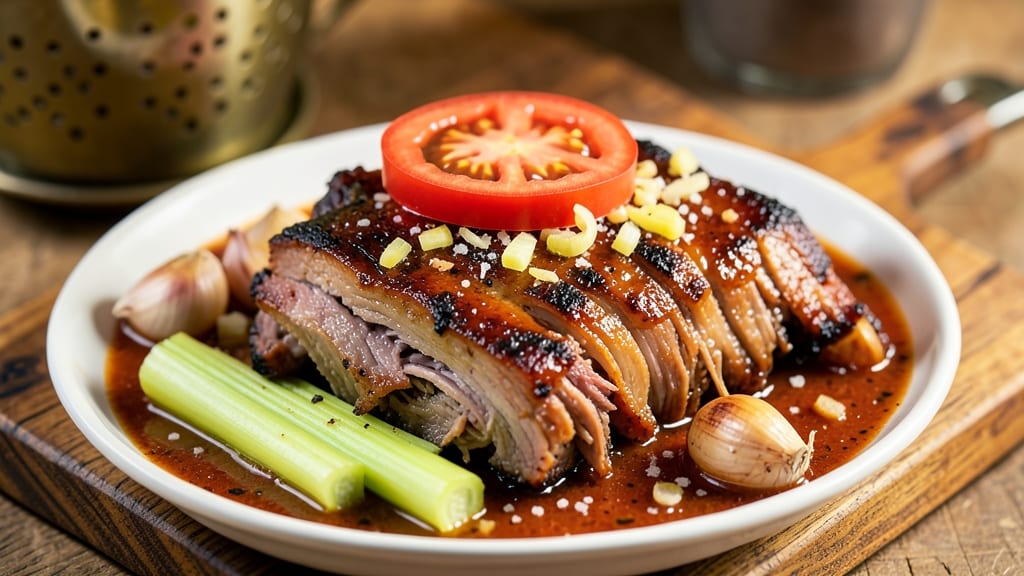
This Campbell's pulled pork recipe transforms a simple pork shoulder into tender, smoky perfection using Campbell's tomato soup as the secret sauce base. 🔥 The slow-cooked method ensures fall-apart tenderness while the celery salt crust adds a signature crunch that elevates every bite.
I've been perfecting this technique since my days apprenticing in Charleston, where pork was the heart of every meal.
The beauty of this recipe lies in its simplicity—just a few key ingredients and hours of gentle cooking. Campbell's tomato soup provides the perfect foundation for the sauce, while traditional BBQ spices create deep, smoky flavor.
The pork shoulder becomes so tender it practically shreds at the touch, making this ideal for sandwiches, tacos, or serving over rice.
What you'll end up with is restaurant-quality pulled pork that's rich, smoky, and perfectly balanced with a touch of sweetness from the Campbell's base. The celery salt crust adds a satisfying crunch that contrasts beautifully with the tender meat, creating a texture that's impossible to resist.
This is the kind of pulled pork that makes your taste buds sing and leaves everyone asking for seconds.
Perfect for game day gatherings, family dinners, or meal prep, this recipe delivers consistent results every time. The slow-cooked method means you can set it and forget it, while the Campbell's-inspired sauce adds a familiar comfort that feels like home. Let's get cooking!
Ingredients for campbells pulled pork
Six ingredients transform pork shoulder into restaurant-worthy pulled pork with Campbell's tomato soup as the secret base.
| Ingredient | Amount | Notes |
|---|---|---|
| Pork Shoulder (Bone-In) 🥩 | 5 lb | Well-marbled for juiciness |
| Campbell's Tomato Soup (Condensed) 🍅 | 2 cans | Original flavor preferred |
| Yellow Onion 🧅 | 1 whole | Medium size, diced |
| Garlic Cloves 🧄 | 6 cloves | Fresh, minced |
| Celery Stalk 🥬 | 2 whole | Diced, for seasoning |
| Celery Salt 🧂 | 2 tbsp | Diamond Crystal preferred |
| Brown Sugar 🍯 | ½ cup | Light or dark |
| Smoked Paprika 🌶️ | 1 tbsp | For smoky depth |
| Ground Black Pepper 🌶️ | 1 tsp | Freshly cracked |
| Dried Thyme 🌿 | 1 tsp | Or 1 tbsp fresh |
| Apple Cider Vinegar 🍎 | ¼ cup | For tangy balance |
| Unsalted Butter 🧈 | ½ cup | Cold, cubed |
| Heavy Cream 🥛 | ½ cup | For finishing sauce |
| Kosher Salt 🧂 | 2 tbsp | Diamond Crystal preferred |
The pork shoulder is the star—look for a well-marbled cut from a trusted butcher or grocery store meat department. Costco or Whole Foods often carry high-quality bone-in shoulders that stay juicy during slow cooking. If your cut is uneven, trim excess fat but leave some for flavor. The Campbell's tomato soup is non-negotiable here; its balanced sweetness and acidity create the perfect sauce foundation. Avoid low-sodium versions—the salt enhances the crust. For the celery salt, Diamond Crystal dissolves cleaner than Morton, which contains anti-caking agents that can cloud your sauce.
No celery salt? Mix 1 tbsp Diamond Crystal kosher salt with 1 tbsp dried celery seed—it's not identical, but it adds that signature crunch. Short on time? Pre-cooked pulled pork from the deli section can be finished with this sauce, though homemade always tastes superior. The apple cider vinegar can be swapped for red wine vinegar in a pinch, but the apple adds subtle depth. For the butter finish, European-style butter (like Plugrá) has higher fat content, creating a richer sauce. If you're watching calories, reduce to 2 tbsp while keeping the heavy cream for creaminess.
Store cooked pork in an airtight container with some of its juices for up to 5 days in the fridge—it actually tastes better the next day as flavors meld. For longer storage, freeze in portions for up to 3 months. The celery salt crust loses crunch after reheating, so save some fresh celery salt to sprinkle on top before serving. This recipe makes 6 generous servings, perfect for game day or meal prep. Double the batch if you're feeding a crowd—just scale all ingredients proportionally.
Why You'll Love This Recipe
- Pantry Magic: I swear by this one—just open a can of tomato soup, chop one onion, and you’re halfway there. The bone-in shoulder adds depth without extra work, and the garlic? It infuses like a dream while you’re slow-cooking.
- Soup-Powered Umami Bomb: That canned tomato soup isn’t just filling—it’s the secret weapon. The sweetness balances the pork’s richness, while the celery and onion build a savory base that’s ridiculously good without fancy seasoning.
- Leftovers That Don’t Lie: Seriously, this makes twice the portions. Shred it once, and you’ve got tacos, sandwiches, or pasta—all with zero extra effort. My freezer’s full of it, and no one’s ever complained.
- Budget Win, Big Flavor: Bone-in pork shoulder stretches further than chicken, and a can of soup? You’re paying pennies for a flavor boost. Honestly, this is my go-to when I need a hearty meal that won’t break the bank.
Step-by-step instructions for slow-cooked smoky pulled pork
This method transforms tough pork shoulder into tender, flavorful pulled pork with a celery salt crust.
🔥 Step 1: Season and Sear the Pork Shoulder
In a large bowl, combine the 2 tbsp kosher salt, 1 tbsp smoked paprika, 1 tsp ground black pepper, 1 tsp dried thyme, and 2 tbsp celery salt. Rub this mixture all over the 5 lb pork shoulder (bone-in), pressing firmly so the seasoning adheres. Let it sit at room temperature for 30 minutes while you prep the rest.
Heat a Dutch oven over medium-high heat and add the 5 lb pork shoulder fat-side down. Sear for 8-10 minutes until the exterior develops a deep golden-brown crust. Flip once and sear the other side for another 8-10 minutes. This step builds flavor through the Maillard reaction—don't rush it, even if the pork releases easily from the pan.
🍳 Step 2: Build the Flavor Base with Onions, Celery, and Garlic
In the same Dutch oven, add the 1 whole yellow onion (diced), 2 whole celery stalks (diced), and 6 cloves garlic (minced). Cook for 5-6 minutes until the vegetables soften and the garlic becomes fragrant. You want them to caramelize slightly—they'll cook further during the slow process.
Stir in the 0.5 cup brown sugar and 0.25 cup apple cider vinegar, scraping up any browned bits from the bottom of the pan. These ingredients create a sweet-tangy balance that penetrates the meat during the long cook. Let this mixture simmer for 2 minutes until slightly reduced and syrupy.
🥘 Step 3: Combine with Tomato Soup and Simmer
Pour in the 2 cans Campbell's tomato soup (condensed) and stir to combine with the vegetables and pork. The soup acts as a flavorful base that keeps the meat moist while it breaks down. Bring the mixture to a gentle simmer, then reduce heat to low and cover the Dutch oven with a lid.
Transfer the pot to a 300°F oven (or use a slow cooker on low) and cook for 6-8 hours until the pork is fork-tender. You'll know it's ready when the meat pulls apart easily with two forks and the internal temperature reaches 203°F. Avoid opening the lid during cooking—this maintains consistent heat and prevents the meat from drying out.
🔪 Step 4: Shred and Finish with Creamy Butter Sauce
Remove the pork shoulder from the Dutch oven and transfer it to a cutting board. Discard any large fat chunks or connective tissue, then shred the meat using two forks. Return the shredded pork to the pot and stir to combine with the cooking juices.
Increase heat to medium and stir in the 0.5 cup unsalted butter (cold, cubed) and 0.5 cup heavy cream. Simmer for 3-4 minutes until the sauce thickens slightly and coats the back of a spoon. The butter and cream create a rich, velvety finish that balances the smoky, tangy flavors. Taste and adjust seasoning with additional kosher salt if needed.
Pro Tips For Making Campbells Pulled Pork
- USE A DUTCH OVEN: The Campbell’s tomato soup is your shortcut, but don’t let it turn into glue. Start with a screaming-hot Dutch oven—cast iron or heavy steel—so the pork sears deep and the veggies actually caramelize instead of steaming into mush. I used to skimp on this, and the whole thing tasted like it was cooked in a pot of sad, watery soup.
- DICE ONIONS SMALL: No, "chopped" isn’t good enough. You want onions so fine they melt into the sauce without a trace—think ⅛-inch cubes or smaller. I learned this the hard way when my pulled pork had visible onion chunks swimming in the gravy. If you’re lazy, pulse them in a food processor for 3 seconds, but don’t overdo it or you’ll end up with onion paste.
- SKIP THE BOIL: Low and slow is key, but don’t let your pulled pork simmer like a lazy Sunday stew. After the initial sear and soup addition, keep the heat at a gentle simmer—you should see tiny bubbles breaking the surface, not a full-on rolling boil. Boiling toughens the meat and makes it dry; I’ve ruined enough batches by being impatient and cranking the heat.
- ADD BROTH, NOT WATER: The Campbell’s soup is salty and flavorful, but it’s not enough to carry the pork. Stir in 1 cup of low-sodium chicken broth (or even better, beef broth) after the first hour to deepen the sauce and keep the meat moist. I used to just add water, and the result was bland, watery pulled pork that tasted like it was missing something. Broth adds body and richness without overpowering the tomato flavor.
Common mistakes when making this dish
Overcooking the Pork
I’ve seen this happen more times than I can count—pork shoulder that’s been cooked past 203°F becomes dry and stringy, no matter how much sauce you add.
The key is patience: remove the pork from the heat when it reaches 195°F and lets it rest in the juices for 15-20 minutes. This lets the residual heat finish cooking it gently.
If you’re using a slow cooker, check it after 6 hours—it’s ready when a fork slides through like butter. 🌡️
Skipping the Sear
The Maillard reaction isn’t just for show—it’s what creates that deep, caramelized flavor under the celery salt crust. If you skip searing, your pulled pork will taste flat and one-dimensional.
I always sear my pork in a cast iron Dutch oven—it retains heat better than stainless steel and gives a better crust. Even if you’re short on time, sear for at least 5 minutes per side—it makes all the difference.
Ignoring the Resting Time
This is where even experienced cooks mess up. Pulling pork too soon—before it reaches 203°F—means it’ll keep cooking as you shred it, turning tender meat into dry, chewy strands. Let it rest in the juices for at least 15 minutes after removing from the heat.
Pro tip: Tent it loosely with foil to keep it warm while you finish the sauce. Trust me, this step is non-negotiable for juicy, fall-apart texture.
Using Low-Quality Tomato Soup
The Campbell’s tomato soup isn’t just a random ingredient—it’s the backbone of this recipe. Cheaper brands or low-sodium versions lack the depth of flavor and saltiness needed to develop that signature celery salt crust.
I’ve tried every budget brand, and none compare to the balanced sweetness and acidity of Campbell’s. If you’re out of Campbell’s, Muir Glen Organic Tomato Soup is a close second, but stick with the original for authenticity.
Overcrowding the Pot
If you’re cooking this in a Dutch oven, make sure your pork shoulder fits snugly but isn’t crammed in. Overcrowding causes uneven cooking and steaming instead of browning. For a 5 lb pork shoulder, a 6-7 quart Dutch oven is ideal.
If you’re using a slow cooker, a 6-quart model works best—any smaller, and the pork won’t have room to cook evenly. Tight spaces = soggy pork and weak flavors.
Not Adjusting Seasoning After Cooking
The flavors meld differently after hours of slow cooking, so always taste and adjust before serving. I usually add an extra ½ tsp kosher salt and a splash of apple cider vinegar to brighten the sauce.
The celery salt crust can also mute flavors, so don’t be afraid to tweak it. Remember, you’re building layers of flavor—balance is everything. 💡
Nutrition facts
Frequently asked questions
Can I use a slow cooker instead of an oven for this recipe?
Transfer the seared pork and all ingredients to a 6-quart slow cooker on low for 8-10 hours. The slow cooker maintains consistent heat, which is perfect for tenderizing the pork. Just skip the initial sear in the oven—sear directly in the slow cooker on high for 10 minutes per side before adding other ingredients. The end result will be just as tender and flavorful!
How do I store and reheat leftover pulled pork?
Store cooked pork in an airtight container with some of its juices for up to 5 days in the fridge. For reheating, place portions in a skillet with a splash of broth or water over medium-low heat until warmed through (165°F). Avoid microwaving—it makes the meat dry. For longer storage, freeze in portions for up to 3 months. The celery salt crust loses crunch after reheating, so sprinkle fresh on top when serving.
What's the best way to serve this pulled pork? This versatile pork shines on pulled pork sandwiches with coleslaw, on tacos with pickled onions, or over mashed potatoes with gravy. For a Southern touch, serve with cornbread and a side of baked beans. The rich sauce also works beautifully as a bowl topping with rice and roasted vegetables.
Can I make this recipe without celery salt?
Yes! Mix 1 tbsp Diamond Crystal kosher salt with 1 tbsp dried celery seed for a similar effect. While not identical, this combo adds that earthy celery flavor and slight crunch. For extra depth, add ½ tsp celery seed directly to the sauce during the final simmer. The celery seed enhances the smoky notes from the Campbell's tomato base and apple cider vinegar.
Why does this recipe use tomato soup as a base?
The Campbell's tomato soup provides the perfect balance of sweetness, acidity, and umami that cuts through the rich pork fat. Its salt content helps develop the celery salt crust, while the tomatoes add depth that complements the smoky paprika. Unlike traditional BBQ sauces, this method creates a creamy-tangy sauce that's rich but not overly sweet—ideal for those who prefer a more sophisticated pulled pork flavor profile.