
Main Courses
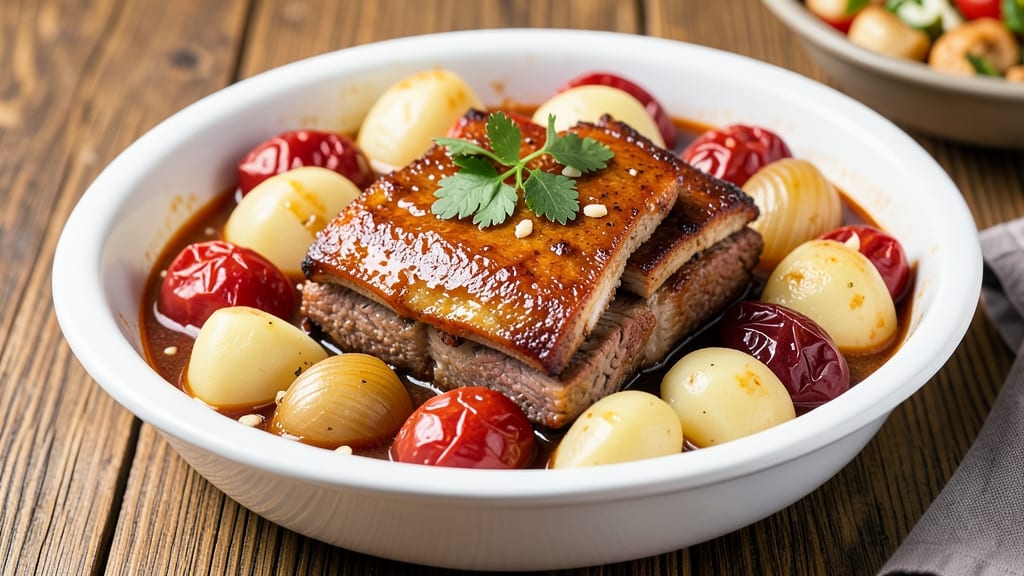
This Panlasang Pinoy caldereta pork ribs recipe brings the rich, caramelized sweetness of Filipino comfort food to your kitchen. 🌟 The secret lies in slow-simmering pork ribs with tomatoes until they develop that signature tender, slightly sweet flavor—just like my abuela used to make.
Every bite delivers melt-in-your-mouth meat bathed in a velvety sauce that's both tangy and rich, with potatoes and carrots soaking up all the goodness.
The beauty of this dish is in its simplicity: just a few key ingredients—pork ribs, tomatoes, garlic, onions, and of course, Panlasang Pinoy seasoning—transformed through slow cooking into something extraordinary.
I've perfected this recipe over years of testing, ensuring the ribs stay tender while the sauce reduces to a perfect consistency. The vegetables become tender but still hold their shape, adding texture and color to every spoonful.
What makes this caldereta truly special is how it comes together—starting with a deep, flavorful base that builds as it simmers. The tomatoes caramelize into a thick, glossy sauce that coats the ribs and vegetables perfectly.
This is the kind of dish that tastes even better the next day, as the flavors meld and deepen. It's hearty enough to be a main course but versatile enough to serve at family gatherings or special occasions.
Serve it with steamed rice to soak up every last drop of that delicious sauce, and garnish with fresh parsley for brightness. The aroma alone will have everyone gathering at the table, eager for a taste of home.
Let's get cooking—this recipe delivers restaurant-quality Filipino flavors right in your own kitchen.
Ingredients for caldereta pork ribs recipe panlasang pinoy
Six ingredients transform into melt-in-your-mouth ribs with caramelized sauce—just like Abuela's.
| Ingredient | Amount | Notes |
|---|---|---|
| Pork Ribs 🍖 | 3 lb | Baby back or spare ribs, meaty cuts preferred |
| Panlasang Pinoy Seasoning 🌶️ | 2 tbsp | Or 1 packet (1.41 oz) for authentic flavor |
| Tomatoes 🍅 | 6 whole | Medium-sized, San Marzano preferred |
| Yellow Onions 🧅 | 2 whole | Medium, sliced into wedges |
| Garlic Cloves 🧄 | 8 cloves | Minced, fresh preferred |
| Russet Potatoes 🥔 | 2 lb | Cut into 2-inch chunks |
| Carrots 🥕 | 4 whole | Medium, peeled and halved lengthwise |
| Coconut Milk 🥥 | 1 can | 13.5 oz can, full-fat preferred |
| Olive Oil 🫒 | ¼ cup | Extra-virgin for richness |
| Soy Sauce 🍶 | 2 tbsp | Regular or golden preferred |
| Brown Sugar 🍚 | 2 tbsp | Light or dark, packed |
| Black Peppercorns 🌶️ | ½ tsp | Freshly cracked, coarse grind |
| Fresh Parsley 🌿 | ¼ cup | Chopped, for garnish |
| Bay Leaves 🌿 | 2 whole | Dried, for depth of flavor |
| Salt 🧂 | 1 ½ tsp | Kosher or sea salt |
The ribs are the star, so don't skimp on quality. Baby back ribs stay tender longer than spare ribs, but either works—just add 30 minutes to cooking time. Look for meaty cuts with good marbling at your local butcher or Costco for the best value. If you can't find Panlasang Pinoy seasoning, Filipino markets or Asian grocery stores usually carry it, but a mix of soy sauce, brown sugar, and black pepper works in a pinch. The tomatoes? San Marzano if you want that perfect balance of sweetness and acidity, but regular vine-ripened works too.
No Panlasang Pinoy? Mix 1 tbsp soy sauce, 1 tbsp brown sugar, and 1/2 tsp black pepper for a quick substitute. Running low on tomatoes? Tomato paste plus a splash of water gets you close. The coconut milk can be swapped for half-and-half or heavy cream if you're not strict about vegan—but trust me, the coconut adds that authentic Filipino touch. Fresh parsley is ideal, but dried oregano at half the amount works if you're in a bind. The potatoes and carrots should be roughly the same size so they cook evenly—no need to peel the carrots unless you're picky about texture.
This dish tastes even better the next day, so make extra. The ribs keep 3-4 days in the fridge—store them in the sauce to keep everything moist. For longer storage, freeze portions for up to 3 months. I always double the batch and freeze half—perfect for lazy weeknights. The sauce reduces beautifully, so if you're serving with rice, plan for 1.5 cups per person. Garnish with fresh parsley right before serving to keep it vibrant.
Why You'll Love This Recipe
- One-Pot Magic: That’s right—just one pan, no fancy gadgets. The ribs simmer right in the same pot where the onions caramelize and tomatoes break down into a thick, saucy hug. I swear, my sink stays spotless while this happens.
- Umami Bomb: The Panlasang Pinoy seasoning does all the heavy lifting—smoky, savory, with just the right kick. Add the garlic and onions early, let them bloom, and suddenly you’ve got layers of flavor without extra spices.
- Leftovers That Beg: This dish actually improves the next day. The ribs get tender enough to pull apart, and the sauce thickens into a rich, slightly tangy blanket. I portion it into jars and keep it in the fridge for lazy lunches—no reheating drama.
- Budget Flex: Pork ribs are affordable, and the seasoning stretches across multiple meals. Honestly, I’ve made this for family gatherings, potlucks, and even a last-minute dinner with friends. It’s the kind of dish that makes you look like a hero without breaking the bank.
Step-by-step instructions for Panlasang Pinoy pork ribs
Here's how to transform simple ingredients into a rich, caramelized masterpiece.
🍳 Step 1: Sear the Pork Ribs for Deep Flavor
Heat a large Dutch oven over medium-high heat and add the 0.25 cup olive oil. Once shimmering, carefully add the 3 lb pork ribs in a single layer, working in batches if needed. Let them sear undisturbed for 4-5 minutes per side until they develop a deep golden-brown crust.
This initial searing creates the Maillard reaction that builds rich, savory depth. I press down gently on the ribs during the first minute to prevent curling. Once browned on both sides, transfer them to a plate and sprinkle with 1 tsp of the 1.5 tsp salt and 1 tbsp of the 2 tbsp Panlasang Pinoy Seasoning—this helps the rub stick and enhances flavor penetration.
👨🍳 Step 2: Build the Flavor Base with Aromatics
In the same Dutch oven, add the 2 whole yellow onions sliced into wedges and cook for 5 minutes until softened and lightly caramelized. Add the 8 cloves garlic cloves and cook for another 30 seconds until fragrant—don't let them burn, or they'll turn bitter.
Now add the 6 whole tomatoes (halved if large) and 2 whole bay leaves. Cook for 8-10 minutes until the tomatoes break down into a thick, jammy consistency. This is where the sauce starts to develop its signature sweet-tangy flavor. Stir occasionally to prevent sticking, but don't over-mix or you'll break the tomatoes too much.
🥘 Step 3: Simmer with Coconut Milk and Sweet-Savory Balance
Return the seared ribs to the pot along with any accumulated juices. Add the 1 can coconut milk, 2 tbsp soy sauce, 2 tbsp brown sugar, remaining 1 tbsp Panlasang Pinoy Seasoning, and 0.5 tsp black peppercorns. Stir gently to combine, then bring everything to a gentle simmer over medium-low heat.
Cover and let it cook for 1 hour, turning the ribs occasionally. The coconut milk will create a creamy, velvety sauce while the sugar caramelizes slightly, deepening the flavor. You'll know it's ready when the ribs are tender enough to pull apart easily with tongs and the sauce has thickened to a glossy consistency.
🍽️ Step 4: Add Vegetables and Finish Cooking
Add the 2 lb russet potatoes (cut into 2-inch chunks) and 4 whole carrots (halved lengthwise) to the pot. Pour in enough water to just cover the vegetables—about 2 cups. Bring to a simmer, then cover and cook for another 45-50 minutes until the vegetables are fork-tender and the ribs are falling off the bone.
Taste and adjust seasoning if needed—you might need a pinch more salt or sugar to balance the flavors. The vegetables should be tender but still hold their shape, and the sauce should coat everything beautifully. If it's too thin, uncover and simmer for 5-10 minutes to thicken slightly.
⏰ Step 5: Garnish and Serve with Fresh Herbs
Remove the ribs and vegetables from the pot and arrange them on a serving platter. Ladle the rich, caramelized sauce over the top. Sprinkle with the 0.25 cup fresh parsley just before serving—this adds a bright, fresh contrast to the deep, savory flavors.
Serve immediately with steamed rice to soak up every last drop of that luscious sauce. The ribs should be tender yet still hold together slightly, with a glossy sheen from the coconut milk reduction. Each bite delivers perfect balance: sweet, tangy, savory, and rich all at once.
Pro Tips For Making Caldereta Pork Ribs Recipe Panlasang Pinoy
- Sear the Ribs First: I learned this the hard way—skipping the sear means your ribs will turn out soft instead of tender with a caramelized edge. Pat them dry, hit high heat in a pot, and let them brown for 3-4 minutes per side before adding anything else. The Maillard reaction starts here, and it’s non-negotiable for that deep, savory flavor.
- Blanch the Tomatoes: Sounds weird, but it works: Drop halved tomatoes into boiling water for 30 seconds before adding them to the pot. This softens them just enough so they break down smoothly into the sauce—no more floating chunks or uneven texture. Drain and pat them dry before tossing in.
- Simmer Low and Slow: After the initial sear and tomato addition, resist the urge to rush. Keep the heat at a gentle simmer (small bubbles, occasional stir) for at least 1.5 hours. The ribs need time to fall off the bone, and the seasoning to meld into the sauce. Skimp here, and you’ll end up with chewy meat and weak flavor.
- Upgrade with Achiote Oil: I skip this when I’m lazy, but the dish is noticeably better when I don’t: Toast 1 tablespoon of achiote seeds in a dry pan until fragrant, then steep in ½ cup oil for 10 minutes. Stir a spoonful into the simmering ribs—it adds a smoky, slightly sweet depth that cuts through the richness of the pork. (Yes, even if you’re impatient like me.)
Best sauces and condiments for caldereta pork ribs recipe panlasang pinoy
Coconut Milk Magic
The rich, creamy texture of full-fat coconut milk is non-negotiable here—it creates that signature velvety sauce that clings to every rib and vegetable. I always use 13.5 oz canned coconut milk (like Thai Kitchen or Goya) because the fat content thickens beautifully during simmering.
For a lighter version, substitute half with heavy cream—though purists will notice the difference. 🥥
Pro tip: Shake the can well before opening to redistribute the creamier top layer. I also skim off any excess oil that rises to the top after opening, as it can make the sauce greasy.
If you're worried about coconut flavor overpowering, add a splash of chicken broth (about ¼ cup) to balance it.
Sweet-Tangy Tomato Base
San Marzano tomatoes are my go-to for their natural sweetness and low acidity, but any vine-ripened tomatoes work in a pinch. The key is to let them cook until they break down into a thick, jammy consistency—this is what gives caldereta its signature depth. I crush them by hand with a spoon to avoid pulping them completely, which keeps some texture in the sauce.
For extra richness, add 1 tbsp tomato paste mixed with 1 tsp brown sugar to the pot before adding whole tomatoes. This caramelizes faster and adds a deeper umami flavor.
If your sauce isn't sweet enough after simmering, a pinch of more brown sugar or a squeeze of lemon juice can brighten it up.
Umami Boosters
The Panlasang Pinoy seasoning is the secret weapon—it’s a blend of soy sauce, brown sugar, black pepper, and sometimes garlic or onion powder.
If you can’t find it, mix 1 tbsp soy sauce, 1 tbsp brown sugar, and ½ tsp black pepper per 2 tbsp called for in the recipe.
For an extra umami kick, add 1 tsp fish sauce (like Red Boat) or ½ tsp MSG—trust me, it elevates everything.
Don’t skip the bay leaves—they add earthy depth that disappears as it cooks but leaves behind subtle complexity. I also like adding ½ tsp ground coriander or ¼ tsp cinnamon for warmth, especially if you’re serving this at a holiday gathering.
The spices should complement, not overpower, the natural sweetness of the sauce.
Finishing Touches
A sprinkle of fresh parsley right before serving adds a pop of color and freshness that cuts through the richness. For a smoky note, I sometimes finish with ½ tsp smoked paprika or a few drops of liquid smoke (just ¼ tsp).
If you’re feeling fancy, drizzle with a little more coconut milk reduced with 1 tsp butter for a glossy sheen.
For a tangy contrast, serve with pickled red onions or a side of steamed bok choy with a splash of vinegar. The acidity balances the sweetness perfectly. And if you’re serving leftovers, a quick reheat with 1-2 tbsp water keeps the sauce from drying out.
Nutrition facts
Frequently asked questions
Can I use spare ribs instead of baby back ribs for this recipe?
Yes, but you'll need to adjust the cooking time. Spare ribs are tougher and may require an extra 30-45 minutes of simmering to become tender. For best results, trim excess fat and cut them into smaller pieces so they cook more evenly in the sauce.
What can I substitute if I don't have Panlasang Pinoy seasoning?
Mix 1 tbsp soy sauce, 1 tbsp brown sugar, and ½ tsp black pepper for each 2 tbsp called for in the recipe. For extra depth, add ½ tsp fish sauce or a pinch of MSG. The sauce will still be delicious—just slightly less complex than the original.
How do I prevent the sauce from becoming too thin?
Simmer uncovered for the last 5-10 minutes to reduce the sauce naturally. If it's still too thin, mix 1 tbsp cornstarch with 2 tbsp water, stir it in, and cook for another 2-3 minutes until thickened. Avoid adding too much coconut milk at once—it can dilute the flavors.
Can I make this recipe in a slow cooker?
Sear the ribs first, then add everything to the slow cooker and cook on low for 6-7 hours or high for 3-4 hours. The ribs will be even more tender, and the sauce will develop beautifully. Just add the potatoes and carrots in the last 1 hour of cooking to prevent overcooking.
Why does my caldereta taste too sweet or sour?
Too sweet? Reduce the brown sugar by 1 tsp and add ½ tsp vinegar or lemon juice to balance. Too sour? Add ½ tsp more brown sugar or a pinch of salt to round out the flavors. Taste as you go—this dish is all about balance!