
Main Courses
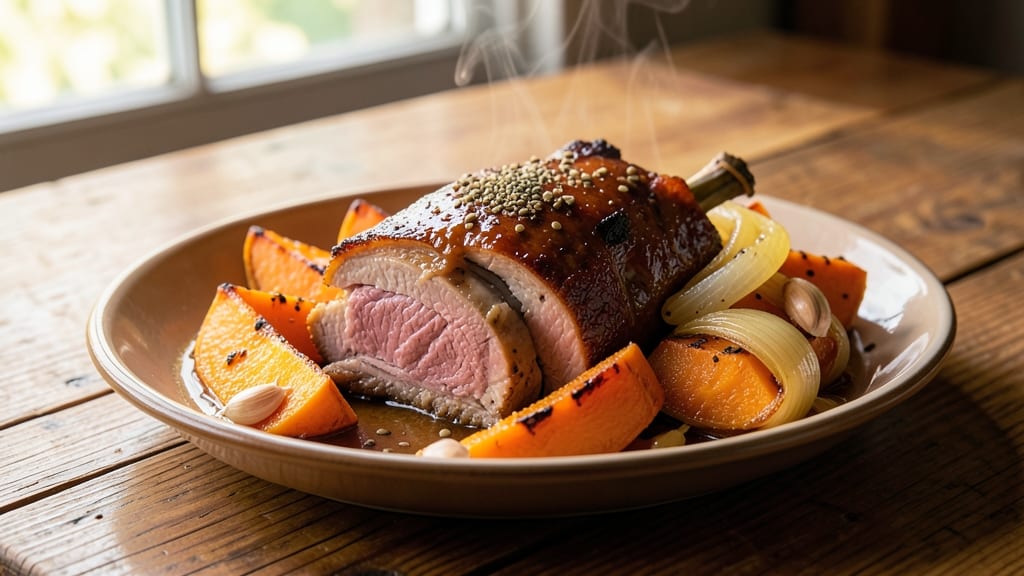
This calabaza with pork recipe brings the heart of Latin American kitchens to your table, where tender pork and sweet squash meld into a dish that’s both comforting and deeply satisfying. 🌟 The secret lies in slow-cooking the pork until it’s fork-tender, then simmering it with caramelized squash in a rich, savory broth that’s balanced with just the right touch of sweetness.
I’ve perfected this technique over years of cooking for family gatherings, where it’s always the first dish to disappear.
The beauty of this recipe is in its simplicity—just a few key ingredients transform into a meal that feels like a hug.
You’ll start with pork shoulder, seasoned with earthy spices and slow-braised until it falls apart, while the calabaza (or butternut squash) softens into a velvety texture that soaks up all the flavors.
The result is a dish that’s rich, aromatic, and full of depth, with a sauce that’s perfect for spooning over steaming rice or serving alongside warm tortillas.
What makes this recipe truly special is how it captures the essence of home cooking—warm, inviting, and full of layers. The pork becomes impossibly tender, the squash caramelizes just enough to add natural sweetness, and the spices create a harmonious blend that’s both familiar and exciting.
It’s the kind of meal that brings people together, whether you’re feeding a crowd or enjoying a quiet dinner for two.
This dish also pairs beautifully with sides like cilantro-lime rice, a simple green salad, or warm corn tortillas for serving.
The flavors are balanced enough to stand alone but versatile enough to adapt to your preferences—add a splash of lime juice for brightness or a sprinkle of fresh cilantro for freshness. Let’s get cooking!
Ingredients for calabaza with pork
Sixteen ingredients transform into a dish that feels like a homecoming every time.
| Ingredient | Amount | Notes |
|---|---|---|
| Pork Shoulder 🥓 | 3 lb | Bone-in for best flavor |
| Calabaza (Butternut Squash) 🎃 | 2 lb | Peeled, cubed, seeds removed |
| Yellow Onion 🧅 | 1 whole | Medium size, diced |
| Garlic Cloves 🧄 | 6 cloves | Fresh, minced |
| Cumin Seeds 🌿 | 1 tbsp | Toasted for depth |
| Ground Cumin 🌶️ | 1 tsp | For extra warmth |
| Dried Oregano 🍃 | 1 tsp | Mexican oregano preferred |
| Bay Leaves 🌿 | 2 whole | Fresh if available |
| Chicken Broth 💧 | 4 cups | Low-sodium preferred |
| Tomato Paste 🍅 | 2 tbsp | Smooth, no sugar added |
| Brown Sugar 🍚 | 2 tbsp | Lightly packed |
| Apple Cider Vinegar 🍎 | 1 tbsp | For brightness |
| Salt 🧂 | 1 ½ tsp | Kosher or sea salt |
| Black Pepper 🌶️ | ½ tsp | Freshly ground |
| Fresh Cilantro 🌿 | ¼ cup | Chopped, for garnish |
| Olive Oil 🫒 | 2 tbsp | Extra-virgin for richness |
The pork shoulder is the heart of this dish—bone-in, well-marbled cuts yield the most flavorful, tender results. Look for pork labeled 'shoulder butt' at Whole Foods or your local butcher shop, as it has the best balance of fat and meat. If you're using a pre-cut roast, pat it dry and score the fat cap in a crosshatch pattern before seasoning—this helps render the fat and keeps the meat juicy. For the squash, butternut is ideal, but calabaza or kabocha will work just as well. Choose squash that feels heavy for its size, with smooth skin and no soft spots—this ensures sweetness and texture. The spices? Penzeys Spices or the bulk bins at Trader Joe's are my go-tos for freshness.
No cumin seeds? Ground cumin works in a pinch, but toasting whole seeds in a dry pan for 30 seconds first adds a depth you won’t get otherwise. Short on apple cider vinegar? Lime juice or white wine vinegar both work, though the flavor will shift slightly. Using canned tomatoes instead of paste? Blend them smooth first—no one wants chunky surprises in their sauce. The brown sugar can be swapped for maple syrup at half the amount, but it’ll add a different kind of sweetness. For a deeper color, add a pinch of annatto powder or smoked paprika. And if you’re feeling adventurous, swap half the chicken broth for pork broth—the richness is unmatched.
This dish tastes even better the next day, so make a double batch if you’re feeding a crowd. Store leftovers in airtight containers in the fridge for up to 5 days, or freeze portions for 3 months. To reheat, cover with a splash of water or broth and warm gently on the stove—this prevents the sauce from drying out. The pork will stay juicy, and the squash will soften just enough to be spoonable. For serving, keep the cilantro separate until ready to eat—it wilts fast when mixed in. Garnish with a drizzle of olive oil and a sprinkle of salt right before digging in for that fresh-from-the-kitchen flavor.
Why You'll Love This Recipe
- One-Pan Magic: Honestly, I swear by this recipe because it’s that easy—just toss the cubed pork shoulder, halved squash, and onions on a sheet pan. The cumin and garlic roast right into the meat as it caramelizes, so you’re basically hands-off for 45 minutes. (Yes, even on a Tuesday night.)
- Deep, Smoky Richness: That pork shoulder? It melts in your mouth after slow-roasting, while the squash gets this irresistible caramelized sweetness. The cumin seeds add a warm, earthy kick that makes every bite feel like a hug—no fancy spices needed.
- Lunchbox Hero: Between us, this is my go-to for meal prep because it reheats like a dream. Pack the leftovers for lunch, and the flavors only get better the next day—especially that tender pork that practically falls apart. (My coworkers keep asking for seconds.)
- Budget Stretch: Pork shoulder is cheap, squash lasts forever, and you’re not using rare ingredients here. A single pan of this feeds four for dinner and leaves enough for two lunches without breaking the bank. My wallet and my family thank me every time.
Step-by-step instructions for calabaza with pork
This method delivers perfectly tender pork shoulder with caramelized squash—rich, balanced flavors every time.
🔥 Step 1: Sear and Sauté the Pork Shoulder
Heat a Dutch oven over medium-high heat and add the 2 tbsp olive oil. Place the 3 lb pork shoulder fat-side down and sear for 8-10 minutes until the fat renders and the skin turns deep golden brown. Flip and sear the other side for another 5-6 minutes.
Remove the pork and set it aside. In the same pot, add the 1 whole diced yellow onion and 6 minced garlic cloves. Sauté for 3-4 minutes until the onions soften and the garlic becomes fragrant. Sprinkle in the 1 tbsp toasted cumin seeds and cook for 30 seconds until they darken slightly and release their aroma.
🍳 Step 2: Build the Flavor Base
Add the 1 tsp ground cumin, 1 tsp dried oregano, 2 whole bay leaves, 2 tbsp tomato paste, 2 tbsp brown sugar, 1 tbsp apple cider vinegar, 1.5 tsp salt, and 0.5 tsp black pepper to the pot. Stir vigorously to combine and cook for 2 minutes until the spices are toasted and the mixture smells rich and complex.
Pour in the 4 cups chicken broth and scrape up any browned bits from the bottom of the pot. Return the pork shoulder to the pot, fat-side up, and bring everything to a gentle simmer. The liquid should just barely cover the pork—this ensures proper braising without stewing.
⏰ Step 3: Braise the Pork and Squash
Cover the pot and transfer to a preheated 300°F oven. Braise for 3 hours until the pork is fork-tender. After 2 hours, add the 2 lb peeled, cubed butternut squash to the pot, gently stirring to coat in the braising liquid.
Check the pork for doneness by inserting a meat thermometer into the thickest part—it should read 195-205°F. The squash should be tender but not mushy, with a slight resistance when pierced with a fork. If the liquid reduces too much before the pork is done, add ½ cup water to maintain moisture.
🥘 Step 4: Finish and Garnish
Remove the pork shoulder from the pot and place it on a cutting board. Tent loosely with foil and let it rest for 15-20 minutes. Skim any excess fat from the braising liquid and strain if you prefer a smoother sauce. Return the strained liquid to the pot and simmer for 5-7 minutes until slightly thickened.
Slice the pork shoulder against the grain into ½-inch thick pieces and arrange on a serving platter. Spoon the braised squash and sauce over the pork. Garnish with the 0.25 cup chopped fresh cilantro and serve immediately with warm tortillas or crusty bread for dipping.
Pro Tips For Making Calabaza With Pork
- Sear the Pork Hard: Get that pork shoulder screaming hot in a dry skillet for 5-7 minutes per side before you even think about adding onions or squash. I used to rush this, and the meat stayed bland—now it develops that deep, caramelized crust that holds up through slow cooking. (Yes, even if you’re impatient like me.)
- Cube the Squash Evenly: Cut the butternut squash into 1.5-inch chunks before roasting, not after—this ensures consistent cooking. Uneven pieces mean some turn to mush while others stay tough. If you’re short on time, microwave the chunks for 3 minutes first to jumpstart the softening.
- Toast the Cumin Whole: Dry-toast the cumin seeds in the same skillet as the pork for 30 seconds until fragrant—this unlocks their flavor way more than just sprinkling them raw. I learned this the hard way after a batch tasted like… well, nothing special. (Pro tip: Use a spoon to fish them out easily.)
- Deglaze with Beer or Broth: After searing the pork, splash in ½ cup of beer (or chicken broth) and scrape up those browned bits—this adds depth without extra effort. Skipping this step means losing half the flavor that’s stuck to your pan. (Your future self will notice.)
Storing and reheating your calabaza with pork
Refrigerator Storage
Let your calabaza with pork cool completely before transferring to airtight glass containers—I swear by Pyrex with snap-on lids for airtight seals. Store in the fridge at 40°F or below for up to 5 days, but honestly?
The flavors deepen overnight as the spices meld. The pork stays juicy, and the squash absorbs all the rich braising liquid. 💫
Freezer Prep Tips
For longer storage, portion into freezer-safe bags (leave 1-inch headspace for expansion) or glass containers with tight lids. Label with the date—this dish freezes beautifully for 3 months without texture loss.
When reheating from frozen, add ½ cup broth to prevent drying. I like using quart-sized bags for single servings.
Stovetop Reheating
My preferred method: Cover the dish with a splash of chicken broth (about ¼ cup) and warm over medium-low heat for 10-15 minutes. Stir occasionally to prevent sticking—this keeps the pork juicy and the squash tender.
Taste and adjust salt; reheated dishes often need a pinch more. The sauce thickens slightly, making it even more flavorful. 🔥
Microwave Shortcuts
For quick meals, transfer to a microwave-safe dish, cover loosely with a paper towel, and heat on 70% power for 3-4 minutes. Stir halfway, then continue in 30-second bursts until reaching 165°F.
Add a splash of water if it looks dry. The texture won’t be as perfect as stovetop, but it’s a lifesaver for busy nights.
Garnish Fresh
Save the cilantro until serving—it wilts fast when reheated. A final sprinkle of fresh cilantro and a drizzle of olive oil brightens the dish instantly. For extra depth, add a pinch of smoked paprika or chopped scallions right before eating. This keeps every bite feeling fresh, even after reheating. ✨
Nutrition facts
Frequently asked questions
What's the best cut of pork for this recipe?
Use a bone-in pork shoulder (like shoulder butt) for the best results—it stays juicy and flavorful. The bone adds depth to the broth, while the fat cap helps keep the meat tender during the long braise. If you're short on time, a pork butt roast works too, but trim excess fat to prevent greasiness in the sauce.
Can I substitute butternut squash for calabaza? Butternut squash is the perfect swap—it has a similar sweet, nutty flavor and soft texture when cooked. Just
Why does the pork need to rest before slicing?
Resting (for 15-20 minutes) lets the juices redistribute throughout the meat, preventing them from running out when you slice. If you skip this step, your pork will be drier. Tent loosely with foil to keep it warm while it rests—this also helps the flavors meld even more. Pro tip: Use this time to prep your sides!
How can I make this dish spicier?
Add 1-2 tsp chipotle powder or ½ tsp cayenne pepper to the spice mix when building the flavor base. For heat with depth, stir in 1 tbsp adobo sauce (from canned chipotles) with the apple cider vinegar. If you love smoky flavors, a pinch of smoked paprika works beautifully too.
What's the secret to getting the squash tender but not mushy?
Start with 1-inch cubes of squash and add them to the pot after 2 hours of braising. This gives them time to absorb flavors without overcooking. Check for doneness by piercing with a fork—they should be fork-tender with just a slight resistance. If they're still firm, add ½ cup water and cook another 15 minutes.