
Side Dishes
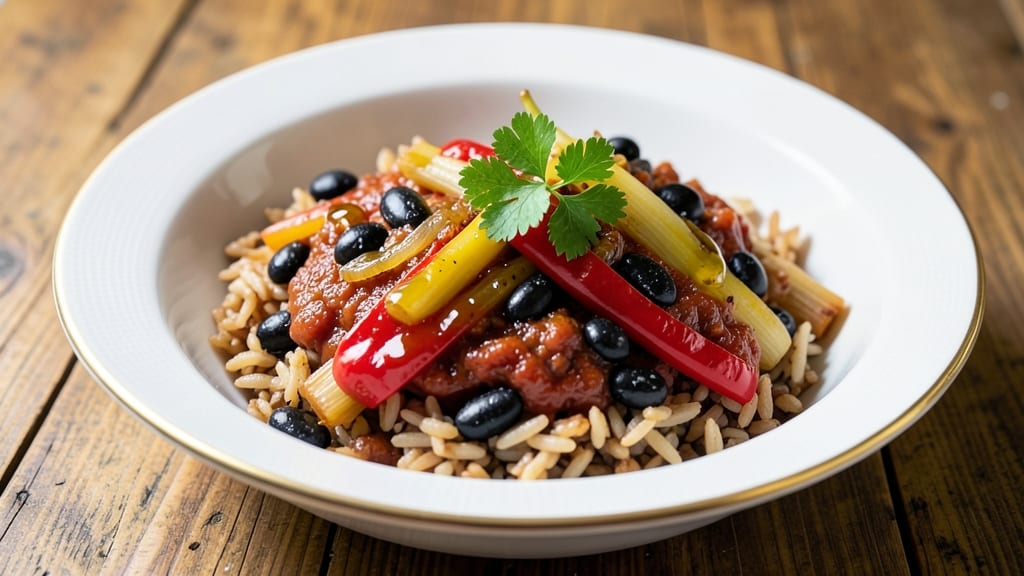
This vegetarian Cajun rice and beans recipe delivers bold, smoky flavors in a single pot—packed with protein-rich black beans, hearty rice, and a blend of spices that mimic traditional Cajun seasoning without meat.
The key lies in sautéing aromatic vegetables first, then letting the spices infuse deeply as the rice and beans simmer together into a cohesive, flavorful dish.
What sets this apart is the balance of textures—creamy beans, fluffy rice, and tender bell peppers—all tied together with a finish of fresh herbs. Ready in under 45 minutes, it’s perfect as a standalone meal or alongside cornbread and greens.
The one-pot simplicity makes it ideal for weeknight dinners or meal prep, while the spices deliver that signature Cajun kick without relying on meat.
Ingredients for cajun rice and beans recipe vegetarian
Packed with protein-rich black beans, aromatic vegetables, and a bold Cajun spice blend—this vegetarian one-pot delivers restaurant-quality flavor in 45 minutes.
| Ingredient | Amount | Notes |
|---|---|---|
| Long-Grain White Rice 🍚 | 1 cup | Uncooked, preferably basmati or jasmine |
| Black Beans 🌱 | 1 ½ cups | Cooked, canned drained or dried soaked |
| Bell Peppers 🧅 | 1 whole | Green or red, diced into 1/2-inch pieces |
| Yellow Onion 🧅 | 1 whole | Medium, finely chopped |
| Garlic Cloves 🧄 | 4 cloves | Fresh, minced |
| Celery Stalks 🥬 | 2 whole | Fresh, finely chopped |
| Vegetable Broth 💧 | 2 cups | Low-sodium preferred |
| Cajun Seasoning 🌶️ | 2 tbsp | Homemade or store-bought (check for no added meat) |
| Smoked Paprika 🌶️ | 1 tbsp | For authentic smoky depth |
| Dried Thyme 🌿 | 1 tsp | Or 1 tbsp fresh thyme |
| Bay Leaves 🌿 | 2 whole | Fresh or dried |
| Fresh Cilantro 🌿 | ¼ cup | Chopped, for garnish |
| Extra-Virgin Olive Oil 🫒 | 2 tbsp | For sautéing vegetables |
| Lemon Juice 🍋 | 1 tbsp | Freshly squeezed |
| Salt 🧂 | 1 ½ tsp | Adjust to taste |
| Black Pepper 🌶️ | ½ tsp | Freshly ground |
| Vegetable Oil 🫒 | 1 tbsp | For one-pot cooking |
The foundation starts with black beans—opt for low-sodium canned or dried for better flavor control. For the Cajun seasoning, I recommend McCormick or Tony Chachere's (both vegetarian-friendly), but if making your own, toast the spices first for deeper flavor. Bell peppers should be firm and vibrant—green or red both work, but red adds natural sweetness. The yellow onion and celery form the classic 'holy trinity' of Cajun cooking, so don't skip them. Whole Foods or Trader Joe's carry pre-chopped versions if you're short on time, but fresh is always better.
No Cajun seasoning? Mix 1 tbsp paprika, 1 tsp garlic powder, 1 tsp onion powder, 1/2 tsp thyme, 1/4 tsp cayenne for a quick substitute. Dried thyme works at one-third the amount of fresh, but fresh has more complexity. Vegetable broth can be swapped for water plus 1 tsp soy sauce if needed, though the umami difference is noticeable. For extra richness, stir in 1 tbsp nutritional yeast at the end—it mimics the cheesy depth often found in meat-based versions. The bell peppers can be roasted first for a smoky twist, though sautéing keeps this a true one-pot.
This dish tastes even better the next day as flavors meld. Store in an airtight container for up to 5 days in the fridge, or freeze portions for 3 months. For meal prep, double the batch—the rice stays fluffy when reheated gently with a splash of water. Garnish with fresh cilantro right before serving, as it wilts quickly when added earlier. The smoked paprika is key for that authentic Cajun aroma, so don't substitute it with regular paprika unless you're going for a milder profile.
Why You'll Love This Recipe
- One-Pot Magic: I swear by this recipe when I’m too tired to scrub pots—just toss everything in one skillet, let it simmer, and walk away. The rice soaks up all the smoky Cajun spices while the beans and peppers melt into a flavorful broth. No straining, no fuss.
- Smoky-Sweet Balance: That deep, earthy kick from the Cajun seasoning? It’s ridiculously good with the natural sweetness of the bell peppers and onions caramelizing. Honestly, the garlic cloves sizzling at the end—crispy little bites of heaven—make this dish sing.
- Meal Prep MVP: Between us, this is my lunchbox lifesaver. Cook a big batch on Sunday, and you’ve got hearty, protein-packed lunches for days. The rice stays fluffy, the beans hold their shape, and the flavors only get better as it sits—perfect for busy mornings.
- Budget-Buster Winner: Black beans and rice are my wallet’s best friends, and this recipe stretches them into a full, satisfying meal. Bell peppers and onions add freshness without breaking the bank, and you’ll use up whatever spices you already have. Leftovers? Even better—freezer-friendly and just as tasty reheated.
Step-by-step instructions for Cajun rice and beans vegetarian
This one-pot method delivers restaurant-quality flavor with minimal cleanup—just follow the sequence precisely.
Sauté the Vegetable Base
Heat the 1 tablespoon vegetable oil in a large, heavy-bottomed pot over medium-high heat. Add the 1 whole yellow onion, 2 whole celery stalks, and 1 whole bell peppers, all chopped into small, even pieces. Cook for 5-6 minutes, stirring occasionally, until the vegetables begin to soften and the onion becomes translucent.
This initial step builds flavor by developing a solid foundation. The vegetables should release moisture and begin to caramelize slightly at the edges. If they stick, reduce the heat briefly and stir until they release. Once properly softened, add the 4 cloves garlic cloves and cook for another 30 seconds until fragrant—this prevents raw garlic flavor in your finished dish.
Season and Toast the Spices
Add the 2 tablespoons Cajun seasoning, 1 tablespoon smoked paprika, 1 teaspoon dried thyme, 1.5 teaspoons salt, and 0.5 teaspoon black pepper to the pot. Stir vigorously for 1 minute to toast the spices and release their aromatic oils. You'll notice the pot smell deeply smoky and earthy—this is where the authentic Cajun flavor develops.
Don't skip this step—properly toasting the spices ensures maximum flavor extraction. The spices should coat the vegetables evenly and begin to darken slightly. If they burn, reduce the heat immediately. After toasting, add the 2 whole bay leaves and stir once more to distribute them throughout the mixture.
Incorporate Rice and Black Beans
Add the 1 cup long-grain white rice and 1.5 cups black beans to the pot, stirring well to coat the rice with the spiced vegetable mixture. This ensures each grain absorbs the maximum amount of flavor. Cook for 2 minutes over medium heat, stirring constantly, until the rice begins to turn opaque and slightly translucent at the edges.
The rice should look dry and separate rather than clumping together. This step is critical for preventing mushy rice. If the mixture feels too dry, you can add 1-2 tablespoons of water at this stage, but don't overdo it—the rice will absorb the broth later. Once properly coated, add the 2 cups vegetable broth and bring to a gentle boil.
Simmer to Perfect Texture
Reduce the heat to low, cover the pot with a tight-fitting lid, and simmer for 20-25 minutes. The rice should absorb all the liquid and develop a fluffy texture. Check occasionally—you want to see just a few bubbles breaking the surface, indicating gentle cooking. If the rice seems undercooked after 20 minutes, add 2-3 tablespoons of water and continue cooking.
This slow cooking process allows the rice to absorb all the flavorful broth while maintaining its texture. The black beans should be heated through but still retain their shape. When the rice is tender and the liquid is mostly absorbed, remove the pot from heat and let it sit, covered, for 5 minutes. This resting period allows the rice to finish cooking evenly and develop its final texture.
Finish and Garnish
Remove the 2 whole bay leaves and discard them. Stir in the 2 tablespoons extra-virgin olive oil and 1 tablespoon lemon juice, then taste and adjust seasoning if needed. The dish should be rich with smoky, spicy notes and a bright citrus finish. For garnish, sprinkle with the 0.25 cup fresh cilantro, chopped finely for presentation.
Serve immediately while hot, with the cilantro adding a fresh contrast to the deep, smoky flavors. The one-pot method ensures all components cook together, creating a harmonious blend of textures and flavors. Each bite should deliver tender rice, hearty beans, and a perfect balance of Cajun spices—just like you'd find in a Louisiana kitchen.
Pro Tips For Making Cajun Rice And Beans Recipe Vegetarian
- SOAK BEANS OVERNIGHT: I learned this the hard way—skipping the soak means gummy beans that won’t break down, no matter how long you simmer. Rinse them first, then cover with water for at least 8 hours (or quick-soak: boil 2 minutes, then let sit 1 hour). Trust me, your rice won’t turn into mush later.
- SWEAT ONIONS LOW AND SLOW: After burning three batches of onions, I finally figured out: low heat is your friend. Cook them in 2 tablespoons of oil for 10 minutes until soft and translucent—no browning, just caramelized sweetness. This builds flavor without charring, and it’s the base of everything else.
- USE TWO POTS: This isn’t the prettiest method, but it’s the tastiest. Cook the rice separately in a 1:2 rice-to-water ratio (covered, 15 minutes off heat) while the beans simmer. Mixing them later keeps the rice from turning to glue—your future self will thank you.
- TOAST THE GARLIC: Sounds weird, but it works: crush the garlic cloves and fry them in the same oil as the onions for 30 seconds until golden. The nutty aroma cuts through the smoky Cajun spices and adds depth. Skip this, and you’re missing half the flavor.
Flavor customization for these flavors
Spice Level Control
Adjust the heat to your preference by modifying the cayenne content in your Cajun seasoning. For a mild version, reduce the cayenne by ½ teaspoon—this keeps the dish flavorful but approachable.
If you love heat, add an extra ¼ teaspoon cayenne or a pinch of red pepper flakes at the end. I often start with 1 teaspoon cayenne in my homemade blend, then taste as we go. 🌶️
Smoky Depth Boost
For an extra smoky flavor, swap ½ teaspoon of the smoked paprika with liquid smoke (just ¼ teaspoon). This adds a campfire-like depth without overpowering the dish.
Alternatively, char ½ of the bell pepper directly over a gas flame or grill before dicing—this imparts a subtle smokiness that elevates the Cajun profile. 🔥
Creamy Texture Options
Add richness by stirring in ¼ cup coconut milk or ½ cup Greek yogurt at the end for a creamy texture. This mimics the fatty element often found in meat-based versions while keeping it vegetarian.
For a vegan option, use unsweetened almond milk or silken tofu blended smooth. I recommend adding it in the last 5 minutes of cooking to prevent curdling. 🥥
Herb Variations
Swap out thyme for 1 teaspoon dried oregano for a Mediterranean twist, or add ½ teaspoon dried rosemary for an earthy depth. Fresh herbs like parsley or basil work beautifully as garnishes too.
I love finishing with chopped green onions for a bright contrast—their sharpness cuts through the smoky spices beautifully. 🌿
Protein Swaps
Boost protein by adding ½ cup cooked quinoa or ½ cup lentils to the pot. For a smoky kick, use ½ cup roasted chickpeas (tossed with ½ teaspoon smoked paprika before adding).
These additions keep the dish hearty while maintaining the one-pot convenience. I often use black-eyed peas for a Southern-inspired variation. 🌱
Acidity Balance
Enhance brightness with 1 extra tablespoon lemon juice or a splash of apple cider vinegar. For a tangy depth, stir in 1 teaspoon tomato paste during the sautéing stage—this adds umami without altering the dish's vegetarian nature. I find this especially helpful if the spices feel too heavy. 🍋
Nutrition facts
Frequently asked questions
Can I use brown rice instead of white rice in this recipe?
Brown rice adds fiber and a nutty flavor, but it requires 30-40 minutes of simmering time and 2.5 cups broth (instead of 2 cups). Start checking for doneness at 30 minutes—it should be tender but not mushy. The texture will be firmer than white rice, which works beautifully with the hearty beans.
What's the best way to make this recipe spicier?
Boost the heat by adding ½ teaspoon cayenne pepper or 1 teaspoon hot sauce at the end. For smoky heat, swap ½ teaspoon smoked paprika with liquid smoke (¼ teaspoon). Pro tip: Toast 1 teaspoon red pepper flakes with the spices in Step 2 for deeper flavor. Always taste as you go!
Can I prepare this dish ahead of time?
Yes! This recipe tastes even better the next day. Store in an airtight container for up to 5 days in the fridge. Reheat gently with 2 tablespoons water to restore moisture—never microwave dry. For freezing, portion into 1-month batches and thaw overnight in the fridge. The flavors meld beautifully over time!
What can I serve with vegetarian Cajun rice and beans?
Pair it with warm cornbread, collard greens with garlic, or grilled vegetables for a full Southern-inspired meal. For protein, add seared tofu or crispy chickpeas. A simple side salad with avocado and lime balances the smoky flavors perfectly. The one-pot nature makes it easy to serve family-style!
Why did my rice turn out mushy?
Mushy rice usually happens from overcooking or insufficient liquid absorption. Ensure you're using low heat during simmering and check for just a few bubbles at the surface. If the rice feels undercooked after 20 minutes, add 2-3 tablespoons water and cook 5 more minutes. Always rest covered for 5 minutes after cooking.