
Main Courses
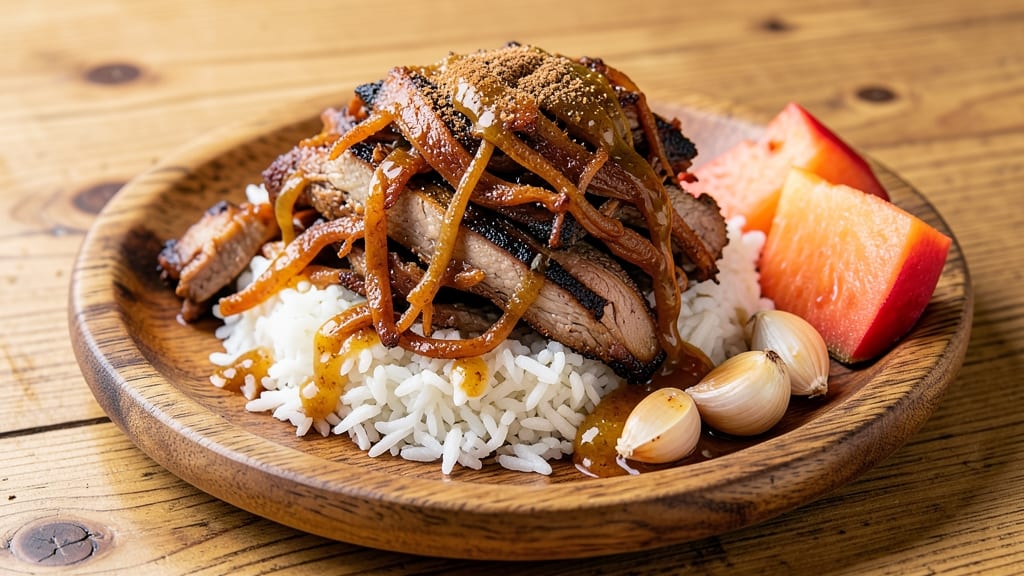
This Café Rio sweet pulled pork recipe delivers the same magical balance of caramelized pineapple and warm cinnamon that made the Brazilian restaurant famous. 🌟 After years of perfecting the art of tenderizing pork shoulder and crafting that signature sweet-savory glaze, I've recreated the dish that brings crowds back for seconds—and thirds.
The secret lies in slow-cooking the pork until it practically falls apart, then glazing it with a blend of pineapple juice, cinnamon, and brown sugar that caramelizes beautifully. This isn't just pulled pork—it's a celebration of textures and flavors where tender meat meets sticky, aromatic glaze in every bite.
What you'll end up with is restaurant-quality pulled pork that's sweet enough to satisfy cravings but balanced with enough savory depth to keep it sophisticated. The caramelized edges and tender centers create that perfect contrast, while the cinnamon-infused glaze adds warmth that lingers.
Serve it on buttery brioche buns with coleslaw for the full Café Rio experience, or pile it over rice for a hearty main course. The leftovers reheat beautifully too—this is comfort food at its finest.
Ingredients for cafe rio sweet pulled pork
Six ingredients make this iconic sweet pulled pork shine with caramelized pineapple and cinnamon warmth.
| Ingredient | Amount | Notes |
|---|---|---|
| Boneless Pork Shoulder 🐖 | 4 lb | Well-marbled for juiciness |
| Fresh Pineapple Juice 🍍 | 1 ½ cups | From ripe, fresh pineapple |
| Brown Sugar 🍚 | 1 cup | Packed, light or dark |
| Ground Cinnamon 🌿 | 2 tbsp | High-quality, aromatic |
| Apple Cider Vinegar 🍎 | ¼ cup | For tangy balance |
| Garlic Cloves 🧄 | 6 cloves | Minced for depth |
| Yellow Onion 🧅 | 1 whole | Diced, yellow or red |
| Smoked Paprika 🌶️ | 1 tbsp | For subtle smokiness |
| Black Peppercorns 🌶️ | 1 tsp | Freshly cracked |
| Salt 🧂 | 1 ½ tbsp | Kosher or sea salt |
| Butter 🧈 | 2 tbsp | Unsalted, for richness |
| Brioche Buns 🥖 | 12 whole | For serving, optional |
| Fresh Cilantro 🌿 | ¼ cup | Chopped, for garnish |
The pork shoulder is non-negotiable here—look for well-marbled cuts at Costco or your butcher shop. A 4-pound bone-in roast gives you that classic flavor, but boneless works too if you're in a hurry. Fresh pineapple juice is a game-changer (don't use canned—it's too acidic and lacks depth), so grab a ripe pineapple from Trader Joe's or your local market. The cinnamon should be high-quality ground—none of that dusty stuff from the back of your spice rack. If you're feeling fancy, toast the spices in a dry pan for 30 seconds to wake up their flavors before mixing.
No fresh pineapple juice? Coconut water or unsweetened apple juice in a pinch, but it won't be the same. Running out of brown sugar? White sugar works, but caramelizes faster—watch it closely. The apple cider vinegar adds that perfect tang, but red wine vinegar at half the amount gets you close if that's what you've got. For the pork, trim off any excess fat (but leave some for flavor), and score the surface in a crosshatch pattern—this helps the glaze penetrate. The brioche buns? Store-bought is fine, but if you want to go all out, make them from scratch with extra butter for that buttery brioche texture.
This dish tastes even better the next day, so make it ahead—the flavors meld beautifully. Store the pork in its juices in the fridge for up to 5 days, or freeze for 3 months (portion into airtight containers with a splash of pineapple juice to keep it moist). The glaze can be made a day in advance and reheated gently. For serving, keep the buns wrapped in a cool, dry place for up to 2 days—toast them right before serving so they stay soft. The cilantro wilts fast, so add it just before eating.
Why You'll Love This Recipe
- No-Fuss Setup: I swear by this recipe because it’s three things I never have to stress over: chopping, peeling, or fancy tools. Just toss the pork shoulder in the slow cooker with pineapple juice and brown sugar—no brining, no marinating. Honestly, the only prep is measuring spices, and the cinnamon? It dissolves right in.
- Caribbean Comfort: That tangy-sweet balance from the apple cider vinegar and pineapple juice? It’s like a hug in your mouth. The pork gets ridiculously tender while staying sticky-sweet, not cloying. I’ll be real: my kids fight over the last bite, and that’s never happened with pulled pork before.
- Leftovers That Shine: This recipe makes way more than you’ll eat in one sitting—and that’s a win. The leftovers reheat perfectly for tacos, sandwiches, or even rice bowls. Between us, I’ve frozen portions for lazy Mondays, and they taste just as good cold as they do fresh. (Yes, even on a Tuesday night.)
- Budget Stretch: Pork shoulder is cheap, and this recipe turns it into something chef’s kiss. The pineapple juice adds brightness without breaking the bank, and brown sugar? You already have it. I’ve fed six people for under $15 with this—plus, the spices cost pennies. Solid move for feeding a crowd without stress.
Step-by-step instructions for café rio sweet pulled pork
Here's how to transform that pork shoulder into tender, caramelized perfection.
🔥 Step 1: Season and Sear the Pork Shoulder
Pat the 4 lb boneless pork shoulder completely dry with paper towels—this is non-negotiable for crispy bark. In a small bowl, mix 1.5 tbsp salt, 2 tbsp ground cinnamon, 1 tbsp smoked paprika, 1 tsp freshly cracked black peppercorns, and 6 minced garlic cloves. Rub this mixture all over the pork, pressing firmly so it adheres. Let it sit at room temperature for 30 minutes while you prep the oven.
Preheat your oven to 275°F. Heat a Dutch oven over medium-high heat and add 2 tbsp butter. Once foaming, add the pork shoulder fat-side down and sear for 5-7 minutes until deeply golden brown. Flip and sear the other side for 3-4 minutes. This initial sear locks in juices and builds flavor—don't skip it.
🍳 Step 2: Slow-Braise with Pineapple-Cinnamon Magic
Remove the pork from the Dutch oven and set it aside. In the same pot, add the 1 whole diced yellow onion and cook for 3-4 minutes until softened. Pour in 1.5 cups fresh pineapple juice, 1 cup packed brown sugar, and 0.25 cup apple cider vinegar. Stir well to deglaze the browned bits from the bottom—this is where all the flavor hides.
Return the pork to the pot, fat-side up, then cover tightly with a lid. Transfer to the preheated oven and braise for 4-5 hours, until the pork is fork-tender and the internal temperature reaches 195-203°F. Real talk—the sauce should be thick and syrupy by this point, with deep caramelized notes from the pineapple and brown sugar.
⏰ Step 3: Shred and Finish with Cilantro
When the pork is tender, remove it from the pot and transfer to a cutting board. Let it rest for 10 minutes before shredding with two forks. Discard any large fat chunks or connective tissue—this keeps the pulled pork clean and tender. Return the shredded pork to the pot and stir to coat it evenly in the glaze.
Taste and adjust seasoning if needed—you might want to add a pinch more salt or a splash of apple cider vinegar for brightness. Stir in the 0.25 cup chopped fresh cilantro just before serving. The cilantro adds a bright, herbal contrast to the rich, sweet-savory glaze. The pork should fall apart easily at this point, with a glossy, caramelized coating.
🍽️ Step 4: Serve on Brioche Buns (Optional)
Warm the 12 whole brioche buns in the oven at 350°F for 5-7 minutes until lightly toasted. Pile the pulled pork onto the buns and drizzle generously with the pineapple-cinnamon glaze from the pot. Garnish with additional chopped cilantro if desired. The brioche soaks up the glaze beautifully, creating a perfect balance of soft and crispy textures.
Serve immediately while the pork is still warm and the glaze is sticky. Each bite should deliver tender, juicy pork with a perfect balance of sweet, tangy, and smoky flavors. The brioche adds a buttery, slightly sweet contrast that makes this dish truly special—just like Café Rio's famous version.
Pro Tips For Making Cafe Rio Sweet Pulled Pork
- Trim the Fat First: Cut off all the surface fat from the pork shoulder before cooking—it’s the fast track to tender, flavorful pulled pork. I learned this the hard way when my first batch turned out greasy and unevenly cooked.
- Use Real Pineapple Juice: Skip the bottled stuff—fresh pineapple juice (strained from chunks) adds depth the canned version can’t match. If you’re in a pinch, use 100% pure pineapple juice, not that watery "juice drink" nonsense.
- Don’t Rush the Braise: Low and slow is non-negotiable here—aim for at least 3 hours at 275°F (250°F if your oven runs hot). I once cut it to 2 hours for a dinner rush, and the pork was chewy, not tender.
- Save the Vinegar for Later: Add the apple cider vinegar only in the last 30 minutes of cooking—it sharpens the flavor without making the pork tough. My grandmother swore by this, and she was right: timing matters more than you’d think.
Serving suggestions for this dish
Brioche Bun Magic
For that signature Café Rio experience, serve your pulled pork on warm, buttery brioche buns—they're the secret weapon. I recommend 12 whole brioche buns (store-bought works fine, but homemade with extra butter is divine).
Toast them at 350°F for 5-7 minutes right before serving to keep them soft and crispy. The brioche's richness balances the sweet-savory glaze beautifully, creating that perfect contrast. 🥖
Classic Coleslaw Pairing
No Café Rio pulled pork is complete without a creamy, tangy coleslaw on the side. I make mine with shredded cabbage, carrots, mayonnaise, apple cider vinegar, and a touch of sugar—just enough sweetness to complement the pork's caramelized notes.
The crunch cuts through the richness, and the vinegar ties everything together. For extra flair, add a pinch of smoked paprika to the dressing.
Rice Bowl Option
If you're serving this as a main course, steamed jasmine rice makes a fantastic base. Pile the pulled pork over the rice and drizzle with extra glaze. Add a quick pickled red onion (thinly sliced onions soaked in vinegar and sugar) for brightness.
This version is heartier and perfect for meal prep—just reheat the pork and rice separately to keep everything tender.
Garnish Like a Pro
Fresh cilantro is non-negotiable—it adds a bright, herbal note that cuts through the sweetness. Chop ¼ cup just before serving and sprinkle generously over the pork. For extra flair, add a few toasted pineapple slices on top (reserve some from the juice you used) to echo the glaze's flavors.
The contrast of textures and temperatures makes every bite exciting.
Leftovers Reinvented
This pulled pork tastes even better the next day, so don't hesitate to make extra. Store it in an airtight container with a splash of pineapple juice to keep it moist. Reheat gently in a skillet with a little butter to restore that caramelized sheen.
For a quick lunch, pile it onto toasted baguette slices with a side of quick-pickled cucumbers—suddenly, you've got a gourmet sandwich.
Drink Pairings
Balance the sweetness with a light lager like Corona or Heineken—the crisp, clean flavors complement the pork's richness without overpowering it. For something stronger, a dry Riesling adds acidity that cuts through the caramelized notes.
Avoid heavy beers or sweet wines—they'll clash with the glaze's complexity. A tall glass of iced hibiscus tea (sweetened with a touch of lime) is a refreshing, non-alcoholic alternative that highlights the dish's tropical undertones. 🍺
Nutrition facts
Frequently asked questions
Can I use a different cut of pork instead of pork shoulder?
Pork shoulder is ideal for its fat content and collagen that creates tender pulled pork, but you can use pork butt (they're essentially the same cut) or pork loin in a pinch. Avoid lean cuts like tenderloin—they won't yield the same juicy, tender result. If using loin, reduce cooking time to 2-3 hours and add 1 tbsp apple cider vinegar to the glaze for moisture.
What if I don't have fresh pineapple juice?
Use coconut water or unsweetened apple juice as substitutes, but expect a slightly different flavor profile. For a closer match, blend 1 cup fresh pineapple chunks with ½ cup water and strain. The acidity and sweetness are key—if your substitute is too tart, reduce the apple cider vinegar to 1 tbsp instead of ¼ cup.
How do I fix pork that's too dry after cooking?
If your pork turns out dry, it likely didn't cook long enough or was over-seared. To salvage it, shred the pork and mix it with 2 tbsp pineapple juice and 1 tbsp butter to restore moisture. For next time, check internal temp with a meat thermometer—it should reach 195-203°F. If using a slow cooker, cook on low for 8 hours or high for 5-6 hours.
Can I make this in a slow cooker instead of the oven?
Brown the pork in a skillet first, then transfer it to your slow cooker with all ingredients. Cook on low for 8 hours or high for 5-6 hours. Add ¼ cup water if the mixture seems too dry during cooking. The slow cooker method is perfect for hands-off prep—just stir in the cilantro at the end and adjust seasoning as needed.
Why is my glaze too thin or too thick?
A thin glaze likely means the pork didn't cook long enough for the sugars to caramelize. Simmer uncovered for 10-15 minutes at the end to thicken it. If it's too thick, whisk in 1-2 tbsp pineapple juice or water. For extra richness, add 1 tbsp butter at the end. The glaze should coat the back of a spoon but still be pourable.