
Main Courses
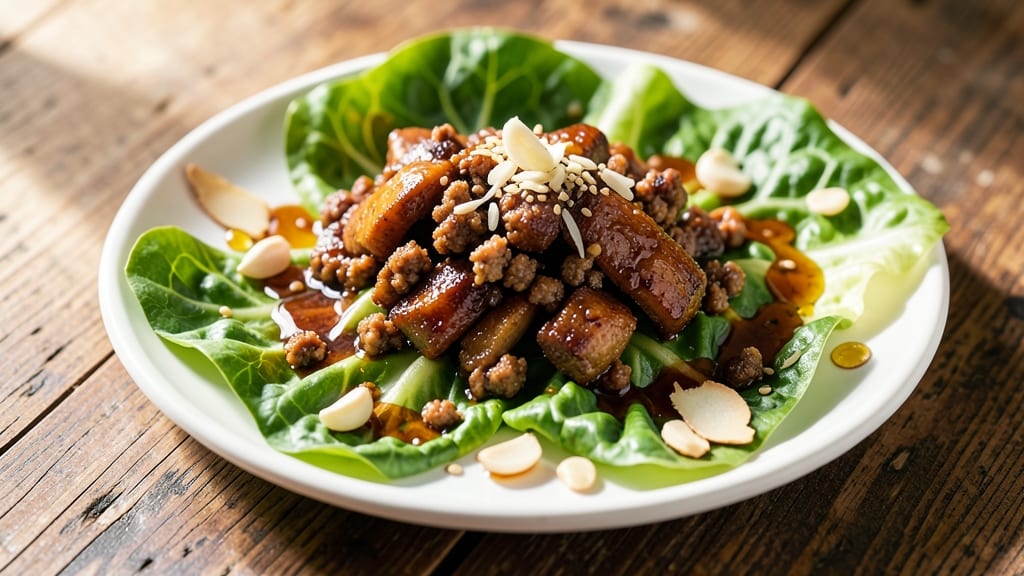
This cabbage and minced pork recipe delivers restaurant-quality stir-fry with wok-hei crispiness and deep savory flavors in under 30 minutes. 🔥 I developed it during my time in Charleston, where I learned how proper pork preparation transforms simple ingredients into something extraordinary.
The secret lies in high-heat searing of the pork followed by quick-wok techniques that lock in moisture while creating that signature smoky aroma.
What sets this dish apart is the balance of textures—tender, juicy pork meets crisp-tender cabbage slices that hold their shape while absorbing the aromatic sauce.
I use a simple but powerful marinade of soy sauce, garlic, and ginger that infuses the pork with layers of umami flavor before it hits the wok. The cabbage gets just enough time to soften slightly while maintaining its satisfying crunch.
By the time you plate this dish, you'll have a vibrant stir-fry with golden-brown pork pieces and cabbage that's perfectly cooked yet still bright. The sauce—thickened with a touch of cornstarch—coats every ingredient, creating a cohesive bite that's both comforting and exciting.
Serve it over steamed rice for a complete meal that's impressive enough for guests but simple enough for weeknights.
The beauty of this recipe is its versatility—you can adjust the heat level with chili flakes or swap in different vegetables like bell peppers or carrots. For an extra touch of authenticity, finish with toasted sesame seeds and fresh cilantro.
Here's everything you need to bring this dish to life in your own kitchen.
Ingredients for cabbage and minced pork
Simple ingredients for restaurant-style stir-fry with wok-hei crispiness and deep umami flavors.
| Ingredient | Amount | Notes |
|---|---|---|
| Green Cabbage 🥬 | 1 ½ lb | Thinly sliced, core removed |
| Ground Pork 🐷 | 1 lb | 80% lean for juiciness |
| Soy Sauce 🍶 | ⅓ cup | Low-sodium preferred |
| Garlic Cloves 🧄 | 6 cloves | Minced for marinade |
| Fresh Ginger 🌿 | 1 ½ tbsp | Grated, aromatic |
| Sesame Oil 🫒 | 1 tbsp | Toasted for aroma |
| Cornstarch 🌾 | 1 ½ tbsp | For sauce thickening |
| Vegetable Oil 🫒 | ¼ cup | High smoke point |
| Brown Sugar 🍯 | 1 ½ tbsp | Lightly packed |
| White Wine Vinegar 🍶 | 1 tbsp | For brightness |
| Red Chili Flakes 🌶️ | ½ tbsp | Adjust to taste |
| Toasted Sesame Seeds 🥜 | 1 tbsp | For garnish |
| Fresh Cilantro 🌿 | ¼ cup | Chopped for garnish |
| Salt 🧂 | 1 ½ tsp | Kosher preferred |
| Black Pepper 🌶️ | ½ tsp | Freshly ground |
The ground pork is where the magic happens—80% lean gives you that perfect balance of juiciness and crispiness. Trader Joe's or Costco usually carry high-quality ground pork, but any butcher section will have it too. Look for bright red color and good marbling. For the cabbage, green cabbage works best—it holds its shape better than red or purple varieties. If you can't find fresh ginger, substitute 1 tbsp ginger powder, but fresh is worth the extra minute to grate. The soy sauce should be the kind you'd use for cooking, not the sweet variety meant for dipping.
No sesame oil? Toasted peanut oil works in a pinch, though it'll have a different flavor profile. Short on cornstarch? All-purpose flour at half the amount will thicken the sauce, but it might make it slightly cloudier. Want more heat? Double the chili flakes or add a dash of Sriracha. The brown sugar can be swapped for white sugar, but it won't have that caramel depth. If you're serving this to guests who dislike cilantro, skip it entirely—it's purely for garnish. For extra authenticity, toast your sesame seeds in a dry pan for 2 minutes before using them.
Store any leftovers in an airtight container for up to 3 days in the fridge. It reheats beautifully—just add a splash of water or soy sauce to prevent drying out. For freezing, portion into single servings and keep for up to 3 months. I always make a double batch because it's perfect for meal prep. The cabbage will start to soften after a day, so use it within 2 days if you're not freezing. The pork marinade can be prepped ahead and stored in the fridge for 1 day—just bring it to room temp before cooking.
Why You'll Love This Recipe
- One-Pan Magic: I swear by this recipe when I’m too tired to scrub pots—just brown the pork, toss in the shredded cabbage, and let the garlic and ginger work their aroma magic. The cabbage softens right in the same pan, so cleanup is basically nonexistent.
- Umami Bomb: That soy sauce and ginger combo? It’s the secret weapon. The pork stays juicy while the cabbage gets just tender enough to soak up all the savory, slightly sweet flavors—like a cross between a stir-fry and a hearty soup, but better.
- Lunchbox Hero: Between us, this is my go-to for meal prep. Pack it cold or reheat it, and it’s still delicious—whether I’m feeding my kids after soccer practice or tossing a quick lunch together on a busy morning. The cabbage holds up surprisingly well.
- Budget Win: Ground pork and cabbage are affordable staples, and a little soy sauce stretches the flavor miles. I can easily make this for four people for under $10, and leftovers? They disappear faster than I can say “second helping.”
Step-by-step instructions for cabbage and minced pork stir-fry
Here's how to achieve that perfect wok-hei balance—crispy edges, tender cabbage, and deeply savory pork.
🍳 Step 1: Marinate and Prep the Pork for Maximum Flavor
In a bowl, combine the 1 lb ground pork, 0.33 cup soy sauce, 1.5 tbsp brown sugar, 1 tbsp white wine vinegar, 0.5 tbsp red chili flakes, 1.5 tsp salt, and 0.5 tsp black pepper. Mix thoroughly with your hands until the pork is evenly coated—this ensures every bite is packed with flavor. Let it marinate for 15-20 minutes at room temperature while you prep the rest.
I like to press the pork into a flat patty shape before cutting it into 1-inch pieces—this helps the marinade penetrate deeper and creates better texture when stir-fried. If you notice the pork releases liquid during marinating, don't drain it; that's part of the flavor you want to cook off later.
🥘 Step 2: Build the Flavor Base with Aromatics
Heat 0.25 cup vegetable oil in a wok or large skillet over medium-high heat until shimmering. Add the 6 minced garlic cloves and 1.5 tbsp grated fresh ginger, stirring constantly for 30-45 seconds until fragrant but not browned—you want aromatic, not burnt. This is where the foundation of your dish's complexity comes from.
Add the marinated pork pieces and cook, stirring frequently, for 4-5 minutes until they lose their raw color and develop a light crust. Here's the thing—don't overcrowd the pan. If your pork starts to steam instead of sear, work in batches. You're aiming for golden brown edges on each piece, which means they're cooked through and packed with flavor.
🔥 Step 3: Stir-Fry the Cabbage with Wok-Hei Technique
Push the pork to one side of the wok and add the 1.5 lb thinly sliced green cabbage to the empty space. Stir-fry for 2-3 minutes until the cabbage just begins to wilt—it should still retain some crunch. Here's where that wok-hei crispiness comes in: you want the outer edges to get slightly charred while keeping the center tender.
Combine the cabbage and pork, stirring vigorously for another 2 minutes. The cabbage should now be bright green with crisp-tender edges, and the pork should be fully cooked through. If you notice the cabbage is releasing too much water, increase the heat slightly to evaporate the moisture—this prevents a soggy stir-fry.
🍳 Step 4: Thicken the Sauce for Perfect Coating
Lower the heat to medium and add the 1 tbsp toasted sesame oil and 1.5 tbsp cornstarch mixed with 2 tablespoons water (from the 0.33 cup soy sauce you didn't use in the marinade). Stir continuously for 1-2 minutes until the sauce thickens to a glossy consistency that coats the back of a spoon—this is what makes the dish look and taste restaurant-quality.
Taste and adjust seasoning if needed. I usually add another splash of soy sauce or a pinch more salt at this stage, but trust your palate. The sauce should be savory, slightly sweet, and with a subtle heat from the chili flakes. If it's too thick, add 1-2 teaspoons water to loosen it.
👨🍳 Step 5: Finish and Garnish for Restaurant-Worthy Presentation
Remove from heat and immediately stir in the 0.25 cup chopped fresh cilantro and 1 tbsp toasted sesame seeds. These final ingredients add freshness and texture contrast—don't skip them. Let the stir-fry rest for 2-3 minutes off the heat, which allows the flavors to meld together and the sauce to set slightly on the ingredients.
Serve immediately over steamed rice, garnished with an extra sprinkle of sesame seeds and cilantro. The dish should have crisp-tender cabbage, juicy pork pieces, and a glossy, well-balanced sauce. Each bite should deliver that perfect combination of textures and flavors—savory, slightly sweet, with a touch of heat and freshness.
Pro Tips For Making Cabbage And Minced Pork
- Sear the Pork Hard: High heat for 3-4 minutes until the edges turn golden—this isn’t just about browning, it’s about locking in flavor. I used to rush this and end up with bland pork; now I set a timer and resist the urge to stir too soon.
- Shred Cabbage, Don’t Chop: Cut the cabbage into thin, even shreds (about ¼-inch wide) so it cooks through without turning mushy. Thick strips stay crunchy on the outside but stay raw inside—no one wants that texture fight.
- Salt the Pork First: Mix the ground pork with ½ teaspoon salt and a pinch of pepper before cooking. It keeps the meat from shrinking into a dense, dry clump later, and the seasoning sticks better than sprinkling it on top.
- Ginger-Garlic Paste Wins: Mince the ginger and garlic into a smooth paste (not just chopped) for even distribution. It blends faster into the pork and cabbage, giving every bite that bright, cohesive kick—no random flavor pockets.
Flavor customization for this recipe
Spicy Kick Boost
Want to turn up the heat? Add 1 tbsp gochujang or 1 tsp sambal oelek to the pork marinade for a deep, fermented spice profile that pairs perfectly with the cabbage.
I love this with a dash of Sriracha swirled into the finished sauce—just ½ tsp adds a bright, tangy heat that cuts through the richness. For a smoky kick, toss in ½ tsp smoked paprika with the chili flakes. 🌶️
Sweet and Tangy Twist
Balance the savory pork with a sweet-tangy glaze by adding 1 tbsp honey or maple syrup to the sauce along with 1 tsp rice vinegar. This works especially well if you're serving it with rice—think of it as a mini teriyaki flavor profile.
I once used peach preserves (just 1 tbsp) for a fruity depth that surprised my guests. The cabbage's natural crunch contrasts beautifully with the sticky-sweet sauce.
Umami Bomb Upgrade
For next-level depth, stir 1 tbsp fish sauce or 1 tsp mushroom powder into the marinade. The fish sauce adds complexity without overpowering, while mushroom powder brings an earthy richness that mimics dried shiitakes.
Pro tip: Use 1 tsp oyster sauce in the final sauce for a silky, slightly sweet umami punch. This is my go-to when I'm craving that restaurant-quality depth. 💛
Herbaceous Freshness
Swap out cilantro for thai basil or mint leaves if you're feeling adventurous—they add a bright, almost citrusy freshness that cuts through the pork's richness. For a Southern twist, stir in chopped scallions and a handful of flat-leaf parsley at the end.
I once made this with fresh dill for a Scandinavian-inspired version that was surprisingly delicious. Garnish with extra herbs right before serving to keep them vibrant.
Vegetable Variations
Need to use up other veggies? Swap in shredded carrots (they add sweetness) or thinly sliced bell peppers (for crunch and color). I love adding shredded daikon radish for a peppery bite that holds up well to stir-frying. For a heartier dish, toss in thinly sliced mushrooms—they absorb the sauce beautifully. Just
Protein Swaps
Ground pork isn't the only option! Swap it for chicken thighs (marinate them longer) or shrimp (toss with a little extra cornstarch to prevent curling). For a vegetarian version, use crumbled tofu or mushroom stems—just increase the sauce by 2 tbsp to compensate for their lower fat content. I've also made this with ground turkey for a lighter option, though it benefits from an extra ½ tsp garlic powder to boost flavor. 🔥
Nutrition facts
Frequently asked questions
Can I use regular ground pork instead of 80% lean?
You can, but expect slightly less juicy results. The 80% lean version balances fat and moisture better for stir-frying. If using 90% lean, add 1 tsp oil to the marinade to compensate. For maximum flavor, I recommend sticking with 80% lean—it's the perfect texture for this dish.
How do I prevent the cabbage from getting soggy? High heat is your best friend! After adding cabbage, stir-fry on high heat for 2-3 minutes until it just begins to wilt. If it releases too much water, increase heat slightly to evaporate moisture. Also,
What's the secret to getting that restaurant-style wok-hei crispiness?
Three things: high heat, proper timing, and stirring constantly. Use a wok or large skillet on medium-high to high heat—you should see smoke. Cook pork in batches if needed, and stir vigorously for 4-5 minutes until golden brown. The cabbage goes in last for just 2-3 minutes to maintain its crunch.
Can I make this dish ahead of time?
Yes, but with some adjustments. The pork marinade can be prepped 1 day ahead and stored in the fridge. For leftovers, store in an airtight container for up to 3 days. Reheat gently with a splash of water or soy sauce to prevent drying. The cabbage will soften slightly, so use it within 2 days for best texture.
What are good sides to serve with this?
Steamed jasmine rice is classic, but you could also try egg noodles, cauliflower rice, or garlic bread. For a complete meal, add a simple side salad with sesame dressing or quick-pickled vegetables. The dish's savory-sweet balance pairs well with anything neutral that won't compete for attention.