
Side Dishes
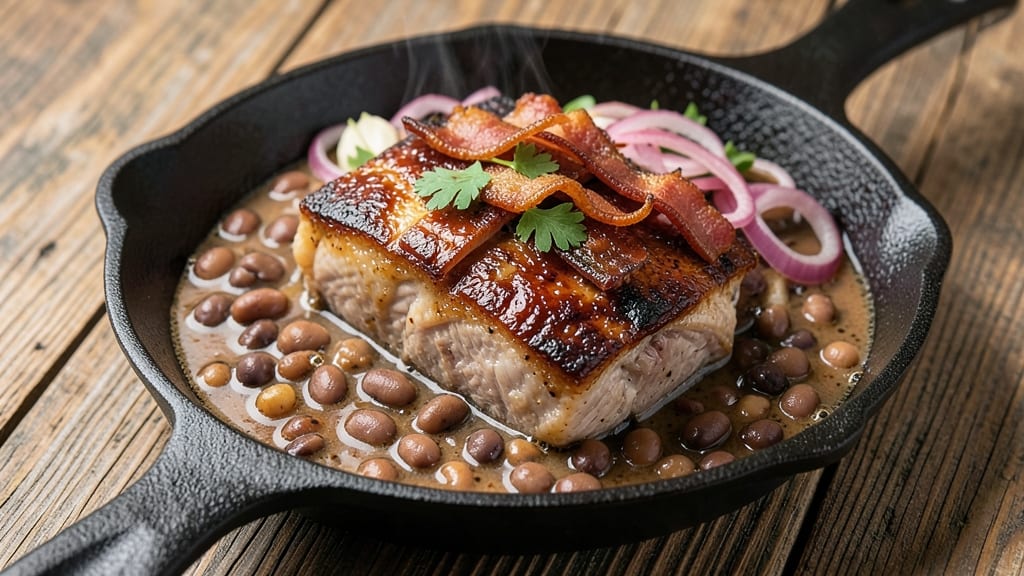
This Bush's pork and beans recipe brings back the comforting, smoky-sweet flavors of a Southern classic that's been feeding families for generations. The secret lies in slow-cooking pork with beans until the meat practically melts off the bone, creating a rich, hearty dish that tastes like home.
I've spent years perfecting this recipe—starting with my grandmother's cast iron pot and now adapting it for modern kitchens.
The beauty of this dish is its versatility. You can use bacon, ham hock, or tenderloin for the pork, and traditional ingredients like molasses and mustard build that signature depth of flavor.
The slow-cooking process transforms tough cuts into tender, flavorful pieces that blend seamlessly with the beans and broth, creating a dish that's both comforting and satisfying. It's the kind of meal that warms you from the inside out.
What makes this recipe special is how it balances simplicity with rich flavor. With just a few key ingredients and a little time, you'll have a dish that rivals the canned version—only better, because it's made with fresh, high-quality pork and real spices.
The result is a hearty, smoky-sweet stew that's perfect for a weeknight dinner or a gathering with friends and family.
Whether you're using a slow cooker, Instant Pot, or stovetop, this recipe delivers restaurant-quality results with minimal effort. The slow-cooking method ensures the pork stays tender and the beans soak up all the flavorful juices, creating a dish that's as delicious as it is easy to make. Let's get started!
Ingredients for bush's pork and beans
Six core ingredients transform into a smoky-sweet Southern classic that rivals canned versions.
| Ingredient | Amount | Notes |
|---|---|---|
| Pork Shoulder (or Boston Butt) 🥓 | 3 lb | Cut into 1-inch cubes, bone-in preferred |
| Smoked Bacon 🥓 | ½ lb | Diced, thick-cut preferred |
| Dried Navy Beans 🌱 | 2 cups | Soaked overnight or quick-soaked |
| Yellow Onion 🧅 | 1 whole | Diced, medium yellow preferred |
| Garlic Cloves 🧄 | 4 cloves | Minced, fresh preferred |
| Molasses 🍯 | ¼ cup | Unsulphured, dark preferred |
| Dijon Mustard 🍯 | 2 tbsp | High-quality, smooth texture |
| Apple Cider Vinegar 🍎 | 2 tbsp | Bottled, not pasteurized |
| Chicken Broth 💧 | 4 cups | Low-sodium, homemade preferred |
| Tomato Paste 🍅 | 2 tbsp | Smooth, no salt added |
| Brown Sugar 🍚 | ¼ cup | Light or dark preferred |
| Smoked Paprika 🌶️ | 1 tsp | High-quality, not sweet |
| Ground Black Pepper 🌶️ | ½ tsp | Freshly ground preferred |
| Salt 🧂 | 1 ½ tsp | Kosher or sea salt |
| Fresh Thyme Leaves 🌿 | ½ tsp | Dried works at 1/3 amount |
The pork shoulder is the heart of this dish. Look for well-marbled cuts at your local butcher shop or Costco—it makes the meat tender and flavorful. If you can't find pork shoulder, Boston butt works just as well. The bacon adds that signature smoky depth, so thick-cut, smoked bacon from the deli section is worth the splurge. For beans, dried navy beans are traditional, but Great Northern or pinto beans work too. Soak them overnight for best texture, or use the quick-soak method if you're short on time. The molasses and mustard combo is non-negotiable—unsulphured molasses ensures no bitter aftertaste, and Dijon mustard adds tang without overpowering.
No molasses on hand? Maple syrup or dark corn syrup work in a pinch, though molasses gives that authentic smoky flavor. Short on bacon? Smoked sausage or ham hock adds depth, but reduce the salt since those are often cured. The tomato paste can be swapped for crushed tomatoes if you prefer—just reduce the liquid slightly. For the broth, homemade chicken broth is ideal, but low-sodium store-bought works too. If you're using dried thyme, measure it at one-third the amount of fresh. The spices are simple but essential—smoked paprika gives that campfire flavor, while the thyme rounds out the earthiness. Don't skip the apple cider vinegar; it brightens everything up.
This dish tastes even better the next day as the flavors meld. Store leftovers in the fridge for 4-5 days or freeze for up to 3 months. I like to portion it into containers so I can grab a serving for lunch—just reheat with a splash of water or broth. The beans will thicken as they cool, so add a little extra liquid if it's too stiff. For serving, a sprinkle of fresh parsley or a dollop of sour cream adds brightness. If you're making this ahead, pre-cook the beans and store them separately until ready to combine with the pork—it keeps everything fresher longer.
Why You'll Love This Recipe
- Slow-Cooker Magic: I swear, throw in the pork shoulder, a handful of bacon, and some onions—no fancy prep—and by dinnertime, it’s fall-apart tender. The beans soak overnight (or you use canned, no shame), and the rest? Just set it and forget it.
- Smoky, Savory Bomb: That crispy bacon mixed with the deep, caramelized pork shoulder? It’s like a hug in a bowl. The garlic and onions mellow into sweetness, while the navy beans hold their shape—just enough bite to keep it interesting.
- Tailgate to Tuesday: Serve it in a cast-iron skillet for a crowd or pack it in a thermos for a picnic. My college-aged son takes it to football games, and my mom makes it for church dinners. It’s the kind of dish that fits everywhere without trying too hard.
- Budget Stretch King: A pork shoulder feeds six for under $20, and the bacon adds richness without breaking the bank. Leftovers? Even better cold in sandwiches or reheated with a splash of broth—this recipe pays for itself twice over.
Step-by-step instructions for Bush's pork and beans recipe
Master this smoky-sweet classic with precise timing and flavor balance.
Prepare the Pork and Beans
Cut the 3 lb pork shoulder into 1-inch cubes, leaving the bone in for extra flavor. In a large Dutch oven or heavy pot, combine the pork with the 2 cups dried navy beans. Add the 1 whole yellow onion (diced) and 4 cloves minced garlic cloves. This creates the flavor base that will infuse throughout the cooking process.
Real talk: Don't skip the bone-in pork—it adds depth of flavor that boneless cuts can't match. If using dried beans, give them a quick rinse to remove any debris before adding to the pot. This step ensures your beans absorb the pork's rich flavors instead of competing with them.
Build the Flavor Foundation
Add the 0.5 lb diced smoked bacon to the pot along with the 2 tbsp Dijon mustard, 2 tbsp apple cider vinegar, and 2 tbsp tomato paste. Stir everything together to coat the pork and beans evenly. The bacon will render fat as it cooks, creating a flavorful base for the entire dish.
Here's where it gets fun—the vinegar and mustard work together to create a tangy backbone for the sweet molasses and brown sugar we'll add later. Don't be tempted to rush this step; let the ingredients meld for at least 2 minutes while you prepare the next components.
Add Liquids and Seasonings
Pour in the 4 cups chicken broth, 0.25 cup molasses, 0.25 cup brown sugar, and 1 tsp smoked paprika. Stir well to combine all ingredients. Add the 1.5 tsp salt, 0.5 tsp ground black pepper, and 0.5 tsp fresh thyme leaves. The mixture should smell rich and complex—like a perfect balance of smoky, sweet, and savory notes.
This is the moment that matters: The molasses and brown sugar will caramelize during cooking, creating that signature deep color and sweet-savory flavor. If your thyme is fresh, give it a gentle chop before adding to release more aroma. The broth should just cover all ingredients—if it looks too thin, add a splash of water.
Slow Cook to Tender Perfection
Bring the mixture to a boil over medium-high heat, then reduce to a simmer. Cover partially and cook for 2.5 to 3 hours, stirring occasionally. You're aiming for the pork to become fork-tender and the beans to be completely softened. The sauce should thicken gradually as the beans break down and release starch.
I know it seems like a long time, but this slow cooking process is what creates that melt-in-your-mouth texture. Check the liquid level occasionally—if it gets too low, add a little more broth or water to prevent burning. The beans should be tender but still hold their shape, not mushy.
Adjust and Serve
Once the pork is fork-tender (it should pull apart easily) and the beans are fully cooked, taste and adjust seasoning. You might need to add a pinch more salt or a splash of vinegar to balance the sweetness. The final dish should have a rich, smoky-sweet flavor with tender pork and beans in a thick, flavorful sauce.
Serve immediately with crusty bread or over rice. This dish tastes even better the next day as the flavors continue to develop. Store leftovers in the refrigerator for up to 5 days or freeze for up to 3 months. The longer it sits, the more complex the flavors become—just like classic recipes should be.
Pro Tips For Making Bush'S Pork And Beans
- CUT PORK IN CHUNKS: Ditch the whole slab—trim the pork shoulder into 1.5-inch chunks before browning. Smaller pieces cook faster and absorb the bacon-onion gravy better, so you won’t end up with a chewy center while the edges turn to leather.
- SOAK BEANS OVERNIGHT: Skip the quick-soak hacks. Navy beans need a full 12 hours in cold water to soften properly, especially if you’re using dried. Drain and rinse right before adding them to the pot—this prevents a gummy texture that ruins the whole dish.
- BROWN THE BACON FIRST: Cook the bacon until it’s crisp, then pull it out and set it aside. The rendered fat is liquid gold—use it to sear the onions and pork instead of adding extra oil. This adds depth without making the beans greasy.
- LOW AND SLOW WINS: After the initial simmer, drop the heat to a bare simmer (180°F) and cover the pot. Too much heat = tough pork and split beans. Let it cook for 3 hours, then check—if the beans are still firm, add 30 more minutes. Patience here makes the difference.
Perfect pairings for bush's pork and beans
Bread Pairings
Nothing beats this smoky-sweet pork and beans with a slice of warm, crusty cornbread—especially when it's made with a touch of honey or molasses for extra depth.
I love using a Jiffy corn muffin mix (just add eggs and milk) baked in a cast-iron skillet for that perfect smoky crust. For a heartier option, try hush puppies—they soak up the sauce beautifully. 🍞
If you prefer a more traditional Southern pairing, white buttermilk biscuits are a must. Brush them with extra butter and sprinkle with flaky sea salt before serving.
For a modern twist, I sometimes serve this dish with sourdough toast topped with a layer of sharp cheddar—the tang cuts through the richness perfectly.
Side Dish Harmony
To balance the richness, serve this dish with a crisp coleslaw made with a tangy vinegar-based dressing. I use shredded cabbage, carrots, and a pinch of cayenne for a little kick.
Another great option is roasted sweet potatoes tossed with olive oil, smoked paprika, and a sprinkle of brown sugar—it complements the molasses perfectly.
For a lighter option, a simple green salad with a red wine vinaigrette adds freshness. I like to toss mixed greens, cherry tomatoes, and thinly sliced red onions for a pop of color and crunch.
If you're serving this at a gathering, pickled okra or jalapeños add a tangy contrast that keeps everyone reaching for seconds.
Drink Pairings
A cold sweet tea is the classic Southern pairing for pork and beans—just make sure it's unsweetened so the flavors don't compete. For something stronger, a bourbon cocktail like a Southern Sweet Tea Mule (bourbon, ginger beer, and a splash of lemon) adds a sophisticated touch.
I also love a light lager, like Miller Lite or Coors, to cleanse the palate between bites.
If you prefer wine, a dry Riesling or Pinot Noir works surprisingly well. The acidity in the Riesling cuts through the richness, while the Pinot Noir's earthiness complements the smoky flavors. For a non-alcoholic option, sparkling water with a lemon wedge keeps things refreshing without overpowering the dish.
Toppings and Garnishes
Just before serving, add a dollop of sour cream or crème fraîche to each bowl—it cools down the heat and adds a creamy contrast. A sprinkle of fresh parsley or green onions brightens the dish, while crushed red pepper flakes give those who love heat a little kick.
For extra richness, drizzle with a little hot honey—it’s a Southern favorite that ties everything together. 🍯
If you're feeling fancy, top with crumbled bacon or panko breadcrumbs toasted with a little butter. The crispy texture adds another layer of enjoyment. And if you have any pickled onions left over from another dish, they add a tangy crunch that’s hard to resist.
Nutrition facts
Frequently asked questions
Can I use canned beans instead of dried for this recipe?
For a quicker version, swap the 2 cups dried navy beans with 2 (15 oz) cans of navy beans, drained and rinsed. The texture will be slightly softer, but the flavor remains rich. Just reduce the cooking time by about 30 minutes since canned beans are pre-cooked. Dried beans create a heartier texture, but canned works beautifully for a faster meal.
What's the best cut of pork for this recipe?
For maximum flavor, use pork shoulder (Boston butt) cut into 1-inch cubes with bone-in for extra depth. If you prefer leaner meat, pork tenderloin works but may dry out faster—cut it into smaller pieces and reduce cooking time by 20 minutes. Ham hocks or smoked ribs also add wonderful flavor, though they require longer cooking times.
How do I fix it if the sauce is too thin or too thick?
If the sauce is too thin, simmer uncovered for 10-15 minutes to reduce it, or stir in 1 tbsp cornstarch mixed with 2 tbsp cold water. For a thicker sauce, add ½ cup water or broth and simmer until it reaches the right consistency. The beans will release starch as they cook, naturally thickening the sauce over time—don't rush this process.
Can I make this in an Instant Pot or slow cooker?
Yes! For the Instant Pot: Sauté pork, bacon, onion, and garlic, then add all ingredients and pressure cook for 30 minutes. Natural release for 10 minutes. For the slow cooker: Combine everything and cook on Low for 6-7 hours or High for 4-5 hours. Both methods yield tender pork and flavorful beans—just adjust times based on your preferred texture.
Why does my pork and beans taste bland?
Bland flavor usually means the seasoning needs balancing. Add a splash of apple cider vinegar (1-2 tbsp) for tang, or more smoked paprika (½ tsp) for depth. If the sweetness overpowers, add a pinch of salt or a squeeze of lemon. Let the dish rest 10 minutes before tasting—flavors develop as it sits. The molasses and mustard combo is key, so don't skimp on those!