
Main Courses
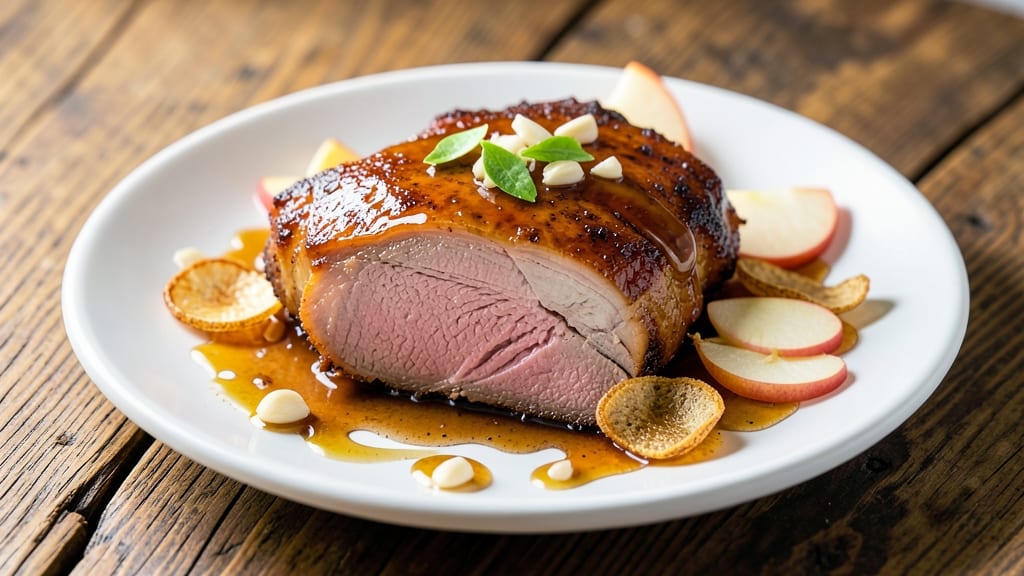
This brown sugar pork recipe delivers the kind of deep caramelized flavor that makes every bite unforgettable. 🔥 I developed it after years of perfecting the balance between sweet, smoky, and savory—something that transforms simple pork into a showstopper.
The secret lies in a slow-cooked glaze that locks in moisture while creating that signature sticky, glossy finish. What sets this apart is the two-stage cooking process: first searing the pork to build flavor, then braising it low and slow with brown sugar until the glaze becomes irresistibly thick.
This method works equally well with pork shoulder, tenderloin, or even ribs—each cut benefits from the same rich, sweet-tangy profile. By the time you're done, you'll have tender, fall-apart pork with a glossy glaze that clings to every bite.
The aroma alone will have everyone gathering at the table, and the contrast of caramelized edges with tender meat creates a texture that's impossible to resist. Serve with roasted sweet potatoes and a crisp green salad for a meal that feels both comforting and impressive.
Let's get started—your taste buds will thank you.
Ingredients for brown sugar pork
Sweet, smoky, and savory—just 14 ingredients unlock this showstopper pork recipe.
| Ingredient | Amount | Notes |
|---|---|---|
| Pork Shoulder 🐖 | 2 lb | Bone-in preferred for flavor |
| Brown Sugar 🍯 | ¾ cup | Light or dark, packed |
| Apple Cider Vinegar 🍏 | ¼ cup | For tangy depth |
| Soy Sauce 🥢 | ¼ cup | Low-sodium preferred |
| Garlic Cloves 🧄 | 6 cloves | Minced for even distribution |
| Fresh Ginger 🌿 | ½ cup | Finely grated, peeled |
| Olive Oil 🫒 | ½ cup | Extra-virgin for richness |
| Honey 🍯 | ¼ cup | Wildflower preferred |
| Kosher Salt 🧂 | 1 ½ tbsp | Diamond Crystal preferred |
| Ground Black Pepper 🌶️ | 1 tsp | Freshly ground |
| Smoked Paprika 🌶️ | 1 tsp | For smoky depth |
| Fresh Rosemary 🌿 | ¼ cup | Chopped, stems removed |
| Fresh Thyme 🌿 | ¼ cup | Leaves only, chopped |
| Water 💧 | ½ cup | For thinning glaze |
The pork shoulder is where it all starts. Bone-in cuts from Costco or local butchers have the best flavor and fat content for that caramelized crust. Look for cuts with good marbling—it renders into flavor during cooking. If you're using tenderloin instead, trim excess fat first (it's leaner). The brown sugar? Light or dark—your call, but dark adds a deeper molasses note. I always grab the Domino brand from the bulk section because it's consistent and affordable. Fresh ginger and garlic? Don't skimp. Trader Joe's sells pre-peeled ginger in small packages—perfect for this recipe.
No apple cider vinegar? Substitute with white vinegar or lemon juice, but reduce to 2 tbsp. Soy sauce can be swapped for coconut aminos if you're avoiding soy. Running low on honey? Maple syrup works 1:1, though it's less floral. The herbs—rosemary and thyme—can be dried at half the amount, but fresh gives that bright aroma. Smoked paprika gets tricky; Penzeys has the best quality, but any gourmet grocery store should carry a good brand. Pro tip: Toast your spices for 30 seconds in a dry pan before adding—they'll sing in this dish.
This glaze keeps for 1 week in the fridge, but the pork? That's the star. Wrap leftovers tightly in foil and store for 4 days. Freeze portions for 3 months—the glaze stays glossy when reheated. I always make extra glaze and freeze it separately; just add it back when reheating. The pork reheats beautifully in the oven at 300°F for 20 minutes, covered with foil. For serving, I like to slice against the grain and drizzle with extra glaze—trust me, it's worth the extra minute
Why You'll Love This Recipe
- One-Pan Magic: I swear by this—just dump everything on a sheet pan (pork shoulder, brown sugar, vinegar, soy sauce, crushed garlic) and let the oven do the work. No flipping, no fussing, no extra pots to wash.
- Sweet-Savory Balance: That caramelized brown sugar crust? It’s like a hug for your taste buds. The tangy vinegar cuts through the richness, and the garlic? Oh, it’s there—in the best way, making every bite feel like a little celebration.
- Weeknight to Potluck: Make it for yourself on a Tuesday night (it’s ready in under an hour) or double it for a crowd—it’s the kind of dish that disappears fast. I’ve brought this to BBQs, and honestly? It holds its own next to the smoker’s pride.
- Budget Stretch: Pork shoulder is my secret weapon—cheap, forgiving, and packed with flavor. A single cut feeds my family for days, and leftovers? Even better reheated the next day (yes, really). This is the recipe that makes grocery day feel like a win.
Step-by-step instructions for brown sugar pork with caramelized glaze
Here's how to transform simple pork shoulder into fall-off-the-bone perfection with that irresistible sticky glaze.
👨🍳 Step 1: Prep the Pork and Make the Dry Rub
Start by patting the 2 lb pork shoulder completely dry with paper towels—this is crucial for that crispy bark. Place it fat-side up on a cutting board and make shallow cuts in the fat every ½ inch to help the glaze penetrate later.
In a small bowl, combine 0.75 cup brown sugar, 1.5 tbsp kosher salt, 1 tsp ground black pepper, 1 tsp smoked paprika, 0.25 cup chopped fresh rosemary, and 0.25 cup chopped fresh thyme. Rub this mixture all over the pork, pressing it into the meat so it clings well. Let it sit at room temperature for 30 minutes while you prep the glaze ingredients.
🍳 Step 2: Cook the Aromatics and Build the Glaze Base
Heat 0.5 cup olive oil in a large Dutch oven over medium heat. Add 6 minced garlic cloves and 0.5 cup finely grated fresh ginger, cooking for 2-3 minutes until fragrant but not browned. You'll smell that wonderful aromatic punch—this is where the magic starts.
Pour in 0.25 cup apple cider vinegar and 0.25 cup soy sauce, scraping up any browned bits from the bottom. Let it simmer for 1 minute until slightly reduced. Then whisk in 0.25 cup honey and 0.5 cup water, stirring until smooth. This liquid glaze will become the irresistible caramelized coating.
🔥 Step 3: Slow-Cook Until Tender and Glazed
Place the rubbed pork shoulder in the Dutch oven with the glaze mixture. Bring to a simmer over medium-high heat, then reduce to low heat. Cover and cook for 2 hours, turning the pork occasionally to coat it evenly in the glaze. You want the pork to cook slowly so it stays juicy.
After 2 hours, uncover the pot and increase heat to medium. Let the glaze reduce and caramelize for 30-45 minutes, spooning the glaze over the pork every 10 minutes. You'll know it's ready when the pork reaches 195-203°F internally and the glaze is thick, sticky, and dark amber in color.
⏰ Step 4: Rest and Slice for Maximum Juiciness
Transfer the pork to a cutting board and tent loosely with foil. Let it rest for at least 30 minutes—this is non-negotiable. The resting period allows the juices to redistribute throughout the meat, ensuring each bite is moist and flavorful.
While resting, skim any excess fat from the glaze in the Dutch oven and return it to medium heat. Add 0.25 cup apple cider vinegar and 0.25 cup soy sauce to thin it slightly if needed. Slice the pork against the grain into ½-inch thick pieces and serve with the reduced glaze spooned over the top.
Pro Tips For Making Brown Sugar Pork
- Sear the Pork First: That caramelized crust on the pork shoulder is where all the flavor hides. After trimming fat, hit the meat with a hot pan—no oil needed—until deep brown spots form. I learned this the hard way when I skipped it; the sauce just sat on top like sad, flavorless syrup.
- Use Packed Brown Sugar: The recipe says "brown sugar," but it means packed brown sugar—no scooping straight from the bin. Tap the cup to settle it first, then spoon it in. Too much air means less sweetness and a thinner glaze. Trust me, your sauce will thank you.
- Deglaze with Vinegar Early: Don’t wait until the end to add the apple cider vinegar. Toss it in right after searing, while the pan’s still hot, to break up those browned bits. That’s where the depth of flavor comes from—skip it, and you’re missing the good stuff.
- Check Internal Temp Twice: Pork shoulder’s tricky—it’ll hit 195°F but still feel tough if you pull it too soon. Use a meat thermometer, but also probe with a knife: if it slides in like butter, it’s ready. I’ve ruined a perfectly cooked shoulder by rushing this step. Patience.
Essential equipment for perfect results
Dutch Oven
This is my go-to tool for this recipe—it's a game-changer for even heat distribution and caramelization. I use a Le Creuset 6-quart Dutch oven because its thick walls maintain consistent temperatures, and the enamel coating prevents sticking.
If you're on a budget, a Lodge 5.5-quart cast iron works just as well, though it requires more attention to prevent burning. The deep sides let you build layers of flavor without spills, and the lid creates a perfect steam environment for tenderizing the pork. 🔥
Meat Thermometer
Never guess when it comes to pork—accuracy is everything. I swear by a ThermoWorks Smoke probe thermometer because it gives me real-time readings without piercing the meat repeatedly. For this recipe, you need to hit 195-203°F internal temperature to ensure perfect tenderness.
A budget-friendly alternative is the Taylor Precision Digital Instant-Read Thermometer, which is reliable and easy to use. I place the probe in the thickest part of the pork, avoiding fat or bone, and monitor it closely during the final stages of cooking.
Sharp Carving Knife
Slicing pork against the grain requires a sharp knife—nothing dull will give you clean cuts. My favorite is a Dexter-Russell 8-inch carving knife with a flexible blade that glides through meat effortlessly. For home cooks, a Wüsthof Classic 8-inch is an excellent investment.
Always keep your knife sharp (I hone mine after every few uses), and slice at a 45-degree angle for even, uniform pieces. A dull knife crushes the meat fibers, leading to tough bites—trust me, it makes a difference.
Mixing Bowls
You'll need two sizes: a large mixing bowl for the dry rub and a medium bowl for measuring liquids. I prefer stainless steel bowls (like OXO Good Grips) because they're durable and easy to clean.
For the dry rub, a bowl with high sides prevents spills when mixing the brown sugar and spices. The medium bowl should have measurements marked for easy liquid additions. Pro tip: Keep your bowls nearby while prepping to avoid backtracking—organization saves time and stress.
Tongs or Meat Forks
You'll need these to turn the pork in the Dutch oven without piercing it (which can cause juices to leak out). Stainless steel tongs (like Chicago Metallic) are my top pick—they're sturdy and easy to grip.
If you prefer a fork, use two forks to gently lift and flip the pork. Avoid metal utensils that can scratch the Dutch oven's surface. These tools also help you check the glaze's progress and ensure even coating on all sides. 💪
Nutrition facts
Frequently asked questions
Can I use this recipe with pork tenderloin instead of pork shoulder?
Yes, but you'll need to adjust the cooking time. Pork tenderloin is leaner and cooks faster—expect 20-25 minutes at 375°F after searing, or until it reaches 145°F internally. Trim excess fat first, as tenderloin has less natural moisture. The glaze recipe stays the same, but reduce it to 1 cup since you won't need as much for a smaller cut.
What's the best way to store leftovers?
Wrap the pork tightly in foil or store it in an airtight container to preserve moisture. Leftovers keep for 4 days in the fridge. For longer storage, freeze portions for up to 3 months. When reheating, cover with foil and warm in a 300°F oven for 20 minutes—this prevents drying out. The glaze stays glossy when reheated properly!
Can I make this recipe in a slow cooker?
Use the same ingredients but transfer everything to your slow cooker after searing the pork. Cook on low for 6-8 hours or high for 4-5 hours, then finish by broiling for 10 minutes to caramelize the glaze. The slow cooker method is perfect for hands-off prep—just add the pork and glaze, then let it work its magic.
Why did my glaze turn out too thin?
This usually happens if you didn't reduce the glaze long enough or added too much liquid. For a thicker glaze, uncover the pot and simmer on medium heat for an extra 15-20 minutes, stirring occasionally. If it's still too runny, mix 1 tbsp cornstarch with 1 tbsp water, stir into the glaze, and cook for 2 more minutes until thickened.
What sides pair best with this dish?
This rich, sweet-savory pork shines with earthy or tangy sides. Try roasted sweet potatoes with cinnamon, a crisp green salad with apple cider vinaigrette, or steamed broccoli with lemon. For a Southern twist, serve with buttery cornbread or collard greens. The contrast of textures and flavors balances the caramelized sweetness perfectly.