
Main Courses
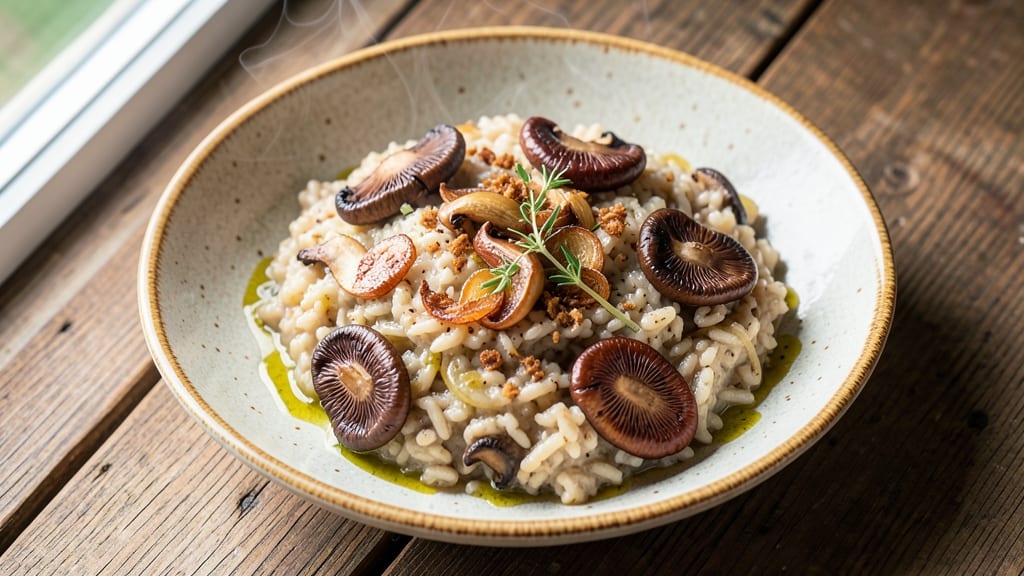
Brown rice mushroom risotto transforms weeknight dinners into restaurant-worthy meals with its rich umami depth and creamy texture. 💛 The secret lies in toasting the rice properly—this step develops nutty flavors and prevents gummy results. Unlike traditional risotto, brown rice absorbs broth differently, requiring precise liquid ratios and patience for perfect al dente grains.
What sets this recipe apart is its earthy, savory profile from wild mushrooms and aromatic herbs, balanced by a touch of dairy for creaminess. The one-pan method simplifies cleanup while delivering professional results.
Each bite offers a harmonious blend of chewy rice, tender mushrooms, and a velvety sauce that coats every grain. Perfect for vegetarian meals or impressing guests, this risotto proves comfort food can be both nutritious and indulgent.
Ingredients for brown rice mushroom risotto
Earthy mushrooms, nutty brown rice, and aromatic herbs create this vegetarian risotto's signature depth.
| Ingredient | Amount | Notes |
|---|---|---|
| Short-Grain Brown Rice 🌾 | 1 ½ cups | Uncooked, rinsed thoroughly |
| Wild Mushrooms (Mixed Variety) 🍄 | 12 oz | Sliced, shiitake and oyster preferred |
| Vegetable Broth 💧 | 4 cups | Low-sodium, homemade or high-quality |
| White Wine 🍷 | ½ cup | Dry, like Sauvignon Blanc |
| Extra-Virgin Olive Oil 🫒 | ¼ cup | Lightly fruity, for toasting |
| Shallots 🧅 | 2 whole | Minced, or 2 tbsp dried shallot flakes |
| Garlic Cloves 🧄 | 4 cloves | Minced, fresh preferred |
| Fresh Thyme 🌿 | ¼ cup | Leaves only, chopped finely |
| Vegetable Stock Concentrate 💧 | 2 tbsp | Dissolved in 1 cup warm water |
| Parmesan Cheese 🧀 | ½ cup | Freshly grated, aged minimum 24 months |
| Butter 🧈 | 4 tbsp | Unsalted, cold for finishing |
| Salt 🧂 | 1 ½ tsp | Diamond Crystal kosher, adjust to taste |
| Ground Black Pepper 🌶️ | ½ tsp | Freshly cracked, dark peppercorns |
| Fresh Parsley 🌿 | ⅛ cup | Chopped, for garnish |
The wild mushrooms are non-negotiable for authentic umami—shiitake and oyster deliver the most complex flavor. Local specialty stores or the organic section at Whole Foods carry the best varieties. If using dried mushrooms, rehydrate in warm broth first. For the brown rice, short-grain varieties like Arborio are ideal, though brown rice absorbs liquid differently than white. Toast the rice in olive oil until nutty—this step is critical for developing flavor. Penzeys Spices offers excellent quality if you prefer pre-toasted rice, but fresh toasting yields superior results.
No white wine? Dry vermouth or additional vegetable broth works in a pinch. Substitute dried thyme for fresh at one-third the amount, but fresh thyme's bright aroma elevates the dish. The vegetable stock concentrate ensures depth without saltiness—Imagine brand is a reliable choice. For a dairy-free version, swap Parmesan for nutritional yeast (though the dish loses some complexity). If using pre-minced shallots, rinse them to remove excess salt. The Parmesan must be aged—look for labels indicating 24+ months for optimal umami.
Risotto reheats beautifully—simmer gently with a splash of broth to restore creaminess. Store leftovers in an airtight container for up to 3 days in the fridge. For longer storage, freeze portions for up to 2 months. The mushrooms release moisture as they cook, so avoid draining them—this liquid becomes part of the risotto's velvety sauce. Garnish with fresh parsley just before serving to preserve its vibrant color and bright notes.
Why You'll Love This Recipe
- No Chopping Hassle: I swear by this risotto because the mushrooms do most of the work—just slice them roughly, no dicing required. The brown rice handles the texture while you sip your wine (because you deserve it) and let the broth do the heavy lifting.
- Earthy Umami Magic: That first spoonful of creamy brown rice kissed with wild mushrooms? It’s the kind of flavor that makes you pause mid-bite. The wine deglazes the pan into a savory base, and the olive oil ties it all together—rich but never heavy.
- Leftovers That Lie: Between us, this risotto tastes even better the next day. Cold or reheated, it’s my go-to for packed lunches—just toss in a handful of greens or a fried egg, and suddenly you’ve got a restaurant-quality meal without the fuss.
- Budget-Friendly Luxury: Wild mushrooms might sound fancy, but a mix of shiitake, cremini, and oyster keeps costs down while delivering restaurant-worthy depth. Brown rice stretches further than Arborio, and vegetable broth means no wasted ingredients—just pure, satisfying flavor.
Step-by-step instructions for earthy umami brown rice risotto
Master this technique and you'll transform simple brown rice into a luxurious, creamy risotto with deep mushroom flavor.
🍳 Step 1: Toast the Rice and Build the Umami Base
Heat the 0.25 cup extra-virgin olive oil in a heavy-bottomed pot over medium heat. Add the 1.5 cups short-grain brown rice and toast for 5-7 minutes, stirring constantly, until the grains become translucent at the edges and release a nutty aroma. This step is crucial—it develops the rice's natural starches and prevents a raw taste in your final dish.
Remove the rice from the pot and set aside. In the same pot, add 4 tablespoons butter and let it melt completely. Add the 12 oz sliced wild mushrooms and cook for 8-10 minutes until they release their moisture and develop a golden-brown crust. The mushrooms should be tender but still retain some texture—this ensures they contribute both flavor and bite to your risotto.
🍳 Step 2: Sauté Aromatics and Deglaze with Wine
Add the 2 minced shallots and 4 minced garlic cloves to the mushroom mixture, cooking for 1-2 minutes until the shallots become translucent and the garlic releases its fragrant aroma. Be careful not to let the garlic burn—it should just perfume the mushrooms, not dominate the flavor profile.
Pour in the 0.5 cup dry white wine and scrape up any browned bits from the bottom of the pot. Let the wine simmer for 3-4 minutes until it reduces by half. This deglazing step captures all the concentrated flavors you've built so far and forms the foundation of your risotto sauce.
🥘 Step 3: Cook the Risotto with Broth and Stock
Return the toasted rice to the pot and stir to combine with the mushroom mixture. Add 1 cup vegetable broth and bring to a gentle simmer. Stir frequently, letting the rice absorb the liquid before adding more. This process, called "risotto style," creates the signature creamy texture by allowing the rice to release its starches gradually.
Continue cooking in this manner, adding 1 cup broth at a time, until the rice is tender but still has a slight bite (about 30-35 minutes total). You'll know it's ready when the rice grains are al dente and the mixture has a velvety consistency. The key is patience—rushing this step will result in mushy rice.
🥘 Step 4: Finish with Thyme, Cheese, and Butter
Once the rice is tender, stir in the 0.25 cup finely chopped fresh thyme and 0.5 cup freshly grated Parmesan cheese. Add the 2 tablespoons dissolved vegetable stock concentrate and the remaining 1 cup vegetable broth if needed to reach your desired consistency. The risotto should be creamy but still have a slight body—it will thicken as it rests.
Remove the pot from heat and stir in the 4 tablespoons cold butter until fully incorporated. This final step creates the luxurious mouthfeel that defines a perfect risotto. Season with 1.5 teaspoons salt and 0.5 teaspoon freshly cracked black pepper, tasting and adjusting as needed. The risotto should be rich, earthy, and perfectly balanced.
🍽️ Step 5: Rest and Serve Immediately
Let the risotto rest for 2-3 minutes off the heat—this allows the flavors to meld and the texture to set slightly. Garnish with 0.125 cup chopped fresh parsley and serve immediately. The risotto should be creamy yet still have a slight texture from the brown rice, with deep umami flavor from the mushrooms and a bright acidity from the wine.
For best results, serve in warm bowls and encourage your guests to stir the risotto before eating. This ensures even heat distribution and highlights the complex layers of flavor you've created. Pair with a simple green salad and a glass of the same white wine you used in the recipe for a complete meal.
Pro Tips For Making Brown Rice Mushroom Risotto
- Toast the Rice First: I learned this the hard way—skipping the toast step means your brown rice will stay bland and gummy. Sauté the short-grain brown rice in olive oil over medium heat for 3-4 minutes until it’s golden and fragrant. This builds flavor and prevents a mushy texture later.
- Slice Mushrooms Thin: Wild mushrooms release moisture fast, and thick slices turn into a soggy mess. Aim for 2-3mm slices—thin enough to cook quickly but not so fine they disappear. Pat them dry first, or they’ll steam instead of sear.
- Add Wine Early, Broth Slow: Don’t wait until the end to deglaze with wine—pour it in right after toasting the rice. Then, add broth gradually, a ladle at a time, and stir constantly. Rushing the broth or dumping it all at once dilutes the flavor and risks a watery risotto.
- Finish with a Stir-Fry: The last 2 minutes are where the magic happens. Once the rice is creamy, turn the heat to medium-high and stir vigorously for 60 seconds. This creates a slight crust on the grains and intensifies the nutty brown rice flavor—something you won’t get if you let it sit idle.
Flavor customization for brown rice mushroom risotto
Earthy Mushroom Variations
Swap shiitake and oyster mushrooms for porcini (dried or fresh) to intensify umami depth—just rehydrate dried porcini in ½ cup warm broth for 20 minutes before using.
For a smoky twist, add 1 tbsp smoked paprika to the mushroom sauté. Wild foraged mushrooms like chanterelles or morels (if available) add earthy complexity, but reduce cooking time to 5-6 minutes to preserve their delicate texture. 🍄
Herb and Spice Infusions
Brighten the risotto with fresh rosemary (replace thyme) for piney notes—use ½ cup finely chopped leaves and reduce thyme to ¼ cup. For warmth, add ½ tsp ground nutmeg when stirring in the Parmesan.
A splash of lemon zest (from 1 lemon) at the end adds freshness, balancing the richness. Store-bought dried herbs work in a pinch, but fresh delivers vibrant flavor.
Dairy-Free Creaminess
Replace butter and Parmesan with cashew cream (blend ½ cup soaked cashews with ¼ cup water) for a neutral, creamy finish. Add 1 tbsp nutritional yeast for a cheesy tang. For umami without dairy, stir in 1 tbsp soy sauce during the final 5 minutes of cooking.
The texture will be lighter but still luxurious—just add 1 extra tbsp broth to compensate for reduced fat.
Protein Boosts
Add crispy chickpeas (toss ½ cup cooked chickpeas with 1 tsp olive oil and roast at 400°F for 15 minutes) for crunch and plant-based protein. For a meaty texture, fold in crumbled tempeh sautéed with 1 tsp soy sauce and ½ tsp smoked paprika.
Both additions work best stirred in during the last 5 minutes of cooking to avoid overcooking.
Seasonal Twists
In spring, incorporate asparagus (chopped into ½-inch pieces) and peas for brightness—add them with the final 1 cup broth.
For fall, roast butternut squash cubes (tossed with 1 tsp olive oil and ½ tsp cinnamon) until tender, then stir into the risotto. Winter calls for caramelized onions (cook 1 large onion in 1 tbsp butter for 20 minutes) to deepen sweetness.
Texture Play
Top with toasted pine nuts (toast ¼ cup in a dry pan for 2 minutes) for crunch or crispy shallots (thinly slice 1 shallot, fry in 2 tbsp oil at 350°F until golden).
For a creamy finish, fold in 2 tbsp coconut cream off-heat. These additions elevate the dish from comforting to restaurant-worthy with minimal effort. ✨
Nutrition facts
Frequently asked questions
Why does brown rice risotto take longer than white rice?
Brown rice has its outer bran layer intact, which requires more time to fully cook—typically 30-35 minutes compared to 20-25 minutes for white rice. The longer cooking also develops deeper nutty flavors. Stirring frequently prevents sticking, and the extra time ensures perfect al dente texture.
Can I substitute Arborio rice for brown rice?
While Arborio rice is traditional for risotto, brown rice works beautifully for a nutritious twist. The key difference is brown rice needs 1.5 cups uncooked (vs. 1 cup Arborio) and requires 15-20% more broth due to its higher fiber content. Toasting the brown rice for 5-7 minutes is critical to prevent gummy results.
How do I fix risotto that's too thick or too thin?
For thick risotto, stir in 2-3 tablespoons warm broth and let it absorb. For thin risotto, remove from heat and simmer uncovered for 2-3 minutes to evaporate excess liquid. The ideal consistency should coat the back of a spoon but still allow grains to be visible.
What's the best way to reheat leftovers?
Gently reheat in a saucepan over low heat with 2-3 tablespoons broth per 1 cup risotto, stirring frequently. Avoid microwaving as it makes the texture gummy. For best results, reheat only what you'll serve immediately. Leftovers keep for 3 days in the fridge.
Can I make this risotto gluten-free?
Yes! Use gluten-free vegetable broth and ensure your Parmesan is certified gluten-free. For extra creaminess, stir in 1 tbsp cornstarch mixed with 2 tbsp water during the final 5 minutes of cooking. The texture remains rich and velvety while being safe for gluten-sensitive diets.