
Salads
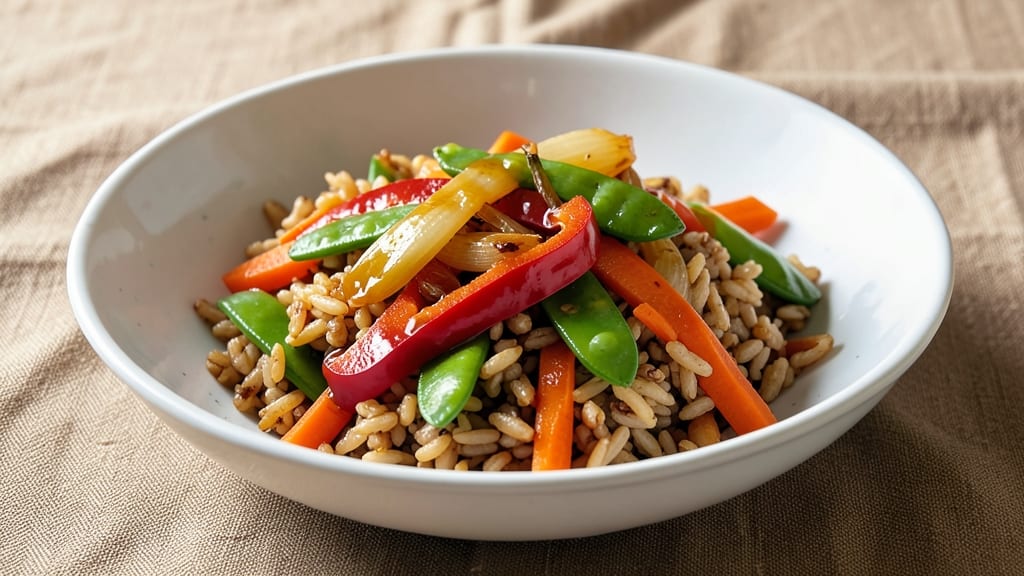
This one-pot brown rice mixed vegetables recipe transforms simple ingredients into a nutrient-packed meal that's ready in just 30 minutes. The key lies in balancing textures—crisp-tender sautéed vegetables, fluffy brown rice, and a light soy-ginger dressing that ties everything together without overpowering.
I developed this recipe during a busy week when I needed a healthy, satisfying dinner that required minimal cleanup and maximum nutrition.
The beauty of this dish is its versatility—serve it as a standalone meal or pair it with grilled chicken or tofu for added protein. The vegetables (carrots, bell peppers, and snap peas) absorb the savory-sweet flavors of the rice while maintaining their natural crunch.
The brown rice adds fiber and hearty texture, making this more than just a side dish—it's a complete, balanced plate that feels restaurant-quality at home.
Ingredients for brown rice mixed vegetables
Simple ingredients that deliver restaurant-quality nutrition in a single pot—perfect for busy weeknights.
| Ingredient | Amount | Notes |
|---|---|---|
| Long-Grain Brown Rice 🌾 | 1 cup | Uncooked, rinsed thoroughly |
| Vegetable Broth 💧 | 2 cups | Low-sodium preferred |
| Carrots 🥕 | 1 lb | Medium, sliced into thin rounds |
| Red Bell Pepper 🌶️ | 1 whole | Seeded, sliced into strips |
| Snap Peas 🌱 | 1 cup | Fresh or frozen, trimmed |
| Yellow Onion 🧅 | 1 whole | Thinly sliced |
| Garlic Cloves 🧄 | 4 cloves | Minced for aromatic base |
| Extra-Virgin Olive Oil 🫒 | 1 tbsp | For sautéing vegetables |
| Low-Sodium Soy Sauce 🍶 | 2 tbsp | For umami depth |
| Fresh Ginger 🌿 | 1 tbsp | Grated, for zesty brightness |
| Sesame Oil 🫒 | 1 tsp | Toasted, for nutty finish |
| Toasted Sesame Seeds 🌰 | 1 tbsp | For garnish |
| Diamond Crystal Kosher Salt 🧂 | ½ tsp | Adjust to taste |
| Ground Black Pepper 🌶️ | ¼ tsp | Freshly ground |
The brown rice is the foundation—short-grain varieties like Calrose or Mahatma hold up better to the one-pot cooking method. Whole Foods or Trader Joe's carry excellent options in bulk. For the vegetables, fresh is ideal but frozen snap peas work perfectly if you're short on time—just thaw and trim. The carrots should be uniformly sized to ensure even cooking; organic carrots from the farmers market have the best natural sweetness. If using pre-sliced bell peppers, pat them dry thoroughly to prevent excess moisture in your dish.
No soy sauce? Coconut aminos provide a similar umami profile without the sodium. Substituting regular soy sauce for the low-sodium version doubles the salt content—adjust your final seasoning accordingly. For the ginger, if you're using powdered, reduce to half the amount as fresh ginger has more potency. The sesame oil is non-negotiable for that authentic finish, but if you're avoiding it, a light drizzle of toasted peanut oil works in a pinch. Swap snap peas for green beans or broccoli florets if preferred—just adjust cooking time slightly for denser vegetables.
This dish reheats beautifully—simply add a splash of water or broth to the pot and warm through. Stores for 4-5 days in the refrigerator, making it ideal for meal prep. For longer storage, freeze portions in airtight containers for up to 3 months. The sesame seeds should be toasted fresh before serving for maximum flavor impact—just heat them in a dry pan over medium heat for 1-2 minutes until fragrant. Double the batch and freeze half for future convenience; the flavors actually deepen overnight as the rice absorbs the dressing.
Why You'll Love This Recipe
- One-Pot Wonder: I swear by this recipe when I’m too tired to wash a million dishes. Toss everything—rice, broth, chopped veggies—into one pot, and let it simmer. No straining, no fussing, just hands-off cooking while you sip your coffee or scroll through your phone.
- Nutty Earthy Magic: That brown rice? It’s the star. While it cooks, it soaks up the broth and caramelizes just enough to add this deep, toasty flavor that makes the dish feel gourmet. Pair it with the bright crunch of snap peas and the sweetness of roasted carrots, and you’ve got a flavor party.
- Meal Prep MVP: Between us, this is my go-to for lunches all week. The veggies stay crisp, the rice holds its shape, and it reheats like a dream. Honestly, I make a big batch on Sundays and divide it into containers—zero guesswork when I’m starving at my desk.
- Budget-Friendly Staple: Carrots, bell peppers, and snap peas are cheap, filling, and pack a nutritional punch. Plus, brown rice is one of the most affordable whole grains out there. I’ll be real: this recipe keeps my grocery bill low while still feeling like I’m eating well. (Yes, even on a Tuesday night.)
Step-by-step instructions for brown rice mixed vegetables
A single-pan approach that delivers balanced nutrition and vibrant flavors without the fuss.
Prepare and Sauté the Vegetable Base
Heat a large skillet or deep pot over medium-high heat and add the 1 tablespoon extra-virgin olive oil. Once the oil shimmers, add the 1 whole yellow onion and 1 lb carrots sliced into thin rounds. Sauté for 5 minutes until the onions become translucent and the carrots begin to soften at the edges.
Add the 1 whole red bell pepper sliced into strips and the 1 cup snap peas (fresh or frozen). Continue cooking for another 3-4 minutes until the bell pepper softens slightly and the peas begin to blister. This foundational step builds flavor through the Maillard reaction—don't rush it. If using frozen peas, add them slightly later to prevent overcooking.
Incorporate Aromatics and Seasonings
Push the vegetables to one side of the pan and add the 1 tablespoon extra-virgin olive oil to the empty space. Once the oil is shimmering, add the 4 cloves minced garlic and 1 tablespoon grated fresh ginger. Sauté for 30 seconds until fragrant—this is where the magic happens. The garlic should turn golden without burning.
Return the vegetables to the pan and stir in the 2 tablespoons low-sodium soy sauce, 0.5 teaspoon diamond crystal kosher salt, and 0.25 teaspoon ground black pepper. Cook for another 2 minutes to allow the seasonings to meld with the vegetables. The soy sauce will add umami depth while the salt and pepper balance the flavors. Taste and adjust seasoning if needed—this is your flavor baseline.
Add Rice and Broth for Simmering
Rinse the 1 cup long-grain brown rice thoroughly under cold water until the water runs clear. This removes excess starch that can make the rice gummy. Add the rice to the pan and stir to coat it evenly with the vegetables and seasonings.
Pour in the 2 cups vegetable broth and bring the mixture to a gentle boil. Once boiling, reduce the heat to low and cover the pan with a tight-fitting lid. Simmer for 25-30 minutes—this is where the rice absorbs the liquid and the vegetables soften. Avoid peeking under the lid, as this releases steam and can lead to uneven cooking. The rice should be tender but still have a slight bite, with the liquid mostly absorbed.
Finish with Sesame Oil and Garnish
Once the rice is tender, remove the pan from heat and let it sit uncovered for 2 minutes to allow any residual steam to evaporate. This step prevents a mushy texture. Stir in the 1 teaspoon sesame oil and 1 tablespoon toasted sesame seeds, tossing gently to distribute evenly. The sesame oil adds a nutty aroma and richness, while the seeds provide a textural contrast.
Taste one last time and adjust seasoning if necessary. Serve immediately while warm, garnished with additional sesame seeds if desired. The dish should be a harmonious blend of tender rice, vibrant vegetables, and balanced seasonings—perfect for a quick, nutrient-packed meal. The one-pot method ensures minimal cleanup while delivering maximum flavor and nutrition.
Pro Tips For Making Brown Rice Mixed Vegetables
- Rinse the Rice Twice: I learned this the hard way—skipping the rinse leaves your brown rice gummy and clumpy. Swirl it under cold water in a fine-mesh strainer for 30 seconds, then repeat. The starch washes out, and your rice stays separate and chewy, not gluey. (Yes, even if you're impatient like me.)
- Slice Carrots Thinly: Thick chunks of carrot turn mushy while the rice cooks. Cut them into 1/8-inch slices so they soften evenly without falling apart. Pro move: Toss them in a splash of broth before adding to the pot—they’ll absorb flavor faster.
- Don’t Overcrowd the Pot: Packing the pan tight with veggies and rice steams them instead of browning. Start with a single layer of veggies, let them sizzle for 2 minutes, then add the rice and broth. Crowding = sad, soggy bell peppers. (Your future self will thank you.)
- Use Leftover Broth: Store-bought broth tastes flat after cooking. Save time and upgrade flavor by using the liquid from a previous batch of veggie broth—it’s packed with depth. If you’re short on time, a pinch of soy sauce or a splash of fish sauce works in a pinch. (Doesn’t look fancy, but it makes a real difference.)
Best sauces and condiments for this dish
Sesame-Ginger Dressing
This light, aromatic dressing is the secret to tying all the flavors together. Start with 1 tbsp toasted sesame oil and 1 tbsp grated fresh ginger simmered in 1 cup vegetable broth for 3 minutes to infuse the broth with warmth.
Then whisk in 1 tbsp low-sodium soy sauce, 1 tsp honey (or maple syrup), and 1 tsp rice vinegar. Finish with a pinch of red pepper flakes for subtle heat. Pour over the cooked dish just before serving—this keeps the vegetables crisp while adding depth. 🌿
Spicy Peanut Sauce
For a richer, nuttier profile, blend 2 tbsp creamy peanut butter, 1 tbsp soy sauce, 1 tbsp lime juice, 1 tsp sriracha, and 1 tsp honey with 2 tbsp warm water until smooth.
Drizzle over the dish and toss gently. This sauce adds protein and a creamy contrast to the crisp-tender vegetables. I love using Skippy Natural Peanut Butter for its smooth texture. 🥜
Tahini-Lemon Dressing
Combine 2 tbsp tahini, 1 tbsp lemon juice, 1 tbsp olive oil, 1 tsp maple syrup, and 2 tbsp warm water in a bowl. Whisk until emulsified, then thin with more water if needed.
This dressing adds a creamy, tangy brightness that cuts through the earthiness of the brown rice. Store leftovers in an airtight container for up to 5 days. 🍋
Sriracha-Mayo Drizzle
Mix 2 tbsp mayonnaise, 1 tsp sriracha, and ½ tsp lime juice for a quick, creamy drizzle. This adds a cool, spicy contrast to the warm dish. I recommend Hellmann's Real Mayonnaise for its smooth texture. Drizzle just before serving to prevent the mayo from separating. 🌶️
Miso-Glazed Topping
Simmer 1 tbsp white miso paste with 1 tbsp mirin and 1 tsp honey in a small saucepan until smooth (2 minutes). Drizzle over the dish and broil for 1-2 minutes to caramelize the glaze.
This adds a deep, savory umami layer that elevates the dish to restaurant quality. Use Miso Master white miso for the best flavor. ✨
Nutrition facts
Frequently asked questions
Can I make this recipe with white rice instead of brown?
Yes, but the texture and cooking time will change. White rice cooks in about 15 minutes instead of 30 minutes, so reduce the simmering time to 12-15 minutes after adding the broth. The dish will be less nutritious but still delicious—just watch the rice closely to avoid overcooking.
What if I don't have fresh ginger or garlic?
Use powdered substitutes carefully: ½ teaspoon powdered ginger and 2 cloves granulated garlic will work in a pinch. For best flavor, toast the powdered spices in the oil for 30 seconds before adding vegetables. Fresh always tastes better, but these work for emergencies!
How do I prevent the vegetables from getting mushy?
Cook the vegetables in batches if needed, or remove them from the pan when they reach crisp-tender (about 4-5 minutes total). Add them back to the rice just before serving to maintain their texture. For heartier veggies like broccoli, reduce cooking time to 2-3 minutes only.
Can I meal prep this dish for the week?
Store in airtight containers for 4-5 days in the fridge. Reheat with 1 tablespoon water or broth per cup of rice, covered, until warmed through. The flavors actually improve overnight as the rice absorbs more dressing. For freezing, portion before adding sesame oil/seeds—add them fresh when reheating.
What vegetables can I substitute if I'm missing some?
Swap snap peas for green beans, broccoli, or zucchini (reduce cooking time for denser veggies). Use mushrooms or Brussels sprouts for heartier options. For color variety, add red cabbage or cherry tomatoes. Just adjust cooking times—denser veggies need 1-2 minutes less than snap peas.