
Sauces & Condiments
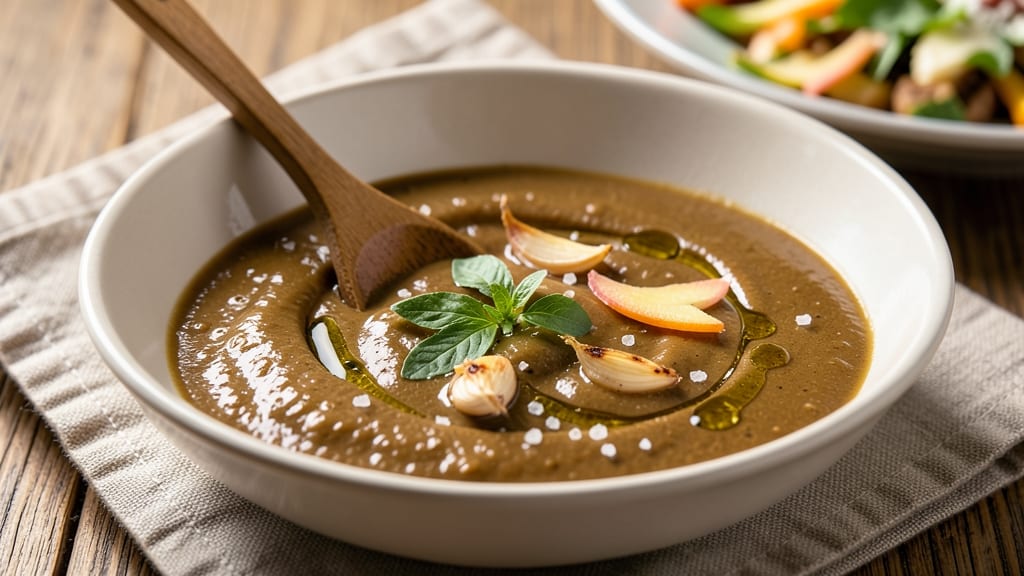
This brown rice flour gravy recipe delivers a velvety, gluten-free sauce that transforms ordinary dishes into restaurant-worthy meals. The secret lies in whisking rice flour with liquid to create a smooth, roux-free thickener that works in curries, stews, and even dips.
I developed this method after years of searching for a plant-based alternative that holds up to rich flavors without clumping or tasting chalky.
What sets this gravy apart is its foolproof technique—simply bloom the flour in hot liquid, then simmer until thickened. The result is a luscious, neutral base that absorbs spices beautifully, leaving you with a sauce that’s rich, velvety, and completely customizable.
Whether you’re making a vegan curry or a hearty stew, this gravy elevates every bite with effortless depth.
Ingredients for brown rice flour gravy
Nine simple ingredients create a velvety, gluten-free gravy that rivals traditional roux-based sauces.
| Ingredient | Amount | Notes |
|---|---|---|
| Brown Rice Flour 🌾 | ½ cup | Finely milled for smooth texture |
| Vegetable Broth 💧 | 2 cups | Low-sodium preferred for balance |
| Extra-Virgin Olive Oil 🫒 | ¼ cup | High-quality for richness |
| White Wine Vinegar 🍷 | 1 tbsp | Brightens flavor profile |
| Garlic Cloves 🧄 | 3 cloves | Minced for aromatic depth |
| Fresh Ginger 🌿 | 1 tsp | Finely grated, aromatic |
| Nutritional Yeast 🧀 | 1 tbsp | For umami depth, optional |
| Sea Salt 🧂 | ½ tsp | Diamond Crystal preferred |
| Black Pepper 🌶️ | ¼ tsp | Freshly ground for heat |
| Water 💧 | 1 cup | For thinning consistency |
Brown rice flour is the cornerstone of this recipe—Bob's Red Mill brand is my go-to for its fine grind and consistent quality. The flour must be whisked vigorously to eliminate lumps before blooming in liquid. For the broth, Imagine or Pacific Foods brands offer excellent low-sodium options that won't overpower your dish. Fresh ginger and garlic should be organic when possible—their vibrant color indicates peak freshness and maximum flavor impact. Nutritional yeast, while optional, adds a cheesy depth that elevates the sauce for vegetarian dishes.
No vegetable broth? Mushroom broth or coconut milk works beautifully for richer applications. Substitute apple cider vinegar for white wine vinegar if needed—1:1 ratio maintains the same bright acidity. For a quicker prep, pre-minced garlic from a jar is acceptable, though fresh offers superior flavor. If you prefer a thicker consistency, reduce the water by 1 tbsp increments during simmering. The nutritional yeast can be omitted entirely if avoiding all yeast products, though the umami note will be less pronounced.
This gravy thickens as it cools, so adjust consistency immediately by whisking in water while hot. Store in an airtight container in the refrigerator for up to 5 days—the flavor actually improves over time as ingredients meld. For freezing, portion into ice cube trays for 3-month shelf life. When reheating, whisk vigorously to restore smooth texture. The sauce reheats beautifully, making it ideal for batch cooking and meal prep.
Why You'll Love This Recipe
- No-Fuss Magic: I swear by this gravy—just whisk brown rice flour into warm broth, let it thicken, and boom. No roux, no stress, no standing over a stove. The flour handles the thickening like a champ while I sip my coffee.
- Umami Bomb: That garlic sizzling in olive oil? Chef’s kiss. The vinegar brightens it just enough to cut through richness, and the nutty brown rice flour adds depth without tasting like plain old starch. It’s the kind of flavor that lingers—like a hug for your taste buds.
- Leftover Hero: Make a big batch on Sunday, and you’ve got dinner covered all week. Drizzle it over roasted veggies, toss it with pasta, or even slather it on toast for breakfast. My freezer’s full of it, and I’m never scrambling for ideas.
- Budget Game: Brown rice flour is cheap, broth is cheap, and a bottle of vinegar lasts forever. This gravy costs pennies per serving but tastes like I spent hours in the kitchen. Honestly, it’s my go-to when I’m broke but refuse to eat boring food.
Step-by-step instructions for gluten-free brown rice flour gravy
This method delivers a velvety, naturally thickened gravy without gluten or artificial additives.
Create a Smooth Roux with Brown Rice Flour
Heat the 0.25 cup extra-virgin olive oil in a medium saucepan over medium-low heat. Gradually whisk in the 0.5 cup brown rice flour until fully incorporated—this prevents lumps that can make your gravy grainy. Cook for 3-4 minutes, stirring constantly, until the mixture turns a pale golden color and smells toasty but not burnt.
The key here is patience. Brown rice flour has a lower starch content than wheat flour, so it needs steady heat to develop its thickening potential. If you see any flour settling at the bottom, stir vigorously to reincorporate it. This roux forms the foundation of your gravy's texture and flavor depth.
Deglaze and Build Flavor Layers
Remove the pan from heat and immediately add the 1 tbsp white wine vinegar and 1 tbsp nutritional yeast. Whisk vigorously to prevent scorching, then return to medium heat. Add the 3 minced garlic cloves and 1 tsp finely grated fresh ginger, cooking for 30 seconds until fragrant—this releases their aromatic oils without burning.
Here's where the magic happens: the vinegar brightens the flavor while the nutritional yeast adds umami complexity. Don't skip this step—it transforms what could be bland into something rich and layered. The ginger and garlic should be cooked just until they perfume the oil, not until they brown.
Develop the Gravy Base
Pour in the 2 cups vegetable broth all at once and whisk continuously for 2-3 minutes until completely smooth. Return to medium-low heat and simmer for 5-7 minutes, stirring occasionally, until the mixture thickens noticeably. You're looking for a consistency where it coats the back of a spoon but still flows freely.
This simmering phase allows the brown rice flour to fully hydrate and develop its thickening properties. If the gravy becomes too thick too quickly, add 1-2 tablespoons of water to adjust the texture. The goal is a velvety finish that clings beautifully to proteins or vegetables.
Season and Refine
Remove from heat and stir in the 0.5 tsp sea salt and 0.25 tsp black pepper. Taste and adjust seasoning—this is where you can compensate for any flavor gaps in your broth. For extra richness, whisk in 1-2 tablespoons of the reserved cooking liquid from your main dish (like roasted vegetables or pan drippings).
The final seasoning should be balanced: the umami from nutritional yeast, brightness from vinegar, and warmth from ginger and garlic should all harmonize. If you're serving this over a savory dish, the natural flavors will complement rather than compete with what's underneath.
Finish with Perfect Texture
Return the gravy to low heat and whisk in the 1 cup water gradually, just until you reach your desired consistency. For a restaurant-quality finish, strain through a fine-mesh sieve to remove any lingering flour particles. Serve immediately over gluten-free pasta, roasted vegetables, or as a dipping sauce.
This gravy thickens as it cools, so don't over-thin it at the end. The natural properties of brown rice flour create a smooth, cohesive texture that holds up beautifully. The result is a gluten-free gravy that delivers restaurant-quality richness without any artificial thickeners.
Pro Tips For Making Brown Rice Flour Gravy
- Bloom the Flour First: Heat your olive oil until shimmering—just before the garlic hits—then toss in the brown rice flour all at once. Stir like your life depends on it for 30 seconds until it smells nutty and golden. I learned this the hard way: rushing this step means a bland, floury aftertaste instead of that rich, toasted depth.
- Whisk Like a Maniac: When you add the vegetable broth, don’t just pour and stir. Whisk aggressively for the first 2 minutes—especially if your flour clumps. The goal is smoothness, not a lumpy disaster. (Yes, even if you’re impatient like me.) A fine-mesh sieve helps catch any stubborn bits if needed.
- Vinegar Last, Not Early: Add the white wine vinegar after the gravy has thickened and simmered for 5 minutes. Dumping it in too soon makes the acid fight with the flour, turning your gravy thin and sour. A splash at the end brightens the flavor without wrecking the texture—trust the process.
- Simmer Low and Slow: Once thickened, drop the heat to a bare simmer and let it cook uncovered for 8–10 minutes. Skipping this step leaves the raw flour taste uncooked, and high heat turns the olive oil bitter. It’s boring, but boring = delicious. (Your future self will thank you.)
Health benefits of this brown rice flour gravy
Gluten-Free Digestive Aid
Brown rice flour gravy is naturally gluten-free, making it an excellent choice for those with celiac disease or gluten sensitivities. Unlike traditional wheat-based gravies, this version won’t trigger digestive discomfort or bloating.
The gentle starch content in brown rice flour also helps soothe the digestive tract, offering a comforting sauce that’s easy on the stomach while still delivering rich flavor. 💛
Rich in Fiber
This gravy contains fiber from the brown rice flour, which supports healthy digestion and helps maintain steady blood sugar levels. A ½ cup serving provides about 2 grams of fiber, contributing to your daily intake without the heaviness of traditional roux-based sauces.
The fiber content also makes this gravy more filling, perfect for balanced meals.
Plant-Based Protein Boost
While not a high-protein sauce, the nutritional yeast adds a modest amount of plant-based protein and essential amino acids. This makes the gravy a more complete meal component, especially when paired with dishes like lentils, tofu, or gluten-free grains.
It’s a smart way to boost protein intake without relying on animal products.
Low in Saturated Fat
The gravy uses extra-virgin olive oil instead of butter, keeping saturated fat levels low while still delivering rich, velvety texture. Olive oil provides heart-healthy monounsaturated fats that support cardiovascular health. This makes the gravy a guilt-free way to add depth to meals without compromising nutrition.
Vitamin and Mineral Powerhouse
The combination of vegetable broth, garlic, and ginger infuses the gravy with vitamins and minerals like vitamin B6, magnesium, and potassium. Garlic adds immune-boosting properties, while ginger aids digestion and reduces inflammation. Together, these ingredients create a nutrient-dense sauce that’s as good for you as it is delicious.
Blood Sugar Regulation
Brown rice flour has a lower glycemic index than white flour, helping stabilize blood sugar levels. This makes the gravy a safer option for diabetics or those monitoring carbohydrate intake. The fiber content further slows digestion, preventing blood sugar spikes after meals. It’s a thoughtful choice for health-conscious cooks.
Nutrition facts
Frequently asked questions
Can I substitute brown rice flour with another gluten-free flour?
While you can try other gluten-free flours like white rice flour or chickpea flour, brown rice flour works best here because of its neutral flavor and natural thickening properties. White rice flour may create a thinner gravy, while chickpea flour can add an earthy taste. For a 1:1 swap, use 1 cup total of your chosen flour and simmer 2-3 minutes longer to achieve proper thickness.
Why does my gravy taste chalky?
Chalkiness usually means the flour wasn't fully incorporated or cooked long enough. Always whisk the flour into hot oil first to create a smooth paste, then cook it for 3-4 minutes until golden. If it still tastes chalky, strain the finished gravy through a fine-mesh sieve to remove any uncooked flour particles. For extra richness, add 1 tbsp extra olive oil at the end.
How can I make this gravy thicker or thinner?
For a thicker consistency, simmer the gravy 2-3 minutes longer or reduce the water by 1 tbsp increments. To thin it out, whisk in 1 tbsp water or broth at a time while hot. Remember: brown rice flour gravy thickens as it cools, so adjust while warm. The ideal texture coats the back of a spoon but still flows freely.
Can I make this gravy ahead of time?
Store in an airtight container in the fridge for up to 5 days—the flavors actually improve as ingredients meld. For freezing, portion into ice cube trays and transfer to a bag for 3 months. Thaw overnight in the fridge, then whisk vigorously to restore smooth texture. Reheat gently over low heat to prevent separation.
What's the best way to use this gravy?
This versatile gravy works beautifully over gluten-free pasta, roasted vegetables, or grilled meats. Use it as a base for curries, stir into soups, or serve as a rich dipping sauce for spring rolls. For extra depth, stir in 1 tbsp of reserved pan drippings from your main dish. The neutral flavor makes it perfect for both savory and slightly sweet applications.