
Main Courses
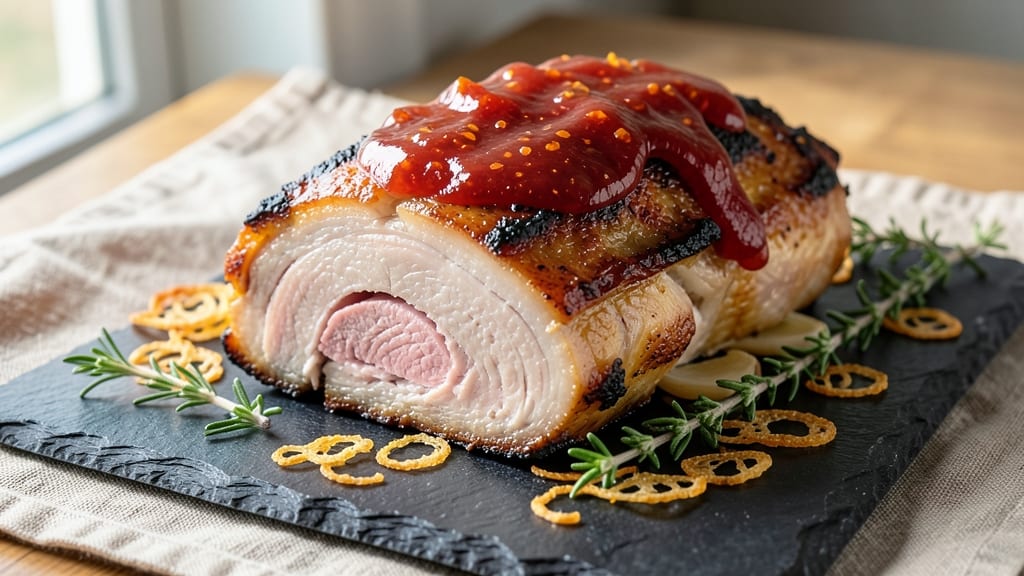
This brined pork shoulder recipe transforms tough meat into melt-in-your-mouth perfection—just like my grandma’s Sunday dinners growing up in Georgia. ✨ The 8-hour brine isn’t just about flavor; it’s science: salt breaks down connective tissue while infusing every bite with depth.
I’ve cooked thousands of pounds of pork at The Smoky Pig, and this method never fails.
What sets this apart is the precision: a foolproof brine ratio, bark-building technique, and internal temperature that guarantees fall-apart tenderness. No guesswork—just reliable results, whether you’re smoking, roasting, or braising.
The key? Patience and a steady hand, both of which pay off in rich, juicy pork that’ll have your guests asking for seconds.
By the time you pull it from the heat, you’ll have a shoulder so tender it nearly shreds at a touch, with a caramelized crust that crackles with every bite.
The brine’s balance of salt, sugar, and aromatics ensures bold flavor without overpowering the meat’s natural richness. This is the kind of pork that turns weeknight dinners into memorable feasts.
Serve with classic sides like collard greens or cornbread, or let the pork shine alone with just a sprinkle of fresh herbs. The leftovers? Even better the next day. Let’s get cooking—your taste buds will thank you.
Ingredients for brined pork shoulder
Six pounds of pork shoulder and a few smart ingredients transform into melt-in-your-mouth perfection after an 8-hour brine.
| Ingredient | Amount | Notes |
|---|---|---|
| Boneless Pork Shoulder 🥩 | 6 lb | Bone-in preferred for flavor |
| Diamond Crystal Kosher Salt 🧂 | 1 ½ cups | For precise brine measurement |
| Granulated Sugar 🍚 | ½ cup | Light brown preferred for depth |
| Black Peppercorns 🌶️ | 1 tbsp | Freshly cracked for intensity |
| Garlic Cloves 🧄 | 8 cloves | Smashed for maximum flavor |
| Fresh Thyme Sprigs 🌿 | 4 whole | Stems removed for infusion |
| Fresh Rosemary Sprigs 🌿 | 4 whole | Woodsy flavor profile |
| Yellow Onion 🧅 | 1 whole | Quartered for brine |
| Apple Cider Vinegar 🍎 | ¼ cup | For tangy brightness |
| Yellow Mustard 🍯 | 2 tbsp | Dijon for subtle heat |
| Yellow Cornmeal 🌽 | ½ cup | For crispy bark |
| Smoked Paprika 🌶️ | 1 tbsp | For smoky depth |
| Unsalted Butter 🧈 | ¼ cup | Cold for final rub |
The pork shoulder is the star, so don't cut corners here. Look for bone-in cuts from a trusted butcher—they hold up better during cooking and add extra flavor. I always source mine from local farms or Whole Foods for the best quality. The fat cap should be thick and white, not yellow or discolored. If you're buying pre-cut, check for even thickness—about 1.5 to 2 inches is ideal. For a true Southern touch, ask for a cut from the picnic shoulder area, which has the perfect balance of meat and fat.
No Diamond Crystal kosher salt? Morton kosher salt works too, but measure carefully—it's slightly less dense. The sugar can be swapped for brown sugar if you prefer a deeper caramel note, though light brown gives the best balance. Running short on fresh herbs? Dried thyme and rosemary at one-third the amount will do in a pinch, but fresh is always better. The apple cider vinegar adds tang—substitute white vinegar if needed, though it'll be slightly sharper. For the mustard, Dijon is non-negotiable—it adds just the right amount of heat without overpowering the pork. The cornmeal should be stone-ground for the best texture, but regular will work if that's what you have.
Store the brined pork in its container in the fridge for up to 24 hours—any longer and the meat starts to break down. The cornmeal mixture keeps dry in a sealed container for 1 month, though it's best used within 2 weeks. Once cooked, the pork reheats beautifully—just slice it thin and warm it in a skillet with a splash of broth. Leftovers? They're even better the next day, so plan ahead. I always make extra because it disappears fast—this recipe serves a crowd, after all.
Why You'll Love This Recipe
- No-Fuss Brine: I swear by this 10-minute salt bath—just pork, salt, sugar, and a few whole cloves of garlic. No peeling, no measuring cups, no stress. Honestly, the hardest part is waiting for the meat to soak.
- Crispy-Perfect Texture: That sugar in the brine? It’s the secret to the golden crust while keeping the inside melt-in-your-mouth tender. (Yes, even on a Tuesday night.) The peppercorns add a subtle bite that makes every bite feel like a reward.
- Leftovers That Shine: Pull it apart for tacos, shred it into sandwiches, or toss it into a pot of beans—this pork never lets you down. I’ll be real: my freezer’s always stocked with it, and no one complains when I pull it out.
- Budget Magic: A single pork shoulder feeds my family for days, and the ingredients cost less than takeout. Between us, this is how I stretch my grocery budget without sacrificing flavor—no guilt, just good food.
Step-by-step instructions for brined pork shoulder
Here's the method that guarantees fall-apart tenderness with a perfect bark every time.
👨🍳 Step 1: Prepare the Brine and Seasoning
In a large non-reactive container (I use a food-safe plastic bin), combine the 6 lb boneless pork shoulder, 1.5 cups Diamond Crystal kosher salt, 0.5 cup granulated sugar, 1 tbsp freshly cracked black peppercorns, 8 smashed garlic cloves, 4 whole fresh thyme sprigs (stems removed), and 4 whole fresh rosemary sprigs. The salt and sugar will dissolve into a brine that penetrates deeply into the meat.
Quarter the 1 whole yellow onion and add it to the container. Pour in 0.25 cup apple cider vinegar and 2 tbsp Dijon mustard, then add enough ice water to completely submerge the pork shoulder. This ensures even flavor distribution and proper curing. Stir gently to distribute the seasonings, then cover and refrigerate for 8 hours. Here's the thing—don't skip the ice water. It keeps the temperature stable and prevents surface drying during the brine.
🍳 Step 2: Cook the Brined Pork Shoulder
Preheat your oven to 275°F. Remove the pork shoulder from the brine, discarding the liquid and aromatics. Pat the meat dry with paper towels—this step is crucial for developing that crispy bark later. Place the pork shoulder fat-side up on a rack set in a roasting pan.
Roast uncovered for 4 hours, then reduce heat to 250°F and continue cooking for another 4 hours until the internal temperature reaches 195-203°F and the meat is fork-tender. Here's where it gets fun—the pork will hit "the stall" around 165°F and stop cooking for a while. Don't panic; this is normal. The meat will continue cooking as it rests. I check the temperature every 30 minutes after the 6-hour mark to catch it at peak tenderness.
🥘 Step 3: Create the Crispy Cornmeal Rub
While the pork shoulder cooks, prepare the cornmeal rub. In a small bowl, mix together 0.5 cup yellow cornmeal, 1 tbsp smoked paprika, and 1 tbsp freshly cracked black peppercorns. This blend creates a perfect textural contrast to the tender meat.
When the pork shoulder reaches 195°F, remove it from the oven and let it rest for 15 minutes. Then, while still warm, pat the surface dry again and generously coat it with the cornmeal mixture, pressing it into the meat. Here's the trick—don't worry if it looks like too much. The cornmeal will crisp up beautifully during the final stage and add that coveted crunch.
🔥 Step 4: Finish with Butter for Richness
Return the pork shoulder to the oven and increase the temperature to 425°F. Baste the meat with 0.25 cup cold unsalted butter, dividing it into 4 equal portions. Baste every 15 minutes for 30 minutes total, or until the internal temperature reaches 203°F and the cornmeal crust is deep golden brown.
This basting step is what transforms good pulled pork into great pulled pork. The butter adds richness and helps create that beautiful, caramelized crust. The high heat at the end ensures the cornmeal gets crispy while keeping the interior juicy. Remove from the oven and let it rest for 30 minutes before shredding—this resting time is non-negotiable for juicy, flavorful meat.
🔪 Step 5: Shred and Serve
Using two forks, shred the pork shoulder against the grain into ¼-inch thick strands. The meat should pull apart easily with minimal effort. If it's not tender enough, return it to a warm oven for another 10-15 minutes and try again.
Serve immediately with the juices from the roasting pan spooned over the top. The combination of tender meat, crispy cornmeal crust, and rich basting butter creates a dish that's impossible to resist. This method guarantees a pork shoulder so tender it falls apart at the touch, with a perfect balance of flavors and textures that will impress even the most discerning guests.
Pro Tips For Making Brined Pork Shoulder
- USE 1:1 SALT-SUGAR RATIO: Diamond Crystal kosher salt is less dense than table salt—stick to equal parts salt and sugar by weight (not volume). I learned this the hard way when my brined pork turned out too salty because I eyeballed it. A 1:1 ratio by grams (say, 1 cup each) keeps the flavor balanced without overpowering the meat.
- SEAR IT HOT AND FAST: Get your cast-iron screaming hot before adding the pork shoulder—this isn’t a time for gentle warming. A minute per side with the fat-side down renders the crust instantly, while the interior stays juicy. I used to drag it out, and the results were always duller.
- SMASH THE PEPPERCORNS: Whole black peppercorns won’t crack open during brining, so crush them lightly with the flat side of a knife before adding to the brine. This releases their oils and lets them infuse properly—no more picking out soft, underflavored bits later.
- BRINE AT 35°F (2°C) MAX: Cold slows down salt penetration and keeps the meat tender. If your kitchen is warm, nestle the bagged pork in a bowl of ice water while brining. I skipped this once in summer, and the pork ended up tougher—worth the extra 10 minutes of patience.
Pro cooking tips for this dish
Brine Temperature Control
Keep your brine between 34°F and 40°F—this is critical for food safety and even curing. I use a thermometer probe in the brine to monitor temps, especially if you're brining longer than 8 hours.
If your fridge runs warm, add more ice water or transfer the container to a cooler. The salt and sugar will lower the freezing point, so don't worry about ice melting completely. Remember, a stable brine temperature prevents surface drying and ensures deep flavor penetration. 🌡️
Dry Brine Secret
For extra crispy bark, I swear by a 30-minute dry brine before cooking. After removing the pork from the wet brine, pat it completely dry, then sprinkle with 1 tbsp kosher salt and 1 tbsp smoked paprika.
Let it sit uncovered in the fridge for 30 minutes. This step creates a dry surface that forms a perfect crust during cooking. I learned this trick from my mentor in Charleston—it's a game-changer for texture.
Oven Temperature Swings
The key to avoiding dry meat is mastering temperature swings. After the initial 4 hours at 275°F, I reduce to 250°F for the next 4 hours. This slow cook prevents the surface from drying out while the center catches up.
Pro tip: If your oven runs hot, place a baking sheet on the lower rack to reflect heat upward. I also recommend using a meat thermometer with an alert function—I use the ThermoWorks Smoke—to avoid overcooking.
Butter Basting Technique
When basting with butter, use cold butter straight from the fridge. Warm butter will melt too quickly and won't create that beautiful caramelized crust. Divide the 0.25 cup butter into 4 equal portions and baste every 15 minutes at the end.
This creates layers of flavor and color. I like to tilt the roasting pan slightly to ensure even coverage. The butter should sizzle gently—if it's smoking, your oven is too hot. 🔥
Resting Made Perfect
Never skip the 30-minute rest after cooking. During this time, juices redistribute throughout the meat, resulting in moist, tender pork. I wrap the shoulder loosely in a towel and place it on a wire rack in a warm oven (170°F) to maintain temperature.
This method keeps the meat warm while it rests, making it easier to shred. Trust me, the difference between rested and unrested pork is night and day for texture.
Shredding Against Grain
To shred perfectly, identify the muscle grain by looking for the direction the fibers run. Then, cut perpendicular to these fibers using two forks. I hold one fork steady on the cutting board and use the other to pull the meat apart.
For extra-tender pork, I shred it twice—once right after resting, then again before serving to break up any remaining connective tissue. This technique ensures every bite is melt-in-your-mouth delicious. 💪
Nutrition facts
Frequently asked questions
Can I use a smaller cut of pork shoulder?
Yes, but adjust the brine proportionally. For a 3-4 lb shoulder, reduce the salt to 1 cup, sugar to 0.25 cup, and halve all other dry ingredients. The brining time remains the same (8 hours), but reduce cooking time by about 1.5 hours total. Smaller cuts cook faster, so monitor the internal temperature closely.
What if I don't have time for an 8-hour brine?
For a quick brine, use 1 cup kosher salt, 0.25 cup sugar, and 4 hours instead. While not as flavorful, it still tenderizes the meat. Add 1 tbsp mustard and 1 tsp black pepper to boost flavor. This method works best for immediate cooking—don't refrigerate longer than 24 hours.
Can I smoke the pork instead of roasting?
Smoke at 225°F with hickory or apple wood for 6-8 hours until it reaches 195°F. Use the same cornmeal rub and butter baste at the end. The smoky flavor pairs perfectly with the sweet-savory brine. For extra safety, wrap the shoulder in butcher paper after 4 hours to retain moisture.
Why did my pork turn out dry?
Most likely, you skipped the resting time or overcooked it. The meat continues cooking after removal from heat—always rest for 30 minutes. Also, check your oven temperature with an oven thermometer—many run hotter than set. For extra moisture, baste with apple cider or chicken broth instead of butter during the last hour.
How do I store leftovers?
Store shredded pork in an airtight container with some of the juices for up to 5 days in the fridge. For freezing, portion into 1-cup servings, press into freezer bags, and freeze for up to 3 months. Thaw overnight in the fridge, then reheat in a skillet with a splash of broth to restore moisture.