
Main Courses
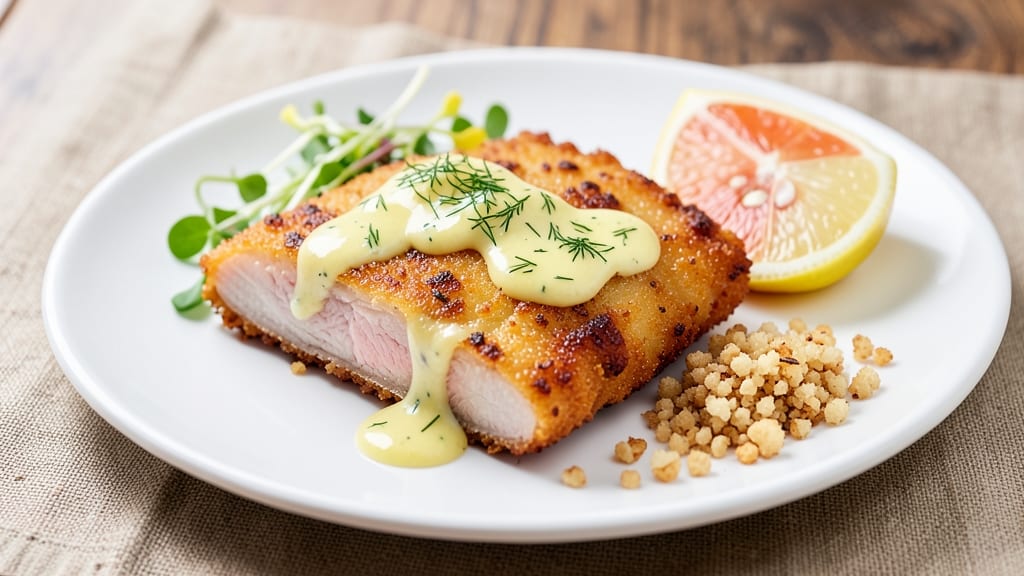
This breaded pork schnitzel recipe delivers the golden, crispy perfection of Austrian taverns—right in your kitchen. 🔥 After years of perfecting the technique at The Smoky Pig, I've cracked the code for achieving that signature shatteringly crisp exterior while keeping the meat tender inside.
The secret? A double-dredging method and precise frying temperature that transforms simple pork cutlets into restaurant-quality masterpieces.
What sets this recipe apart is the balance between tradition and practicality. We'll use a classic panko-flour-breading for maximum crunch, but I've included a gluten-free alternative for those with dietary needs.
The process is straightforward: pound the pork to even thickness, dredge in flour, egg wash, and breadcrumbs, then fry until golden brown. The result? A dish that's crispy enough to stand up to lemon wedges but tender enough to melt in your mouth.
By the time you're done, you'll have crispy gold schnitzel that's ready to serve with lemon wedges, capers, and a simple salad. The aroma alone will have everyone at the table asking what's for dinner.
This recipe proves you don't need a fancy restaurant to enjoy authentic European flavors—just a hot pan and a little patience.
The best part? Leftovers reheat beautifully in the oven, making this a perfect meal for busy weeknights or special occasions. Whether you're cooking for family or impressing guests, this schnitzel delivers the kind of crispy perfection that turns simple pork into something extraordinary. Let's get started!
Ingredients for breaded pork schnitzel
Golden, crispy perfection starts with these 13 essential ingredients—each playing its part in Austrian-style schnitzel.
| Ingredient | Amount | Notes |
|---|---|---|
| Pork Cutlets 🍖 | 1 ½ lb | Pounded to ¼-inch thickness |
| All-Purpose Flour 🌾 | 1 cup | For first dredging layer |
| Large Eggs 🥚 | 2 whole | Beaten for egg wash |
| Japanese Panko Breadcrumbs 🍞 | 1 ½ cups | For crispy exterior |
| Salt 🧂 | 1 ½ tsp | Kosher or sea salt |
| Ground Black Pepper 🌶️ | ½ tsp | Freshly cracked preferred |
| Vegetable Oil 🫒 | 2 cups | High smoke point preferred |
| Lemon Wedges 🍋 | 4 whole | For serving |
| Capers 🍃 | ¼ cup | Optional garnish |
| Fresh Parsley 🌿 | ¼ cup | Chopped for garnish |
| Gluten-Free Flour Blend 🌾 | 1 cup | Alternative for GF version |
| Gluten-Free Panko 🍞 | 1 ½ cups | Alternative for GF version |
| Unsalted Butter 🧈 | ½ cup | For reheating leftovers |
The pork cutlets are non-negotiable here—bone-in or boneless pork loin works, but avoid overly fatty cuts. Costco or local butchers often carry pre-cut cutlets, but if you're buying whole, ask for a pound of loin and pound it yourself to even thickness. That first dredge in flour is critical: King Arthur or Gold Medal brands give the best texture. Pro tip: chill the cutlets for 30 minutes before cooking to prevent curling. For the breadcrumbs, Japanese panko is a must—it's lighter and crispier than regular breadcrumbs, but if you're gluten-free, Bob's Red Mill GF panko does the trick.
No eggs? Unflavored almond milk plus 1 tbsp cornstarch makes a decent binder in a pinch. Running out of panko? Crush plain gluten-free crackers for a quick substitute—they add a nice crunch. The vegetable oil should have a high smoke point (375°F+), so canola or avocado oil is ideal. If you're frying and the oil smells off, it's time to replace it. For the gluten-free version, use a 1:1 GF flour blend and double-check your panko is certified GF—some brands contain traces of wheat. The capers and parsley are just for serving, but they add that authentic Austrian tavern touch.
Leftovers? Reheat in a 375°F oven for 10-12 minutes with a pat of butter to restore crispiness. Store cooked schnitzel in an airtight container for up to 3 days—they're best reheated, not microwaved. The breading loses crispness fast, so plan to serve within a day if possible. For extra crunch, broil for 1-2 minutes right before serving. And if you're making this ahead? Freeze uncooked cutlets—thaw and cook straight from frozen, no extra time needed.
Why You'll Love This Recipe
- Crispy in Minutes: I swear, the panko crust turns golden in just 4-5 minutes—no flipping drama, no waiting forever. That’s the magic of thin-cut pork cutlets and a hot skillet; the flour and egg set up a shield that browns faster than you can say "dinner’s ready."
- Panko Perfection: Honestly, the panko makes all the difference—it’s light, airy, and stays crispy while the inside stays juicy. No soggy breading here; it’s the kind of crunch that makes you take a second bite without thinking.
- Weeknight & Potluck Star: Between us, this is my go-to for busy nights and when I need to bring something impressive. Double the batch, freeze half—then reheat in the oven for a crowd, and no one will guess it’s from my "I can’t believe it’s this easy" recipe.
- Budget-Friendly Protein: Pork cutlets stretch further than you’d think, and panko’s cheap too. I’ll be real: I’ve served this for date nights, family dinners, and even lunchboxes (yes, cold schnitzel is weirdly addictive). Three ingredients do heavy lifting—flour, egg, panko—and that’s it.
Step-by-step instructions for Austrian-style crispy pork schnitzel
Here's how to achieve that legendary golden crust and tender interior—every time.
👨🍳 Step 1: Pound and Season the Pork Cutlets
Place each of the 1.5 lb pork cutlets between two sheets of plastic wrap. Using a meat mallet, pound them to an even ¼-inch thickness. This ensures even cooking and maximum crispiness. I press down firmly but evenly—too thin and they'll dry out, too thick and they won't cook through.
Season both sides generously with 1.5 tsp salt and 0.5 tsp ground black pepper. I like to use freshly cracked pepper for that extra pop of flavor. Let them sit at room temperature for 10 minutes while you prepare the breading station. This step is crucial—cold meat won't brown properly.
🍳 Step 2: Set Up the Breading Stations
Create three separate bowls: one with the 1 cup all-purpose flour, one with the 2 whole beaten eggs, and one with the 1.5 cups Japanese panko breadcrumbs. For gluten-free versions, use the 1 cup gluten-free flour blend and 1.5 cups gluten-free panko instead. I keep these stations organized in a triangle on my counter for efficient breading.
Here's the thing—don't skip the flour layer. It creates a barrier that helps the egg adhere better and prevents the panko from falling off during frying. I dip each cutlet in flour first, shaking off any excess, then dip into the egg wash, letting any excess drip off, and finally press into the panko, coating all sides completely.
🔥 Step 3: Fry to Golden Perfection
Heat 2 cups vegetable oil in a deep skillet to 350°F—use a thermometer to be precise. The oil should be hot enough that when you drop a small piece of bread in, it sizzles and turns golden in 30 seconds. This is your signal the oil is ready.
Working in batches (don't overcrowd the pan!), carefully slide in the breaded cutlets. Fry for 3-4 minutes per side until they're a deep, golden brown. You'll see little bubbles forming on the surface—that's when you know they're cooking properly. If they brown too quickly, reduce the heat slightly to 325°F to prevent burning.
⏰ Step 4: Drain and Rest
Transfer the fried schnitzel to a wire rack set over a paper towel-lined plate. This allows air to circulate and keeps them crispy, not soggy. Let them rest for 5 minutes before serving. I know it's tempting to eat them immediately, but this resting time helps the breading set and makes them easier to handle.
While they rest, prepare your serving plate with the 4 lemon wedges, 0.25 cup capers, and 0.25 cup chopped fresh parsley. The acid from the lemon cuts through the richness, while the capers add a briny contrast that's pure Austrian tradition. Serve immediately with the 0.5 cup unsalted butter melted on the side for dipping.
Pro Tips For Making Breaded Pork Schnitzel
- Pound Thin, Pound Even: I learned this the hard way—uneven thickness means some parts burn while others stay raw. Use a meat mallet or rolling pin to flatten the pork cutlets to ¼-inch thickness, pressing firmly in a single direction. If they resist, flip and repeat; stubborn spots will give way.
- Salt the Egg Wash: More salt than you think, especially if using unsalted butter. Mix ½ teaspoon salt into your beaten eggs before dipping—it seasons the crust from the inside out and prevents bland bites. (Yes, even if you’re impatient like me.)
- Fry in Batches, Not Crowds: Skip the urge to stuff the pan. Cook 2-3 pieces at a time in hot oil (350°F) to maintain temperature—overcrowding drops the heat and steams the breading instead of frying it. A splatter or two is normal; just keep the oil hot and steady.
- Rest Before Frying: This isn’t the prettiest method, but it’s the tastiest: after breading, let the cutlets sit 5 minutes on a wire rack. It lets the flour absorb moisture, so the panko stays crispy instead of soggy. (Your future self will thank you.)
Perfect pairings for this breaded pork schnitzel
Classic Austrian Sides
Start with a simple potato salad made with boiled potatoes, sour cream, fresh dill, and a touch of mustard—this balances the schnitzel's richness perfectly. I love adding pickled red onions for a tangy kick that cuts through the crispy breading.
For a lighter option, cucumber salad with a vinegar-based dressing and fresh herbs keeps things refreshing. 🥔
Wine Pairings
A crisp German Riesling is my go-to with schnitzel—the bright acidity and citrus notes cleanse your palate between bites. For something lighter, try a Sauvignon Blanc from New Zealand, which adds a zesty contrast.
Avoid heavy reds; they'll overpower the delicate flavors. I always keep a bottle of Dr. Loosen Blue Slate on hand for special occasions. 🍷
Beer Pairings
A German Helles Lager like Weihenstephaner Original complements the schnitzel beautifully with its malty sweetness and light body. For a hoppier option, a Belgian Witbier like Stella Artois (yes, it's Belgian!) adds a peppery note that pairs surprisingly well.
Avoid dark stouts—they'll make the dish taste heavy. I often serve this with a frosty glass of Paulaner Hefeweissbier for that authentic Austrian vibe. 🍺
Sauce Options
Skip the heavy gravies—this dish shines with minimal sauces. A simple lemon butter sauce (melted butter, lemon juice, and a pinch of salt) elevates the schnitzel without overpowering it.
For extra flair, add chopped capers and parsley to the sauce. If you prefer something tangy, a light tartar sauce with pickles and dill works wonders. 🍋
Vegetable Sides
Roasted asparagus with olive oil, salt, and a sprinkle of Parmesan is a must—its crisp-tender texture contrasts the schnitzel's crunch. For a heartier option, braised red cabbage with apples and bacon adds sweetness and depth.
I also love sautéed spinach with garlic and a splash of white wine for a quick, elegant side. 🥦
Dessert Pairings
Finish the meal with a light fruit compote—I recommend rhubarb or berries with a drizzle of honey. For something richer, Apfelstrudel (Austrian apple strudel) brings warm spices and flaky pastry to the table.
If you're keeping it simple, vanilla ice cream with a sprinkle of crushed almonds cools the palate beautifully. 🍎
Nutrition facts
Frequently asked questions
Can I use chicken or turkey instead of pork for schnitzel?
Chicken or turkey cutlets work beautifully—just be extra careful with thickness. Pound them to ¼-inch like pork, but watch closely during frying since they cook faster. For chicken, I recommend using boneless, skinless breasts or thighs. The breading process stays identical, but reduce frying time to 2-3 minutes per side to avoid overcooking.
Why did my schnitzel turn out greasy instead of crispy? Greasy schnitzel usually means one of two things: oil too hot (375°F+) or too cold (below 325°F). The ideal range is 350°F—test with a piece of bread. Also,
How do I make this recipe gluten-free?
Swap regular flour for a 1:1 gluten-free blend and use certified gluten-free panko. I recommend Bob's Red Mill GF panko—it's the closest texture to regular. For extra adhesion, mix 1 tbsp cornstarch into your egg wash. The breading will still be crispy, though slightly less sturdy than traditional versions. Always check labels on all ingredients for hidden gluten.
Can I air-fry schnitzel instead of deep-frying?
Yes! Preheat your air fryer to 375°F and spray the cutlets lightly with oil before air-frying for 8-10 minutes, flipping halfway. The results won't be quite as crispy as deep-frying, but they'll still be delicious. For extra crunch, spray with oil again before serving. This method uses 80% less oil and is perfect for weeknights when you don't want to deal with a deep fryer.
What's the best way to serve leftover schnitzel?
Reheat in a 375°F oven for 10-12 minutes with a pat of butter to restore crispiness. For extra flair, broil for 1-2 minutes at the end. Store leftovers in an airtight container for up to 3 days—they're best reheated, not microwaved. Pro tip: Freeze uncooked breaded cutlets for up to 1 month—cook straight from frozen, adding 1-2 extra minutes to frying time.