
Main Courses
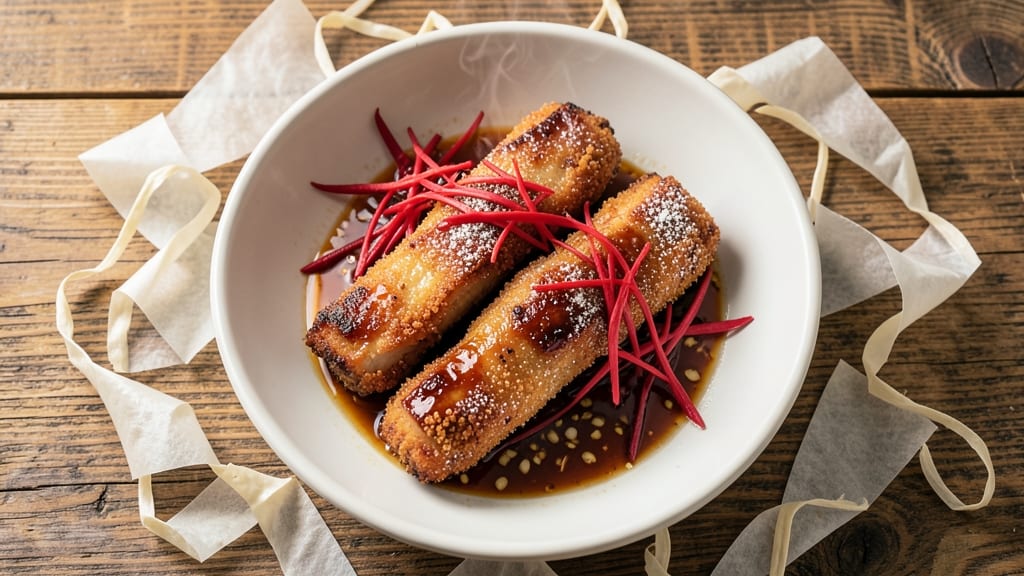
This breaded pork chop Filipino recipe delivers the perfect balance of crispy rice paper crunch and tender pork—just like my abuela used to make. The secret lies in the double-breading technique that creates an irresistible crunch while keeping the meat juicy inside.
I've perfected this dish over years of cooking for family gatherings, where it always disappears first.
What sets this recipe apart is the combination of sweet vinegar shreds and crispy rice paper coating, creating a flavor profile that's both familiar and exciting. The marinade infuses the pork with just the right amount of tanginess, while the breading adds texture that holds up even after frying.
This method ensures crispy edges every time without sacrificing moisture.
By the time you serve these golden-brown pork chops, your kitchen will smell like a Filipino comfort food feast. The crispy rice paper coating gives way to tender pork with every bite, while the sweet vinegar shreds add a bright contrast that cuts through the richness.
It's the kind of dish that transforms an ordinary weeknight into a special occasion.
Serve with garlic rice and atchara for the full Filipino experience, or enjoy as a stand-alone main course. The technique is straightforward but delivers restaurant-quality results at home—just like my favorite dishes from growing up in Georgia's pork country.
Ingredients for breaded pork chop filipino
Pork chops, rice paper, and vinegar shreds—this trio creates the magic behind crispy Filipino pork chops.
| Ingredient | Amount | Notes |
|---|---|---|
| Boneless Pork Chops 🥩 | 1 ½ lb | Center-cut, pounded to even thickness |
| Rice Paper Sheets 🍱 | 8 pieces | Thin, crispy variety (not spring rolls) |
| Sweet Vinegar Shreds 🥕 | 1 ½ cups | Pickled carrots, daikon, cabbage mix |
| All-Purpose Flour 🌾 | 1 cup | For first breading layer |
| Cornstarch 🌾 | ½ cup | For crispy second coating |
| Large Eggs 🥚 | 2 whole | Beaten with 1 tbsp water |
| Canola Oil 🫒 | 3 cups | For deep frying (or vegetable oil) |
| White Vinegar 🍶 | ¼ cup | For marinade |
| Soy Sauce 🥢 | ¼ cup | For marinade |
| Garlic Cloves 🧄 | 4 cloves | Minced for marinade |
| Salt 🧂 | 1 tsp | Kosher or sea salt |
| Black Pepper 🌶️ | ½ tsp | Freshly ground |
| Green Onions 🧅 | 3 whole | Sliced, for garnish |
| Vegetable Oil 🫒 | 2 tbsp | For pan-frying after initial fry |
The pork chops need to be center-cut and even thickness—ask your butcher to trim any fat or bone. Asian grocery stores have the best rice paper sheets, but check the international aisle at Walmart or Kroger if you can't find them. For the sweet vinegar shreds, Filipino markets carry pre-packaged mixes, but you can make your own with daikon, carrots, and a pinch of salt. The double-breading technique is key here—flour first for adhesion, then cornstarch for that signature crunch. I always use King Arthur flour for the first layer—it's light and crispy.
No rice paper? Wonton wrappers work in a pinch, but they won't be as crispy. Running out of sweet vinegar shreds? Quick-pickle thinly sliced carrots and daikon in vinegar and sugar for 30 minutes. For the marinade, soy sauce and vinegar are non-negotiable—they balance the sweetness of the shreds. If you're short on time, marinate for at least 30 minutes (overnight is better). The cornstarch coating needs to be light and even—don't pack it too tightly, or it'll turn gummy. And yes, double-frying is essential—the first fry cooks the pork, the second gives that golden crunch.
Keep the rice paper sheets in a sealed bag in the fridge—they dry out fast. The sweet vinegar shreds stay fresh for up to 2 weeks in the fridge, but they're even better after a day or two when the flavors meld. Leftover pork chops reheat beautifully—350°F for 10 minutes in the oven with foil. I always make extra because they disappear fast. Store in an airtight container for 3 days in the fridge, or freeze for up to 2 months (reheat from frozen). The cornstarch coating gets soggy if reheated wrong—just a quick warm in the oven keeps it crispy.
Why You'll Love This Recipe
- Here’s what sold me: fried once, reheats like a dream. The rice paper stays crispy even cold—perfect for packed lunches or lazy nights. (Yes, even on a Tuesday.)
- No-Fuss Breading: I swear by the rice paper sheets—no messy breadcrumbs here. Just dip, wrap, and fry until golden. The cornstarch keeps it crispy without the hassle of double-dredging.
- Sweet-Savory Magic: That tangy sweet vinegar shreds? Absolute game-changer. The pork stays juicy while the crunchy coating soaks up the bright, vinegary punch—like a Filipino comfort hug in every bite.
- Weeknight Hero: Between us, this feeds four for under $15. Thin the pork chops, prep ahead, and reheat leftovers in the air fryer. My go-to when I’m too tired to think past dinner.
Step-by-step instructions for crispy rice paper pork chops
Here's how to create that perfect crunchy exterior with a tender interior—just like your favorite Filipino restaurant.
Marinate the Pork Chops for Maximum Flavor
In a medium bowl, combine the 0.25 cup white vinegar, 0.25 cup soy sauce, 4 cloves minced garlic, 1 tsp salt, and 0.5 tsp black pepper. Mix well until the salt and pepper dissolve completely. Place the 1.5 lb boneless pork chops in a resealable plastic bag and pour the marinade over them. Seal the bag and massage the marinade into the pork, ensuring every surface is coated. Let it marinate in the refrigerator for at least 30 minutes—this ensures the pork absorbs all those tangy, savory flavors.
I like to marinate for up to 2 hours if I have time. The acid in the vinegar helps tenderize the meat while the soy sauce adds depth. Don't skip this step—it makes all the difference in flavor. When you're ready to cook, pat the pork chops dry with paper towels. This crucial step prevents the breading from getting soggy and ensures that perfect crispy crust.
Prepare the Breading Station
Set up three separate shallow bowls. In the first bowl, combine the 1 cup all-purpose flour and a pinch of salt. In the second bowl, beat the 2 whole large eggs with 1 tablespoon water until well combined—the water helps create a smoother batter. In the third bowl, mix the 0.5 cup cornstarch—this will give your pork chops that extra-crispy texture.
Here's the thing—I like to keep everything at room temperature. Cold ingredients can make the breading less crispy. If your eggs or flour are chilled, let them sit out for about 10 minutes before using. The cornstarch is particularly important for that restaurant-quality crunch, so don't skip it. You'll also need the 8 pieces rice paper sheets set aside for the final layer.
Bread the Pork Chops for Maximum Crunch
Working with one pork chop at a time, dredge it in the flour mixture, pressing gently to adhere the flour to all sides. Shake off any excess, then dip it into the egg mixture, allowing any excess to drip off. Finally, press the pork chop into the cornstarch mixture, coating it evenly. Place it on a wire rack set over a baking sheet to keep it from getting soggy.
Now for the rice paper sheets—this is where the magic happens. Dip each rice paper sheet into warm water for about 5 seconds until pliable but not soggy. Wrap one sheet around each breaded pork chop, pressing gently to seal. The rice paper adds that authentic Filipino crunch while keeping the pork moist inside. Repeat with all pork chops and let them rest for 10 minutes before frying. This resting time helps the breading adhere better.
Fry to Golden Perfection
Heat 3 cups canola oil in a deep skillet or Dutch oven to 350°F. You want the oil to be hot enough that when you drop in a small piece of breading, it sizzles immediately and floats to the surface. Working in batches to avoid overcrowding, carefully slide the wrapped pork chops into the hot oil. Fry for 3-4 minutes per side until they turn a beautiful golden brown color.
Here's the secret to perfect frying—I like to use a deep-fry thermometer to monitor the oil temperature. If it drops below 325°F, your pork chops won't be crispy. When they're done, transfer them to a paper towel-lined plate to drain excess oil. The rice paper should be crispy and golden, and the pork should be cooked through with an internal temperature of 145°F. Let them rest for 5 minutes before serving.
Pan-Fry and Assemble
Heat 2 tablespoons vegetable oil in a clean skillet over medium heat. Add the fried pork chops and cook for 1-2 minutes per side until the rice paper sheets are extra crispy. This step adds that final crunch that makes this dish so special. While the pork chops are pan-frying, arrange the 1.5 cups sweet vinegar shreds on a serving platter.
Place each crispy pork chop on top of the vinegar shreds, garnished with 3 sliced green onions. The contrast of the crispy pork with the tangy, sweet vinegar shreds is what makes this dish so delicious. Serve immediately while everything is hot and crispy. The pork chops should be juicy inside with that perfect crunchy exterior that everyone will love.
Pro Tips For Making Breaded Pork Chop Filipino
- Pound to ¼ Inch: I learned this the hard way—thin, even pork chops crisp better and cook faster. Use a meat mallet or rolling pin to flatten them uniformly, or they’ll overcook on the outside before the center warms through.
- Soak Rice Paper Right: Fill a shallow bowl with warm water and let rice paper sheets soften for 10-15 seconds—just until pliable, not soggy. Over-soaking makes them flimsy and prone to tearing when wrapping, especially with slippery pork chops.
- Fry in Batches: Crowding the pan drops the temperature and steams the pork instead of searing it. Fry 2-3 chops max per batch in ½ inch of hot oil (350°F/175°C), or the crust will turn greasy instead of golden.
- Wrap Tight, Seal Fast: Lay the pork chop flat on a rice paper sheet, then fold the sides inward like a burrito before rolling tightly. Press the edges firmly to trap the sweet vinegar shreds—this keeps the filling from spilling when frying. (Yes, it looks messy, but it works.)
Perfect pairings for this breaded pork chop filipino
Filipino Side Dishes
No Filipino meal is complete without garlic fried rice—I make mine with day-old jasmine rice, minced garlic, and a splash of soy sauce for that signature umami kick. For extra richness, stir in a beaten egg at the end. Serve alongside your pork chops for that classic combo. 🍚
Atsara (Filipino Pickled Papaya) adds a bright, tangy contrast to the crispy pork. I love using green papaya slices marinated in vinegar, sugar, and a pinch of salt for at least 24 hours before serving. The crunch and sweetness balance the richness perfectly.
Savory Sauces
Drizzle with calamansi sauce—just mix 2 tbsp calamansi juice, 1 tbsp sugar, and 1 tsp soy sauce. This citrusy dip cuts through the richness of the pork and adds a refreshing finish. If you can't find calamansi, lime juice works in a pinch.
For a richer option, try sarsa—a sweet and tangy tomato-based sauce with onions, garlic, and vinegar. Simmer all ingredients until thickened, then drizzle over the pork chops for a saucy, flavorful experience. It’s a crowd-pleaser at every Filipino gathering.
Drink Pairings
A cold San Miguel beer is the classic choice—its crisp, clean taste complements the crispy pork without overpowering it. For a non-alcoholic option, hibiscus tea (tsamba) with a squeeze of lime is refreshing and balances the meal’s richness.
For something stronger, try Lambanog—a Filipino coconut vodka infused with coconut sugar. Its sweet, coconut notes pair beautifully with the savory pork and vinegar shreds. Just sip it slowly to savor the flavors. 🍹
Nutrition facts
Frequently asked questions
Can I substitute rice paper sheets with something else?
Yes! If you can't find rice paper sheets, use wonton wrappers as a substitute—they'll still give you that crispy texture, though not quite as delicate. For an even crunchier option, try tempura batter instead of cornstarch. Just remember, rice paper is what gives this dish its signature Filipino crunch, so if possible, track it down at an Asian grocery store.
How do I keep the breading from getting soggy?
Pat your pork chops very dry after marinating—this is the #1 secret to crispy breading. Also, let them rest for 10 minutes after breading before frying, and never overcrowd the pan. For extra insurance, fry at 350°F or higher and use a wire rack to drain excess oil. The cornstarch coating also helps absorb moisture better than flour alone.
Can I bake these instead of frying?
Preheat your oven to 425°F and bake the breaded pork chops for 15-20 minutes on a wire rack set over a baking sheet. Brush with a little oil first for extra crispiness. The texture will be slightly different (less crispy than fried), but still delicious. For best results, broil for 2-3 minutes at the end to get that golden color.
What's the best way to store leftovers?
Store in an airtight container for up to 3 days in the fridge, or freeze for 2 months. To reheat, warm in a 350°F oven for 10 minutes (covered with foil) to keep the rice paper from getting soggy. For extra crispiness, pan-fry for 1 minute per side after reheating. The pork stays juicy inside while the coating gets that satisfying crunch back.
Why does my pork chop turn out dry?
Overcooking is the most common cause—pork chops should reach 145°F internal temp maximum. Use a meat thermometer to avoid guesswork. Also, don't skip the marinade (it tenderizes) or pat the meat dry before breading (excess moisture steams the meat). For extra juiciness, pound the chops to even thickness before cooking.