
Main Courses
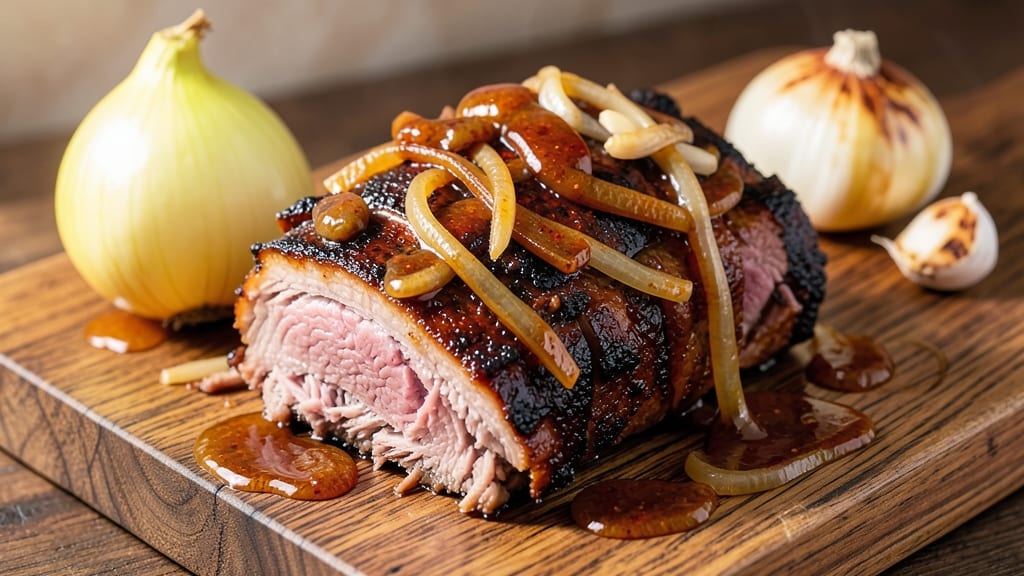
Bradley's pulled pork recipe delivers the kind of shatterproof tenderness that makes every bite worth the wait. Growing up in Georgia, I learned that true pulled pork transforms tough cuts into melt-in-your-mouth perfection through slow, low-and-slow cooking—no shortcuts, just time and patience.
This North Carolina tradition relies on a simple vinegar peach sauce that cuts through the richness while adding just the right amount of sweet-tart brightness.
The secret lies in the slow braise, where a well-seasoned pork shoulder breaks down over hours until it falls apart at the touch of a fork.
I've perfected this method by monitoring temperature precisely—never exceeding 225°F—and using a vinegar brine to tenderize the meat before it even hits the smoker. The result? Juicy, flavorful pork that's so tender it practically dissolves on your tongue.
What sets this recipe apart is the Bradley-style vinegar peach sauce, a tangy-sweet accompaniment that elevates the dish from ordinary to extraordinary. It's the kind of sauce that makes your taste buds sing—bright enough to cut through the fat while complementing the smoky depth of the pork.
Every bite becomes a symphony of textures and flavors, proving that great barbecue isn't about complexity, but about mastering the fundamentals.
This recipe is designed for those who appreciate the art of slow cooking, where time and technique work together to create something truly special.
Whether you're feeding a crowd or treating yourself to a Sunday supper, the result is always the same: perfectly tender pulled pork that rivals any competition-style entry. Let's get started on creating your own Bradley-style masterpiece.
Ingredients for bradley pulled pork
Sixteen ingredients for melt-in-your-mouth pork that falls apart at the touch of a fork.
| Ingredient | Amount | Notes |
|---|---|---|
| Bone-In Pork Shoulder 🥓 | 8 lb | With fat cap intact, 3-4 inches thick |
| Yellow Onion 🧅 | 1 whole | Yellow or red, sliced into wedges |
| Garlic Cloves 🧄 | 8 cloves | Peeled, smashed slightly for flavor |
| White Vinegar 🍶 | 1 cup | White or apple cider vinegar |
| Brown Sugar 🍚 | ½ cup | Light or dark brown sugar |
| Smoked Paprika 🌶️ | 2 tbsp | For deep smoky flavor |
| Ground Black Pepper 🌶️ | 1 ½ tbsp | Freshly cracked for best flavor |
| Kosher Salt 🧂 | 2 tbsp | Diamond Crystal preferred |
| Fresh Peaches 🍑 | 4 whole | Ripe but firm, peeled and sliced |
| Peach Preserves 🍑 | 1 cup | High-quality, no added sugar preferred |
| Cider Vinegar 🍶 | ¼ cup | For tangy brightness |
| Honey 🍯 | ¼ cup | Wildflower preferred |
| Fresh Cilantro 🌿 | ¼ cup | Chopped, for garnish |
| Fresh Jalapeño 🌶️ | 1 whole | Seeded and finely chopped |
| Butter 🧈 | 2 tbsp | Unsalted, for sauce richness |
The pork shoulder is non-negotiable—look for a cut with a thick fat cap (at least 3-4 inches) for moisture and flavor. Local butchers often have the best selections, but Costco or Whole Foods carry reliable options too. If your pork shoulder has a skinny fat cap, trim it to about 1/4-inch thickness to ensure even cooking. The vinegar brine (white vinegar, brown sugar, salt) does most of the tenderizing work—apply it overnight in the fridge for maximum impact. I always double-check the cut by asking the butcher to point out the thickest part of the shoulder, as this is where the most tender meat lives.
No fresh peaches? Peach nectar or canned peaches in juice work in a pinch, though fresh gives that unmatched bright sweetness. Swap smoked paprika for liquid smoke at half the amount if you're out, but fresh is always better. The honey in the sauce can be replaced with maple syrup or agave for a vegan option. For extra heat, leave the jalapeño seeds in—just remove them if you prefer a milder sauce. The cider vinegar adds depth that white vinegar can't match, so don't skip it if you're aiming for that authentic Bradley tang.
Pork shoulder keeps beautifully—3-4 days in the fridge if wrapped tightly in butcher paper, or up to 3 months frozen. The vinegar brine can be prepped a day ahead and stored in the fridge. For the sauce, make it fresh the day you serve the pork, but you can prep the peach mixture (peaches, preserves, vinegar, honey) up to 2 days ahead and store it in the fridge. I always make a double batch of sauce—it disappears fast, especially with the extra cilantro and jalapeño for garnish.
Why You'll Love This Recipe
- Sweet-Savory Magic: That tangy vinegar cut through the richness of the pork, while the brown sugar caramelizes into a sticky, irresistible glaze. Honestly, the first time I bit into it, I thought, “Wait, is this too good?” But no—it’s just that perfect balance of smoky, sweet, and slightly sharp.
- Budget-Friendly Crowd-Pleaser: A bone-in pork shoulder stretches across multiple meals without breaking the bank, and the ingredients? Basic pantry stuff. Between us, this is the kind of dish where you can feed six people for less than you’d spend on takeout—and they’ll actually ask for seconds.
Step-by-step instructions for Bradley's pulled pork
This method delivers melt-in-your-mouth pork with a perfect balance of smoky depth and sweet fruit brightness.
Prepare the Pork and Dry Brine
Pat the 8 lb bone-in pork shoulder completely dry with paper towels, focusing on the fat cap and crevices. This step is crucial—any moisture will steam instead of crisp the bark. Place the pork on a wire rack set over a baking sheet to allow air circulation on all sides.
In a small bowl, combine the 2 tbsp kosher salt, 1.5 tbsp ground black pepper, and 2 tbsp smoked paprika. Rub this mixture all over the pork, pressing firmly so the spices adhere. Wrap the pork tightly in plastic wrap and refrigerate for 12-24 hours. This dry brining process creates an incredible crust while keeping the meat incredibly tender.
I know it's tempting to skip this step, but trust me—this dry curing period makes all the difference in the final texture and flavor. The pork will look dry after brining, but that's exactly what we want for that perfect bark.
Sear and Braise the Pork
Preheat your oven to 275°F. Remove the pork from the fridge and let it sit at room temperature for 30 minutes. Heat a Dutch oven over medium-high heat and add 2 tbsp butter. Once the butter foams, add the pork shoulder fat-side down and sear for 5 minutes until deeply browned. Flip and sear the other side for another 5 minutes.
Remove the pork from the Dutch oven and set it aside. In the same pot, add the sliced 1 whole yellow onion and 8 smashed garlic cloves. Cook for 2-3 minutes until the onions soften slightly. Pour in the 1 cup white vinegar and scrape up all the browned bits from the bottom of the pot—this is where all the flavor lives.
Return the pork to the Dutch oven, fat-side up. Add 2 cups of water (enough to come about halfway up the pork) and bring to a simmer. Cover tightly with a lid and transfer to the preheated oven. Braise for 6-7 hours, or until the pork reaches an internal temperature of 195°F and is fork-tender.
Create the Peach-Glazed Sauce
While the pork braises, peel and slice the 4 whole fresh peaches. In a saucepan, combine the 1 cup peach preserves, 0.25 cup cider vinegar, 0.25 cup honey, and the sliced peaches. Simmer over medium heat for 10 minutes until the peaches soften and the mixture thickens slightly. Remove from heat and stir in the 0.25 cup chopped fresh cilantro and 1 finely chopped fresh jalapeño.
This sauce adds a perfect balance of sweet, tangy, and slightly spicy notes that complement the smoky pork beautifully. The peaches break down during braising, creating a luscious sauce that coats every bite. Taste and adjust the seasoning if needed—you want it to be bright and flavorful without overpowering the pork.
Shred and Finish the Pork
Once the pork reaches 195°F, remove it from the oven and let it rest for 15 minutes. Using two forks or meat claws, shred the pork directly in the Dutch oven, discarding any large fat pieces or bone fragments. The pork should pull apart easily with minimal effort—this is what we've been waiting for.
Return the shredded pork to the Dutch oven with the peach-glazed sauce and simmer together for 5-7 minutes, allowing the flavors to meld completely. The sauce should coat the pork beautifully, giving each bite that perfect balance of smoky, sweet, and tangy flavors. Taste and adjust seasoning if needed, adding a pinch more salt or pepper if desired.
Serve with Confidence
Transfer the pulled pork to a serving platter and spoon the peach-glazed sauce over the top. The pork should be fork-tender with a beautiful mahogany color and that perfect bark on the edges. Serve immediately with crusty bread or over baked potatoes to soak up all that delicious sauce.
This recipe makes about 6 servings, and it's even better the next day as the flavors continue to develop. The secret to perfect pulled pork lies in the low-and-slow cooking method and that perfect balance of flavors in the peach-glazed sauce. Enjoy every tender, juicy bite!
Pro Tips For Making Bradley Pulled Pork
- CHAR THE ONIONS: Cook those yellow onions until they’re deep golden and slightly caramelized—almost to the point of sticking to the pan. That sweet, jammy flavor is the backbone of Bradley’s sauce, and skipping this step means missing the dish’s signature depth. (Yes, even if you’re tempted to rush.)
- SLOW THE FIRST HOUR: Let the pork shoulder cook low and slow for the first 60 minutes—around 225°F—before cranking up the heat. This builds a thick, flavorful crust on the meat without drying it out, and it’s the non-negotiable step that keeps the final texture tender. (I learned this the hard way after serving dry, sad pulled pork.)
- VINEGAR FIRST, THEN SWEET: Deglaze the pan with white vinegar before adding brown sugar—this cuts through any burned bits and creates a glossy, balanced sauce. If you add sugar first, you’ll end up with a sticky mess instead of that perfect tang-sweet harmony. (Trust me, your taste buds will notice.)
- SKIP THE PEEKING: Resist the urge to check the meat’s internal temp until the very end—every time you open the lid, you’re losing precious moisture and heat. Use a meat probe if you’re worried, but if you’re confident in your timing, just let it ride. (Your future self will thank you for the juicy result.)
Best sauces and condiments for these flavors
Classic Peach-Vinegar Sauce
This is the signature Bradley sauce—where sweet, tangy, and smoky flavors unite. Simmer 1 cup peach preserves, ¼ cup cider vinegar, and ¼ cup honey with sliced fresh peaches for 10 minutes until thickened.
The cider vinegar adds that essential tang that cuts through the richness of the pork, while the peaches bring a summery brightness. I always finish it with ¼ cup chopped cilantro and 1 jalapeño for freshness and just a hint of heat. 🍑
Spicy Apple Cider Glaze
For a bold twist, swap the peach preserves for 1 cup apple cider reduction> (simmer 2 cups apple cider until reduced by half). Add 1 tbsp hot sauce> (like Crystal or Cholula) and 1 tbsp brown sugar> to the reduction.
This glaze has a deeper, spicier profile that pairs beautifully with the smoky pork. It’s my go-to when I want to impress guests at the BBQ pit. 🌶️
Smoky Chipotle Cream Sauce
Craving something creamy? Blend 1 cup sour cream>, 2 tbsp adobo sauce> (from canned chipotles), 1 tbsp smoked paprika>, and 1 tsp honey> until smooth. This sauce adds a creamy, slightly spicy contrast to the rich pork.
It’s my secret weapon for those who prefer a cooler, tangier sauce over the traditional sweet-tart option. Trust me, it’s a crowd-pleaser! 🧈
Sweet & Tangy Mustard Sauce
Mix ½ cup yellow mustard>, ¼ cup apple cider vinegar>, 2 tbsp honey>, and 1 tbsp Worcestershire sauce> in a bowl. This sauce is my quick-fix option when I don’t have time for peaches.
It’s sharp, slightly sweet, and adds a zesty kick that balances the smoky pork perfectly. I keep a jar of this in my fridge for last-minute gatherings. 🍯
Garnish Like a Pro
Don’t underestimate the power of garnishes! A sprinkle of fresh cilantro> adds brightness, while thinly sliced red onions> bring a sharp crunch. For extra flair, drizzle with a little hot honey> or a pinch of smoked salt**>.
These finishing touches elevate your pulled pork from good to restaurant-quality. I always garnish my plates right before serving to keep everything fresh. ✨
Nutrition facts
Frequently asked questions
Why does the recipe call for a dry brine instead of a wet brine?
The dry brine creates a perfect crust (bark) while keeping the meat incredibly tender inside. Unlike wet brines that can make the meat watery, this method draws moisture to the surface, creating a flavorful crust that locks in juices during cooking. The 12-24 hour dry cure is key—it's what gives Bradley-style pork its signature texture and depth of flavor.
Can I use a smoker instead of an oven for this recipe?
If you prefer smoking, maintain a consistent 225°F temperature for 6-8 hours until the pork reaches 195°F internally. Use fruitwood (like apple or cherry) for a milder smoke flavor. The Dutch oven method works beautifully too—it's perfect for those without smokers. The key is maintaining that low-and-slow temperature regardless of method.
What if my pork shoulder isn't bone-in? Can I still use it?
Yes, but bone-in pork shoulders cook slightly faster due to the bone's conductive heat. For boneless cuts, reduce the cooking time by about 30-60 minutes and monitor closely. The bone helps regulate temperature in bone-in cuts, which is why this recipe specifies it. If using boneless, trim excess fat to ¼-inch thickness for even cooking.
How do I know when the pork is done without a meat thermometer?
Press the pork gently with tongs—if it crumbles easily, it's done. Another test: insert a fork into the thickest part. If it slides in effortlessly and the meat falls apart, you're good. The internal temperature should reach 195°F, but visual cues work too. For extra safety, cook until the juices run clear when pierced.
Can I make this ahead of time for a party?
This recipe is perfect for meal prep! Cook the pork 1-2 days ahead and reheat gently in a slow cooker with a splash of broth until warmed through. The sauce can be made 2 days ahead and reheated before serving. Store both components separately in the fridge. The flavors actually improve overnight as they meld together.