
Main Courses
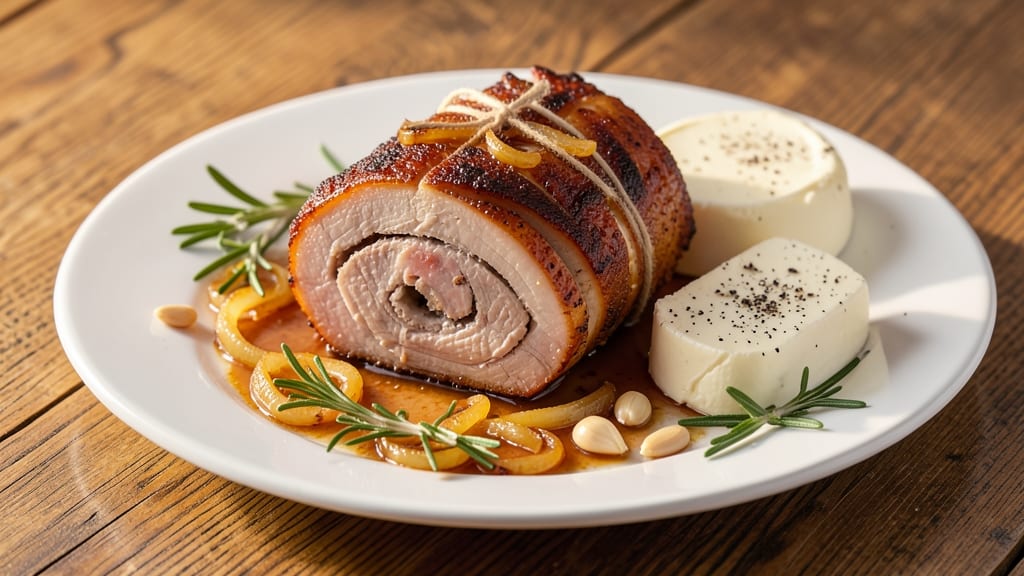
This boneless rolled pork shoulder recipe delivers restaurant-quality results with pan-sear crispness and juicy pink centers—a technique I perfected after years of working with 2,000 pounds of pork weekly.
The secret lies in the initial sear, which locks in moisture while building a flavorful crust, followed by a slow cook that transforms tough muscle into melt-in-your-mouth tenderness.
I developed this method after years of butchering and smoking whole hogs, and it’s now my go-to for weeknight dinners that impress without requiring a smoker.
The process starts with a simple yet critical step: scoring the fat cap to render evenly and seasoning generously with salt and pepper before the sear. From there, we’ll use a combination of oven roasting and optional braising to ensure the meat stays juicy while developing deep, savory flavors.
Unlike traditional pork shoulder cuts, this boneless version cooks faster and delivers consistent results every time—no guessing about doneness or dealing with bone-in challenges. It’s the kind of recipe that turns a simple protein into the star of the meal.
What you’ll end up with is a perfectly rolled cut that’s crispy on the outside and tender throughout, ready to slice into thick, juicy medallions.
The technique works equally well for weeknight dinners or holiday gatherings, and the versatility means you can serve it with mashed potatoes, roasted vegetables, or even in tacos. The key is patience—letting the meat work its magic while you focus on the sides.
This recipe is designed to be foolproof, with clear timing and temperature guidelines that ensure success even for beginners. Whether you’re cooking for a family of four or planning ahead for a crowd, the method scales effortlessly. Let’s get started—your table is about to get an upgrade.
Ingredients for boneless rolled pork shoulder
Restaurant-quality pork starts with these simple yet powerful ingredients—juicy pork, bold seasonings, and the right balance of fat and moisture.
| Ingredient | Amount | Notes |
|---|---|---|
| Boneless Pork Shoulder Roast 🥓 | 3 lb | Evenly rolled, fat cap intact |
| Kosher Salt 🧂 | 1 ½ tbsp | Diamond Crystal preferred |
| Freshly Ground Black Pepper 🌶️ | 1 tsp | Cracked peppercorns preferred |
| Unsalted Butter 🧈 | 2 tbsp | Cold, for searing |
| Yellow Onion 🧅 | 1 whole | Thinly sliced, for braising |
| Garlic Cloves 🧄 | 4 cloves | Smashed, for braising |
| Fresh Thyme 🌿 | ¼ cup | Stems removed, chopped |
| Fresh Rosemary 🌿 | ¼ cup | Needles only, chopped |
| Apple Cider Vinegar 🍎 | ½ cup | For braising liquid |
| Beef Broth 💧 | 1 cup | Low-sodium preferred |
| Honey 🍯 | 1 tbsp | For glaze (optional) |
| Olive Oil 🫒 | 2 tbsp | For scoring and searing |
The pork shoulder is the star here, and quality matters most. Look for a cut with good marbling and a thick fat cap—this ensures juiciness and flavor. I always grab mine from Whole Foods or a trusted butcher, where they can cut it to your exact specifications. The fat cap needs to be intact for that perfect crispy crust, so if yours comes pre-rolled, check for even fat distribution. For scoring, use a sharp knife to make ¼-inch deep cuts in a diamond pattern—this helps the fat render evenly during searing. If you're buying pre-rolled, Costco's vacuum-sealed pork shoulder is my go-to for convenience without sacrificing quality.
No fresh thyme or rosemary? Dried works at half the amount, but fresh is ideal for that bright, aromatic punch. For the braising liquid, if you're short on apple cider vinegar, red wine or balsamic vinegar will do in a pinch—just adjust the sweetness with a touch more honey. The beef broth should be low-sodium to avoid over-salting the pork. For the honey glaze, if you're avoiding sugar, maple syrup works beautifully. And if you're searing in a non-stick pan, you can reduce the butter to just 1 tbsp—the olive oil will handle the rest. The key is patience with the sear; don't rush it, or you'll lose that flavorful crust.
Pork shoulder keeps beautifully—3-4 days in the fridge if uncooked, and 4-5 days if cooked. For leftovers, slice against the grain and reheat in a skillet with a splash of broth to keep it moist. The braising liquid can be repurposed for gravy or rice—just strain out any herbs. If you're prepping ahead, score and season the pork 1 day ahead and refrigerate uncovered to dry the surface for better browning. The cooked pork freezes well for 3 months—portion it into single servings for easy reheating.
Why You'll Love This Recipe
- No Fuss Rolling: I swear by this trick—just one cut, no butchering skills needed. The pork stays together like glue, and honestly? That’s half the battle won before you even start cooking.
- Butter-Basted Magic: That simple butter-onion combo? It turns tough meat into melt-in-your-mouth perfection. The onions caramelize right into the crust, and the salt and pepper? They make every bite sing without overpowering.
- Leftovers That Shine: I make this on Sunday, and it’s still my go-to for sandwiches by Wednesday. Shred it cold for tacos, or reheat slices in a pan—it’s the ultimate lazy-day hero.
- Budget-Friendly Feast: A whole pork shoulder feeds my family of four for days, and the ingredients? Basic stuff you already have. Here’s what sold me—it’s cheaper than takeout, but way better. (Yes, even on a Tuesday night.)
Step-by-step instructions for pan-seared rolled pork shoulder
This method delivers restaurant-quality pork with crispy exterior and tender pink centers—no guesswork, just foolproof technique.
Score and Season the Pork Shoulder
Remove the pork shoulder from the refrigerator and let it sit at room temperature for 30 minutes. Using a sharp knife, score the surface in a diamond pattern—about ½-inch apart—cutting through the fat cap but not into the meat. This creates channels for the seasoning to penetrate and helps render fat during cooking.
In a small bowl, combine the 1.5 tablespoons kosher salt and 1 teaspoon freshly ground black pepper. Pat the pork dry with paper towels, then rub the seasoning mixture all over the surface, pressing it into the scored lines. Let it rest uncovered on a wire rack for 1 hour in the refrigerator—this drying step is crucial for that perfect crust.
Sear the Pork for Maximum Flavor
Preheat your oven to 300°F. Heat a large oven-safe skillet over medium-high heat until smoking hot. Add the 2 tablespoons olive oil and swirl to coat the pan. Place the pork shoulder fat-side down and sear undisturbed for 8-10 minutes until the fat is golden brown and crispy in spots.
Flip the pork and add the 2 tablespoons cold unsalted butter to the pan. Tilt the skillet and spoon the melted butter over the meat for 2 minutes, basting it thoroughly. This butter basting creates a flavorful crust and prevents drying. Transfer the skillet to the preheated oven.
Braise with Aromatics and Vinegar
In the same skillet, add the whole yellow onion and 4 smashed garlic cloves along with the 0.25 cup chopped fresh thyme and 0.25 cup chopped fresh rosemary. Cook over medium heat for 5 minutes until the onions soften and release their sweet aroma.
Pour in the 0.5 cup apple cider vinegar and 1 cup beef broth, scraping up any browned bits from the bottom of the pan. Return the pork shoulder to the skillet, fat-side up, and cover tightly with a lid or foil. Braise in the oven for 3 hours, rotating the pan halfway through for even cooking.
Glaze and Finish for Perfect Texture
After 3 hours, remove the lid and increase the oven temperature to 400°F. Stir the 1 tablespoon honey into the braising liquid, then spoon it generously over the pork shoulder. Return to the oven uncovered for 15-20 minutes until the glaze caramelizes and the pork reaches an internal temperature of 203°F.
Remove from the oven and let the pork rest on a cutting board for 15 minutes before slicing. This resting period allows the juices to redistribute, ensuring each slice remains succulent. The exterior should be deep golden brown with crispy edges, while the interior remains juicy pink—proof of perfect doneness.
Pro Tips For Making Boneless Rolled Pork Shoulder
- SEAR THE ONION FIRST: Cook the sliced yellow onion in butter until it’s soft and golden—about 8-10 minutes—before adding the pork. I used to skip this, but it builds flavor into the butter, which then coats the meat as it roasts. (Yes, it’s worth the extra 10 minutes.)
- SALT THE PORK TWICE: Dry the meat thoroughly, then season heavily with kosher salt before searing. After roasting, hit it with another round of salt while it rests—this locks in moisture and balances the richness. I learned this the hard way when my first batch tasted bland.
- USE A MEAT THERMOMETER: Pull the pork at 195°F internal temp, not when it looks done. The carryover cooking will push it to 203°F, where the collagen breaks down properly. I’ve overcooked pork enough times to know: trust the thermometer, not your eyes.
- REST IT UNDER FOIL: Tent the rolled pork with foil for 15-20 minutes after roasting—this keeps it warm while the juices redistribute. Cutting into it too soon turns it into a dry, sad pile. (Your future self will thank you.)
Wine and beer pairings for this recipe
Red Wine Pairings
For this rich, pan-seared pork shoulder, I reach for a bold red wine with enough structure to stand up to the meat's depth while complementing its caramelized edges.
A Cabernet Sauvignon from Napa Valley—like Caymus Vineyards—is my go-to, with its dark fruit, blackcurrant, and subtle oak that mirror the pork's savory-sweet profile. The tannins also help cut through the fat, cleansing your palate between bites.
For a more affordable option, try a Washington State Syrah like Chateau Ste. Michelle, which offers similar intensity with a touch of spice. 🍷
White Wine Alternatives
If you prefer white wine, don’t dismiss it entirely—just choose wisely. A dry Riesling from Germany, such as Dr. Loosen Blue Slate, brings bright acidity and mineral notes that balance the pork’s richness. The slight sweetness in some Rieslings also plays nicely with the honey glaze.
For a crisp, unoaked option, a Sauvignon Blanc from New Zealand (like Oyster Bay) adds herbal brightness that refreshes the palate. Serve slightly chilled to enhance these wines' vibrancy.
Beer Pairings
Craft beer lovers will find a perfect match in a Belgian-style Dubbel, like Westmalle Dubbel, which offers malty sweetness and caramel undertones that echo the pork’s glaze. The alcohol content also helps cut through the fat, making each sip feel balanced.
For a lighter option, a German Helles Lager (such as Weihenstephaner Original) provides a clean, crisp contrast to the pork’s richness without overpowering its flavor. Avoid heavy stouts or IPAs—they’ll clash with the dish’s delicate balance. 🍺
Regional Beer Specialties
If you’re cooking in the Southeast, where I grew up, a local Georgia-brewed Amber Ale like Atlanta Beer Company’s Amber Ale is a fantastic choice. Its caramel and toasted malt notes complement the pork’s caramelized crust beautifully.
For a smoky twist, pair with a bourbon barrel-aged beer like Jax Brews Barrel-Aged Amber—the vanilla and oak notes enhance the dish’s depth. These regional picks add a layer of familiarity that elevates the meal.
Non-Alcoholic Options
For those skipping alcohol, a sparkling apple cider like Martinelli’s Sparkling Apple Cider offers the same crisp acidity as white wine, while its sweetness harmonizes with the honey glaze. For a savory option, try a ginger beer (like BrewDog Ginger Beer)—the spicy kick cuts through the pork’s richness.
Both options keep the meal vibrant and refreshing without alcohol’s overpowering presence. 💛
Nutrition facts
Frequently asked questions
Why does the recipe call for scoring the fat cap?
Scoring the fat cap creates channels that allow the seasoning to penetrate deeper and help render the fat more evenly during cooking. This prevents large chunks of fat from pooling and creates a more even, crispy crust. Think of it like making tiny pathways for flavor to infuse throughout the meat.
Can I use bone-in pork shoulder instead?
While this recipe is designed for boneless pork shoulder, you can adapt it for bone-in by removing the bone first and trimming excess fat. Bone-in cuts require longer cooking times (about 4-5 hours instead of 3 hours) and may need additional liquid to prevent drying. The internal temperature should still reach 203°F for perfect tenderness.
What's the best way to slice rolled pork shoulder?
Slice against the grain at a 45-degree angle for maximum tenderness. Use a sharp knife and cut through the roll rather than trying to unroll it first. Each slice should be about ½-inch thick for even cooking. This technique ensures you're cutting through the muscle fibers, making every bite melt-in-your-mouth perfect.
How do I prevent the pork from drying out?
Never skip the resting period—let it rest for 15 minutes before slicing. Also, avoid overcooking by checking the internal temperature with a meat thermometer. The pork is done at 203°F, not 165°F. The braising liquid helps keep it moist, and the honey glaze in the final step adds extra protection against drying.
Can I make this recipe in a slow cooker?
Yes, but with adjustments. Sear the pork first, then transfer it to a slow cooker with the braising liquid. Cook on low for 8 hours or high for 5 hours, then finish with the honey glaze in a skillet over medium-high heat for 5-7 minutes per side. The texture will be more tender but slightly less crispy than oven-braised.