
Main Courses
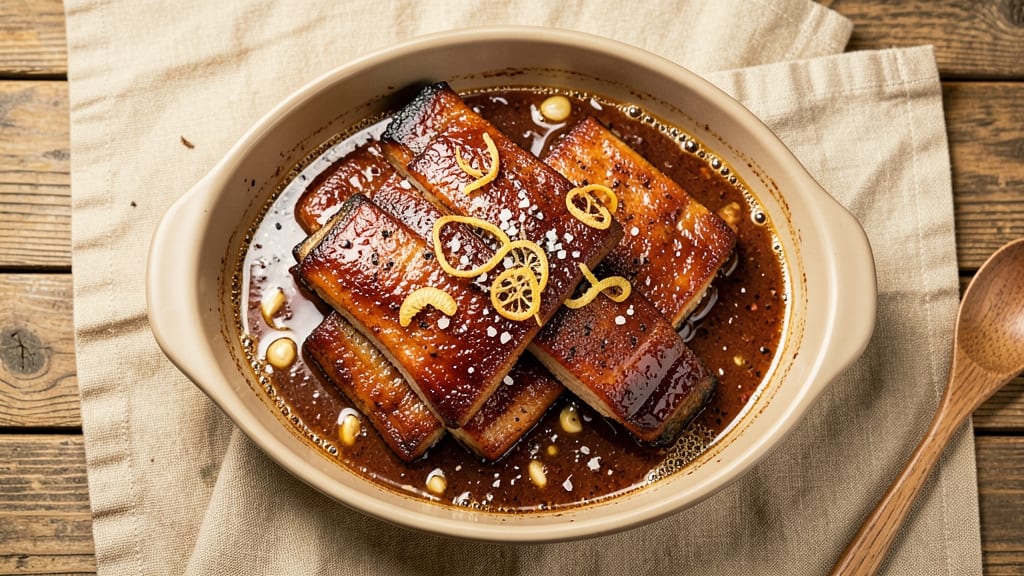
This boneless pork spare ribs slow cooker recipe delivers melt-in-your-mouth tenderness with minimal effort—no dryness, no fuss, just restaurant-quality results that transform weeknight dinners.
I perfected this method after years of slow-cooking experiments, where I finally cracked the code for juicy, fall-apart ribs using just the right liquid ratio and timing. The secret lies in balancing moisture and heat to keep every bite silky while developing deep, smoky flavors.
What makes this recipe work is the combination of a simple marinade and the slow cooker's gentle heat, which breaks down the connective tissue without overcooking the meat. You'll start with boneless pork spare ribs, which cook faster than their bone-in counterparts, making this the perfect solution for busy evenings.
The marinade—garlic, soy sauce, and brown sugar—infuses flavor while keeping the meat tender throughout the cooking process.
By the time you're ready to serve, your ribs will be effortlessly shreddable, with a glossy sheen and rich, caramelized edges. The sauce thickens naturally as it cooks, creating a sticky, flavorful coating that clings to every bite.
This is the kind of meal that feels indulgent but requires less than 30 minutes of active prep time—ideal for feeding a crowd or meal prepping for the week.
Serve with crusty bread to soak up the sauce or alongside roasted vegetables for a complete meal. The beauty of this recipe is its versatility—it works as a main dish, a party appetizer when sliced thin, or even in tacos. Here's how to make it happen without the guesswork.
Ingredients for boneless pork spare ribs recipe slow cooker
Here's what transforms simple pantry staples into fall-apart pork spare ribs with restaurant-style tenderness.
| Ingredient | Amount | Notes |
|---|---|---|
| Boneless Pork Spare Ribs 🥓 | 3 lb | Trim excess fat for cleaner sauce |
| Garlic Cloves 🧄 | 6 cloves | Minced for marinade |
| Soy Sauce 🍶 | ½ cup | Low-sodium preferred |
| Brown Sugar 🍯 | ¼ cup | Packed measurement |
| Apple Cider Vinegar 🍏 | ¼ cup | For tangy brightness |
| Worcestershire Sauce 🍶 | 1 tbsp | Vegetarian version if needed |
| Ground Black Pepper 🌶️ | 1 tsp | Freshly cracked |
| Smoked Paprika 🌶️ | 1 tsp | For subtle smokiness |
| Onion Powder 🧅 | ½ tsp | Sweet onion preferred |
| Olive Oil 🫒 | 1 tbsp | For marinade base |
| Crusty Bread 🍞 | 1 loaf | For serving (optional) |
| Fresh Parsley 🌿 | ¼ cup | Chopped for garnish |
The ribs are the star, so grab the thickest cut you can find—Costco or Kroger's meat department usually have the best selection. Look for good marbling, not too much fat. If you're prepping ahead, store ribs uncovered in the fridge for 24 hours to dry-brine them naturally. The marinade ingredients are all pantry basics, but high-quality soy sauce (like Kikkoman or Lee Kum Kee) makes a noticeable difference. I always double-check the Worcestershire label for vegetarian versions if needed—some brands sneak in anchovies.
No soy sauce? Coconut aminos or tamari work in a pinch. Short on brown sugar? Maple syrup or honey (if not vegan) gives similar caramel notes. The apple cider vinegar can be swapped for balsamic vinegar, but it'll taste slightly different. For extra smokiness without paprika, add 1/2 tsp liquid smoke to the marinade. The onions? Fresh or powdered both work—just adjust to taste. If you're meal prepping, make a double batch of marinade and freeze half for next time.
Marinate the ribs for at least 4 hours (overnight is best). The sauce thickens as it cooks, so no need to reduce separately. Store leftovers in the fridge for 4-5 days—they actually taste better the next day. For freezing, portion the cooked ribs with some sauce in airtight containers for up to 3 months. The bread? Toast it fresh before serving—it soaks up sauce like a dream. Fresh parsley keeps for a week wrapped in damp paper towels, but frozen works too if you're prepping ahead.
Why You'll Love This Recipe
- Hands-Off Magic: I swear by this recipe when I don’t want to babysit the stove. Toss the ribs in with the garlic, soy sauce, and vinegar, then let the slow cooker do all the work—no flipping, no basting, just set-it-and-forget-it perfection.
- Sweet-Savory Balance: The brown sugar caramelizes into those ribs while the vinegar keeps it bright, and that garlic? Oh, it infuses every bite. It’s the kind of dish where the first forkful makes you pause mid-chew.
- Leftovers That Shine: I make this on Sundays because the ribs reheat beautifully—crispy edges stay crispy, the sauce clings. Pack them for lunches or freeze them for lazy nights when no one wants to cook.
- Budget Crowd-Pleaser: A pound of boneless ribs feeds four, and with just a few pantry staples, it’s way cheaper than takeout. Honestly, my wallet thanks me every time I make this instead of ordering in.
Step-by-step instructions for silky shredded slow cooker pork
Here's how to transform tough ribs into melt-in-your-mouth tenderness with minimal effort.
Prepare the Marinade and Coat the Ribs
In a medium bowl, whisk together the 1 tablespoon olive oil, 0.5 cup soy sauce, 0.25 cup brown sugar, 0.25 cup apple cider vinegar, 1 tablespoon Worcestershire sauce, 1 teaspoon ground black pepper, 1 teaspoon smoked paprika, and 0.5 teaspoon onion powder. The mixture should be smooth and slightly syrupy—this is your flavor foundation.
Place the 3 lb boneless pork spare ribs in a large resealable plastic bag. Pour the marinade over the ribs, making sure they're completely coated. Seal the bag and massage it gently to distribute the marinade evenly. Let the ribs marinate in the refrigerator for at least 2 hours (overnight works even better). This step ensures deep flavor penetration and helps tenderize the meat.
Brown the Ribs for Maximum Flavor
Remove the ribs from the marinade (don't rinse) and pat them dry with paper towels. Heat a large skillet over medium-high heat and add the ribs in a single layer. Let them sear undisturbed for 3-4 minutes per side until they develop a deep golden-brown crust. This browning creates the Maillard reaction, which builds complex flavors that the slow cooker will develop further.
While the ribs are searing, mince the 6 cloves garlic in a small bowl—you'll add them to the slow cooker later. Transfer the browned ribs to the slow cooker and pour any remaining marinade (about 1 cup) over them. The browned bits in the skillet will release into the marinade, adding even more flavor to the cooking liquid.
Slow Cook to Perfect Tenderness
Place the lid on the slow cooker and cook on LOW for 6-7 hours. This long, gentle cooking time is crucial—it breaks down the connective tissue without drying out the meat. The ribs are done when they shred easily with two forks and the internal temperature reaches 195-200°F. If you're in a hurry, you can cook on HIGH for 4-5 hours, but the flavor development won't be as deep.
About 30 minutes before the ribs are done, stir in the minced garlic. This ensures the garlic infuses the meat with its aromatic flavor without burning. The ribs should be falling apart at this point—if they're not quite there, give them another 30-60 minutes on LOW. Real talk: Don't rush this step. The difference between tender and chewy ribs often comes down to patience.
Shred and Finish with Fresh Herbs
Once the ribs are perfectly tender, use two forks to shred them directly in the slow cooker. Discard any large fat chunks or connective tissue. The ribs should separate easily into silky strands—this is your reward for slow cooking. Taste the cooking liquid and adjust seasoning if needed, adding a splash of apple cider vinegar if it needs more tang or a pinch of salt if it's too mild.
Stir in the 0.25 cup chopped fresh parsley just before serving. The parsley adds a bright finish that cuts through the richness of the pork. Serve the shredded ribs over slices of crusty bread to soak up all that delicious sauce, or pile them onto plates with extra sauce spooned on top. The bread isn't just for show—it's essential for mopping up every last bit of flavor.
Pro Tips For Making Boneless Pork Spare Ribs Recipe Slow Cooker
- Sear First, Slow Later: Hit the ribs with a quick sear in a hot skillet before dumping them in the slow cooker—even 3-4 minutes per side makes a difference. I used to skip this, and the sauce would never cling as well; now they stay juicy and caramelized.
- Smash Those Garlic Cloves: Don’t just mince—lightly crush the garlic cloves with the flat side of your knife before adding them. This releases more flavor into the sauce, and you’ll taste it in every bite. (Yes, it’s extra work, but it’s worth it.)
- Vinegar First, Sugar Last: Add the apple cider vinegar to the slow cooker before the ribs, then let it sit for 10 minutes before adding brown sugar. This prevents the sugar from burning and gives the ribs a deeper tang right from the start.
- Skip the Crowding: If your slow cooker is packed tight, the ribs will steam instead of caramelize. Arrange them in a single layer, then add sauce—this ensures they get crispy edges and don’t turn soggy. (Trust me, your future self will notice.)
Common mistakes when making this dish
Skipping the Sear
I learned this the hard way—skipping the sear is the #1 rookie mistake. That golden crust from browning isn't just for looks; it's where the Maillard reaction happens, creating deep, complex flavors. Without it, your ribs will taste flat and one-dimensional.
Even if you're short on time, take 5 minutes to get a good crust on both sides. I promise your taste buds will notice the difference. 🔥
Overfilling the Slow Cooker
Don't cram those ribs into your slow cooker like you're packing a suitcase! The general rule is to fill it no more than 2/3 full—any more and you risk steaming instead of slow-cooking. When ribs release moisture, you want room for that liquid to circulate and baste the meat.
I've seen people end up with soggy bread when they overfill—trust me, you don't want that. Leave at least 1 inch of space between the ribs and the lid.
Ignoring the Marinade Time
Think marinating for just 30 minutes will do the trick? Think again. The magic happens after 2 hours, and overnight is even better. I've had ribs turn out tough because I rushed this step.
The acid in the vinegar and soy sauce needs time to break down those tough muscle fibers. Pro tip: If you're in a hurry, make the marinade and let the ribs soak while you prep other parts of your meal. Every minute counts toward tenderness.
Checking Doneness Too Early
Poking those ribs with a fork before they're ready is a surefire way to end up with dry, stringy meat. Boneless ribs need to reach 195-200°F internal temperature—that's when the collagen fully melts into gelatin, creating that silky texture.
I've seen people pull ribs at 165°F (the safe minimum) and wonder why they're tough. Use a meat thermometer and be patient. The last 30 minutes of cooking make all the difference.
Not Using Enough Liquid
Some recipes call for adding water to the slow cooker, but I've found that's unnecessary with this marinade. The ribs release plenty of moisture on their own. Adding extra liquid dilutes the flavor and makes the sauce watery.
That said, if your slow cooker tends to dry out, add just ¼ cup broth—but don't go overboard. The key is letting the ribs baste in their own juices. I've had ribs turn out dry because someone added too much liquid—don't make that mistake.
Shredding Too Soon
This is where I went wrong my first few times—pulling those ribs out too early and forcing them to shred. They need to rest in the juices for at least 10-15 minutes after cooking. The fibers relax during this time, making them easier to shred.
I've had ribs fall apart in my hands when I waited, but turn to mush when I rushed. Trust the process. Let them sit, then shred gently with two forks. The sauce will thicken as it cools, creating that perfect sticky glaze we all love. ✨
Nutrition facts
Frequently asked questions
Can I use bone-in pork spare ribs instead?
While this recipe is designed for boneless ribs, you can adapt it for bone-in cuts—but expect 2-3 extra hours of cooking time. Bone-in ribs need more time to tenderize. Reduce the marinade by 1/4 cup to account for the extra moisture bones release, and cook on LOW for 8-9 hours until the meat pulls away from the bone easily. The bones won't be fully cooked through, but they'll add flavor to the sauce.
What if I don't have a slow cooker?
No problem! Use an Instant Pot instead—set it to "Sauté" to brown the ribs, then cook on High Pressure for 45 minutes with 1 cup liquid. Quick-release the pressure and let the ribs rest for 10 minutes before shredding. For an oven method, bake at 275°F for 3-4 hours with 1/2 cup broth added to the pan. Both methods work beautifully.
Can I make this recipe ahead of time?
The ribs actually taste better the next day. Cook them as directed, then store in the fridge for 4-5 days or freeze for 3 months. Reheat gently in the slow cooker on LOW for 1-2 hours or in the microwave until warmed through. The sauce will thicken further, making it even more flavorful. Perfect for meal prep!
How do I prevent the ribs from drying out?
Keep the ribs submerged in their juices by adding just 1/4 cup broth if needed (but don't overdo it). The key is patience—don't rush the cooking time. If your slow cooker tends to dry out, place a 1-inch layer of liquid (like broth) in the bottom before adding the ribs. Never lift the lid during cooking, as this releases heat and moisture. The marinade's sugar helps retain moisture too.
What are the best sides to serve with these ribs?
Crusty bread is a must for soaking up sauce, but you can also serve with mashed potatoes (their creamy texture balances the richness), cornbread (sweet contrast), or roasted root vegetables (carrots, parsnips, or sweet potatoes). For a lighter option, try a fresh green salad with a tangy vinaigrette. The acidity cuts through the richness perfectly.