
Sauces & Condiments
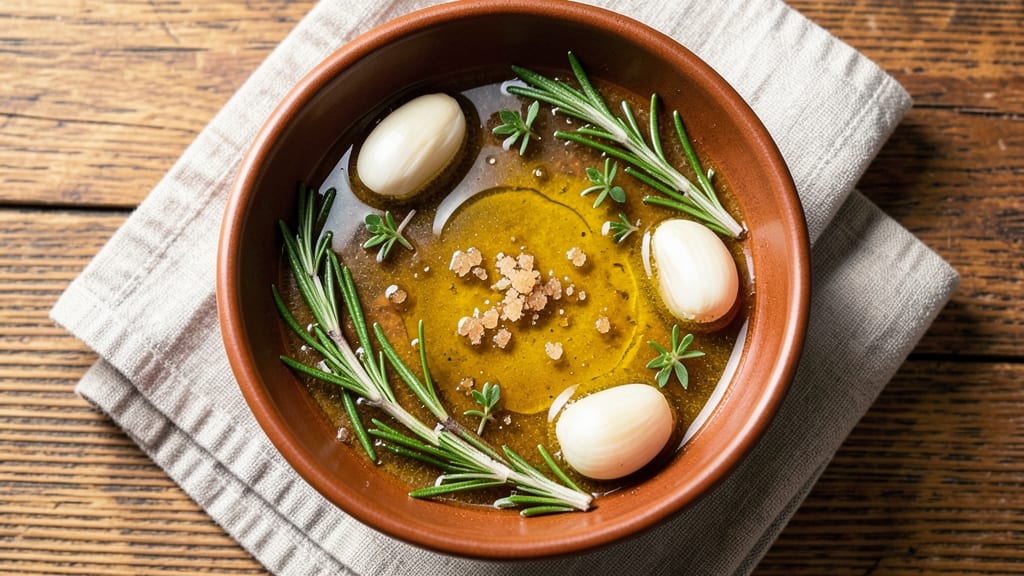
This boneless pork ribs marinade recipe transforms tough cuts into melt-in-your-mouth tenderness—perfect for oven baking.
The blend of citrus, garlic, and aromatic spices works overnight to break down fibers while infusing deep flavor. Pro tip: Pat ribs dry before marinating to ensure a better sear when you transfer them to the oven at 400°F.
The marinade’s acidity (from apple cider vinegar and lemon juice) tenderizes the meat, while olive oil carries the flavors deep into each cut. Fresh herbs like rosemary and thyme add complexity, and a touch of brown sugar caramelizes during baking for extra depth.
This isn’t just a marinade—it’s the foundation for restaurant-quality ribs at home.
After marinating for 4–24 hours, your ribs will be fork-tender and ready for the oven. Baste them with the leftover marinade during cooking for a sticky, flavorful crust. Pair with a tangy BBQ sauce or honey glaze for finishing, and serve with roasted potatoes or a crisp green salad.
No special equipment needed—just a bowl, whisk, and patience. The key is letting the marinade work its magic, so plan ahead. Once you try this, store-bought marinades will never tempt you again.
Ingredients for boneless pork ribs marinade recipe oven
Nine ingredients that turn tough pork ribs into oven-ready tenderness—no fancy tools needed.
| Ingredient | Amount | Notes |
|---|---|---|
| Apple Cider Vinegar 🍏 | ½ cup | Raw, unfiltered preferred |
| Extra-Virgin Olive Oil 🫒 | ½ cup | Fruity, peppery variety |
| Fresh Garlic Cloves 🧄 | 6 cloves | Minced or crushed |
| Fresh Rosemary Sprigs 🌿 | ¼ cup | Finely chopped |
| Fresh Thyme Leaves 🌿 | ¼ cup | Packed, stems removed |
| Light Brown Sugar 🍚 | ¼ cup | Packed, not granulated |
| Lemon Juice 🍋 | ¼ cup | Freshly squeezed |
| Diamond Crystal Kosher Salt 🧂 | 1 ½ tsp | Fine grain preferred |
| Freshly Ground Black Pepper 🌶️ | 1 tsp | Coarse grind |
| Smoked Paprika 🌶️ | 1 tsp | High-quality smoked |
The apple cider vinegar and lemon juice are the secret weapons here—their acidity breaks down the meat fibers while infusing deep flavor. Grab raw, unfiltered vinegar from the bulk section at Whole Foods or Trader Joe's for the best results. Fresh herbs like rosemary and thyme should smell vibrant, not wilted. If you can't find fresh thyme, dried works at half the amount—just make sure it's labeled as culinary-grade. The brown sugar needs to be packed, not loose, for accurate measuring. For the olive oil, California avocado oil is a great alternative if you want a higher smoke point for searing later.
No fresh rosemary? Dried rosemary at one-third the amount keeps the earthy notes intact. Short on lemon juice? Lime juice works 1:1, though it'll give a slightly different brightness. The smoked paprika adds depth—if you can't find it, regular paprika plus a pinch of liquid smoke gets close. For the garlic, roasted garlic adds sweetness, but raw minced is traditional. The kosher salt matters here: Diamond Crystal dissolves more easily than Morton's, so if you're using Morton's, add an extra pinch. Pro tip: Toast the spices (paprika, pepper) in a dry pan for 30 seconds before mixing—they'll sing more in the marinade.
This marinade keeps for up to 1 week in the fridge, but the ribs should marinate for no more than 24 hours—longer can make the meat mushy. Store it in a glass jar with a tight seal, shaking before each use. For extra convenience, freeze half in an ice cube tray—thaw overnight in the fridge when ready to use. The leftover marinade? Don't waste it—simmer it down to make a quick pan sauce for serving over the ribs.
Why You'll Love This Recipe
- Here’s what sold me: the flavor only gets better after the first day. Those ribs? They reheat like a dream, and the marinade’s acidity keeps them juicy. I’ve got a freezer stash of these now—because who has time to cook twice in one week? Not me.
- No-Fuss Prep: I’ll be real—the only tools I need are a knife, a bowl, and 10 minutes of my time. Just smash those garlic cloves, toss in the rosemary sprigs (whole, no fuss), and let the apple cider vinegar do its magic while you’re still deciding what to watch on TV.
- Tangy-Garlicky Magic: That vinegar and olive oil combo? It’s the secret weapon here. The rosemary and thyme mellow out the sharpness, but the garlic? Oh, it lingers in the best way—like a warm hug for your taste buds after the oven transforms those ribs into something dangerously tender.
- Weeknight or Party Star: Between us, this marinade works just as well for a lazy Tuesday dinner as it does for a tailgate spread. Slap it on boneless pork ribs, bake them until they’re fall-apart perfect, and suddenly you’ve got a dish that feels fancy without the effort—(yes, even on a Tuesday night).
Step-by-step instructions for boneless pork ribs marinade
Transform your ribs into melt-in-your-mouth perfection with this bold, multi-layered marinade blend.
Whisk Together the Acidic Base
In a medium bowl, combine the 0.5 cup apple cider vinegar and 0.25 cup lemon juice. The vinegar's tanginess will begin breaking down the pork's proteins immediately, while the lemon adds brightness that cuts through the richness. Stir until fully integrated—you should see the liquid begin to cloud slightly as the acid starts working.
Next, add the 0.5 cup extra-virgin olive oil and whisk vigorously for 30 seconds. The oil creates an emulsified base that helps carry the marinade's flavors deep into the meat. If the mixture separates slightly, that's normal—just give it another quick whisk before moving forward. This step ensures even distribution of all subsequent ingredients.
Incorporate Sweetness and Herbal Depth
Add the 0.25 cup light brown sugar and whisk until completely dissolved. The sugar isn't just for sweetness—it helps caramelize during cooking, creating a beautiful crust while balancing the acidity. You'll notice the marinade begin to take on a richer, more complex color as the sugar integrates.
Now fold in the 0.25 cup finely chopped fresh rosemary sprigs and 0.25 cup packed fresh thyme leaves using a rubber spatula. The herbs should be evenly distributed throughout the marinade. I like to press the herbs gently against the bowl's sides to release their essential oils, which carry their aromatic compounds into the mixture. The rosemary brings piney freshness while the thyme adds earthy warmth—together they create a herbal symphony.
Build the Spice Foundation
Add the 6 minced fresh garlic cloves, 1.5 tsp Diamond Crystal kosher salt, 1 tsp freshly ground black pepper, and 1 tsp smoked paprika. The garlic releases its pungent aroma immediately, while the salt begins to enhance all flavors through osmosis. The smoked paprika adds a subtle wood-fired depth that will complement the oven cooking.
Use the spatula to gently fold everything together until you achieve a thick, paste-like consistency. The marinade should coat the back of a spoon with a velvety texture. If it appears too thin, let it sit for 5 minutes—the starches in the sugar will help thicken it naturally. This texture ensures maximum surface area contact with the pork ribs, maximizing flavor penetration.
Prepare for Maximum Tenderization
Transfer the marinade to a resealable plastic bag or airtight container. Place the boneless pork ribs in the bag and massage the marinade over every surface, pressing it between the meat's fibers. The acid and enzymes in this blend work their magic immediately—you'll notice the meat begin to soften slightly even within the first 30 minutes.
Seal the bag completely, removing as much air as possible, then refrigerate for at least 4 hours (overnight is ideal). The cold temperature slows down the marinating process just enough to allow the flavors to penetrate deeply without over-tenderizing the meat. Real talk: Don't skip this step—rushing the marinating time results in surface flavor only, not the melt-in-your-mouth tenderness you're after.
Pro Tips For Making Boneless Pork Ribs Marinade Recipe Oven
- Mince That Garlic: Don’t just chop those garlic cloves—smash them first with the flat side of your knife. This releases more flavor into the olive oil and vinegar mix, especially when you’re letting the marinade sit overnight. I used to skip this, and the garlic taste was always half as strong.
- Vinegar First, Then Oil: Pour the apple cider vinegar into the bowl before adding the olive oil. The acid helps break down the rosemary and thyme better, so the herbs infuse faster. I learned this after a marinade that tasted like it was missing something—turns out, order matters.
- Don’t Overcrowd the Pan: If you’re searing the ribs after marinating, give them space in the pan. Overlapping them steams the meat instead of browning it, and you’ll end up with sad, pale edges. A single layer with a few minutes per side makes all the difference—trust me, I’ve seen the aftermath.
- Strip Rosemary Needles: Pull the rosemary sprigs apart and strip off the needles before adding them to the marinade. Whole sprigs float around like decorative garnish and don’t release flavor. A quick pinch between your fingers does the trick—your ribs will taste it.
Creative variations of boneless pork ribs marinade recipe oven
Sweet & Smoky BBQ Twist
Swap the lemon juice for ½ cup molasses and add 1 tbsp liquid smoke to create a sticky, caramelized marinade. Use ½ cup apple cider vinegar and ½ cup extra-virgin olive oil as the base, then fold in 1 tbsp chili powder and 1 tsp cinnamon for warmth.
This version works perfectly when baked and finished with a honey glaze—think Kansas City-style ribs with half the effort. 🌶️
Asian-Inspired Ginger-Lime
Replace the apple cider vinegar with ¼ cup rice vinegar and ¼ cup soy sauce, then add 3 tbsp freshly grated ginger, 2 tbsp sesame oil, and 1 tbsp grated lime zest.
Use 1 tbsp honey instead of brown sugar, and finish with 1 tsp five-spice powder. This marinade transforms ribs into a teriyaki-inspired dish—ideal for serving with steamed jasmine rice and quick-pickled cucumbers.
Herb-Forward Mediterranean
Swap the thyme for ½ cup finely chopped fresh oregano and add 1 tbsp lemon zest along with 1 minced shallot. Use ½ cup white wine vinegar instead of apple cider vinegar, and reduce the brown sugar to 2 tbsp.
The result? A bright, herbaceous marinade that pairs beautifully with roasted Mediterranean vegetables and a tzatziki drizzle on the finished ribs.
Spicy Coffee Rub Fusion
Add 2 tbsp finely ground coffee (cold brew works best) and 1 tbsp hot sauce to the base marinade. Use ½ cup bourbon instead of apple cider vinegar for depth, and add 1 tsp cayenne pepper for heat.
This marinade develops a deep, smoky-sweet crust when baked—perfect for those who love bold, complex flavors. Serve with cornbread and collard greens for a Southern-inspired meal.
Citrus-Balsamic Brightener
Replace the lemon juice with ½ cup orange juice and add 2 tbsp balsamic vinegar for tang. Use 1 tbsp Dijon mustard instead of brown sugar, and add 1 tsp fennel seeds (lightly toasted).
This marinade keeps ribs juicy and vibrant, ideal for summer grilling or oven baking. Pair with arugula salad and grilled peaches for a refreshing finish. 🍊
Nutrition facts
Frequently asked questions
How long should I marinate boneless pork ribs for?
For best results, marinate the ribs for at least 4 hours, but overnight (8-12 hours) is ideal. The acid in the marinade tenderizes the meat gradually. Never exceed 24 hours—longer marinating can make the meat mushy. Pat the ribs dry before baking for a better sear.
Can I reuse the marinade after it touches raw pork?
No, never reuse marinade that has touched raw pork—it may contain harmful bacteria. For extra flavor, simmer the used marinade for 5 minutes to reduce it, then use as a pan sauce or glaze. Discard any leftover marinade that hasn't been cooked.
What oven temperature works best for baked ribs?
Preheat your oven to 400°F for crispy, caramelized ribs. Bake for 25-30 minutes until the internal temperature reaches 145°F. For extra tenderness, tent with foil after 20 minutes to prevent overcooking. A meat thermometer is your best friend here!
Can I substitute vinegar in this marinade?
Yes! Use ½ cup orange juice or ½ cup pineapple juice for a sweeter profile, or ½ cup white wine for a more sophisticated flavor. The key is maintaining acidity—just ensure the marinade still has enough tang to tenderize the meat. Adjust sweetness with honey or brown sugar as needed.
How do I store leftover marinade?
Transfer unused marinade to a clean glass jar and refrigerate for up to 1 week. For longer storage, freeze in ice cube trays for 3 months. Thaw overnight in the fridge before using. Always shake well before applying—settled ingredients separate over time.