
Sauces & Condiments
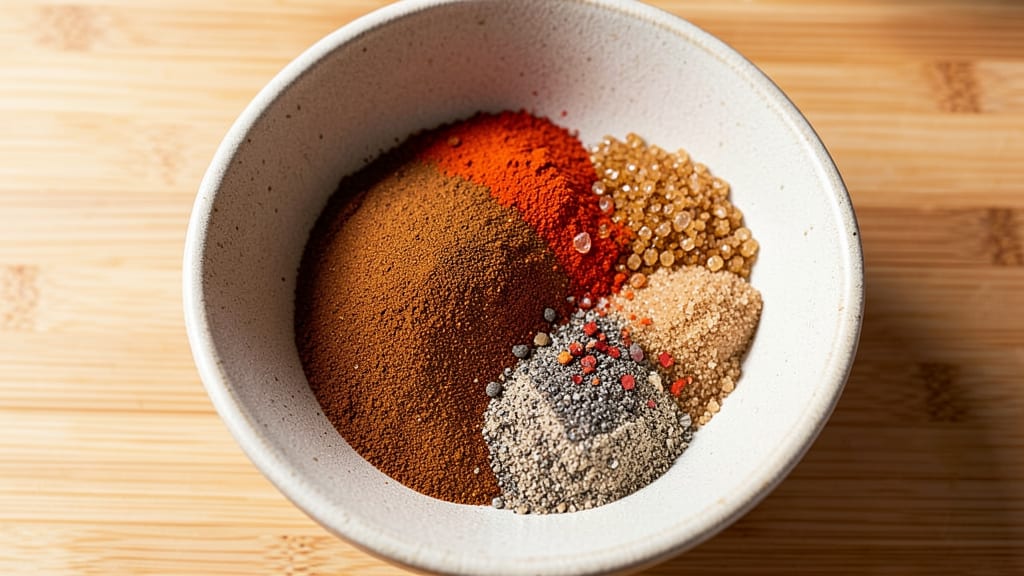
This boneless pork ribs dry rub recipe transforms simple meat into restaurant-quality bites with a smoky-spiced crust that locks in tenderness. After years of perfecting rubs for my pit at The Smoky Pig, I've simplified it to just six essential spices—no fillers, no guesswork.
The secret lies in balancing heat, sweetness, and earthy depth to create a bark that's both flavorful and foolproof.
The blend starts with paprika for color and mild heat, then builds with brown sugar for caramelization, garlic powder for depth, and a touch of cayenne for controlled kick. I always include smoked paprika from my own wood-fired smoker—it adds that authentic BBQ aroma without overpowering.
This isn't just seasoning; it's the foundation for melt-in-your-mouth ribs that hold up to any cooking method.
Mix once, store for months, and apply generously before cooking. The rub works equally well for grilling, baking, or slow-smoking—just let it sit on the meat for at least 30 minutes before heat. What you'll get is a crispy, flavor-packed crust that contrasts beautifully with tender meat underneath, every time.
For those who prefer sweeter or spicier profiles, I'll share my go-to variations in the tips section.
Make a double batch—this disappears faster than you can say "pull-apart tender." The measurements are precise but simple: just tablespoons and teaspoons, no fancy ratios. Your ribs deserve this level of care, and the results speak for themselves. Let's get started on that perfect crust.
Ingredients for boneless pork ribs dry rub
Six spices and one sugar—this simple blend unlocks restaurant-quality flavor on boneless pork ribs.
| Ingredient | Amount | Notes |
|---|---|---|
| Smoked Paprika 🌶️ | 3 tbsp | From wood-fired smoker preferred |
| Sweet Paprika 🌶️ | 2 tbsp | For vibrant color and mild heat |
| Light Brown Sugar 🍚 | 2 tbsp | Packed for caramelization |
| Garlic Powder 🧄 | 1 ½ tbsp | Freshly ground preferred |
| Ground Black Pepper 🌶️ | 1 tbsp | Freshly cracked for depth |
| Cayenne Pepper 🔥 | ½ tbsp | Adjust for heat preference |
| Kosher Salt 🧂 | 1 ½ tbsp | Diamond Crystal preferred |
| Ground Cumin 🌿 | 1 tsp | Toasted for deeper aroma |
| Onion Powder 🧅 | 1 tsp | Freshly ground preferred |
The smoked paprika is non-negotiable—it carries that authentic BBQ aroma straight from my wood-fired smoker. Penzeys or the bulk bins at Whole Foods are my go-tos for quality. Brown sugar isn't just sweetness; it's the caramelization engine that creates that coveted bark. Use packed brown sugar (not the light, fluffy kind)—it makes a difference. For the garlic powder, McCormick or Badia are reliable brands, but honestly, any fresh-ground option works. The cayenne can be swapped for red pepper flakes if you prefer less heat, but trust me on the cayenne—it adds complexity without overpowering. And the salt? Diamond Crystal dissolves perfectly, but any kosher salt will do.
No smoked paprika? Regular paprika plus a pinch of liquid smoke gets you close, but you'll miss that authentic depth. Running low on brown sugar? White sugar plus a splash of molasses mimics the caramelization. Fresh garlic powder is ideal, but dried will work—just toast it in a dry pan for 30 seconds first to wake up the flavors. The cumin and onion powder are the unsung heroes here; they build that earthy backbone. If you're feeling adventurous, swap the onion powder for finely ground dehydrated onion—it's a game-changer. And if you're making a big batch, consider adding 1 tsp of mustard powder for a subtle tang that cuts through the richness.
Store this rub in an airtight container in a cool, dark place—it'll keep for 6-12 months without losing potency. I always make a double batch because it disappears fast. For best results, let the rub sit on the ribs for at least 30 minutes before cooking—this ensures maximum adhesion and flavor penetration. The mixture is sensitive to moisture, so avoid humid environments. If you're not using it all at once, portion it into small containers to prevent clumping. Trust me, the first time you pull apart perfectly tender ribs with a crispy, smoky crust, you'll be hooked.
Why You'll Love This Recipe
- Foolproof Mix-In: I swear by this rub—just toss it on raw pork ribs, let them sit while I chop veggies, and boom. No fancy prep, no stress. That smoked paprika clings like magic, so you’re not chasing crumbs across the counter.
- Sweet-Savory Balance: The brown sugar caramelizes into a glossy crust while the garlic powder sneaks in depth—like someone sprinkled sunshine and a dash of "I care" into the mix. It’s the kind of flavor that makes people ask, "What’s in this?" (Now you can tell them.)
- Tailgate or Tuesday: Between us, this rub works for game day sliders or a lazy night when I’m too tired to plan. Grill, oven, or even air fryer—it’s the ultimate crowd-pleaser that doesn’t demand a holiday.
- Leftovers? More Like Leftovers: One batch rubs four ribs, and they reheat like a dream. Pack them for lunch or freeze half—because nothing beats pulling out perfectly seasoned ribs when you’re craving them later. (Yes, even on a Tuesday.)
Step-by-step instructions for boneless pork ribs dry rub
Here's how to create a perfectly balanced, smoky-spiced crust that guarantees tender pork ribs every time.
Combine All Dry Ingredients
In a medium bowl, add the 3 tbsp smoked paprika and 2 tbsp sweet paprika. These two create the perfect foundation - the smoked paprika delivers that deep, wood-fired flavor while the sweet variety adds vibrant color and mild heat. Give them a quick stir to break up any clumps that might have formed during storage.
Next, add the 2 tbsp light brown sugar and 1.5 tbsp garlic powder. The brown sugar isn't just for sweetness - it's crucial for caramelization that creates that beautiful crust. The freshly ground garlic powder will add layers of savory depth that complement the smoky flavors perfectly. Mix these together thoroughly so every particle gets evenly distributed.
Incorporate Spices and Seasonings
Add the 1 tbsp ground black pepper and 0.5 tbsp cayenne pepper to the bowl. Here's where you can adjust the heat level - if you prefer milder ribs, reduce the cayenne to 0.25 tbsp, or increase to 0.75 tbsp for serious heat. The black pepper adds a sharp contrast that balances the sweetness and smokiness.
Now add the 1.5 tbsp kosher salt, 1 tsp ground cumin, and 1 tsp onion powder. The salt is essential for both flavor and texture - it helps create that perfect crust. The cumin and onion powder add earthy warmth that rounds out the overall profile. Mix everything together until you have a completely homogeneous blend with no visible streaks of any single ingredient.
Test and Adjust the Rub
Take a small pinch of the rub between your fingers and smell it deeply. You should detect notes of smoke, sweetness, and subtle heat with underlying garlic and onion aromas. If it smells flat or one-note, you might need to adjust - perhaps add a pinch more smoked paprika for depth or a tiny bit more cayenne for heat.
For the perfect texture, the rub should be fine but not powdery. If it feels too coarse, press it through a fine-mesh sieve to create an even coating. This consistency ensures your ribs develop that beautiful, crackly crust without any uneven spots. Store any unused rub in an airtight container for up to three months - it'll keep perfectly for your next rib session.
Apply to Pork Ribs (Critical for Tender Results)
Pat the boneless pork ribs completely dry with paper towels - moisture is the enemy of that perfect crust. Generously apply the rub to all sides, pressing it firmly into the meat so it adheres well. Don't be shy - you want a thick, even coating that will develop into that smoky-spiced crust.
Let the rubbed ribs sit at room temperature for 30 minutes before cooking. This allows the rub to penetrate slightly and the meat to cook more evenly. The ribs should be completely dry when they hit the heat - any moisture will steam instead of crisping, leading to a soggy crust. This step is what transforms good ribs into exceptional ones.
Pro Tips For Making Boneless Pork Ribs Dry Rub
- Preheat Your Pan: Cast iron or heavy skillets need a full 5 minutes on medium-high—watch for a shimmer of smoke before adding the ribs. I learned this the hard way after sliding ribs across a lukewarm surface and ending up with uneven browning.
- Toast the Paprikas: Dry-toast your smoked and sweet paprika in the same pan for 30 seconds before mixing with sugar and spices. The aroma intensifies, and you’ll notice a deeper flavor in the final rub—it’s like unlocking a hidden layer.
- Don’t Skip the Oil: Use 1 tablespoon of neutral oil (like avocado or grapeseed) to dissolve the brown sugar into a sticky paste before applying. Without it, the sugar burns before the rub adheres, leaving you with a bitter, uneven crust.
- Patience with the Sugar: Let the rub sit on the ribs for 10 minutes at room temperature before cooking—this guarantees a caramelized crust instead of a sugar rush that burns in seconds. I know, I know, but trust the process.
Pro cooking tips for this recipe
Smoke Control Secrets
That deep, wood-fired aroma comes from smoked paprika—I use 3 tbsp of the highest quality, preferably from a wood-fired smoker like Penzeys.
If you can't find smoked paprika, mix 2 tbsp regular paprika with ½ tsp liquid smoke—it won't be identical, but it works in a pinch.
For maximum authenticity, toast your spices in a dry skillet for 30 seconds—this awakens their flavors and deepens the smoky profile. 🌶️
Sweetness Mastery
The 2 tbsp brown sugar—packed, not fluffy—isn't just for sweetness; it's the caramelization engine that creates that coveted bark. Substitute white sugar—but add ½ tsp molasses—to mimic the depth.
For a deeper caramel flavor, replace half the sugar with maple sugar—it adds complexity without altering the texture. Pro tip: Lightly brown the sugar in a dry pan before mixing—this intensifies the caramel notes.
Heat Balance Act
The ½ tsp cayenne—adjustable to taste—adds complexity without overwhelming. For a milder kick, swap it for ½ tsp red pepper flakes—they add color and a gentle warmth.
If you love heat, increase the cayenne to ¾ tsp—but trust me, the black pepper and smoked paprika already pack a punch. Always taste the rub before applying—this is your quality control step.
Texture Perfection
For an even coating, press the rub through a fine-mesh sieve—this eliminates clumps and ensures maximum surface area for that crispy crust. If your rub feels too coarse, add 1 extra tsp of onion powder—it's fine and helps bind the spices.
Store unused rub in an airtight container—I use glass jars with silicone lids—to preserve freshness for up to 6 months. Humidity is the enemy—keep it in a cool, dark place.
Application Pro Tips
Pat the ribs completely dry—moisture is the enemy of that perfect crust. Apply the rub generously—don't skimp!—and press it into the meat so it adheres well.
Let the rubbed ribs rest at room temperature for 30 minutes—this allows the rub to penetrate slightly and the meat to cook more evenly. For extra adhesion, lightly spray the ribs with apple cider vinegar—it helps the rub stick without adding moisture.
Flavor Layering
For a sweeter profile, add ½ tsp cinnamon—it pairs beautifully with the brown sugar. For a spicier kick, include ½ tsp chipotle powder—it adds smokiness and heat.
My personal favorite variation? Add 1 tsp mustard powder—it cuts through the richness and adds a subtle tang. Always taste as you go—this is where the magic happens. 💫
Nutrition facts
Frequently asked questions
Can I use this dry rub on other meats besides boneless pork ribs?
This versatile rub works beautifully on chicken thighs, pork chops, and even brisket. The key is adjusting the cooking time—boneless cuts like ribs cook faster than bone-in meats. For chicken, reduce the cayenne slightly (to ¼ tsp) to avoid overpowering the delicate flavor. Always pat the meat completely dry before applying.
How do I store the dry rub to keep it fresh?
Store in an airtight container (glass jars work best) in a cool, dark place like your pantry. It'll stay potent for 6-12 months. For longer storage, freeze portions in ice cube trays—just thaw overnight in the fridge before use. Humidity is the enemy, so avoid damp environments like near the stove.
What's the best way to get the rub to stick to the ribs?
Pat the ribs completely dry with paper towels first—moisture prevents adhesion. Apply the rub generously and press it firmly into the meat. For extra grip, lightly spray with apple cider vinegar before rubbing. Let the coated ribs rest at room temperature for 30 minutes before cooking to maximize flavor penetration.
Can I make this rub spicier or sweeter?
Yes! For more heat, increase cayenne to ¾ tsp or add ½ tsp chipotle powder. For sweetness, swap half the brown sugar with maple sugar or add ½ tsp cinnamon. My secret? Toast the spices in a dry pan for 30 seconds before mixing—this intensifies all flavors. Always taste the rub first to adjust.
Why did my ribs turn out dry instead of tender?
Overcooking is the most common cause. Boneless pork ribs should reach 195°F internal temp—use a meat thermometer! For extra tenderness, brisk the ribs in the oven at 275°F for 2 hours before finishing on the grill. The dry rub won't make them dry—it's all about proper cooking time and temperature control.