
Main Courses
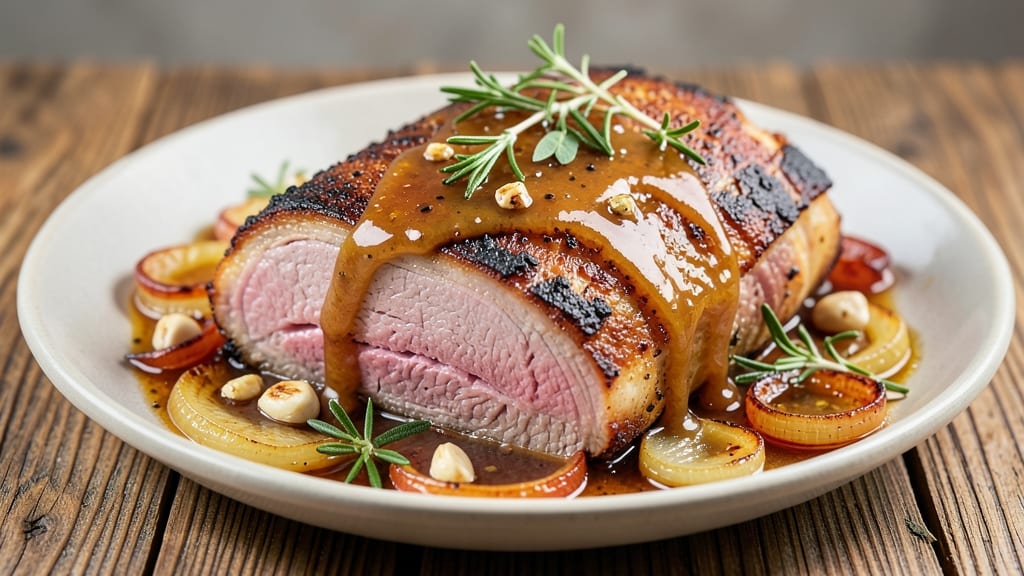
This boneless pork ribeye roast crock pot recipe transforms tough cuts into fork-shreddable perfection with minimal effort. After years of perfecting slow-cooked pork at The Smoky Pig, I've developed a method that delivers restaurant-quality tenderness without hours of babysitting.
The secret lies in proper liquid ratios and low-and-slow cooking that breaks down collagen into melt-in-your-mouth texture.
What makes this recipe special is how it handles both flavor and texture—no dry, stringy results here. We start with a simple seasoning blend that penetrates deeply during the long cook, while the crock pot's gentle heat ensures juices redistribute evenly.
The key is using just enough liquid (about 1 cup) to keep the meat moist without turning it into stew. This technique has become my go-to for weeknight dinners that impress without the fuss.
By the time your pork roast emerges from the crock pot, you'll have meat that practically falls apart at the touch of a fork. The exterior develops a subtle caramelized crust from the seasoning, while the interior remains tender and juicy throughout.
This is the kind of dish that transforms simple ingredients into something extraordinary—perfect for feeding a crowd or meal prepping for the week.
The beauty of this method extends beyond the main course. Those flavorful cooking juices make excellent gravy or pan sauce, and the leftovers reheat beautifully for sandwiches or tacos. Let's get started on creating pork that will have everyone asking for seconds—and thirds.
Ingredients for boneless pork ribeye roast crock pot
Six ingredients transform tough pork into melt-in-your-mouth perfection with zero effort.
| Ingredient | Amount | Notes |
|---|---|---|
| Boneless Pork Ribeye Roast 🥩 | 3 lb | Center-cut for even cooking |
| Yellow Onion 🧅 | 1 whole | Quartered, skin on for color |
| Garlic Cloves 🧄 | 6 cloves | Smashed for maximum flavor |
| Beef Broth 💧 | 1 cup | Low-sodium preferred, homemade or quality brand |
| Apple Cider Vinegar 🍎 | ½ cup | Adds depth and tenderness |
| Brown Sugar 🍯 | 2 tbsp | Light or dark variety works |
| Smoked Paprika 🌶️ | 1 tbsp | For that smoky restaurant touch |
| Ground Black Pepper 🌶️ | 1 ½ tsp | Freshly cracked for best flavor |
| Kosher Salt 🧂 | 1 ½ tsp | Diamond Crystal preferred |
| Fresh Rosemary 🌿 | ½ cup | Chopped sprigs, stems removed |
| Fresh Thyme 🌿 | ¼ cup | Leaves only, stems discarded |
| Olive Oil 🫒 | 1 tbsp | Extra-virgin for searing |
The pork roast is the star here—center-cut ribeye delivers the best marbling for tenderness. Costco or Whole Foods carry excellent pre-trimmed cuts, but if buying whole, trim excess fat to ensure even cooking. Look for vibrant color and good marbling; avoid pale or overly lean cuts. The apple cider vinegar might seem unusual, but it's essential for breaking down collagen and adding depth. Maille or Braxton brands are reliable for consistent quality, though any good-quality vinegar works. Fresh herbs are non-negotiable—their aroma penetrates the meat during the long cook, so grab them the same day you plan to start.
No apple cider vinegar? Substitute with balsamic vinegar at the same amount, though flavor will differ slightly. Short on fresh thyme? Dried thyme at one-third the amount works in a pinch, but fresh is ideal. Smoked paprika can be swapped for regular paprika, but you'll lose that subtle smokiness. The beef broth should be low-sodium—homemade or high-quality brands like Pacific Foods ensure you control the seasoning. For a deeper flavor, add 1 tsp Worcestershire sauce if your recipe allows it. The brown sugar caramelizes beautifully during cooking, giving the exterior that coveted crust.
This roast reheats beautifully—tastes even better the next day as flavors meld. Store leftovers in the fridge for 4-5 days or freeze for 3 months in airtight containers. The cooking juices make incredible gravy—simply strain them, reduce with a splash of broth, and thicken with a cornstarch slurry. For meal prep, portion into individual containers; the meat stays tender when reheated gently. Never microwave directly from the fridge—always bring to room temperature first to prevent drying.
Why You'll Love This Recipe
- Deep, Tangy Magic: That apple cider vinegar? It’s the secret. The beef broth keeps it rich, but the vinegar cuts through the fat, giving you tender meat with a bright, almost caramelized edge.
- Leftovers That Don’t Suck: This roast stays juicy for days, so I make it on Sundays and reheat slices for sandwiches or tacos all week. (Yes, even my picky teenager asks for seconds.)
- Budget-Friendly Feast: A single roast feeds six, and the ingredients cost less than takeout. Honestly, the only thing pricier is the satisfaction of serving something this hearty.
Step-by-step instructions for slow-cooked pork ribeye roast
Transform a simple roast into melt-in-your-mouth perfection using your crock pot.
Sear the Roast for Maximum Flavor
Heat a large skillet over medium-high heat until hot. Add the 1 tablespoon olive oil and let it shimmer. Pat the 3 lb boneless pork ribeye roast dry with paper towels—this ensures a better sear. Place the roast in the skillet and sear on all sides for 3-4 minutes per side until it develops a deep golden-brown crust. The crust locks in juices and adds incredible depth of flavor.
While the roast sears, prepare the aromatics: Peel and quarter the 1 whole yellow onion, then smash the 6 cloves garlic with the side of your knife to release their flavors. Set these aside—they'll join the roast in the crock pot shortly. The searing step is non-negotiable; it creates that restaurant-quality crust that separates good slow-cooked meat from extraordinary.
Build the Crock Pot Flavor Base
Transfer the seared roast to your crock pot. In the same skillet (no need to clean it—the browned bits are flavor gold), add the quartered onion and smashed garlic. Sauté for 2-3 minutes until the onions soften slightly and the garlic becomes fragrant. Pour in the 1 cup beef broth and scrape up all those delicious browned bits from the bottom of the pan—this is called deglazing, and it captures all the seared flavors.
Add the deglazed mixture to the crock pot along with the 0.5 cup apple cider vinegar, 2 tablespoons brown sugar, 1 tablespoon smoked paprika, 1.5 teaspoons ground black pepper, and 1.5 teaspoons kosher salt. Stir gently to distribute the liquid evenly around the roast. The vinegar tenderizes the meat while adding brightness, and the sugar caramelizes slightly during cooking for extra depth.
Layer Herbs and Cook Low and Slow
Add the 0.5 cup fresh rosemary and 0.25 cup fresh thyme to the crock pot, pressing them gently into the meat where possible. The herbs infuse the meat with their aromatic oils, creating layers of flavor. Place the lid on the crock pot and cook on low heat for 8 hours. This long, slow cook time is what transforms tough meat into fork-shreddable tenderness.
Resist the temptation to check or stir the roast during cooking. Each time you lift the lid, you release steam and potentially extend the cooking time. The roast is done when it easily shreds with two forks and the internal temperature reaches 200°F—this is the magic zone for ultra-tender, pull-apart meat. If your crock pot doesn't have a temperature probe, use the fork test as your guide.
Rest and Serve with Pan Sauce
Once the roast is fork-tender, carefully remove it from the crock pot and transfer it to a cutting board. Tent it loosely with aluminum foil and let it rest for 15-20 minutes. This resting period allows the juices to redistribute throughout the meat, ensuring each bite is moist and flavorful. The crock pot liquid will have reduced to a rich, herby sauce—this is your finishing touch.
Shred the roast using two forks, discarding any large fat pieces. Return the shredded meat to the crock pot and stir to coat it thoroughly in the sauce. Serve immediately over mashed potatoes, crusty bread, or roasted vegetables. The result should be melt-in-your-mouth pork with a perfect balance of smoky, herby, and slightly sweet flavors that make every bite irresistible.
Pro Tips For Making Boneless Pork Ribeye Roast Crock Pot
- Sear the Roast First: I learned this the hard way—skipping the sear means flavor hiding in the slow cooker. Hit the pork with a hot pan for 3-4 minutes per side before dumping it in; the crust locks in juices and adds depth that broth alone can’t match.
- Slice Onions Thinly: Thick onion chunks turn to mush in the crock pot, leaving you with a watery base. Dice the yellow onion into ¼-inch slices so they soften evenly and actually contribute flavor instead of dissolving into the broth.
- Use Less Vinegar: Apple cider vinegar adds tang, but too much makes the dish taste sharp and unbalanced. Start with 2 tablespoons—enough to brighten, not dominate—and adjust at the end if needed.
- Check Internal Temp: The crock pot’s "low" setting doesn’t guarantee doneness. Pull the pork at 145°F (it’ll rise to 150°F while resting) to avoid dry, overcooked meat—especially with boneless cuts that lose moisture faster.
Serving suggestions for this boneless pork ribeye roast crock pot
Classic Southern Sides
This pork roast shines brightest with traditional Southern sides that soak up every bit of that herby, smoky sauce. My go-to is creamy mashed potatoes—use Yukon Gold potatoes boiled until tender, then mashed with ½ cup sour cream, 2 tablespoons butter, and a pinch of salt.
For extra richness, fold in ¼ cup sharp cheddar cheese. Serve in a warm bowl alongside the pork for the ultimate comfort meal combo. 🥔
Crusty Bread Basket
Nothing complements tender pork like crusty artisan bread to sop up those flavorful juices. I love sourdough or brioche from local bakeries—Breads Bakery in Atlanta makes an excellent rosemary olive oil bread that pairs perfectly.
For a quick homemade option, brush French baguettes with garlic butter (mix 2 tbsp softened butter with 1 minced garlic clove and ½ tsp parsley) and toast until golden. Warm the bread just before serving to maintain that perfect crunch. 🥖
Roasted Vegetable Medley
Add color and texture with a roasted vegetable medley that balances the richness of the pork. Toss 2 cups Brussels sprouts, 1 cup carrots, and 1 red onion in 2 tbsp olive oil, 1 tsp smoked paprika, and ½ tsp salt.
Roast at 400°F for 25 minutes until caramelized. The smoky sweetness of the vegetables complements the pork beautifully. For a touch of brightness, finish with 1 tbsp lemon zest before serving. 🥕
Apple-Cider Glaze
Take your meal to the next level with a quick apple-cider glaze that ties all the flavors together. Simmer ½ cup apple cider, 1 tbsp brown sugar, and 1 tsp Dijon mustard in a small saucepan over medium heat for 5 minutes until slightly thickened.
Drizzle generously over the shredded pork just before serving. The tangy-sweet glaze cuts through the richness and adds a restaurant-worthy finish. 🍏
Pickled Vegetable Garnish
Brighten the plate with quick-pickled vegetables that add a refreshing crunch. Thinly slice ½ cup red cabbage and ½ cup carrot, then toss with ½ cup apple cider vinegar, 1 tbsp sugar, and ½ tsp salt.
Let sit for 15 minutes before draining. Scatter the pickled veggies over the pork and sides for a pop of color and acidity that cleanses the palate. This is a trick I learned from Charleston pitmasters—it elevates every dish. 🥬
Creamy Coleslaw
For a lighter option, serve creamy coleslaw made with 3 cups shredded cabbage, ½ cup shredded carrot, and a dressing of ½ cup mayonnaise, 2 tbsp apple cider vinegar, 1 tbsp Dijon mustard, 1 tsp sugar, and ½ tsp celery seed.
Toss everything together and chill for 30 minutes before serving. The cool, tangy slaw balances the warmth of the pork beautifully. 🥬
Nutrition facts
Frequently asked questions
Why does this recipe use apple cider vinegar instead of wine or broth?
The apple cider vinegar serves three key purposes: it tenderizes the meat by breaking down collagen, adds a subtle sweet-tart brightness that complements the pork, and helps create a more complex flavor profile than plain broth alone. Unlike wine, it won't overpower the dish with alcohol notes, and it caramelizes beautifully during cooking for extra depth. For a similar effect, you could substitute with balsamic vinegar, but the apple cider's natural sweetness enhances the smoky paprika.
Can I cook this pork roast on high instead of low for a shorter time?
While you can cook it on high for 4-5 hours, you risk two major issues: the exterior may dry out before the center becomes tender, and the meat won't develop that same fork-shreddable texture. The low-and-slow method (8 hours) ensures even cooking and maximum collagen breakdown. If you're short on time, try searing first, then cooking on high for 5-6 hours with an extra ½ cup broth to compensate for moisture loss.
How do I know when the pork is fully cooked without a meat thermometer?
Use the fork test: when the roast easily shreds with two forks and the juices run clear (not pink), it's done. For visual cues, look for a deep golden-brown crust on the exterior and slightly caramelized onions in the crock pot. The internal temperature should reach 200°F—this is the magic zone for ultra-tender meat. If you're unsure, cut into the thickest part; if it's opaque all the way through with no pink, it's safe to eat.
Can I make this recipe with a different cut of pork, like pork shoulder?
Pork shoulder actually works even better for this method because it has more connective tissue that breaks down into gelatin during slow cooking. For a 4-5 lb shoulder, increase the cooking time to 10 hours on low, and add ½ cup extra broth to prevent drying. The flavor will be richer and more complex, though the texture will be slightly more shreddable than the ribeye's tender chunks. Just trim excess fat first to ensure even cooking.
What's the best way to reheat leftovers without drying them out?
Reheat leftovers gently in the crock pot on low with 2-3 tablespoons of broth or water for 1-2 hours, covered. For stovetop reheating, use a splash of liquid (broth or apple cider) and simmer on low heat. Microwaving works in a pinch, but wrap the meat tightly in a damp paper towel first to retain moisture. Never reheat directly from frozen—thaw completely first. The meat actually tastes better the next day as flavors meld!