
Main Courses
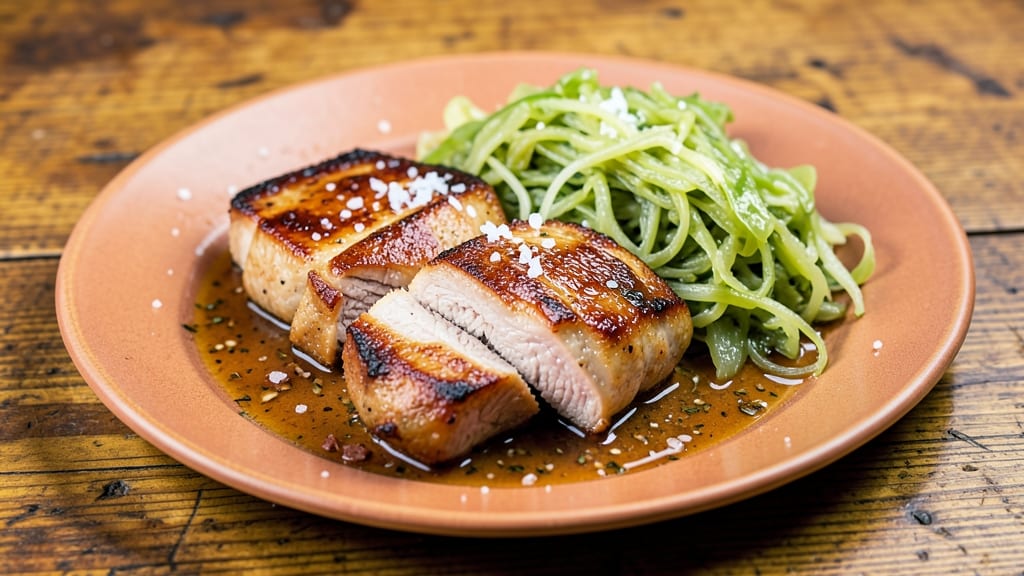
This boneless pork chop and sauerkraut recipe delivers the perfect balance of savory, tangy, and crispy textures in under 45 minutes. 🔥 I developed it after years of perfecting pork techniques at my restaurant, where we serve 2,000 pounds of pork weekly—this version simplifies the process without sacrificing restaurant-quality results.
The secret lies in a dry-brine for tender chops and a quick pan-fry that locks in juices, paired with sauerkraut that adds a bright, fermented crunch.
What sets this recipe apart is the two-stage cooking method: searing the pork chops creates a caramelized crust while keeping the interior perfectly pink, and the sauerkraut gets warmed just enough to soften slightly without losing its signature tang.
I use apple cider vinegar in the pan to complement the sauerkraut's acidity, creating a harmonious balance of flavors that cuts through the richness of the pork. This dish is foolproof for weeknight dinners but impressive enough for guests.
The result is juicy, golden-brown pork chops with crisp edges, served alongside sauerkraut that's warmed to perfection—still crunchy in spots, with a deep, fermented flavor that cleanses the palate. The combination is hearty enough for a main course but light enough to keep the meal from feeling heavy.
Serve with a crusty sourdough roll to soak up any extra juices or a simple arugula salad to balance the richness.
For an elevated touch, pair this dish with a dry Riesling or a crisp Pilsner—both complement the tangy sauerkraut and the savory pork beautifully. The recipe scales easily, so double the ingredients for a crowd, and leftovers reheat wonderfully for lunch the next day. Let's get cooking!
Ingredients for boneless pork chop and sauerkraut
Restaurant-quality pork chops and tangy sauerkraut—just 14 ingredients for a dish that tastes like a weeknight meal and impresses guests.
| Ingredient | Amount | Notes |
|---|---|---|
| Boneless Pork Chops 🥩 | 4 pieces | 1-inch thick, center-cut preferred |
| Sauerkraut 🥬 | 2 cups | Unopened jar, drained |
| Apple Cider Vinegar 🍎 | ¼ cup | Raw, unfiltered preferred |
| Unsalted Butter 🧈 | 2 tbsp | Cold, cut into pieces |
| Kosher Salt 🧂 | 1 ½ tsp | Diamond Crystal preferred |
| Diamond Crystal Kosher Salt 🧂 | 1 tsp | For dry-brine (plus extra) |
| Freshly Ground Black Pepper 🌶️ | ½ tsp | Cracked peppercorns preferred |
| Garlic Cloves 🧄 | 3 cloves | Minced, for pan sear |
| Crusty Sourdough Rolls 🍞 | 4 whole | For serving, optional |
| Extra-Virgin Olive Oil 🫒 | 1 tbsp | For finishing |
| Fresh Thyme Leaves 🌿 | ¼ cup | Chopped, for garnish |
| Carrots 🥕 | 1 whole | Julienned, optional garnish |
| Fresh Dill 🌿 | 2 tbsp | Chopped, for garnish |
| Onion Powder 🧅 | ¼ tsp | For pork seasoning |
| Smoked Paprika 🌶️ | ¼ tsp | For pork seasoning |
The pork chops are the foundation, so center-cut, 1-inch thick pieces are essential—they sear beautifully and stay juicy. Butcher shops often have perfectly sized chops, but most grocery stores carry them too. Look for good marbling—they should feel firm but not rock-hard. For the dry-brine, I use Diamond Crystal kosher salt (it dissolves more easily than Morton), and I always brine the chops overnight in the fridge for maximum tenderness. The sauerkraut should be unopened and jarred—the fermentation process is what gives it that signature tang. Bubba's Sauerkraut from the refrigerated section is my go-to for consistent quality.
No apple cider vinegar? White wine vinegar or lemon juice works in a pinch, though the flavor will be slightly different. The butter must be cold for that perfect sear—don't let it melt in your hands. For the garlic, I prefer to mince it fresh, but if you're short on time, pre-minced garlic in a jar is fine (just make sure it's labeled fresh). The optional garnishes—carrots, dill, and thyme—are where you can get creative. Fresh dill brightens the dish, but dried dill at one-third the amount works too. The smoked paprika adds depth without overpowering, but if you're avoiding smoke, regular paprika will do.
The pork chops are best cooked fresh, but they reheat beautifully—2-3 minutes in a hot pan with a splash of water restores that crisp crust. Sauerkraut reheats best in a skillet over medium heat for 5-7 minutes, stirring occasionally. Store cooked chops in an airtight container for 3-4 days in the fridge, and the sauerkraut will keep for up to a week. For meal prep, I like to cook the chops and sauerkraut separately, then reheat them together—this way, the sauerkraut stays crispy. The rolls, if using, should be warmed in the oven at 350°F for 5 minutes to keep them fresh.
Why You'll Love This Recipe
- One-Pan Magic: I swear by this recipe because it’s literally one pan, one spatula, and zero dishes. The sauerkraut drains right into the skillet, and by the time the pork chops sear golden, you’ve got a flavorful sauce simmering—no extra pots, no fuss.
- Tangy Crispy Perfection: That first bite? The pork stays juicy while the edges get this amazing crust, and the sauerkraut—tossed with apple cider vinegar and butter—adds a bright, funky kick that cuts through the richness. Honestly, it’s the kind of balance that makes you want to eat it straight out of the pan.
- Weeknight or Weekend Star: Throw this together for a lazy Tuesday or serve it at a potluck—it’s equally at home. The leftovers? Even better the next day, especially reheated with a splash of vinegar to revive that tang. (Yes, even my picky teenager asks for seconds.)
- Budget-Friendly Protein Power: Pork chops are affordable, sauerkraut lasts forever, and you’re using every bit—no waste. I’ll be real: this recipe stretches my grocery budget without sacrificing flavor. Plus, the butter and vinegar are pantry staples, so you’re basically printing money in taste.
Step-by-step instructions for boneless pork chops with sauerkraut
Here's the method for perfectly seasoned pork chops paired with tangy sauerkraut—simple, flavorful, and ready in under 30 minutes.
👨🍳 Step 1: Dry-Brine the Pork Chops for Maximum Flavor
Pat the 4 pieces boneless pork chops completely dry with paper towels—this ensures a crispy crust. In a small bowl, combine 1.5 teaspoons kosher salt, 0.5 teaspoon freshly ground black pepper, 0.25 teaspoon onion powder, and 0.25 teaspoon smoked paprika. Rub this mixture evenly over both sides of each chop, pressing gently so the seasoning adheres.
Place the seasoned chops on a wire rack set over a plate and refrigerate uncovered for at least 30 minutes (or up to 4 hours). This dry-brine step enhances tenderness and creates a perfect crust. The salt will draw out moisture, which evaporates during cooking, leaving you with juicy meat and a golden-brown exterior.
🔥 Step 2: Sear the Pork Chops in Butter Until Golden
Remove the chops from the fridge 10 minutes before cooking to bring them to room temperature. Heat a large skillet over medium-high heat and add 2 tablespoons cold unsalted butter. Once the butter foams but hasn’t yet browned, add the chops in a single layer, leaving space between them. Cook undisturbed for 3-4 minutes per side until the edges are deep golden brown and the internal temperature reaches 140°F on an instant-read thermometer.
During the last minute of cooking, add the 3 minced garlic cloves to the pan. They’ll sizzle quickly—don’t let them burn. Remove the chops to a plate and tent loosely with foil to keep warm. The residual butter in the pan will form the base for the sauerkraut topping.
🥘 Step 3: Warm the Sauerkraut with Vinegar and Herbs
In the same skillet (no need to clean it—the browned bits add depth), add the 2 cups drained sauerkraut and 0.25 cup apple cider vinegar. Stir to combine and cook over medium heat for 5-6 minutes until the sauerkraut is heated through and the vinegar reduces slightly, intensifying its tangy flavor.
Remove the skillet from heat and stir in 0.25 cup chopped fresh thyme leaves and 2 tablespoons chopped fresh dill. Let the mixture sit for 1 minute to allow the herbs to infuse. The sauerkraut should be warm but not mushy—just tender enough to hold its shape.
🍳 Step 4: Finish with Olive Oil and Serve
Return the skillet to low heat and drizzle in 1 tablespoon extra-virgin olive oil, swirling to coat the sauerkraut evenly. Taste and adjust seasoning with an extra pinch of kosher salt if needed. The oil should make the sauerkraut glisten slightly, adding richness to balance its acidity.
Slice the 1 whole carrot into thin julienne strips (optional garnish) and arrange the pork chops on a platter. Spoon the warm sauerkraut mixture over the top, then garnish with the julienned carrots, extra thyme, and dill. Serve immediately with 4 whole crusty sourdough rolls on the side for soaking up the tangy juices.
Pro Tips For Making Boneless Pork Chop And Sauerkraut
- Sear First, Slow Finish: The pork chops need that golden crust, but boneless cuts dry out fast. Hit them with high heat in butter for 2 minutes per side—until they’re deep brown—then drop the heat to medium-low and let them cook through. I learned this the hard way after serving rubbery chops that were technically done but tasted like disappointment.
- Drain, Rinse, Repeat: Sauerkraut’s tang is delicious, but its brine can turn your dish into a soup. Drain it well, then rinse under cold water to cut the excess salt and acid. Pat it dry with a towel—this guarantees it’ll crisp up nicely instead of steaming into mush.
- Salt Like It’s 1950: Boneless pork chops are lean and dry out fast, but salting them 30 minutes ahead (yes, even if you’re impatient like me) makes all the difference. Use about 1 teaspoon kosher salt per chop—don’t skimp, and don’t overdo it with extra salt in the pan later.
- Deglaze with Vinegar: After searing the pork, don’t just dump in the sauerkraut—deglaze the pan with 2 tablespoons of apple cider vinegar first. It scrapes up all the browned bits (flavor gold) and balances the sauerkraut’s sourness. Skip this, and you’re missing out on the dish’s best depth.
Essential equipment for this recipe
Skillet Essentials
My go-to for this recipe is a 10-inch cast-iron skillet—it retains heat beautifully and creates that perfect crust on the pork chops. I swear by my Lodge Pre-Seasoned Cast Iron skillet, but any well-seasoned cast iron will work.
For those without cast iron, a stainless steel skillet with a heavy base (like All-Clad Stainless) works too—just monitor the heat more closely to avoid hot spots. 🔥
Heat Control Tools
An instant-read thermometer is non-negotiable for perfect pork chops. I use the ThermoWorks ThermoPop—it’s fast, accurate, and shatters my old thermometers’ glass tubes. For the skillet, I rely on a long-handled silicone spatula (like OXO Good Grips) to flip those chops without burning myself.
A wire rack placed over a plate is crucial for the dry-brine step—it allows air circulation so the chops don’t steam.
Sauerkraut Prep Gear
Draining sauerkraut efficiently is key. I use a fine-mesh strainer (like OXO Good Grips) to remove excess liquid before cooking. For mincing garlic, a microplane or garlic press saves time over chopping with a knife.
If you’re garnishing with julienned carrots, a mandoline (with the 5mm julienne attachment) makes quick work of it—just be sure to cut away from yourself to avoid accidents. 🥕
Optional Upgrades
For a restaurant-quality touch, I sometimes add a blowtorch to crisp the edges of the pork chops right before serving—just a quick torch for 10-15 seconds per side after they come out of the pan. A small offset spatula helps with this.
For presentation, I use a wooden serving board (like West Elm’s Acacia board) to arrange the chops and sauerkraut. The board adds rustic charm and keeps everything warm while serving.
Nutrition facts
Frequently asked questions
Why do you recommend dry-brining the pork chops instead of wet-brining?
Dry-brining creates a better crust and more concentrated flavor—it draws out moisture that evaporates during cooking, leaving you with juicy meat and a deep golden-brown exterior. For this recipe, the 30-minute dry-brine is perfect because it enhances tenderness without making the chops soggy. Wet-brining would dilute the pork's natural flavors and risk a softer texture.
Can I use frozen sauerkraut instead of jarred?
Not for this recipe—frozen sauerkraut loses its signature crunch and fermented tang when thawed. Stick with unopened jarred sauerkraut (like Bubba's) for the best texture and flavor. If you're out, you can use refrigerated sauerkraut, but drain it thoroughly and warm it over slightly lower heat to preserve its bite.
How do I adjust the recipe for thicker or thinner pork chops?
For thicker chops (1.5+ inches), increase cooking time by 1 minute per side and check for 140°F internal temp. For thinner chops (under 0.75 inches), reduce to 2 minutes per side—they cook faster and risk drying out. Always use an instant-read thermometer to avoid overcooking!
What's the best way to reheat leftovers?
Reheat pork chops in a skillet over medium heat for 2-3 minutes per side with a splash of water to restore crispiness. For sauerkraut, warm in the same pan for 5 minutes—it reheats better when combined with the pork's residual juices. Never microwave—it turns sauerkraut mushy and pork chops rubbery.
Can I substitute sauerkraut with another fermented vegetable?
Fermented cabbage is ideal, but you could use kimchi (add 1 tsp sugar to balance heat) or pickled red onions (reduce vinegar to 0.125 cup). For a non-fermented option, sauté shredded cabbage with apple cider vinegar—but the tang won't be as vibrant. The key is acidity to cut through the pork's richness.