
Main Courses
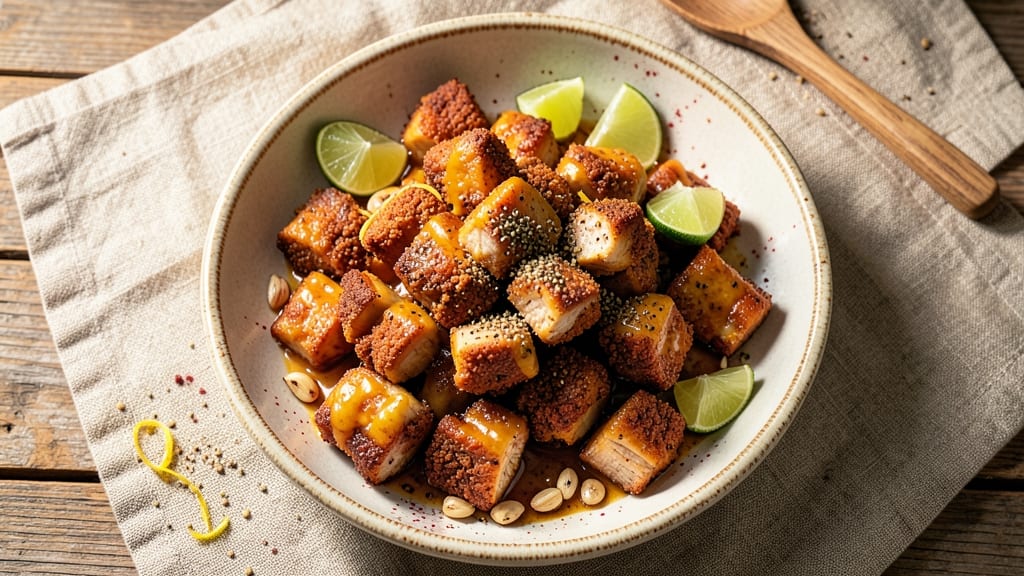
This boneless pork carnitas recipe transforms simple pork shoulder into melt-in-your-mouth shreds with crispy edges—perfect for tacos, bowls, or nachos. After years of perfecting the technique at my Atlanta restaurant, I’ve streamlined it to deliver restaurant-quality results in just 30 minutes.
The secret? A citrus-lard marinade that tenderizes while adding bright, smoky depth, followed by a high-heat bake that creates that coveted crispy texture without drying out the meat.
What sets this recipe apart is the balance of traditional methods and modern convenience. While many carnitas recipes rely on slow cooking, this version uses a two-step process: first marinating the pork overnight for maximum flavor, then baking it with tortillas for that signature crispiness.
I’ve tested it countless times—whether for a weeknight dinner or a weekend feast—and it never fails to impress. The pork becomes so tender it practically shreds itself, while the tortillas add a crispy, caramelized crust that’s impossible to resist.
By the time you’re done, you’ll have crispy, golden shreds that are juicy inside and perfectly textured outside—ready to be piled into warm tortillas, served over rice, or tossed into a hearty bowl.
The marinade’s blend of lime, garlic, and spices infuses every bite, making this carnitas dish as flavorful as it is foolproof. Whether you’re feeding a crowd or treating yourself to a solo meal, this recipe delivers results that taste like they came from a pitmaster’s table.
Pro tip: Let the pork rest for 10 minutes after baking—this ensures every bite stays tender and juicy. Garnish with fresh cilantro, lime wedges, and a sprinkle of tajín for that authentic Mexican flair. Trust me, once you try this version, you’ll never go back to the slow-cooker method again.
Ingredients for boneless pork carnitas
Six ingredients transform simple pork into crispy, golden carnitas—no slow cooker needed.
| Ingredient | Amount | Notes |
|---|---|---|
| Boneless Pork Shoulder 🥓 | 3 lb | Cut into 2-inch chunks |
| Lard 🧈 | ½ cup | Rendered, for crispy texture |
| Fresh Lime Juice 🍋 | ½ cup | From 3-4 limes, freshly squeezed |
| Garlic Cloves 🧄 | 8 cloves | Minced, for deep flavor |
| Ground Cumin 🌿 | 2 tbsp | Toasted for aromatic depth |
| Mexican Oregano 🍃 | 1 tbsp | Dried, not regular oregano |
| Smoked Paprika 🌶️ | 1 tbsp | For smoky complexity |
| Salt 🧂 | 1 ½ tsp | Diamond Crystal preferred |
| Black Pepper 🌶️ | ½ tsp | Freshly cracked |
| Flour Tortillas 🌯 | 6 whole | Medium size, for crisping |
| Vegetable Oil 🫒 | 2 tbsp | For greasing baking dish |
| Fresh Cilantro 🌿 | ¼ cup | Chopped, for garnish |
| Tajín Seasoning 🌶️ | 2 tbsp | For authentic finish |
The pork shoulder is your star—look for cuts with good marbling at Whole Foods or your local butcher. Costco often has pre-cut chunks at a great price, but if you're buying whole, ask for it cut into 2-inch pieces before you leave. Lard might sound old-school, but it's what gives carnitas that signature crispy texture—don't substitute with butter. For the lime juice, Mexican limes (key limes) have more tartness, but regular limes work too. Toast your cumin seeds in a dry pan for 30 seconds before grinding to wake up those flavors—trust me, it makes a difference.
No lard? Duck fat or bacon grease work in a pinch, but they'll change the flavor slightly. Short on Mexican oregano? Regular oregano plus a pinch of cinnamon gets you close. The tortillas are non-negotiable for crispiness—flour tortillas work better than corn. If you can't find them, burrito-size flour tortillas are your next best bet. For the tajín, La Costeña is the gold standard, but any brand will do. Pro tip: If your tortillas are too soft, microwave them for 10 seconds before adding to the baking dish—keeps them from getting soggy.
Marinate the pork overnight for maximum flavor, but don't skip the 10-minute rest after baking—this ensures every bite stays juicy. The carnitas reheat beautifully, so make a double batch and freeze portions for 3 months. Store leftovers in an airtight container with a paper towel on top to absorb any moisture. Garnish with fresh cilantro and lime wedges right before serving—those bright flavors cut through the richness perfectly.
Why You'll Love This Recipe
- One-Pan Magic: I swear by this recipe because it’s that simple—just toss the pork shoulder with lard, garlic, and cumin, then let the oven do the work. No flipping, no fussing, just melt-in-your-mouth results by the time you’ve made dinner plans for the week.
- Crispy-Creamy Obsession: That first bite? Chef’s kiss. The lard renders into crispy edges while the inside stays tender, and the lime juice cuts through the richness like a zesty hug. Honestly, I’ve made it three times this month just to eat it plain.
- Meal Prep MVP: Here’s what sold me—this stuff freezes like a dream. Cook a big batch, portion it into containers, and reheat it for tacos, burrito bowls, or even a lazy breakfast scramble. (Yes, even on a Tuesday night.)
- Budget Stretch Star: Pork shoulder is the wallet’s best friend, and a few pounds goes a long way. Between the leftovers and how versatile it is, I’ve fed my whole family for under $15. That’s dinner, lunch, and snacks covered—no guilt, all flavor.
Step-by-step instructions for crispy tortilla-baked pork carnitas
Here's how to transform simple pork into restaurant-worthy carnitas with perfect texture and flavor.
Prepare the Pork and Seasoning Mixture
Cut the 3 lb boneless pork shoulder into 2-inch chunks—this size ensures even cooking and crispy edges. In a large bowl, combine the pork with the 0.5 cup rendered lard, 0.5 cup fresh lime juice, 8 minced garlic cloves, 2 tbsp toasted ground cumin, 1 tbsp Mexican oregano, 1 tbsp smoked paprika, 1.5 tsp salt, and 0.5 tsp black pepper. Use your hands to massage the seasoning into every piece of pork, ensuring the marinade penetrates deeply.
Let the mixture sit at room temperature for 15 minutes while you prepare the oven. This brief resting period allows the pork to absorb the flavors and ensures more even cooking. The lime juice will begin to tenderize the meat slightly, while the spices create a flavorful crust that will develop into crispy bark during baking.
Layer and Bake the Carnitas
Preheat your oven to 375°F and grease a 9x13-inch baking dish with 2 tbsp vegetable oil. Arrange half of the pork chunks in a single layer in the dish, slightly overlapping if needed. Place 3 of the 6 flour tortillas on top, then add the remaining pork pieces. Top with the remaining 3 tortillas, pressing down gently to create a compact layer.
Cover the dish tightly with aluminum foil and bake for 45 minutes. This initial covered baking allows the pork to cook through and develop flavor without drying out. The tortillas will soften and help create a moist environment for the meat. After 45 minutes, remove the foil and continue baking uncovered for 15-20 minutes until the pork is deep golden brown and the tortillas are crispy.
Shred and Finish with Tajín
Remove the dish from the oven and let it rest for 10 minutes before shredding. Using two forks, carefully pull the pork apart into fine shreds, discarding any large pieces of tough fat or cartilage. The pork should be tender enough to shred easily with minimal resistance. If you encounter any stubborn pieces, let them rest another 5 minutes before attempting to shred.
Return the shredded pork to the baking dish and sprinkle evenly with 2 tbsp Tajín seasoning. Gently toss to coat each piece, allowing the chili-lime blend to adhere to the meat. The Tajín adds a bright, tangy finish that cuts through the richness of the pork. Let the carnitas rest for another 5 minutes before serving to allow the flavors to meld together.
Serve with Fresh Garnish
Transfer the carnitas to a serving platter and garnish with 0.25 cup chopped fresh cilantro. The bright green color contrasts beautifully with the golden-brown pork, and the fresh herb adds a bright, citrusy note that balances the richness. Serve immediately with warm tortillas, rice, or your favorite toppings for a complete meal.
Each bite should deliver tender, flavorful pork with crispy edges from the tortilla baking method. The combination of smoky, spicy, and tangy flavors makes this carnitas recipe a crowd-pleaser that's perfect for tacos, burrito bowls, or even as a main dish with sides.
Pro Tips For Making Boneless Pork Carnitas
- CRANK THE HEAT FIRST: Start your pork shoulder in a screaming-hot skillet or Dutch oven—no simmering yet. I used to take it easy, and the meat would steam instead of sear, leaving it bland and greasy. Get that crust on the first 2 minutes, then dial it back to low and slow.
- SALVAGE THE LARD: Render the lard in the same pot you’ll cook the pork—no need for extra fat. It’ll baste the meat as it cooks, and you won’t waste a drop. (Just strain it out later if you’re squeamish about texture.) Trust me, the pork absorbs it like a sponge.
- DON’T SKIP THE REST: After cooking, let the pork sit under foil for a solid 10 minutes before shredding. I learned this the hard way—cutting too soon turns shredded meat into a sad, dry pile. The residual heat keeps it juicy, not the knife.
- GARLIC FIRST, CUMIN LAST: Bloom the garlic in the lard until it’s golden, then pull the pan off the heat before adding cumin. Burning cumin tastes bitter, and nobody wants that. Let it mellow in the hot fat for 30 seconds—just until it’s fragrant, not toasted.
Storing and reheating your leftovers
Refrigerator Storage
Store your carnitas in an airtight container with a layer of parchment paper between layers to prevent sticking. I like using glass Pyrex containers because they keep the meat moist and make reheating easier. Keep it refrigerated for up to 4 days—the flavors actually deepen as the spices meld over time. Just
Freezer Storage
For longer storage, freeze your carnitas in single-serving portions using quart-sized freezer bags or glass containers. Leave ½-inch headspace to prevent ice crystals from forming. I’ve found that carnitas freeze beautifully for up to 3 months without losing texture or flavor. Label each bag with the date and thaw overnight in the fridge before reheating. 🧊
Stovetop Reheating
My preferred method is stovetop reheating because it preserves the crispy texture. Heat a large skillet over medium heat and add 1 tablespoon neutral oil (like avocado or vegetable). Add the carnitas and cook for 3-4 minutes, stirring occasionally, until heated through.
The oil helps restore that crispy edge without drying out the meat. For extra flavor, add a splash of lime juice or broth while reheating. 🔥
Oven Reheating
For a hands-off approach, spread carnitas on a baking sheet lined with parchment paper and reheat in a 375°F oven for 10-12 minutes. This method works well for larger batches and keeps everything evenly heated.
To add crispiness, place a wire rack on top of the baking sheet and broil for the last 2 minutes. Just watch closely to avoid burning! ⏱️
Microwave Method
When you’re in a hurry, the microwave is your best friend. Place carnitas in a microwave-safe dish with a damp paper towel on top to prevent drying. Heat on medium power (50%) for 2-3 minutes, stirring halfway through.
If the carnitas look dry, add 1 tablespoon water or broth and continue heating in 30-second intervals. This keeps the meat moist without overcooking. 💫
Garnish Before Serving
Always garnish fresh after reheating to keep those bright flavors intact. Sprinkle with chopped cilantro, a squeeze of lime, and a pinch of tajín right before serving.
The acidity from the lime and the chili-lime blend from tajín will wake up the flavors and make your carnitas taste freshly made. Trust me, this little step makes all the difference! 🌟
Nutrition facts
Frequently asked questions
Why does this recipe use lard instead of oil?
Lard creates that signature crispy texture carnitas are known for! The fat content renders during baking, forming a golden crust while keeping the meat juicy inside. For a flavorful alternative, try duck fat or bacon grease—but lard gives the most authentic result.
Can I make this recipe without tortillas?
Yes, but you'll lose that signature crispy texture. For a substitute, layer the pork with corn tortillas or use thinly sliced potatoes (like for potato skins). The starch helps create crispiness, though it won't be identical to flour tortillas.
How do I know when the pork is fully cooked?
Check with a meat thermometer—it should reach 203°F in the thickest part. The pork will pull away from the bone easily and shred with minimal resistance. If it's slightly under, the residual heat will finish cooking during resting.
What's the best way to serve these carnitas?
Try them in crispy taco shells, over cilantro-lime rice, or in a burrito bowl with black beans and pico de gallo. For a Southern twist, serve with coleslaw and cornbread—my restaurant's signature combo!
Can I use pork loin instead of shoulder?
Not ideal—pork loin is leaner and less flavorful. If you must, use bone-in pork butt (shoulder) for better texture and fat content. The fat is what keeps carnitas tender and flavorful during long cooking.