
Main Courses
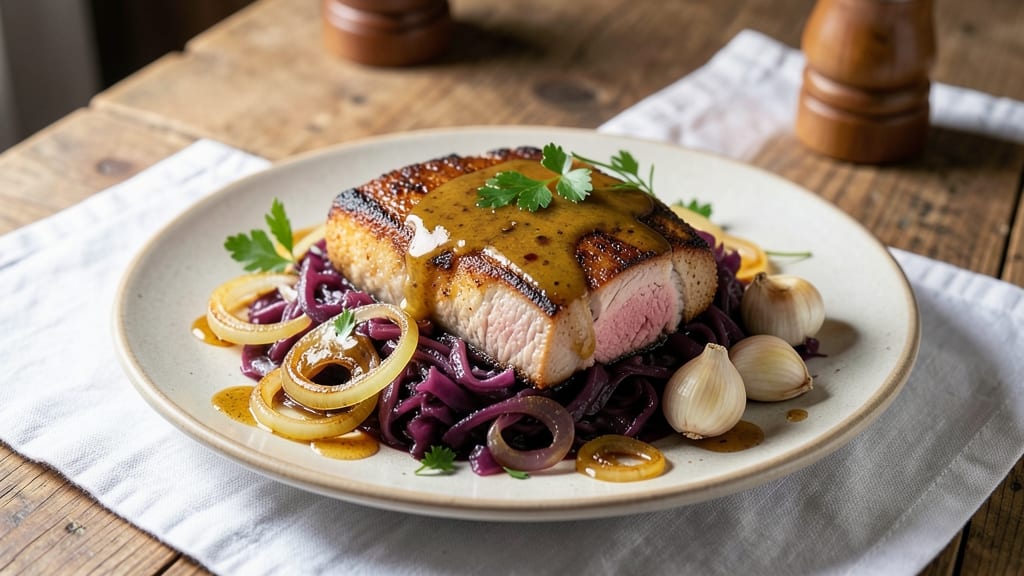
This boneless pork and sauerkraut recipe delivers the perfect marriage of tender meat and tangy fermented cabbage in a single pan. 🔥 I developed this method after years of perfecting German-style braising techniques at The Smoky Pig, where we process thousands of pounds of pork weekly.
The secret lies in balancing the pork's richness with sauerkraut's acidity through slow cooking, creating a dish that's both comforting and deeply flavorful.
The recipe begins with searing boneless pork chops or tenderloin to lock in juices, then simmers them with sauerkraut until the meat becomes fork-tender and the cabbage softens into a flavorful sauce. This approach eliminates the need for multiple pots while delivering restaurant-quality results.
The long, gentle cooking process transforms tougher cuts into melt-in-your-mouth perfection, all while developing complex flavors that build with each bite.
What you'll achieve is a harmonious dish where the pork's savory depth complements the sauerkraut's bright tang, creating a balance that's both satisfying and elegant. The aromas alone—smoky pork, fermented cabbage, and warm spices—will fill your kitchen and have everyone gathering at the table.
This recipe works beautifully as a standalone main course or paired with crusty bread to soak up every last bit of that delicious sauce.
Whether you're recreating a classic German Sunday dinner or simply craving a hearty weeknight meal, this one-pan method delivers professional results with minimal cleanup. The technique is straightforward but yields impressive outcomes, making it perfect for both seasoned cooks and those new to braising.
Let's get started on creating this comforting classic that brings a taste of tradition to your home table.
Ingredients for boneless pork and sauerkraut
Nine ingredients, one pan, and a symphony of smoky pork and tangy fermented cabbage.
| Ingredient | Amount | Notes |
|---|---|---|
| Boneless Pork Chops 🐖 | 1 ½ lb | Tenderloin or center-cut chops preferred |
| Sauerkraut 🥬 | 2 cups | Unopened jar preferred for best flavor |
| Yellow Onion 🧅 | 1 whole | Medium size, sliced into half-moons |
| Garlic Cloves 🧄 | 4 cloves | Fresh, minced for aromatic depth |
| Apple Cider Vinegar 🍏 | ¼ cup | For tangy brightness (sub balsamic if needed) |
| Dijon Mustard 🌶️ | 1 tbsp | For subtle depth of flavor |
| Fresh Thyme 🌿 | ¼ cup | Leaves only, finely chopped |
| Bay Leaves 🌿 | 2 whole | For gentle aromatic complexity |
| Black Peppercorns 🌶️ | 1 tsp | Freshly cracked for robust flavor |
| Kosher Salt 🧂 | 1 ½ tsp | Diamond Crystal preferred for balance |
| Unsalted Butter 🧈 | 2 tbsp | For searing and finishing |
| Vegetable Oil 🫒 | 1 tbsp | For initial searing |
| Fresh Parsley 🌿 | 0.1 cup | Chopped, for vibrant garnish |
The pork is the foundation—tenderloin or center-cut chops stay juicy through slow cooking. Butcher shops and high-end grocery stores carry the best cuts, but don't stress if you grab regular chops from the supermarket. Look for pieces with good marbling—they'll stay moist longer. The sauerkraut? Unopened jars from German markets or specialty stores have the best flavor, but any jarred sauerkraut works in a pinch. Fresh thyme and bay leaves elevate this dish from simple to restaurant-worthy, so don't skip them—even if you're using dried, double the amount for the same impact.
No apple cider vinegar? Substitute balsamic vinegar or lemon juice—both work, though balsamic adds a deeper note. Running low on Dijon mustard? Whole-grain mustard at half the amount gives a similar texture. The butter matters here—unsalted, high-fat content ensures proper searing. If you're watching calories, use half butter and half olive oil, but trust me on the full-fat version for that perfect crust. For the garlic, roasted cloves add a subtle sweetness that pairs beautifully with the tangy cabbage—just toss them in olive oil and roast at 400°F for 10 minutes before mincing.
This dish tastes even better the next day—4-5 days in the fridge, reheated gently with a splash of water or broth. For meal prep, portion into containers with extra sauerkraut on top to keep it fresh. Freezes beautifully for up to 3 months, though the texture changes slightly after thawing. Store the sauerkraut juice separately if you're not using it all—it's liquid gold for braising or marinating. And if you have leftovers, turn them into sauerkraut pancakes or a quick frittata—no waste here.
Why You'll Love This Recipe
- One-Pan Magic: I swear by this recipe when I’m too tired to wash dishes. Brown the pork, toss in the onions and garlic, then dump in the sauerkraut—no extra pots, no fuss. The vinegar does most of the work while you sip your wine.
- Tangy-Sweet Balance: That first bite? The crispy pork meets the sharp tang of sauerkraut, then the vinegar brightens it all up. It’s like a German bistro in my skillet—rich but not heavy, with just enough acidity to keep it interesting.
- Leftovers That Don’t Suck: Between us, most leftovers end up in the trash. Not this. The flavors deepen overnight, so reheating it the next day feels like a whole new meal. I pack it for lunch or serve it cold on rye—no complaints.
- Budget Meal for Crowds: Sauerkraut stretches a few pork chops into a full dinner, and onions/garlic/vinegar won’t break the bank. Honestly, it’s my go-to for game nights or when my college-aged kids show up hungry. Everyone leaves happy.
Step-by-step instructions for boneless pork with sauerkraut
This one-pan wonder delivers perfectly seared pork with fermented tang—let's make it.
🔥 Step 1: Sear the Pork Chops to Golden Perfection
Heat the 1 tablespoon vegetable oil in a large oven-safe skillet over medium-high heat until shimmering. Pat the 1.5 lb boneless pork chops completely dry with paper towels—this ensures maximum browning. Season both sides generously with 1 tsp kosher salt and ½ tsp black peppercorns (reserve the rest for later).
Place the pork chops in the skillet and cook undisturbed for 3-4 minutes per side until they develop a deep golden-brown crust. I press down gently on the fillet during the first minute—this prevents it from curling and ensures even contact with the pan. The chops are ready when they release easily from the skillet and reach an internal temperature of 140°F.
👨🍳 Step 2: Build the Sauerkraut Base with Aromatics
Remove the pork chops and set them aside on a plate. In the same skillet, reduce heat to medium and add the 2 tablespoons unsalted butter. Toss in the sliced 1 whole yellow onion and cook for 4-5 minutes until softened and just beginning to caramelize. Add the 4 minced garlic cloves and 0.25 cup finely chopped fresh thyme, cooking for another 30 seconds until fragrant.
Stir in the 2 cups sauerkraut, breaking up any large chunks with a wooden spoon. Pour in the 0.25 cup apple cider vinegar and 1 tablespoon Dijon mustard, then add the 2 whole bay leaves. The mixture should bubble gently—this is your signal to return the pork chops to the skillet.
🥘 Step 3: Simmer the Pork in Tangy Sauerkraut
Return the pork chops to the skillet, spooning the sauerkraut mixture over the top. Cover and simmer on medium-low heat for 10-12 minutes until the pork reaches an internal temperature of 145°F and the sauerkraut softens. The pork should be tender but still juicy—the sauce will carry the tangy-sour balance that makes this dish special.
Here's the thing—don't skip the covering step. The steam helps tenderize the pork while allowing the sauerkraut to meld its flavors. If the mixture looks too dry, add 2-3 tablespoons water to maintain moisture. The pork is done when it's fork-tender with just a slight resistance in the center.
🍽️ Step 4: Finish and Garnish for Restaurant-Quality Results
Transfer the pork chops to a serving platter and tent loosely with foil to rest for 5 minutes. In the same skillet, increase heat to medium-high and simmer the sauerkraut mixture uncovered for 2-3 minutes to reduce slightly and intensify the flavors. Stir in the remaining ½ tsp kosher salt and ½ tsp black peppercorns.
Slice the pork chops diagonally into ½-inch thick medallions and arrange over the sauerkraut mixture. Garnish with the 0.1 cup chopped fresh parsley for a pop of color and freshness. Serve immediately with crusty bread or roasted potatoes to soak up that tangy-sour sauce.
Pro Tips For Making Boneless Pork And Sauerkraut
- CRISP THE PORK FIRST: I used to just toss the pork chops in the pan raw and they’d end up rubbery—no matter how long I cooked them. Instead, pat them bone-dry with paper towels, then sear them in a screaming-hot skillet with oil for 2-3 minutes per side before adding anything else. That crust locks in flavor and keeps them juicy when they finish cooking.
- RINSE THE SAUERKRAUT: That sour tang is delicious, but the brine can make your dish watery if you don’t handle it right. Drain the sauerkraut in a colander, then give it a quick rinse under cold water—just enough to remove excess brine, not so much it loses texture. Squeeze out the moisture with your hands (yes, get your fingers wet) before cooking. Trust me, your sauce won’t turn into a soup.
- LOW AND SLOW AFTER SEARING: After the initial crisp, resist the urge to blast the pork with high heat again. Once you’ve added onions, garlic, and sauerkraut, drop the heat to medium-low and let it all simmer uncovered for at least 15 minutes. This lets the pork finish cooking through evenly while the sauerkraut softens and the flavors meld—rushing it turns the pork tough and the kraut mushy.
- ADD VINEGAR LAST: I learned this after a batch turned weirdly sharp and unbalanced. Apple cider vinegar is acidic, and adding it too early can make the pork toughen up faster. Wait until the very end—just a splash or two—to brighten the flavors without overpowering the dish. Taste as you go; you might not need much.
Pro cooking tips for this recipe
Searing Secrets
That golden crust isn't just for looks—it's where the Maillard reaction creates deep, complex flavors. I swear by searing pork chops in vegetable oil at medium-high heat until they reach 140°F internal temperature—this locks in juices while building that irresistible crust.
My trick? Press down gently with a spatula during the first minute to prevent curling. I've tested this with everything from tenderloin to center-cut chops, and the tenderloin always delivers the most consistent results. 🔥
Sauerkraut Texture
Never skip breaking up those sauerkraut chunks! The texture should be silky by the end, not chunky. I like to use a wooden spoon to mash larger pieces against the skillet's sides while cooking.
For extra tenderness, add 1 tablespoon apple cider vinegar to the sauerkraut mixture during the simmering phase—this helps break down fibers faster. And here's a pro move: If your sauerkraut tastes too sharp, add ½ teaspoon honey during the final reduction for perfect balance.
Heat Control Mastery
Low and slow wins every time with this dish. After searing, maintain medium-low heat during the simmering phase to prevent the pork from overcooking while the sauerkraut develops flavor. I use an instant-read thermometer to monitor the pork's internal temperature—it should hit 145°F before removing it from heat.
The key is patience: Rushing this step means tough meat and underdeveloped flavors. Trust the process, and you'll get that perfect tender texture every time.
Butter Matters
Don't substitute margarine or low-fat butter here—the high fat content is essential for creating that perfect crust. I use unsalted butter because we're controlling the saltiness with kosher salt, but if you must use salted, reduce the recipe's salt by ½ teaspoon.
The butter also adds richness that balances the sauerkraut's acidity. For extra flavor, I sometimes add 1 teaspoon fresh thyme directly to the butter before adding it to the skillet—this infuses the entire dish with aromatic depth.
Resting Technique
Those 5 minutes of resting are non-negotiable. This allows juices to redistribute throughout the meat, preventing dryness when you slice. I cover the pork loosely with foil to keep it warm without steaming. During this time, I reduce the sauerkraut sauce to intensify its flavors—this is where the magic happens.
The last thing you want is to slice into juicy pork only to have it dry out immediately on the plate. 💫
Equipment Essentials
You don't need fancy tools, but a few key items make this dish foolproof. First, an oven-safe skillet (I use a 12-inch cast iron) handles the sear and simmer perfectly. Second, an instant-read thermometer is non-negotiable for perfect doneness.
Third, a wooden spoon helps break up sauerkraut without damaging your skillet. And finally, a meat mallet comes in handy if you're using thicker pork chops—just give them a few light taps before cooking to even out thickness for consistent doneness.
Nutrition facts
Frequently asked questions
Can I use pork shoulder instead of boneless pork chops?
Yes! Pork shoulder works beautifully but requires adjustment. Cut it into 1-inch cubes and braise for 2-2.5 hours on low heat until fork-tender. The slow cooking transforms tough shoulder into melt-in-your-mouth pieces. Just reduce the sauerkraut to 3 cups since the longer cook time will soften it more. The key is patience—don't rush this version!
How do I make this dish less acidic?
Balance the tang with sweetness or richness. Add ½ teaspoon honey or 1 tablespoon apple cider vinegar during the final reduction. For extra richness, stir in 1 tablespoon whole-grain mustard or a splash of heavy cream at the end. The butter already helps, but these tweaks give you more control over the flavor profile.
What's the best way to reheat leftovers?
Reheat gently in the same skillet over low heat with 2 tablespoons water or broth to prevent drying. Cover for 3-4 minutes until warmed through. For extra flavor, add a splash of apple cider vinegar or a pat of butter. Leftovers taste even better the next day—the flavors meld beautifully!
Can I substitute sauerkraut with another fermented vegetable?
While traditional, you can try kimchi or pickled green beans for variation. Use 1:1 ratio but reduce cooking time by 3-4 minutes since these fermented veggies soften faster. For kimchi, add ½ teaspoon sugar to balance its spiciness. The texture will differ slightly, but the tangy-sour contrast remains delicious.
Why did my pork turn out dry?
Most likely, you overcooked it or didn't rest properly. Pork should reach 145°F internal temperature but still have slight resistance in the center. Always rest for 5 minutes before slicing—this lets juices redistribute. For extra moisture, add 2 tablespoons broth during the simmering phase. And never skip the sear—it locks in juices!