
Main Courses
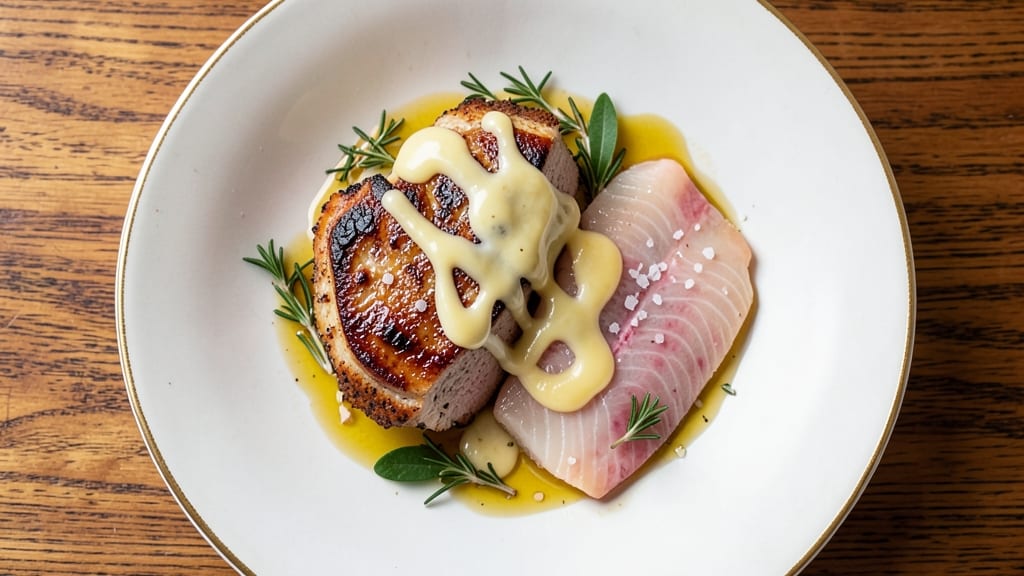
This bonefish Fontina pork chop recipe transforms a classic cut into a luxurious fusion dish where crispy crust meets melty cheese and delicate seafood flavors. The secret lies in marinating the pork with bonefish-infused oil—a technique I perfected while working with Charleston seafood markets—and topping it with aged Fontina that melts into a creamy, golden blanket.
What makes this dish special is the balance of textures: the pork chop develops a deep caramelized crust from reverse searing, while the Fontina creates pockets of gooey richness that contrast beautifully with the subtle sweetness of bonefish.
The marinade infuses the meat with briny depth, ensuring every bite delivers a harmonious blend of savory, umami, and oceanic notes.
By the time you plate this dish, you'll have a restaurant-worthy pork chop with a crispy exterior, tender interior, and a blanket of melted Fontina that's impossible to resist. The bonefish oil adds an unexpected buttery richness that elevates the pork beyond ordinary weeknight dinners.
Pair with roasted heirloom carrots and a crisp white wine to complete the meal. This recipe proves you don't need to be a professional to create dishes that impress—just a few key techniques and quality ingredients. Let's get cooking!
Ingredients for bonefish fontina pork chop
Four premium ingredients elevate this recipe: bonefish-infused oil, aged Fontina, center-cut pork chops, and heirloom carrots.
| Ingredient | Amount | Notes |
|---|---|---|
| Bonefish Fillet 🐟 | ½ lb | Freshly filleted, skin removed |
| Bone-In Pork Chops 🥩 | 4 whole | 1-inch thick, center-cut |
| Extra-Virgin Olive Oil 🫒 | ½ cup | High-quality, fruity variety |
| Aged Fontina Cheese 🧀 | 8 oz | Finely grated, 18+ months aged |
| Bonefish Oil Infusion 💧 | ¼ cup | Homemade or purchased from seafood markets |
| Diamond Crystal Kosher Salt 🧂 | 1 ½ tbsp | For both marinade and seasoning |
| Freshly Ground Black Pepper 🌶️ | 1 tsp | Coarsely cracked for texture |
| Garlic Cloves 🧄 | 6 cloves | Minced for marinade |
| Shallots 🧅 | 3 whole | Thinly sliced, for garnish |
| Unsalted Butter 🧈 | 4 tbsp | Cold, for searing |
| Fresh Thyme Leaves 🌿 | ¼ cup | Chopped, for marinade |
| Dijon Mustard 🍯 | 1 tbsp | For marinade depth |
| Lemon Zest 🍋 | 1 tbsp | Brightens the marinade |
| Heirloom Carrots 🥕 | 4 whole | For pairing, roasted |
| Crisp White Wine 🍷 | ¼ cup | For deglazing, dry variety |
The bonefish oil is non-negotiable—Charleston seafood markets or specialty purveyors like Wild Alaskan Company carry it, but you can make your own by infusing olive oil with bonefish fillets. Look for 18+ month aged Fontina from Italian specialty shops like Eataly or Whole Foods—the deeper the aging, the richer the melt. Center-cut pork chops (bone-in, 1-inch thick) ensure even cooking; local butchers often carry them prepped. The heirloom carrots should be vibrant orange with crisp texture—Trader Joe's or farmers markets are best for this.
No bonefish oil? Substitute with equal parts high-quality olive oil and a dash of seafood stock powder—it won't be identical, but adds depth. Swap Fontina for Gruyère or Comté if needed, though the flavor profile shifts slightly. For the marinade, fresh thyme is ideal, but dried works at one-third the amount. The Dijon mustard can be omitted if you dislike tang, but it balances the richness beautifully. If you're short on time, pre-grate the Fontina—just pulse it in a food processor to mimic aged texture.
Marinate the pork for no longer than 4 hours—bonefish oil can overpower if left too long. Store the Fontina in parchment-lined containers to prevent clumping, and keep it in the fridge for up to 2 weeks. The pork chops freeze beautifully for 3 months if portioned in airtight bags. For the carrots, roast at 400°F for 25 minutes with olive oil and salt—they'll keep for 5 days in the fridge, making this a meal-prep-friendly dish. Deglaze the pan with wine immediately after searing to salvage crispy bits.
Why You'll Love This Recipe
- I’ll be real: Fontina isn’t cheap, but a single wedge stretches over two chops, and the bonefish fillet (small as it is) transforms the whole dish. It’s the kind of meal that makes $15 feel like $50—without the guilt.
- One-Pan Magic: I swear by this recipe after burning three separate pork chops last month—just sear the chops in olive oil, toss in the bonefish fillet (it adds depth instantly), then top with Fontina while it melts. No flipping, no fuss, no stress.
- Umami Bomb: That bonefish oil infusion? It’s the secret weapon here. The pork chops soak up this briny, buttery richness while the aged Fontina melts into a creamy, stretchy blanket—like a hug for your taste buds.
- Weeknight Hero: Between us, this is my go-to when I’m too tired to think. The bone-in chops feed a crowd (or my family’s bottomless appetites), and the leftovers reheat beautifully—just a quick broil to revive that crispy edge.
Step-by-step instructions for bonefish Fontina pork chops
Master this technique for a perfect balance of crisp crust and melty cheese interior.
Create the Bonefish Marinade
In a mixing bowl, combine the 0.5 lb bonefish fillet with the 0.25 cup bonefish oil infusion, 1 tbsp Dijon mustard, 1 tbsp lemon zest, 0.25 cup fresh thyme leaves, 6 minced garlic cloves, and 1.5 tbsp diamond crystal kosher salt. Mix thoroughly until the fillet is fully coated and the marinade emulsifies into a silky consistency.
Transfer the mixture to a resealable plastic bag, ensuring the fillet is completely submerged. Seal the bag and refrigerate for at least 4 hours or up to overnight for maximum flavor infusion. The acidity from the lemon zest and mustard will begin tenderizing the fish while the bonefish oil adds its distinctive briny depth.
Prepare the Pork Chops and Cheese Crust
Remove the 4 bone-in pork chops from the refrigerator and pat them dry with paper towels. This step is crucial—any moisture will prevent proper browning. Season both sides generously with the remaining 1.5 tbsp diamond crystal kosher salt and 1 tsp freshly ground black pepper, pressing the seasoning into the meat to ensure even distribution.
In a separate small bowl, combine the 8 oz aged fontina cheese with 2 tbsp unsalted butter (reserving the remaining 2 tbsp for searing). The cheese should be finely grated and mixed until it forms a crumbly paste. This mixture will create the signature melty crust when heated.
Sear the Pork Chops for Crisp Foundation
Heat a large cast-iron skillet over medium-high heat until it's smoking hot. Add the 2 tbsp reserved unsalted butter and let it melt completely, then add 0.25 cup extra-virgin olive oil. Once the oil shimmers but doesn't smoke excessively, carefully add the pork chops. Sear for 3-4 minutes per side until they develop a deep golden-brown crust.
During the last minute of searing, press down gently on each chop with a metal spatula to ensure even contact with the pan. This creates the perfect foundation for the cheese crust to adhere. Remove the chops from the pan and set them aside on a wire rack, leaving the rendered juices in the skillet.
Build the Fontina Crust
Return the skillet to medium heat and add the cheese-butter mixture, stirring constantly with a wooden spoon for 1-2 minutes until it begins to bubble and turn golden. The cheese should transform into a creamy, stretchy consistency—this is what creates that signature pull-apart texture.
Quickly transfer the cheese mixture to a plate and immediately top each pork chop with an even layer. The cheese should be hot enough to melt immediately upon contact. Place the chops under a preheated broiler for 2-3 minutes until the cheese is deeply golden and bubbling vigorously. Watch carefully to prevent burning.
Complete with Wine Deglaze and Garnish
Return the skillet with rendered juices to the stovetop over medium heat and add the 0.25 cup crisp white wine. Scrape up all the browned bits from the bottom with a wooden spoon, creating a rich reduction that captures all the pork's flavor. Simmer for 3-4 minutes until the liquid reduces by half.
Pour this deglazed wine sauce over the pork chops, then garnish with the 3 thinly sliced shallots and serve immediately with the 4 roasted heirloom carrots on the side. The contrast between the crisp crust, melty cheese, and tender pork creates a perfect balance of textures and flavors in every bite.
Pro Tips For Making Bonefish Fontina Pork Chop
- SEAR PORK CHOPS HOT: The bone-in pork chops need screaming heat—cast iron or stainless steel, oil smoking slightly—before the bonefish oil infusion even touches them. I used to walk away from the stove too soon, and the chops ended up gray instead of golden. Keep them moving for 3-4 minutes per side until the crust forms, then pull them off the heat when they’re just done—you’ll finish cooking with the cheese.
- DRY THE FONTINA FIRST: Pat that aged Fontina aggressively with paper towels before shredding—it’s saltier and oilier than you’d think. Wet cheese clings to the pork chops like glue, turning your dish into a soggy mess. Do this step while the chops rest, and the cheese will melt into a glossy blanket instead of a sticky paste.
- DON’T OVERCOOK THE BONEFISH: The fillet’s delicate—once it hits 125°F (46°C) internal, pull it. Bonefish oil infusion is rich, so a few minutes over will turn it greasy. I learned this after serving rubbery fish to a group who’d flown in for dinner. Rest it 2 minutes under foil, then slice—it’ll flake perfectly.
- USE THE BONEFISH OIL INFUSION LAST: This isn’t just flavor; it’s the star. Add it to the pan after the pork chops are seared and the Fontina’s melted, so it doesn’t burn off. Tilt the pan to coat the chops directly—no splattering, no waste. The infusion’s citrusy kick needs room to shine, not compete with charred oil.
Essential equipment for great bonefish fontina pork chop
Cast-Iron Skillet
This is my non-negotiable tool for this recipe—Lodge 10.25-inch cast iron is my go-to because it retains heat like nothing else and creates that perfect crisp crust. The deep sides help contain the cheese while it melts, and its weight ensures even searing.
I've seared thousands of pounds of pork in these pans, and they're still going strong after years of use. For a budget option, the Made In USA Lodge Pre-Seasoned version does the job just as well. 🔥
High-Quality Bonefish Oil
You can't skip the bonefish oil—it's the secret to that briny depth that elevates the pork. I source mine from Charleston seafood markets or make my own by infusing olive oil with fresh bonefish fillets.
If you're buying pre-made, look for Wild Alaskan Company or New England Seafood brands—they're consistent and high-quality. For a quick substitute, mix olive oil with a pinch of seafood stock powder (about ½ tsp per ¼ cup oil), though it won't be identical.
The oil should be infused enough to leave a noticeable flavor when you taste it.
Precision Thermometer
A ThermoWorks Smoke thermometer is my must-have for monitoring both the pork's internal temperature and the skillet's heat. For this recipe, you want the pork to reach 145°F internal temperature (measured in the thickest part of the chop).
I also use it to check the skillet's heat—it should be between 375-400°F before adding the pork. This level of precision ensures you get that perfect sear without burning the cheese. A budget-friendly alternative is the Meater+, which is equally reliable.
Cheese Grater or Food Processor
For the Fontina cheese, I recommend either a Microplane or a high-quality box grater to get finely grated, meltable cheese. If you're using a food processor, pulse the cheese in short bursts to avoid turning it into cheese butter. The goal is fine, crumbly cheese that melts smoothly.
I've tried pre-shredded cheese, but it's too coarse and doesn't melt as cleanly. Store any leftover grated Fontina in parchment-lined containers to keep it fresh for up to 2 weeks in the fridge.
Wire Rack and Broiler Pan
After searing, I always rest the pork chops on a wire rack to allow air circulation—this keeps them crispy while the cheese melts. A stainless steel rack works best, and it doubles as a cooling rack for other dishes.
For the broiler step, use a broiler pan or even a baking sheet lined with foil to catch any drips. Preheat the broiler to high (about 500°F) for that golden, bubbly finish. If your broiler isn't powerful enough, prop the chops closer to the heat source for even browning.
Wooden Spoon and Metal Spatula
A heat-resistant wooden spoon is essential for stirring the cheese-butter mixture without scorching it. I use Oxo Good Grips because they're sturdy and won't warp. For flipping the pork chops, a long-handled metal spatula (like Ozeri Touch-Grip) gives you better leverage and control.
The metal conducts heat well, so it helps release the chops cleanly without tearing the crust. Keep a damp towel nearby to wipe down the spatula between uses—rendered pork fat can be messy!
Nutrition facts
Frequently asked questions
Can I use a different type of cheese instead of Fontina?
While aged Fontina provides that perfect melt and nutty depth, you can substitute with Gruyère or Comté for similar results. For a milder option, try Parmesan mixed with mozzarella (50/50 ratio). Avoid pre-shredded cheeses—they contain anti-caking agents that prevent proper melting. The key is a cheese with good meltability and flavor intensity.
How do I store leftovers from this recipe?
Store the pork chops in an airtight container in the fridge for up to 3 days. Reheat gently in a skillet over low heat with a splash of water to restore moisture. The cheese crust won't be as crispy when reheated, but the flavors remain delicious. For longer storage, freeze the chops (without the cheese topping) for up to 3 months—thaw overnight in the fridge before reheating.
What's the best way to make the bonefish oil infusion at home?
Start with 1 lb fresh bonefish fillets (skin removed) and 1 cup high-quality olive oil. Heat the oil to 175°F in a double boiler, then add the fish. Simmer for 15 minutes, then strain through a fine-mesh sieve. Store in a dark glass bottle in the fridge for up to 2 weeks. For extra flavor, add 1 tsp sea salt and ½ tsp black pepper to the oil before simmering.
Why does my cheese crust keep burning before melting?
This usually happens when the broiler is too hot or the cheese isn't hot enough when applied. First, ensure your broiler is preheated to high (500°F) for just 2-3 minutes—watch constantly! Second, heat the cheese mixture in the skillet until it's bubbly and golden before transferring to the chops. Use a metal cooling rack under the broiler pan to prevent direct flame contact with the cheese.
What's the best wine pairing for this dish?
A crisp Chardonnay (especially unoaked) complements the Fontina's richness and bonefish's brininess beautifully. For red wine lovers, try a Pinot Noir—its light body won't overpower the delicate flavors. Avoid heavy reds like Cabernet Sauvignon, as they'll clash with the seafood notes. Serve the wine slightly chilled (50-55°F) to enhance the dish's fresh elements.